Weight loss is often associated with intense workouts, strict diets, and exhausting fitness routines. However, many people are searching for sustainable ways to manage their weight without putting excessive stress on their joints or energy levels.
This has increased interest in gentle movement practices that support physical activity, balance, and overall wellness.
One approach gaining attention is tai chi walking for weight loss. Tai chi walking combines the slow, controlled movements of traditional tai chi with mindful walking techniques.
This practice focuses on posture, breathing, balance, coordination, and steady body movement.
Although tai chi walking may not burn calories at the same rate as high-intensity exercises, it can support weight management by encouraging regular movement, improving physical function, reducing stress, and helping people maintain an active lifestyle.
For individuals who struggle with traditional workouts because of age, joint discomfort, limited mobility, or lifestyle challenges, tai chi walking offers a gentle option that can be easier to maintain over time.
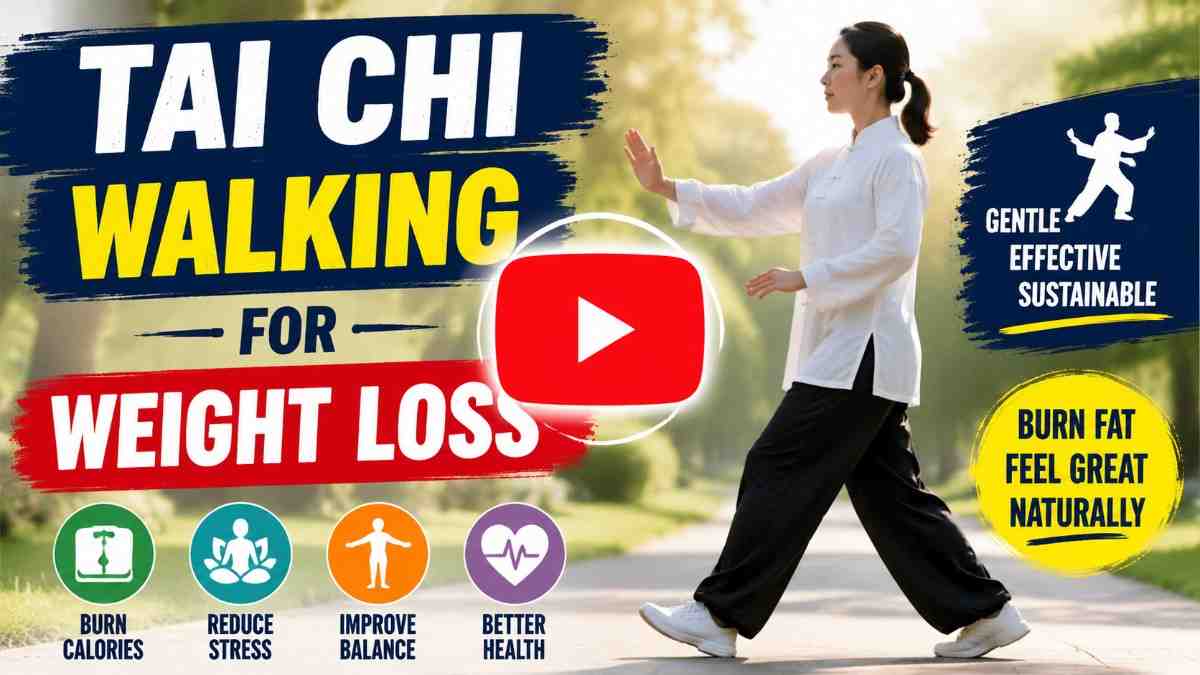

This article explores how tai chi walking works, its possible connection with weight loss, health benefits, how to practice it correctly, and why this ancient movement practice is becoming popular among people looking for healthier lifestyle habits.
What Is Tai Chi Walking?
Tai chi walking is a mindful walking technique inspired by the principles of tai chi, an ancient Chinese practice that combines gentle movements, controlled breathing, and mental focus.
Traditional tai chi involves flowing sequences of movements designed to improve balance, flexibility, body awareness, and relaxation. Tai chi walking applies similar principles while focusing specifically on walking patterns.
During tai chi walking, individuals typically move slowly and deliberately. Each step involves:
- Maintaining proper posture
- Shifting body weight carefully
- Engaging core muscles
- Keeping movements smooth and controlled
- Coordinating breathing with movement
Unlike ordinary walking, tai chi walking emphasizes awareness of how the body moves. The goal is not speed but control, stability, and connection between the mind and body.
Because it is low impact, tai chi walking can be suitable for many adults who want to increase daily physical activity without performing high-intensity exercises.
How Does Tai Chi Walking Support Weight Loss?
Weight loss happens when the body consistently uses more energy than it consumes. Exercise is one part of this process because physical activity helps increase energy expenditure while supporting muscle function and metabolism.
Tai chi walking may support weight management through several important pathways.
1. Encourages Consistent Physical Activity
One of the biggest challenges with weight loss is maintaining a regular exercise routine. Many people start intense workouts but stop because they feel uncomfortable, exhausted, or unable to continue.
Tai chi walking provides a gentle approach that may feel more manageable. Since the movements are slow and controlled, people may find it easier to practice regularly.
Consistency is important because long-term lifestyle habits often have a greater impact on weight management than occasional intense workouts.
A daily tai chi walking routine can help individuals increase their overall movement levels and reduce sedentary behavior.
2. Helps Increase Daily Calorie Expenditure
Tai chi walking is considered a low-intensity form of physical activity. While it may not burn calories as quickly as running, cycling, or high-intensity training, it still requires energy.
The body uses energy when maintaining posture, controlling movement, balancing, and performing repeated steps.
The number of calories burned depends on factors such as:
- Body weight
- Walking duration
- Movement intensity
- Frequency of practice
- Individual metabolism
For weight management, regular low-impact movement can contribute to total daily energy expenditure.
3. Supports Muscle Engagement and Body Control
Although tai chi walking appears gentle, it requires control from different muscle groups.
The practice may engage:
- Leg muscles
- Core muscles
- Hip stabilizers
- Postural muscles
Maintaining balance during slow movements requires the body to activate muscles that support stability.
Improved muscle function can help people remain physically active and perform daily activities more comfortably.

4. May Help Reduce Stress-Related Eating
Stress is one factor that can influence eating habits and weight management challenges.
Many people experience increased cravings or emotional eating during periods of stress. Tai chi walking incorporates breathing exercises and mindfulness, which may promote relaxation.
Mindful movement encourages individuals to become more aware of their body, emotions, and habits.
By creating a calming routine, tai chi walking may help support healthier lifestyle choices.
The Connection Between Mindful Movement and Weight Management
Modern research has increasingly explored the relationship between mental wellness and weight management.
Weight loss is not only influenced by food choices and exercise. Sleep quality, stress levels, emotions, and daily behaviors can also affect long-term results.
Mindful activities like tai chi walking encourage people to slow down and focus on the present moment.
This awareness may help individuals:
- Recognize hunger signals
- Develop healthier routines
- Improve exercise consistency
- Reduce stress-related habits
Tai chi walking combines physical activity with mindfulness, making it different from many traditional exercise approaches.
Benefits of Tai Chi Walking Beyond Weight Loss
Although many people search for tai chi walking for weight loss, the practice offers several additional wellness benefits.
➢ Improves Balance and Stability
Balance naturally becomes more important as people age. Tai chi walking focuses heavily on controlled weight shifting and body awareness.
Regular practice may help improve coordination and stability, which are important for maintaining mobility.
➢ Supports Joint-Friendly Exercise
High-impact exercises can be challenging for some individuals, especially those who experience joint discomfort.
Tai chi walking uses slow movements and controlled steps, making it a gentler option.
Many people choose it because it allows them to remain active while placing less stress on the body.
➢ Encourages Better Posture
Poor posture can affect movement efficiency and comfort.
Tai chi principles emphasize:
- Upright posture
- Relaxed shoulders
- Balanced alignment
- Controlled movement
Practicing these techniques may improve body awareness during daily activities.
➢ Supports Mental Relaxation
The combination of breathing, movement, and concentration can create a calming experience.
Many people practice tai chi because it provides a break from busy schedules and encourages relaxation.
Lower stress levels may indirectly support healthier lifestyle habits.
Tai Chi Walking vs Traditional Walking for Weight Loss
Both tai chi walking and traditional walking involve movement and can contribute to an active lifestyle. However, they have different focuses.
Traditional walking usually emphasizes distance, speed, and cardiovascular activity.
Tai chi walking focuses more on:
- Balance
- Controlled movement
- Mind-body connection
- Coordination
- Relaxation
A brisk walk may burn more calories in a shorter period because of increased intensity.
However, tai chi walking may be easier for some people to continue consistently because it feels less physically demanding.
The best choice depends on individual goals, fitness level, and personal preference.
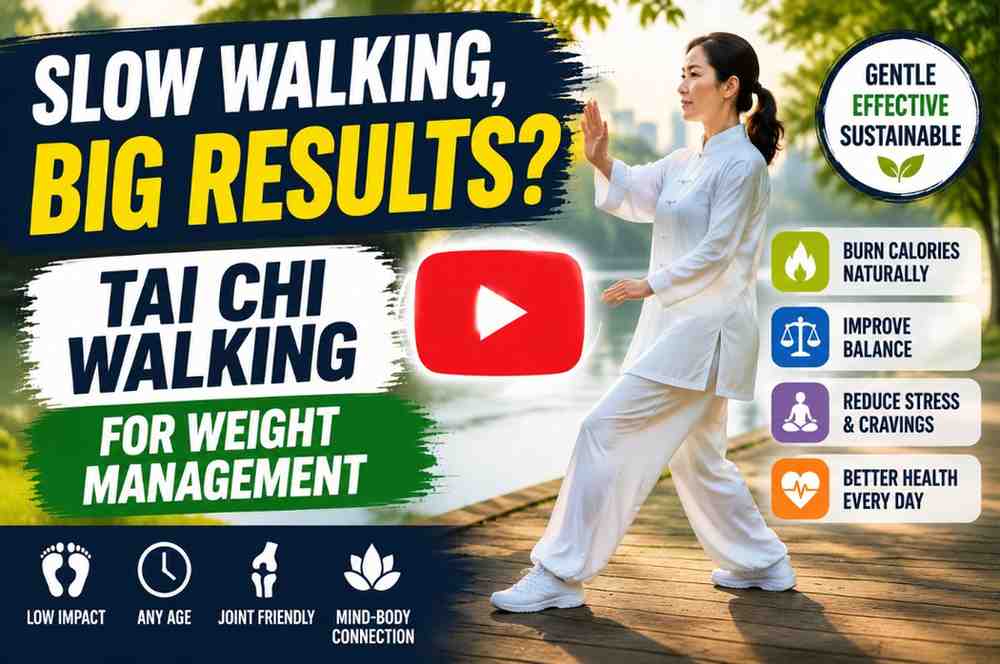
How to Practice Tai Chi Walking for Weight Loss
Starting tai chi walking does not require expensive equipment or a gym membership. Most people can practice in a comfortable open space.
Step 1: Begin With Proper Posture
Stand comfortably with:
- Feet shoulder-width apart
- Relaxed shoulders
- Straight but natural spine
- Slightly bent knees
Focus on feeling balanced before beginning movement.
Step 2: Practice Slow Weight Shifting
Tai chi walking involves carefully transferring weight from one leg to another.
Move slowly and avoid rushing.
Pay attention to how your feet connect with the ground.
Step 3: Coordinate Breathing With Movement
Deep, steady breathing is an important part of tai chi.
Try to maintain calm breathing while moving.
This helps create a relaxed rhythm.
Step 4: Build a Regular Routine
Consistency matters more than intensity.
Beginners may start with:
- 10–15 minutes daily
- Several sessions each week
- Gradually increasing duration
Over time, tai chi walking can become part of a healthy lifestyle routine.
How Long Does Tai Chi Walking Take to Show Results?
The results from tai chi walking vary depending on factors such as:
- Diet habits
- Practice frequency
- Starting weight
- Overall activity level
- Lifestyle choices
Some people may notice improvements in balance, relaxation, and mobility within weeks.
Weight-related changes generally require consistent habits over a longer period.
Tai chi walking should be viewed as a supportive lifestyle activity rather than a quick weight-loss solution.
Combining regular movement with balanced nutrition, proper sleep, and healthy habits can provide better long-term results.
Who Can Benefit From Tai Chi Walking?
Tai chi walking may be helpful for people who want a gentle movement practice.
It may be suitable for:
- Older adults looking to improve mobility
- Beginners starting an exercise routine
- People who prefer low-impact workouts
- Individuals seeking stress-relieving activities
- Those wanting to increase daily movement
However, anyone with medical concerns should speak with a healthcare professional before starting a new exercise routine.
Tips to Get Better Results From Tai Chi Walking
To support weight management goals, consider combining tai chi walking with other healthy habits.
Maintain Balanced Nutrition
Physical activity works best when combined with nutritious food choices.
Focus on:
- Protein-rich foods
- Vegetables and fruits
- Whole grains
- Adequate hydration
Increase Daily Movement
Tai chi walking can be combined with other activities such as:
- Regular walking
- Stretching
- Strength exercises
- Household movement
Small increases in daily activity can support overall wellness.
Stay Consistent
The biggest advantage of tai chi walking is sustainability.
A simple routine practiced regularly may provide more benefits than an intense workout performed occasionally.
Final Verdict: Is Tai Chi Walking Good for Weight Loss?
Tai chi walking can be a valuable addition to a healthy weight management routine. While it may not create rapid calorie burning like intense workouts, it supports important factors connected with long-term wellness.
By encouraging regular movement, improving balance, supporting relaxation, and promoting mindfulness, tai chi walking helps create healthier daily habits.
For individuals looking for a gentle, enjoyable, and sustainable way to stay active, tai chi walking for weight loss may be worth considering.
The most effective approach to weight management combines consistent physical activity, nutritious eating habits, stress management, and realistic lifestyle changes.
Tai chi walking is not a shortcut, but it can be a meaningful step toward a healthier and more active lifestyle.
References
.
About Us