
Prostate health becomes more important with age, especially after 40. Many men experience frequent urination, a weak urine stream, difficulty emptying the bladder, or waking at night to urinate.
These symptoms are commonly associated with benign prostatic hyperplasia (BPH), also known as an enlarged prostate.
Pumpkin seed oil and Japanese saw palmetto are two of the most researched natural ingredients for prostate support.
Studies suggest they may help maintain healthy urinary function and support normal prostate health as part of a balanced lifestyle.
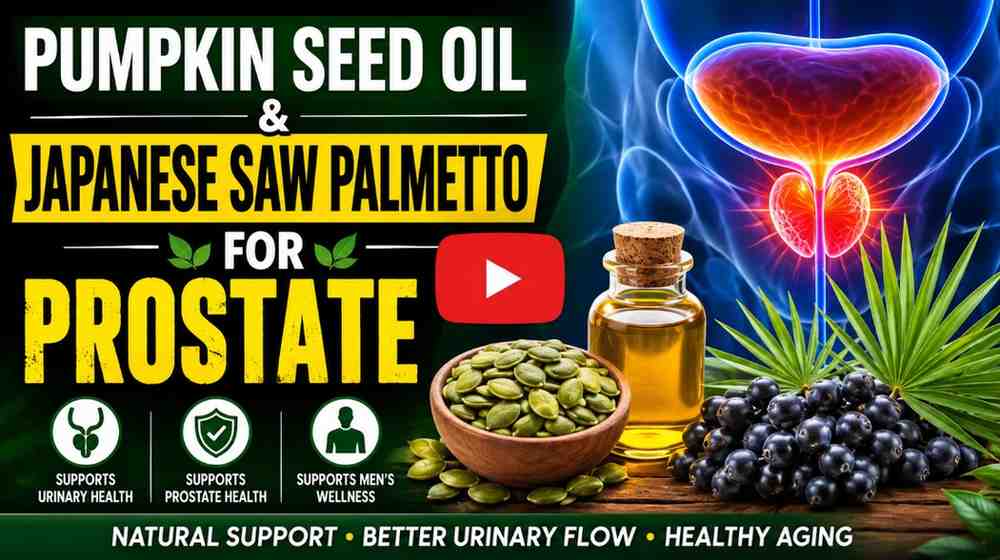

This article explores how pumpkin seed oil and Japanese saw palmetto work, what current scientific research says, and why they are commonly used together as part of a comprehensive prostate wellness routine.
Understanding the Prostate and Its Importance
The prostate is a walnut-sized gland that is part of the male reproductive system. It is located just below the bladder and surrounds the upper portion of the urethra, the tube responsible for carrying urine out of the body.
The prostate produces a fluid that forms part of semen. This fluid helps nourish and protect sperm, supporting male fertility. During younger adulthood, the prostate usually remains relatively small and functions without causing noticeable problems.
As men age, however, hormonal changes may cause the prostate to gradually increase in size. This enlargement can place pressure on the urethra, making it more difficult for urine to pass freely.
Over time, this pressure can lead to a variety of urinary symptoms that affect daily activities and sleep quality.
Maintaining prostate health is important not only for urinary function but also for overall well-being. Early attention to prostate health may help men manage age-related changes more effectively.
What Is Benign Prostatic Hyperplasia (BPH)?
Benign prostatic hyperplasia, commonly known as BPH, is one of the most common prostate conditions affecting older men. The term “benign” means the enlargement is not cancerous, while “hyperplasia” refers to an increase in the number of cells within the prostate.
BPH becomes more common with age. Medical research estimates that approximately half of men over 50 experience some degree of prostate enlargement, and the percentage continues to increase as men grow older.
An enlarged prostate does not always produce symptoms. Some men experience only mild urinary changes, while others develop symptoms that significantly interfere with their daily lives.
Because BPH and prostate cancer may produce similar urinary symptoms, proper medical evaluation is essential whenever new urinary problems develop.
Common Symptoms of an Enlarged Prostate
The symptoms of BPH usually develop gradually over several years. Many men initially dismiss these changes as a normal part of aging, but persistent symptoms should always be discussed with a healthcare provider.
Common symptoms include:
- Frequent urination during the day
- Increased nighttime urination (nocturia)
- Difficulty beginning urination
- Weak or slow urine stream
- Interrupted urine flow
- Dribbling after urination
- Sudden urge to urinate
- Feeling that the bladder has not emptied completely
These symptoms can affect sleep quality, reduce productivity, and limit social activities. While BPH is one possible cause, infections, bladder disorders, neurological conditions, and prostate cancer can produce similar symptoms.
Why Does the Prostate Become Enlarged?
Researchers continue studying the exact causes of BPH, but several factors appear to contribute to prostate enlargement.
➢ Age-Related Hormonal Changes
Growing older remains the strongest risk factor. As testosterone levels gradually change with age, other hormones continue influencing prostate tissue. These hormonal shifts may encourage additional cell growth within the gland.
➢ Dihydrotestosterone (DHT)
DHT is produced when testosterone is converted by an enzyme called 5-alpha reductase. Although DHT plays an important role during male development, excessive activity within prostate tissue may contribute to enlargement over time.
This is one reason why many natural prostate support ingredients are studied for their potential influence on DHT metabolism.
➢ Chronic Inflammation
Researchers also believe chronic low-grade inflammation may contribute to changes in prostate tissue. Maintaining a healthy lifestyle that supports normal inflammatory balance may benefit overall prostate health.
➢ Genetics
Family history plays an important role. Men with close relatives who experienced prostate enlargement are more likely to develop similar age-related changes.
➢ Lifestyle Factors
Several everyday habits may influence prostate and urinary health, including excess body weight, lack of physical activity, poor diet, smoking, excessive alcohol intake, and chronic stress.
Although these factors do not directly cause BPH, improving overall health may help support normal urinary function.
What Is Pumpkin Seed Oil?
Pumpkin seed oil is extracted from specially grown pumpkin seeds and has been used for centuries in several European and Asian countries.
Unlike pumpkin flesh, the seeds contain concentrated amounts of beneficial fatty acids, antioxidants, plant sterols, vitamins, and minerals.
Today, pumpkin seed oil has become one of the most popular natural ingredients used in prostate health supplements because of its nutritional composition and encouraging research findings.
The oil contains naturally occurring compounds that may help support healthy prostate tissue, maintain normal bladder function, and promote urinary comfort.
Rather than acting through a single pathway, pumpkin seed oil provides a combination of nutrients that work together to support overall wellness.
Key Nutrients Found in Pumpkin Seed Oil
Pumpkin seed oil naturally contains:
- Essential omega fatty acids
- Phytosterols
- Vitamin E compounds
- Carotenoids
- Polyphenols
- Zinc
- Magnesium
- Selenium
These nutrients contribute to the oil’s growing reputation as a valuable ingredient for healthy aging.

How Pumpkin Seed Oil May Support Prostate Health
Researchers have investigated several ways pumpkin seed oil may support prostate wellness.
One of its most recognized benefits is supporting normal urinary function.
Clinical studies have reported improvements in urinary symptom scores among some men using pumpkin seed oil consistently over several months. Participants often experienced fewer nighttime bathroom visits and greater comfort while urinating.
Pumpkin seed oil is also valued for its antioxidant properties. Free radicals naturally accumulate in the body during aging, and antioxidants help protect healthy cells from oxidative stress.
Maintaining healthy cells throughout the body supports long-term wellness, including prostate health.
Another important area of research involves healthy inflammatory balance. Pumpkin seed oil contains naturally occurring plant compounds that researchers believe may help support the body’s normal inflammatory responses.
While inflammation is a normal biological process, maintaining healthy balance becomes increasingly important with age.
Some studies also suggest pumpkin seed oil may support normal bladder muscle function. Healthy bladder function contributes to better urinary control and may reduce the feeling of incomplete bladder emptying.
Although additional large-scale research is still needed, pumpkin seed oil remains one of the most promising nutritional ingredients for men seeking natural prostate support.
What Is Japanese Saw Palmetto?
Saw palmetto is a small palm tree native to the southeastern United States. Its berries have been used traditionally for generations to support male urinary and reproductive health.
Japanese saw palmetto generally refers to standardized, high-quality saw palmetto extracts produced under strict quality control.
Standardization helps ensure the final extract contains consistent levels of naturally occurring fatty acids and plant sterols, allowing for greater reliability between batches.
Saw palmetto has become one of the most extensively researched botanical ingredients for prostate health. It is widely included in dietary supplements formulated to support urinary comfort and healthy prostate function.
Unlike medications designed to rapidly change hormone activity, saw palmetto provides naturally occurring plant compounds that researchers continue studying for their potential influence on prostate biology.
Natural Compounds Found in Saw Palmetto
The berries naturally contain:
- Free fatty acids
- Plant sterols
- Flavonoids
- Polysaccharides
- Natural oils
- Phenolic compounds
Scientists believe these compounds work together to provide the botanical’s potential health-supporting properties.
How Japanese Saw Palmetto May Support the Prostate
The most studied mechanism involves maintaining healthy activity of the enzyme known as 5-alpha reductase. This enzyme converts testosterone into dihydrotestosterone (DHT), a hormone associated with prostate growth throughout adulthood.
Laboratory research suggests saw palmetto may help support normal DHT metabolism. Researchers also continue exploring its possible role in supporting healthy inflammatory responses and smooth muscle function surrounding the urinary tract.
Unlike fast-acting medications, botanical ingredients generally require consistent daily use over several weeks or months before noticeable improvements may occur. Individual responses vary, and results depend on overall health, lifestyle, age, and symptom severity.
The next section explores why pumpkin seed oil and Japanese saw palmetto are often combined, reviews the latest clinical research, discusses safety considerations, lifestyle recommendations, and explains how to choose a high-quality prostate support supplement.

Why Pumpkin Seed Oil and Japanese Saw Palmetto Are Used Together
Pumpkin seed oil and Japanese saw palmetto are often combined because they may support prostate health through different but complementary mechanisms.
Instead of relying on a single ingredient, many prostate health formulas include both botanicals to provide broader nutritional support.
Pumpkin seed oil is valued for its healthy fatty acids, antioxidants, phytosterols, and essential minerals. These nutrients help support normal cellular function and may contribute to healthy bladder and urinary function.
Japanese saw palmetto, on the other hand, has been extensively studied for its potential role in maintaining healthy hormone metabolism, particularly the activity of the enzyme involved in converting testosterone into dihydrotestosterone (DHT).
When these ingredients are combined, they provide support for several areas associated with prostate wellness, including urinary comfort, healthy prostate tissue, antioxidant protection, and normal hormone balance.
Although research is ongoing, this combination has become one of the most popular natural approaches for men looking to maintain prostate health as they age.
It is important to remember that these ingredients are intended to support normal body function. They should not be viewed as treatments or cures for prostate disease, and they should never replace medical advice when symptoms are persistent or severe.
What Does Scientific Research Say?
Both pumpkin seed oil and saw palmetto have been investigated in numerous laboratory studies, observational studies, and clinical trials. While the overall evidence continues to evolve, several findings are encouraging.
Research involving pumpkin seed oil has shown that consistent supplementation may improve urinary symptom scores in some men with mild to moderate benign prostatic hyperplasia.
Several participants reported improvements in nighttime urination, urinary flow, and overall quality of life after regular use.
Scientists believe these improvements may be related to the oil’s naturally occurring phytosterols, essential fatty acids, antioxidants, and other plant compounds that help support normal prostate function.
Saw palmetto has been studied even more extensively. Some clinical trials have reported modest improvements in urinary symptoms, including reduced urinary frequency, improved urine flow, and decreased nighttime urination. Other studies have found little difference compared with placebo.
These mixed findings do not necessarily mean the ingredient is ineffective. Differences in extraction methods, dosage, treatment duration, participant age, symptom severity, and study design all influence research outcomes.
Standardized extracts manufactured under strict quality standards generally provide more consistent compositions for scientific evaluation.
Current research suggests that some men may experience meaningful improvements, while others may notice little change. This variation is common with many botanical ingredients and highlights the importance of realistic expectations.
Researchers continue studying whether combining pumpkin seed oil with standardized saw palmetto extracts produces greater benefits than using either ingredient alone.
Potential Benefits of Pumpkin Seed Oil and Japanese Saw Palmetto
Although research continues, these ingredients are commonly used to support several aspects of prostate and urinary health.
➢ Supports Healthy Urinary Function
One of the primary reasons men choose these ingredients is to help maintain comfortable urinary function. Healthy urine flow plays an important role in daily comfort and quality of life, particularly as men age.
➢ May Reduce Nighttime Urination
Frequent nighttime bathroom visits are among the most frustrating symptoms associated with prostate enlargement. Some clinical studies have reported fewer nighttime awakenings following consistent use of pumpkin seed oil or saw palmetto.
➢ Supports Normal Urine Flow
Maintaining a healthy urinary stream contributes to more complete bladder emptying and greater comfort during urination.
➢ Provides Antioxidant Protection
Pumpkin seed oil contains natural antioxidants that help protect healthy cells from oxidative stress. Supporting cellular health is an important part of healthy aging.
➢ Supports Healthy Hormone Balance
Saw palmetto has been researched for its possible role in supporting normal DHT metabolism. Maintaining healthy hormone activity is one area of interest in prostate wellness research.
➢ Supports Bladder Health
Healthy bladder function contributes to normal urinary control and may reduce the feeling of incomplete emptying after urination.
➢ Supports Healthy Aging
Combined with a nutritious diet and active lifestyle, these botanical ingredients may contribute to long-term male wellness by supporting several biological systems associated with healthy aging.
Who May Benefit from These Ingredients?
Pumpkin seed oil and Japanese saw palmetto may be suitable for adult men who want nutritional support for maintaining prostate health.
They are commonly used by men who:
- Experience mild age-related urinary changes.
- Wake frequently during the night to urinate.
- Want to maintain normal urinary comfort.
- Are interested in plant-based wellness solutions.
- Wish to support healthy prostate function as part of a balanced lifestyle.
These ingredients are not intended for children or women unless specifically recommended by a healthcare professional.
Safety and Possible Side Effects
Both pumpkin seed oil and standardized saw palmetto extracts are generally considered well tolerated when used according to product directions.
Reported side effects are usually mild and may include:
- Mild stomach discomfort
- Temporary digestive upset
- Headache
- Nausea
- Occasional dizziness
Taking supplements with meals may help reduce stomach discomfort for some individuals.
Although serious reactions are uncommon, anyone experiencing allergic symptoms should discontinue use immediately and seek medical attention.
Men taking prescription medications for prostate conditions, blood thinners, hormone-related treatments, or other chronic medical conditions should consult their healthcare provider before starting any new supplement.
How Long Before Results May Be Noticed?
Natural ingredients generally require patience and consistency.
Unlike prescription medications that may provide faster symptom relief, botanical supplements often work gradually over several weeks or months.
Many clinical studies evaluating pumpkin seed oil and saw palmetto lasted between two and six months. Some individuals reported noticeable improvements within several weeks, while others required longer periods of consistent use.
Results depend on many factors, including age, overall health, diet, physical activity, symptom severity, product quality, and adherence to the recommended dosage.
Maintaining realistic expectations is important when using natural health products.
Choosing a Quality Supplement
Not all supplements provide the same quality.
When comparing products, look for manufacturers that follow Good Manufacturing Practices (GMP) and clearly list ingredient amounts on the label.
Standardized saw palmetto extracts are generally preferred because they contain consistent levels of naturally occurring fatty acids and plant sterols.
Products that undergo third-party quality testing provide additional reassurance regarding purity and manufacturing standards.
Avoid supplements making unrealistic promises such as permanently shrinking the prostate, curing benign prostatic hyperplasia, or replacing medical treatment.
Trustworthy manufacturers describe their products as supporting normal prostate health rather than guaranteeing specific outcomes.
Lifestyle Habits That Support Prostate Health
Supplements work best when combined with healthy daily habits.
Eating a balanced diet rich in vegetables, fruits, whole grains, nuts, seeds, and healthy fats provides nutrients that support overall wellness. Tomatoes, berries, leafy greens, pumpkin seeds, and fatty fish are commonly included in prostate-friendly eating patterns.
Regular physical activity supports healthy circulation, body weight, metabolism, and hormone balance. Walking, cycling, swimming, and strength training all contribute to healthy aging.
Maintaining a healthy weight may reduce the likelihood of developing more severe urinary symptoms.
Limiting excessive caffeine and alcohol may improve urinary comfort, particularly in the evening.
Staying hydrated throughout the day remains important, although reducing fluid intake shortly before bedtime may help decrease nighttime urination for some individuals.
Getting adequate sleep and managing stress through relaxation techniques, meditation, or deep breathing exercises also contribute to overall health and well-being.
When Should You See a Healthcare Provider?
Natural supplements should never delay proper medical evaluation.
Because urinary symptoms may have many different causes, including infections and prostate cancer, professional diagnosis remains essential.
Seek medical attention if you experience:
- Blood in the urine
- Pain during urination
- Fever or chills
- Persistent pelvic pain
- Sudden inability to urinate
- Severe lower back pain
- Rapid worsening of urinary symptoms
- Unexplained weight loss
Routine prostate examinations become increasingly important as men age. Early evaluation allows healthcare providers to identify the underlying cause of symptoms and recommend the most appropriate management plan.
Conclusion
Pumpkin seed oil and Japanese saw palmetto have become two of the most widely recognized natural ingredients for supporting prostate and urinary health.
Their long history of traditional use, combined with growing scientific interest, has made them popular choices among men seeking nutritional support for healthy aging.
Pumpkin seed oil provides valuable antioxidants, essential fatty acids, phytosterols, and minerals that help support normal cellular function and urinary wellness.
Japanese saw palmetto has been extensively researched for its potential role in maintaining healthy hormone metabolism and supporting normal prostate function.
Although scientific findings remain mixed, many clinical studies suggest these botanical ingredients may help improve urinary comfort and quality of life in some men with mild lower urinary tract symptoms.
Individual results vary, and they should not be considered cures for benign prostatic hyperplasia or other prostate conditions.
The best approach to long-term prostate health combines evidence-informed supplementation with regular exercise, a nutritious diet, healthy weight management, adequate hydration, quality sleep, and routine medical checkups.
Men experiencing persistent or worsening urinary symptoms should always consult a qualified healthcare professional for proper evaluation and personalized guidance.
References
.
About Us
