Cost of GLP-1 Without Insurance (2026): Complete Patient Guide
GLP-1 receptor agonists have quickly become some of the most talked-about medications in modern healthcare.
Known for their powerful effects on weight management, blood sugar control, and metabolic health, these treatments are now widely used for type 2 diabetes and obesity management.
For many individuals in the United States, GLP-1 drugs such as semaglutide and tirzepatide are not just expensive; they can be financially overwhelming.
Even though newer formulations and increased competition have slightly improved access, retail pricing is still extremely high compared to most chronic medications.
This guide explains the real cost of GLP-1 medications without insurance in 2026, why pricing varies so widely, and what options patients have to reduce their out-of-pocket expenses.
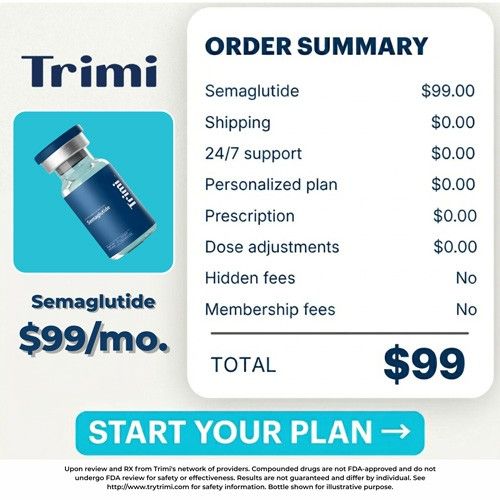
Cost of GLP-1 medications without insurance refers to the out-of-pocket price patients pay, which varies by medication, pharmacy, and available savings programs.
Understanding GLP-1 Medications and Why They’re Expensive
GLP-1 receptor agonists are prescription medications originally developed for type 2 diabetes but now widely used for weight management and metabolic health. Popular examples include:
- Semaglutide-based medications (like Ozempic and Wegovy)
- Tirzepatide-based medications (like Mounjaro and Zepbound)
These drugs work by mimicking hormones that regulate appetite, insulin response, and digestion, leading to reduced hunger and improved blood sugar control.
The high cost comes from several factors:
- Complex biologic drug manufacturing
- Patent protection limiting competition
- High demand and limited supply
- Brand-name pricing strategies
- Lack of widespread insurance coverage for weight loss use
Because of these factors, GLP-1 medications remain among the most expensive prescription therapies in the U.S. healthcare system.
What Are GLP-1 Medications?
GLP-1 receptor agonists are prescription medications designed to mimic a natural hormone in the body that helps regulate blood sugar, appetite, and digestion.
They are commonly prescribed for:
- Type 2 diabetes management
- Chronic weight management
- Metabolic health improvement
Popular GLP-1 medications include:
- Semaglutide-based drugs (Ozempic, Wegovy, Rybelsus)
- Tirzepatide-based drugs (Mounjaro, Zepbound)
These medications are highly effective but come at a premium price due to advanced biologic manufacturing and strong demand in the healthcare market.
Average Cost of GLP-1 Without Insurance in 2026
Without insurance coverage, most patients face three main pricing tiers:
1. Retail Pharmacy Pricing (Full Cost)
This is the highest and most common out-of-pocket price:
- Wegovy: $1,300–$1,350/month
- Ozempic: $950–$1,000/month
- Mounjaro: $1,000–$1,100/month
- Zepbound: $1,050–$1,100/month
- Saxenda: $1,300+ per month
At this level, annual costs can exceed $12,000–$17,000 per year.
2. Manufacturer Cash-Pay Programs
Pharmaceutical companies now offer direct pricing options to improve affordability:
- Wegovy: ~$199–$349/month (select doses)
- Zepbound: ~$299–$449/month
- Oral GLP-1 options: ~$149–$300/month
These programs significantly reduce costs compared to retail pharmacy pricing.
3. Telehealth & Compounded Alternatives
Some patients access GLP-1–type medications through online providers:
- Compounded semaglutide: $200–$400/month
- Compounded tirzepatide: $199–$350/month
These options may be more affordable but vary in formulation and regulatory oversight.
Why GLP-1 Prices Are So High Without Insurance
Several key factors explain the high cost of GLP-1 drugs:
1. Advanced Drug Manufacturing
GLP-1 medications are complex biologic therapies, requiring expensive production processes and strict quality control.
2. Patent Protection
Brand-name manufacturers hold exclusive rights, limiting competition and keeping prices high.
3. High Demand and Limited Supply
Global demand for weight-loss medications has surged dramatically in recent years.
4. Insurance Restrictions
Many insurance plans still limit coverage to diabetes treatment, excluding weight loss use.
Cost Breakdown by Popular GLP-1 Brands (2026)
1. Semaglutide-Based Medications
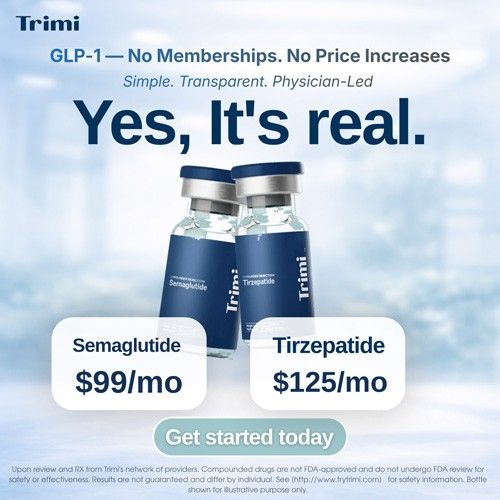
Semaglutide remains one of the most widely prescribed GLP-1 drugs.
Examples:
- Ozempic (diabetes)
- Wegovy (weight management)
Without insurance cost:
- $950 – $1,400/month
Semaglutide is expensive due to strong demand, long clinical track record, and brand dominance.
2. Tirzepatide-Based Medications
Tirzepatide is a newer dual-action medication and is often priced at a premium.
Examples:
- Mounjaro (diabetes)
- Zepbound (weight loss)
Without insurance cost:
- $1,050 – $1,650/month
Despite being newer, its superior weight-loss outcomes have increased demand, keeping prices high.
3. Liraglutide-Based Medications
Liraglutide is an older GLP-1 option and is slightly more affordable but still costly.
Examples:
- Saxenda
- Victoza
Without insurance cost:
- $800 – $1,200/month
While still expensive, it is often considered a more “budget-friendly” GLP-1 option.
Cheapest Ways to Get GLP-1 Without Insurance
Patients in 2026 use several strategies to reduce costs:
Manufacturer Direct Programs
These programs allow patients to buy directly from pharmaceutical companies.
Benefits:
- Lower monthly pricing
- FDA-approved medications
- Direct delivery options
Telehealth Clinics
Online medical providers now bundle prescription, consultation, and medication delivery.
Typical cost:
- $149–$299/month
This is one of the fastest-growing access methods in 2026.
Discount Programs
Pharmacy savings cards and coupons can reduce costs significantly depending on eligibility.
Savings range:
- $50–$500/month
Compounded Medications
Compounding pharmacies offer lower-cost versions of GLP-1 drugs.
Pros:
- Lower monthly cost
- Flexible dosing options
Cons:
- Variable regulation
- Not identical to branded formulations
GLP-1 Cost Comparison Without Insurance (2026 Overview)
| Medication Type | Brand Examples | Monthly Cost (No Insurance) |
|---|---|---|
| Semaglutide | Ozempic, Wegovy | $950 – $1,400 |
| Tirzepatide | Mounjaro, Zepbound | $1,050 – $1,650 |
| Liraglutide | Saxenda, Victoza | $800 – $1,200 |
Hidden Costs Patients Should Expect
Even when medication is discounted, additional expenses may apply:
- Initial doctor consultation fees
- Lab tests and metabolic screening
- Follow-up visits or coaching programs
- Shipping or pharmacy fees
These can add $50–$150 per month, depending on the provider.
Annual Cost Comparison Without Insurance
Here is what most patients realistically spend in 2026:
- Retail pharmacy pricing: $12,000–$17,000 per year
- Manufacturer programs: $2,400–$4,800 per year
- Compounded alternatives: $1,800–$4,200 per year
The difference shows why choosing the right access pathway is critical.
Why Demand Keeps Driving Prices Higher in 2026
GLP-1 medications are no longer niche diabetes treatments—they are now widely used for weight loss and metabolic health.
Key demand drivers include:
- Rising obesity rates in the U.S.
- Strong clinical results in weight reduction
- Social media influence and public awareness
- Expansion into preventive cardiometabolic care
This increased demand has made GLP-1 one of the most financially impactful drug categories in modern medicine.
Ways to Reduce GLP-1 Costs Without Insurance
Even though prices are high, patients in 2026 have more options than before.
1. Manufacturer Savings Programs
Some brands offer discount cards or eligibility-based savings.
2. Telehealth Subscription Plans
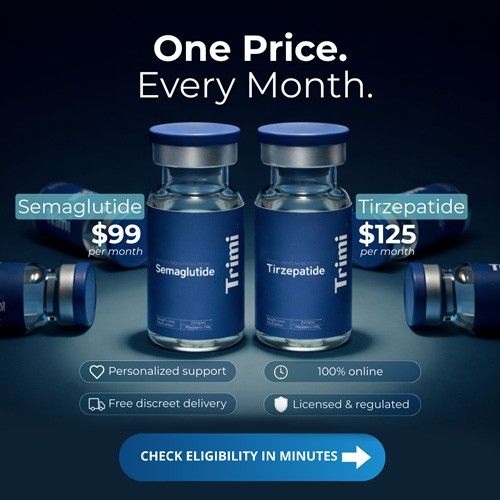
Online clinics often bundle medication with lower-cost monthly plans.
3. Pharmacy Discount Programs
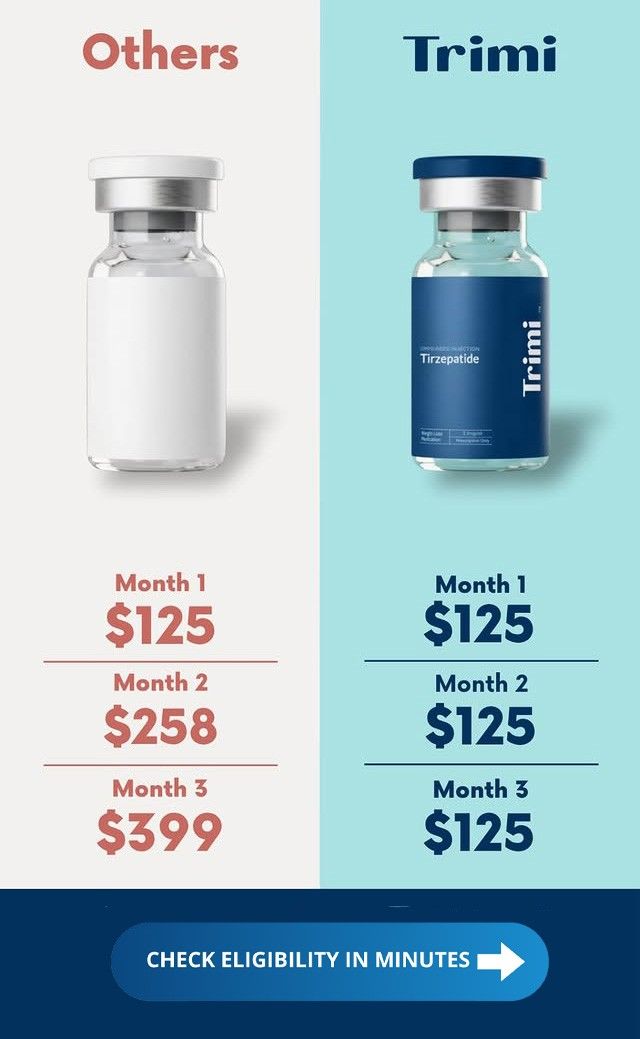
Independent discount programs can sometimes reduce costs by 10–30%.
4. Switching Between GLP-1 Options
In some cases, switching between medications (under medical supervision) can reduce costs.
5. Higher-Dose Efficiency Strategy
Some patients (under physician guidance) adjust dosing schedules to reduce monthly usage.
Are GLP-1 Medications Becoming More Affordable?
There is cautious optimism in the healthcare industry that GLP-1 pricing may gradually improve due to:
- Increased competition between drug manufacturers
- Expansion of production capacity
- Potential future generic versions (still years away for most drugs)
- Insurance coverage expansion for obesity treatment
However, in 2026, affordability remains a major challenge for uninsured patients.
Who Pays the Most for GLP-1 Without Insurance?
Patients most affected by high GLP-1 costs include:
- Individuals without employer insurance
- Early retirees not yet on Medicare coverage
- Self-employed individuals
- Patients in high-deductible health plans
- Those using GLP-1 for weight loss (not diabetes)
Is GLP-1 Worth It Without Insurance?
This depends on personal health goals and financial situation.
For many patients, GLP-1 medications offer:
- Significant weight reduction
- Improved blood sugar control
- Reduced appetite and cravings
- Better long-term metabolic health outcomes
However, the financial burden can be substantial without insurance coverage.
A realistic evaluation should include:
- Monthly affordability
- Long-term treatment commitment
- Lifestyle and dietary changes required alongside medication
Future Outlook: GLP-1 Pricing Beyond 2026
Experts expect gradual changes in the coming years:
Possible trends:
- Slight price stabilization as competition increases
- Expanded insurance coverage for obesity treatment
- New combination therapies entering the market
- Early-stage biosimilars in development
Still, major price drops are unlikely in the immediate term due to ongoing patent protections.
Conclusion
The cost of GLP-1 without insurance in 2026 remains one of the biggest barriers to access for patients who could benefit from these medications. With monthly prices ranging from $800 to over $1,600, long-term treatment can be financially challenging.
However, GLP-1 therapies continue to transform diabetes and weight management care, offering meaningful health improvements for millions of people.
For uninsured patients, understanding pricing variations, exploring savings programs, and working closely with healthcare providers can help make these treatments more accessible.
Ultimately, while GLP-1 medications are expensive today, they represent one of the most important advancements in metabolic health—and pricing may evolve as competition and innovation continue to grow.
References
https://en.wikipedia.org/wiki/Semaglutide
https://www.healthline.com/health/ozempic-for-weight-loss
https://www.webmd.com/obesity/what-are-glp-1-agonists