What Happens to Your Memory and Focus When You Have Chronic Inflammation
What Happens to Your Memory and Focus When You Have Chronic Inflammation
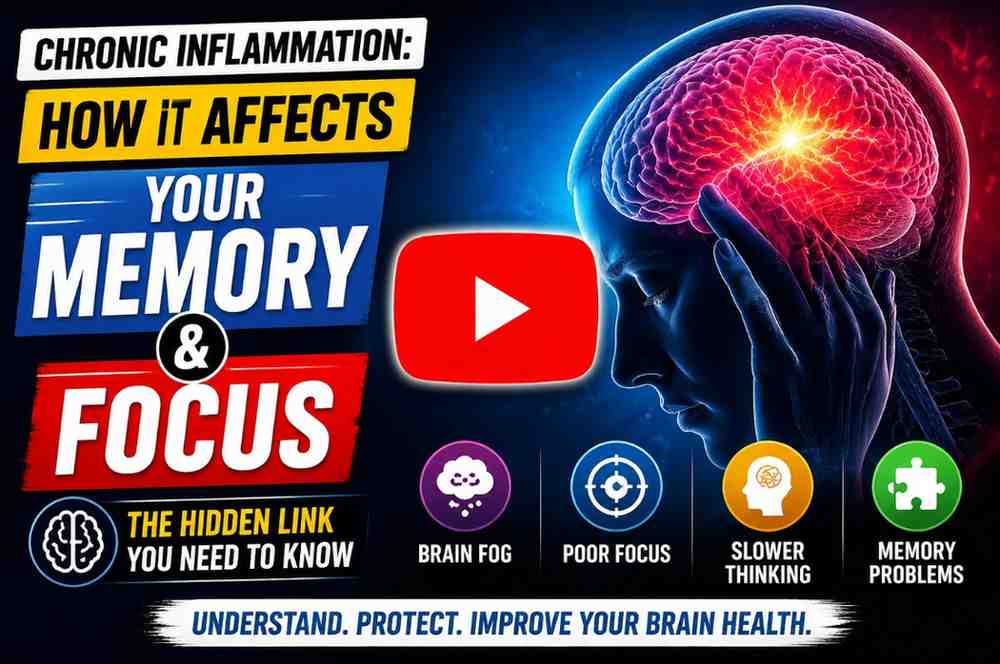
Chronic inflammation is increasingly recognized as one of the most important hidden drivers of cognitive decline, brain fog, and reduced mental performance.
While inflammation is a natural and necessary immune response, it becomes harmful when it persists for months or years.
Over time, this prolonged inflammatory state can affect how your brain processes information, stores memories, and maintains focus.
In this blog, we’ll explore how chronic inflammation affects memory and focus, what happens in the brain at a biological level, and how lifestyle and health choices may influence long-term cognitive health.


Understanding Chronic Inflammation and the Brain
Inflammation is your body’s defense system against injury, infection, or harmful stimuli. In the short term, it helps healing.
But when inflammation becomes chronic, it no longer protects the body—it begins to damage healthy tissues, including brain structures.
In the brain, this condition is known as neuroinflammation, where immune activity becomes overactive in neural tissue.
This can disrupt communication between brain cells and affect regions responsible for memory, attention, and decision-making.
Unlike acute inflammation, which resolves quickly, chronic inflammation can quietly persist for years, gradually affecting cognitive performance without obvious early warning signs.
How Chronic Inflammation Affects Memory
Memory depends on a well-functioning hippocampus—the brain’s memory center. Chronic inflammation interferes with this system in several ways:
1. Disruption of Brain Cell Communication
- Inflammatory chemicals called cytokines can interfere with neuron signaling. When signals between neurons become weak or distorted, the brain struggles to encode and retrieve memories.
2. Damage to Hippocampal Function
- Long-term inflammation may impair the hippocampus, reducing its ability to form new memories and recall existing ones. Over time, this contributes to forgetfulness and memory lapses.
3. Reduced Neuroplasticity
- Neuroplasticity is the brain’s ability to adapt and form new connections. Chronic inflammation limits this flexibility, making it harder to learn new information or retain it efficiently.
4. Increased Risk of Cognitive Decline
- Research shows that persistent inflammation is associated with conditions like mild cognitive impairment and Alzheimer’s disease, where memory loss becomes progressively worse over time.
The Impact on Focus and Attention
Focus and attention rely on multiple brain networks working together efficiently. Chronic inflammation disrupts these networks, leading to what many people describe as “brain fog.”
Common Focus-Related Effects:
- Difficulty concentrating on tasks
- Reduced mental clarity
- Slower thinking and processing speed
- Trouble multitasking
- Easily distracted thinking patterns
These symptoms occur because inflammation affects neurotransmitters like dopamine and serotonin, which regulate attention, motivation, and alertness.
Additionally, inflammatory signals can alter the brain’s energy metabolism, making mental tasks feel more exhausting than usual.
Brain Fog: The Most Common Symptom
One of the earliest and most noticeable signs of chronic brain inflammation is brain fog.
Brain fog is not a medical diagnosis but a collection of symptoms that include:
- Mental fatigue
- Confusion or “cloudy thinking”
- Poor concentration
- Forgetfulness
Studies suggest that inflammatory molecules can trigger this state by altering brain cell activity and increasing “noise” in neural communication, making it harder for the brain to focus clearly.
What Happens Inside the Brain During Chronic Inflammation?
To understand cognitive symptoms, it’s important to look at what is happening at a biological level:
1. Microglial Activation
- Microglia are the brain’s immune cells. When inflammation becomes chronic, they remain activated for too long, releasing inflammatory substances that can damage neurons.
2. Blood–Brain Barrier Disruption
- The blood–brain barrier normally protects the brain from harmful substances in the bloodstream. Chronic inflammation can weaken this barrier, allowing inflammatory molecules to enter the brain more easily.
3. Oxidative Stress
- Inflammation increases oxidative stress, which damages brain cells and reduces their efficiency in transmitting signals.
4. Synaptic Dysfunction
- Synapses are connections between neurons. Chronic inflammation weakens these connections, reducing learning speed, memory strength, and attention control.
Long-Term Effects on Cognitive Health
If chronic inflammation goes unchecked, its impact on memory and focus can worsen over time.
Possible Long-Term Outcomes:
- Persistent memory decline
- Reduced problem-solving ability
- Difficulty learning new skills
- Increased risk of dementia
- Greater vulnerability to mental fatigue
Older adults are more commonly affected, but research shows that younger individuals with high inflammation levels can also experience cognitive changes.
Mental Health and Emotional Effects
Chronic inflammation does not only affects memory and focus, but it also influences emotional regulation.
Inflammatory cytokines can:
- Increase anxiety levels
- Contribute to depressive symptoms
- Affects emotional stability
- Reduce stress tolerance
These emotional changes can further impair cognitive performance, creating a cycle in which poor mood and poor focus reinforce each other.
Who Is Most at Risk?
Several factors can increase the risk of chronic inflammation affecting brain health:
- Poor diet high in processed foods and sugar
- Lack of physical activity
- Chronic stress
- Obesity or metabolic disorders
- Poor sleep quality
- Long-term infections or autoimmune conditions
Even lifestyle habits like irregular sleep schedules or sedentary behavior can contribute to ongoing inflammation.
Can Memory and Focus Recover?
The good news is that in many cases, the cognitive effects of inflammation are not permanent. When inflammation is reduced, the brain often regains some level of clarity and function.
Recovery depends on:
- Duration of inflammation
- Severity of underlying health conditions
- Lifestyle improvements
- Medical treatment when necessary
Early intervention offers the best chance for improving memory and focus.
Supporting Brain Health Naturally
While medical guidance is essential in chronic conditions, several lifestyle strategies are known to help reduce inflammation and support cognitive function:
1. Anti-Inflammatory Nutrition
A diet rich in whole foods, fruits, vegetables, omega-3 fatty acids, and antioxidants may help reduce inflammatory load.
2. Regular Physical Activity
Exercise helps regulate immune function and improves blood flow to the brain.
3. Quality Sleep
Sleep is essential for brain detoxification and memory consolidation.
4. Stress Management
Chronic stress is a major driver of inflammation, so relaxation techniques like meditation or breathing exercises can help.
5. Gut Health Support
A healthy gut microbiome plays a key role in regulating inflammation and brain health.
When to Seek Medical Advice
If symptoms like memory loss, brain fog, or concentration problems persist for an extended period, it is important to consult a healthcare professional. Chronic inflammation can sometimes be linked to underlying conditions that require medical treatment.
Final Thoughts
Chronic inflammation is more than just a physical health concern—it is deeply connected to how your brain functions every day. From memory formation to attention control, inflammation can quietly influence mental performance in ways that are often overlooked.
By understanding this connection, you can take proactive steps to protect your brain health, improve focus, and support long-term cognitive well-being.
Reference
About Us