
How to Treat Nerve Pain Caused by Shingles Guide 2026
How to Treat Nerve Pain Caused by Shingles: A Complete Expert Guide
Nerve pain caused by shingles, medically known as postherpetic neuralgia (PHN), is one of the most challenging types of chronic nerve pain.
It occurs when the varicella-zoster virus damages nerve fibers during a shingles outbreak, leaving behind persistent burning, stabbing, or shooting pain even after the rash has healed.
This condition can last for weeks, months, or even longer in some cases, especially in older adults. The good news is that while PHN can be stubborn, a combination of medical treatments, lifestyle changes, and nerve-support strategies can significantly reduce pain and improve quality of life.
In this detailed guide, we will explore how to treat nerve pain caused by shingles using evidence-based medical options and supportive natural approaches.


Understanding Nerve Pain After Shingles
Shingles affects nerves beneath the skin. Even after the rash disappears, damaged nerves may continue sending abnormal pain signals to the brain. This leads to ongoing discomfort such as:
- Burning or stabbing pain
- Extreme sensitivity to touch
- Tingling or numbness
- Deep aching or electric shock sensations
This condition is called postherpetic neuralgia (PHN) and is the most common complication of shingles
The severity varies from person to person, but early treatment during shingles can help reduce long-term nerve damage.
Why Shingles Causes Long-Term Nerve Pain
The varicella-zoster virus lies dormant in nerve tissue after chickenpox. When it reactivates as shingles:
- It inflames and damages nerve fibers
- It disrupts normal pain signaling pathways
- It causes nerves to become overly sensitive
Even after the skin heals, these nerves can remain “overactive,” causing chronic pain sensations.
Older adults, people with weakened immunity, or those who experienced severe shingles are more likely to develop PHN.
 DON’T TRY THIS “TREAT NERVE PAIN CAUSED” UNTIL YOU SEE THIS
Medical Treatments for Nerve Pain Caused by Shingles
Doctors use several evidence-based medications and therapies to manage PHN. Treatment is usually personalized depending on pain severity.
1. Antiviral Medications (During Early Shingles Stage)
Antiviral drugs are used during the early stage of shingles to reduce viral activity. They help limit nerve damage and reduce the chances of long-term pain development.
When taken within the first 72 hours, these medications can significantly improve recovery outcomes and lower the risk of postherpetic neuralgia.
- Acyclovir
- Valacyclovir
- Famciclovir
Starting antivirals within 72 hours of rash onset can reduce nerve damage and lower PHN risk
2. Anticonvulsant Medications for Nerve Pain
Anticonvulsant drugs such as gabapentin and pregabalin are commonly prescribed for nerve pain. They work by calming overactive nerve signals that cause sharp or burning sensations.
These medications do not cure the condition but help reduce the intensity of pain over time, making daily activities more manageable.
- Gabapentin
- Pregabalin
They work by calming overactive nerve signals and reducing abnormal pain transmission.
Patients often notice gradual improvement over time as nerve sensitivity decreases.
3. Antidepressant Medications for Pain Control
Certain antidepressants are effective in treating nerve-related pain even when depression is not present. They help regulate pain signals in the brain and spinal cord.
These medications can reduce pain intensity, improve sleep quality, and support overall emotional well-being during recovery.
- Amitriptyline
- Nortriptyline
- Duloxetine
- Venlafaxine
These medications help regulate pain-processing chemicals in the brain and spinal cord
4. Topical Pain Relief Options
Topical treatments are applied directly to the painful area of the skin. Lidocaine patches provide a numbing effect that temporarily blocks pain signals.
Capsaicin cream works by reducing nerve sensitivity over time, making the affected area less reactive to pain triggers.
- Lidocaine patches (numbing effect)
- Capsaicin cream or patches (reduces nerve sensitivity over time)
These are especially helpful for localized pain areas.

5. Painkillers and Opioid Medications
Mild pain may be managed with over-the-counter painkillers such as ibuprofen or naproxen. These help reduce inflammation and provide temporary relief.
In severe cases, doctors may prescribe stronger medications like tramadol, but these are used carefully due to dependency risks.
- NSAIDs (ibuprofen, naproxen)
- Tramadol or other opioids (in severe cases)
Opioids are generally used only when other treatments are not effective due to risk of dependency.
6. Nerve Blocks and Interventional Treatments
Nerve block injections deliver medication directly near the affected nerves to interrupt pain signals. This method can provide faster and more targeted relief.
In more severe cases, epidural or sympathetic nerve blocks may be used to reduce chronic pain and improve nerve function.
- Nerve block injections
- Epidural steroid injections
- Sympathetic nerve blocks
These procedures deliver medication directly to affected nerves and can significantly reduce pain signals
7. Advanced Therapies for Severe Cases
Advanced treatments like spinal cord stimulation or radiofrequency therapy are used when standard medications are not effective. These therapies help modify pain signals at the nerve level.
They are typically recommended for long-term or severe PHN cases where pain significantly impacts quality of life.
- Spinal cord stimulation
- Pulsed radiofrequency therapy
- Scrambler therapy
These aim to “retrain” pain pathways and reduce long-term nerve hypersensitivity.
DON’T TRY THIS “TREAT NERVE PAIN CAUSED” UNTIL YOU SEE THIS
Natural and Home-Based Support for Shingles Nerve Pain
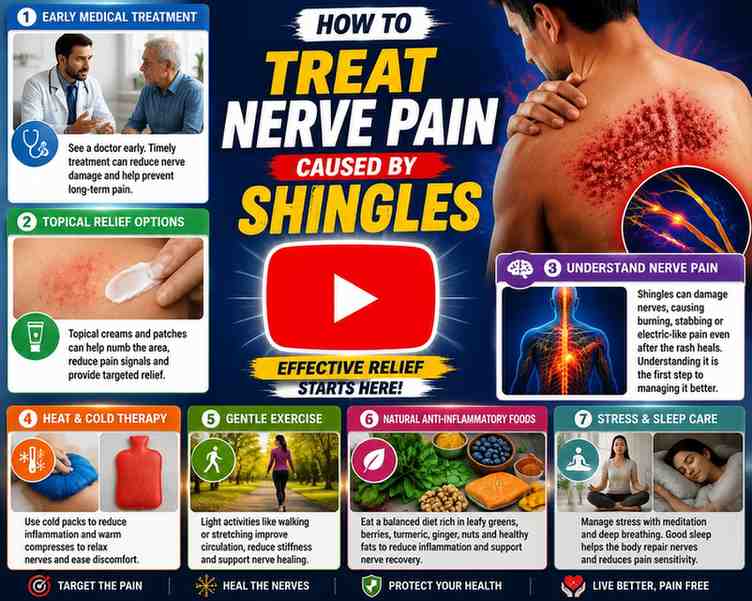
Cold compresses help reduce inflammation and numb sharp pain sensations in the affected area. They are especially useful during flare-ups.
Warm compresses, on the other hand, help relax muscles and improve blood circulation, supporting nerve comfort and healing.
1. Heat and Cold Therapy
- Cold packs reduce inflammation
- Warm compresses relax nerve tension
Alternating both can provide relief.
2. Gentle Movement and Exercise
Light physical activity such as walking or stretching helps improve blood flow and reduce stiffness in the body. This can indirectly support nerve recovery.
Regular movement also helps maintain overall health and reduces the intensity of chronic pain sensations.
- Improve blood circulation
- Reduce stiffness
- Support nerve recovery
3. Anti-Inflammatory Diet
A healthy diet rich in anti-inflammatory foods supports nerve healing. Foods like leafy greens, berries, nuts, and omega-3 sources are especially beneficial.
Spices like turmeric and ginger may also help reduce inflammation and support overall nerve function.
- Leafy green vegetables
- Omega-3 rich foods
- Turmeric and ginger
- Fresh fruits and nuts
These foods help reduce inflammation linked to nerve pain.
4. Stress Reduction Techniques
Stress can worsen nerve pain by increasing sensitivity in the nervous system. Relaxation techniques such as meditation and deep breathing can help calm the body.
Practicing yoga or mindfulness regularly may also reduce pain perception and improve emotional balance.
- Deep breathing exercises
- Meditation
- Yoga
- Relaxation therapy
5. Proper Sleep Hygiene
Good sleep plays a major role in nerve healing and pain reduction. Poor sleep can increase sensitivity and make symptoms worse.
Maintaining a consistent sleep schedule and creating a calm environment helps the body repair itself more effectively.
- Maintain a consistent sleep schedule
- Avoid caffeine late in the day
- Keep the sleeping environment calm and dark
How Long Does Nerve Pain Last After Shingles?
The duration of nerve pain varies from person to person. Some individuals recover within a few weeks, while others may experience symptoms for several months.
In more severe cases, pain can last for a year or longer, especially without early treatment or proper management.
- Mild cases: weeks to a few months
- Moderate cases: 3–6 months
- Severe cases: 1 year or longer
Early treatment improves recovery outcomes significantly.
Who Is at Higher Risk of Long-Term Nerve Pain?
Older adults are at higher risk of developing long-term nerve pain after shingles. The immune system naturally weakens with age, increasing vulnerability.
People with severe shingles outbreaks, delayed treatment, or chronic health conditions like diabetes are also more likely to experience prolonged symptoms.
- You are over 60 years old
- Shingles rash was severe
- Pain was intense during the outbreak
- Treatment was delayed
- You have diabetes or immune issues
Prevention of Shingles-Related Nerve Pain
Vaccination is the most effective way to prevent shingles and related nerve pain. It helps strengthen immunity against the virus and reduces severity if infection occurs.
Early antiviral treatment during a shingles outbreak also plays a key role in preventing long-term nerve complications.
- The shingles vaccine reduces risk significantly
- It also lowers severity even if shingles occurs
- Recommended for adults over 50
Preventing shingles is the most effective way to avoid nerve pain complications.
When to See a Doctor
You should consult a doctor if nerve pain continues after the shingles rash has healed. Persistent or worsening pain should not be ignored.
Early medical attention can help prevent chronic nerve damage and improve recovery outcomes significantly.
- Pain persists after shingles rash heals
- Pain worsens over time
- Sleep and daily activities are affected
- Over-the-counter medications are not helping
Early intervention can prevent long-term complications.
DON’T TRY THIS “TREAT NERVE PAIN CAUSED” UNTIL YOU SEE THIS
Final Thoughts
Nerve pain caused by shingles can be long-lasting and disruptive, but it is treatable. A combination of medications like gabapentin, antidepressants.
Topical therapies, and advanced nerve treatments can significantly reduce symptoms. Supportive care such as diet, stress control, and gentle activity further enhances recovery.
With proper treatment and early medical attention, most people experience gradual but meaningful improvement in their nerve pain and quality of life.
References
About Us
