8 Negative Effects of Portobello Mushrooms: Complete Guide
Portobello mushrooms have become a staple in kitchens around the world. Their rich, earthy flavor and meat‑like texture make them a favorite substitute for animal proteins in vegetarian and vegan dishes.
From portobello burgers to sautéed sides, they have earned a reputation for being both delicious and nutritious.
But as with any food, there are considerations beyond flavor and general nutrition. While many people tolerate portobello mushrooms well and enjoy their benefits, others may experience negative effects that are less frequently discussed.
These can range from digestive discomfort to chemical compounds that raise questions in scientific research. Understanding these potential downsides is especially important for individuals with certain health conditions, sensitivities, or specific dietary needs.

In this article, we’ll explore 8 negative effects of portobello mushrooms in detail, their causes, who may be most affected, and what you can do to mitigate any issues. This post is designed to give you the most comprehensive, evidence‑based perspective available without oversimplifying or sensationalising the risks.
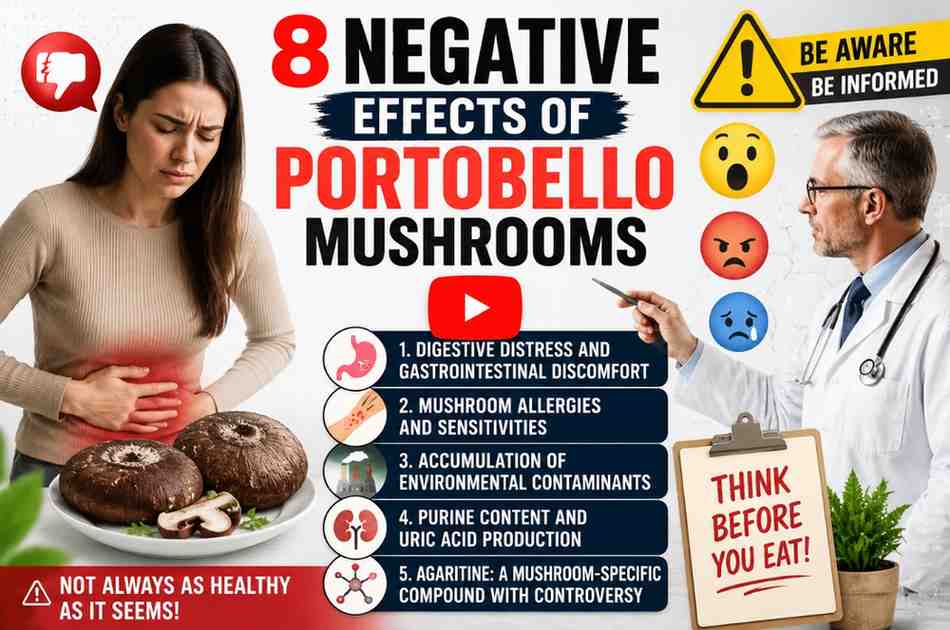
1. Digestive Distress and Gastrointestinal Discomfort
For some individuals, portobello mushrooms can provoke digestive discomfort. This is particularly true for people with sensitive guts, irritable bowel syndrome (IBS), or those unaccustomed to consuming mushrooms regularly.
Why This Happens
Portobello mushrooms contain complex carbohydrates and fiber structures that the human digestive system struggles to break down completely.
One of these compounds is chitin, a tough structural fiber found in the cell walls of fungi. Unlike the starches in plant foods, chitin is not easily digested by human enzymes.
When chitin and other complex carbohydrates reach the large intestine undigested, they become a substrate for fermentation by gut bacteria. This fermentation process can produce gas, leading to:
- Bloating
- Flatulence
- Abdominal cramps
- Diarrhea in sensitive individuals
This is more likely when mushrooms are eaten raw or in large quantities.
Who Is Most at Risk?
- People with sensitive digestive systems
- Individuals with IBS or Small Intestinal Bacterial Overgrowth (SIBO)
- Those who eat large portions of mushrooms regularly
Tips to Reduce Symptoms
- Cook mushrooms thoroughly, which breaks down chitin and other hard‑to‑digest components
- Start with small portions and gradually increase
- Pair mushrooms with easily digestible foods
- Monitor your symptoms and adjust intake accordingly
2. Mushroom Allergies and Sensitivities
Most people assume that food allergies are limited to common triggers like peanuts, shellfish, or dairy. But allergies to mushrooms, including portobellos, are real and can vary widely in severity.
How Mushroom Allergy Works
An allergy occurs when the immune system mistakenly identifies a harmless food protein as a threat and mounts a defense. This triggers the release of histamines and other immune chemicals that result in symptoms.
Allergic reactions to mushrooms may include:
- Hives or itchy rash
- Swollen lips or tongue
- Nasal congestion
- Wheezing or breathing difficulty
- Gastrointestinal upset
- Anaphylaxis (rare but severe)
Beyond True Allergies: Sensitivities
Some individuals experience non‑allergic sensitivities. These reactions may feel like an allergy but are caused by the body’s inability to tolerate certain compounds in mushrooms rather than an immune response.
Symptoms of sensitivity may include:
- Fatigue
- Nausea
- Skin flushing
- Headaches
Risk Factors
- Individuals with known allergies to other fungi or molds
- People with asthma or eczema
- Anyone who experiences persistent discomfort after eating mushrooms
What to Do
If you suspect an allergy or sensitivity:
- Consult an allergist for testing
- Avoid mushrooms entirely until diagnosed
- Keep a food diary to identify patterns
3. Accumulation of Environmental Contaminants
Unlike common vegetables, mushrooms are bioaccumulators. This means they readily absorb substances from their growing environment soil, compost, or substrate, rather than filtering them out.
What Mushrooms Can Absorb
Portobello mushrooms can absorb:
- Heavy metals such as cadmium, lead, and mercury
- Pesticide residues
- Industrial pollutants
- Mycotoxins (produced by molds)
While these contaminants are typically found in trace amounts in commercially farmed mushrooms, the risk increases when mushrooms are:
- Wild‑harvested from polluted areas
- Grown on contaminated substrates
- Purchased from unregulated sources
Why This Matters
Accumulated heavy metals can have long‑term health consequences. Over time, they may contribute to:
- Kidney burden
- Neurological dysfunction
- Oxidative stress
- Impaired immune functioning
Although occasional consumption is unlikely to cause harm in healthy adults, frequent intake of contaminated mushrooms could pose elevated risks.
How to Reduce Exposure
- Choose commercially grown mushrooms from reputable producers
- Prefer organic or tested sources
- Avoid wild foraging without knowledge of local soil conditions
4. Purine Content and Uric Acid Production
Portobello mushrooms contain purines, natural compounds that the body metabolizes into uric acid. For most people, this is harmless. However, there are situations where elevated uric acid can trigger health issues.
The Connection to Gout
Gout is a form of inflammatory arthritis caused by high levels of uric acid forming crystals in joints, often leading to sudden and painful flare‑ups. Purine‑rich foods can contribute to increased uric acid production.
While mushrooms are not among the highest purine foods (such as red meat, organ meats, or certain fish), they contain moderate levels that might be significant for people with:
- A history of gout attacks
- Chronically high uric acid
- Kidney disease
Balancing Purine Intake
For gout‑prone individuals, diet modification is a key lifestyle strategy. Reducing or moderating foods with moderate purine content, including portobello mushrooms, may help prevent flare‑ups.
Best Practices
- Consult a healthcare provider or dietitian if you have gout or kidney conditions
- Monitor your uric acid levels through regular lab testing
- Adjust intake of moderately purine‑rich foods as recommended
5. Agaritine: A Mushroom‑Specific Compound With Controversy
One of the most frequently discussed compounds in portobello mushrooms is agaritine. Agaritine is a hydrazine derivative found mainly in Agaricus species, the family that includes white button, cremini, and portobello mushrooms.
What Is Agaritine?
Agaritine is a naturally occurring compound unique to mushrooms. It has attracted scientific interest because certain hydrazine compounds can be reactive and have been shown to cause DNA damage in laboratory studies.
Why This Raises Questions
Animal studies, particularly in rodents, have shown that very high doses of agaritine isolated from mushrooms may have carcinogenic potential under certain conditions.
However, it is critical to interpret these findings carefully:
- The studies used isolated compounds at high doses far above what humans would consume in a normal diet.
- Humans digest and metabolize compounds differently from laboratory animals.
- Most agaritine is destroyed by cooking heat, which dramatically reduces its presence.
- There is currently no conclusive evidence that eating cooked portobello mushrooms causes cancer in humans.
What Science Actually Indicates
Rather than providing definitive evidence of harm, research into agaritine highlights potential mechanisms rather than proven outcomes. The compound’s presence remains a topic of ongoing study, not alarm.
Safety Practices
- Cook mushrooms rather than eating them raw
- Avoid consuming very large quantities of raw mushrooms
- Recognize that occasional consumption is generally considered safe by nutrition experts
6. Possible Interactions With Medication and Metabolic Pathways
Portobello mushrooms contain a range of bioactive chemicals. While most are beneficial or neutral for health, certain interactions may occur in people taking specific medications.
Tyramine and MAO Inhibitors
Tyramine is a naturally occurring compound found in many foods, including mushrooms. For individuals taking monoamine oxidase inhibitors (MAOIs) — a class of antidepressants tyramine can cause dangerous spikes in blood pressure if ingested in large amounts.
While mushrooms are not among the highest tyramine foods, caution is still warranted for anyone on MAOI therapy.
Vitamin K and Blood Thinners
Like many plant foods, mushrooms provide vitamins and minerals. Portobellos contain vitamin K, which plays a role in blood clotting.
For individuals on blood thinners like warfarin, variations in vitamin K intake can affect medication effectiveness. Although mushrooms are not a high source compared to leafy greens, consistent consumption should be balanced and discussed with a clinician.
Antioxidants and Drug Metabolism
Mushrooms contain antioxidants that can influence the same pathways used by certain medications. This means there is the potential for:
- Altered drug metabolism
- Enhanced or reduced medication effects
- Unexpected side reactions
Guidance for Patients on Medications
If you take regular medication for chronic conditions:
- Consult your healthcare provider before significantly changing your diet
- Discuss mushroom consumption to ensure it complements your medications
- Report any unusual symptoms after eating mushrooms
7. Food Safety Concerns: Contamination and Foodborne Illness
Mushrooms, like all fresh produce, can carry bacteria on their surface. While portobello mushrooms sold in supermarkets are intended for human consumption, improper harvesting, storage, or handling can introduce risk.
How Contamination Happens
Contaminants can enter mushrooms through:
- Soil or compost exposure
- Handling by workers without proper hygiene
- Cross‑contamination during transport or storage
Common bacteria associated with foodborne illness include:
- Escherichia coli (E. coli)
- Salmonella
- Listeria
These bacteria can cause symptoms such as:
- Nausea
- Vomiting
- Fever
- Diarrhea
- Abdominal cramps
Safe Handling Practices
To reduce the risk of foodborne illness:
- Wash mushrooms under clean running water before use
- Store them in cool, dry conditions
- Cook them thoroughly (heat kills most pathogens)
- Use mushrooms within their freshness window
- Avoid cross‑contamination with other foods
8. Respiratory Irritation and Sensitivities in Mold‑Sensitive Individuals
Finally, there is the issue of fungal spore exposure. Mushrooms are fungi, and while they grow without harmful mold for most people, some individuals have extreme sensitivity to airborne fungal spores.
Who This Affects
Especially sensitive people may experience:
- Sneezing or a runny nose
- Itchy or watery eyes
- Respiratory irritation
- Asthma exacerbation
This may occur during:
- Handling of large quantities of fresh mushrooms
- Cutting or cleaning mushrooms covered with spores or dust
- Working in environments with mold exposure
This is distinct from food digestion; it is a respiratory or immune response to fungal matter.
Tips for Sensitive Individuals
- Clean mushrooms outdoors or in well‑ventilated areas
- Wear a mask if handling many mushrooms at once
- Store mushrooms in breathable containers (not sealed plastics)
Final Takeaways
Portobello mushrooms are widely loved for their texture, flavor, and culinary versatility. They provide nutrients and may fit well into balanced diets for most people.
However, like any food, they are not universally perfect or inherently risk‑free. The 8 negative effects outlined above are real considerations, especially for individuals with:
- Digestive sensitivities
- Food allergies or immune reactions
- Chronic health conditions like gout or kidney disease
- Medication regimens that interact with dietary compounds
- Sensitivities to environmental molds or spores
Understanding these potential drawbacks empowers you to make informed decisions about when, how much, and in what context to enjoy portobello mushrooms.
Moderation, proper cooking, careful sourcing, and attention to your own response can go a long way toward minimizing any negative effects while still appreciating the benefits this popular mushroom has to offer.
References
https://en.wikipedia.org/wiki/Agaritine
https://www.healthline.com/health/food-nutrition/are-mushrooms-good-for-you
https://www.webmd.com/diet/health-benefits-mushrooms
.
About Us