3 Most Affordable GLP-1 Without Insurance in 2026 Guide
3 Most Affordable GLP-1 Without Insurance (2026 Complete Guide)
Introduction
For many people searching for GLP-1 medications, the biggest challenge is not effectiveness—it’s affordability.
Although treatments like semaglutide and tirzepatide have shown strong results for weight loss and metabolic health, the out-of-pocket cost without insurance can be extremely high, making long-term treatment difficult for many patients.
In this guide, we break down the 3 most cost-effective GLP-1 options, compare real-world affordability, and explain how patients are reducing monthly expenses through savings programs, pharmacy pricing strategies, and telehealth models.
If you are trying to start GLP-1 treatment without insurance support, this guide will help you make a clearer and more informed decision.
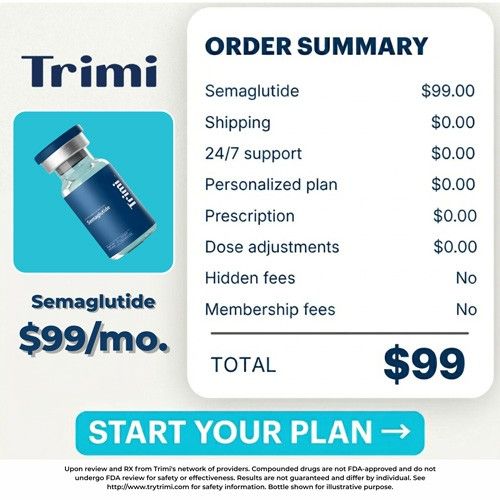
“The most affordable GLP-1 isn’t the lowest retail price—savings programs, pharmacy discounts, and telehealth options cut out-of-pocket costs.”
Understanding GLP-1 Medications
GLP-1 medications belong to a class known as GLP-1 receptor agonists. These drugs mimic a natural hormone in the body called glucagon-like peptide-1, which helps regulate appetite, blood sugar levels, gastric emptying, and feelings of fullness after eating.
Common GLP-1 medications include:
- Semaglutide
- Liraglutide
- Tirzepatide
These medications are highly effective but often priced at premium levels due to brand exclusivity, manufacturing complexity, and high demand.
Why GLP-1 Medications Are So Popular
GLP-1 receptor agonists work by mimicking a naturally occurring hormone that regulates hunger, digestion, and insulin response. This makes them highly effective for both weight management and metabolic health.
Many patients experience:
- Reduced appetite and cravings
- Improved portion control
- Better blood sugar stability
- Gradual and sustainable weight loss
- Long-term metabolic improvements
Unlike short-term diets, GLP-1 medications target biological mechanisms that influence hunger and fullness, making them a clinically important option for eligible patients.
Why GLP-1 Medications Are Expensive Without Insurance
Before looking at the most affordable options, it’s important to understand why costs are so high.
1. Brand-Name Exclusivity
Most GLP-1 drugs are still under patent protection, meaning no generic versions are widely available in the U.S.
2. High Demand
GLP-1 medications are used for both diabetes and weight management, significantly increasing demand worldwide.
3. Manufacturing Complexity
These are biologic or peptide-based therapies, requiring specialized production and storage conditions.
4. Ongoing Treatment Model
GLP-1 therapy is typically long-term, meaning costs accumulate monthly.
5. Limited Insurance Coverage
Many insurers still restrict coverage to diabetes patients or require prior authorization for weight loss use.
👉 GLP-1 Starting At $59 Per Month – 100% Online
What Makes a GLP-1 Medication Affordable?
Affordability goes beyond the sticker price. Consider these factors when comparing options:
Monthly Medication Cost
The total monthly cost remains the most obvious consideration for uninsured patients.
Manufacturer Savings Programs
Some pharmaceutical companies offer discount cards or patient assistance programs that can significantly reduce costs for eligible individuals.
Pharmacy Discounts
Prices often vary between pharmacies. Comparing pharmacies can sometimes save hundreds of dollars each month.
Telehealth Packages
Some telehealth providers bundle medical consultations, prescriptions, and ongoing support into one monthly fee, potentially lowering overall treatment costs.
Long-Term Value
A medication that produces consistent results and requires fewer dose adjustments may provide better value over time, even if the initial monthly price is slightly higher.
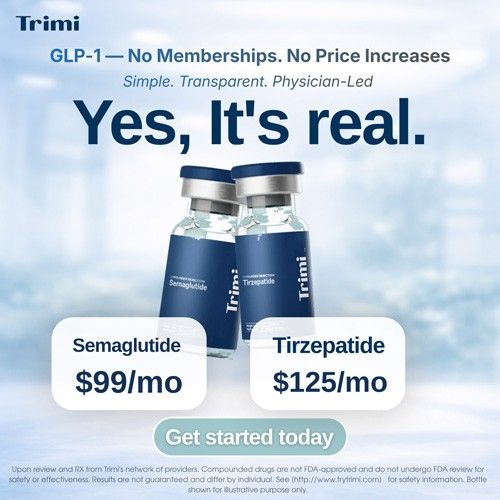
What “Affordable GLP-1 Without Insurance” Really Means
Without insurance, affordability does NOT mean cheap—it means:
- Lower monthly out-of-pocket cost
- Access to discount or savings programs
- Clinically approved alternatives or older formulations
- Structured telehealth pricing models
- Manufacturer coupons or assistance programs
The following three options represent the most realistic affordability pathways available in 2026.
1. Semaglutide (Most Widely Discounted GLP-1 Option)
Semaglutide remains the most commonly prescribed GLP-1 medication and also one of the most financially flexible when accessed without insurance.
Why It’s Considered Affordable (Relatively)
Even though retail pricing can be high, semaglutide has the widest range of cost-reduction options:
- Manufacturer savings programs (for eligible patients)
- Telehealth bundled subscriptions
- Pharmacy discount cards
- Structured dosing flexibility
- Competing clinic pricing models
Typical Cost Range (Without Insurance)
- Brand-name retail: High monthly cost
- Discount programs: Reduced but still premium-level
- Telehealth packages: Often more predictable monthly pricing
Who It May Be Best For
- Individuals new to GLP-1 therapy
- Patients seeking strong weight-loss results
- Those who qualify for savings programs
- People wanting flexible dosing options
Limitations
- Still expensive without assistance
- Requires long-term use for sustained results
- Not all patients qualify for discounts
👉 Try the Best GLP-1 of 2026 That’s Working for Thousands
2. Liraglutide (Older but More Budget-Friendly Entry GLP-1)
Liraglutide is one of the earlier GLP-1 therapies, and while it is less powerful than newer medications, it often becomes a more affordable entry point for uninsured patients.
Why It Can Be More Affordable
Liraglutide has been on the market longer, which typically leads to:
- Lower pricing tiers in some pharmacies
- Greater availability in generic-like market competition (outside strict brand pricing)
- More flexible prescribing options in certain clinics
- Lower starting dose cost compared to newer dual-action drugs
Typical Cost Profile
- Often lower than newer GLP-1 medications
- Daily dosing spreads cost perception differently
- Some clinics offer lower-cost initiation plans
Who It May Be Best For
- Budget-sensitive patients
- Individuals who prefer gradual weight loss
- Those starting GLP-1 therapy for the first time
- Patients who don’t qualify for semaglutide discounts
Limitations
- Daily injection instead of weekly
- Slightly less potent for weight loss in many cases
- Can still be costly without discounts
3. Tirzepatide (High Effectiveness, Discount-Dependent Affordability)
Tirzepatide is one of the newest and most effective metabolic medications available today.
While it is typically the most expensive option, it can still become relatively affordable through structured savings pathways.
Why It Makes the List
Despite its high retail price, tirzepatide often becomes more accessible through:
- Manufacturer savings cards (eligible patients)
- Telehealth subscription models
- High-dose titration strategies (cost spread over time)
- Clinic partnerships with pharmacy networks
Typical Cost Without Insurance
- Generally highest among GLP-1 medications
- Monthly cost can be significant without discounts
Why It Still Counts as “Affordable”
In real-world practice, many patients reduce cost exposure through:
- Enrollment in savings programs
- Step-dose programs that start lower
- Clinic-based bundled pricing models
Who It May Be Best For
- Patients with significant weight loss goals
- Individuals with insulin resistance or type 2 diabetes
- Those who want stronger metabolic results
- Patients who can access manufacturer support
Limitations
- High baseline cost
- Strict eligibility for discounts
- Availability fluctuations in pharmacies
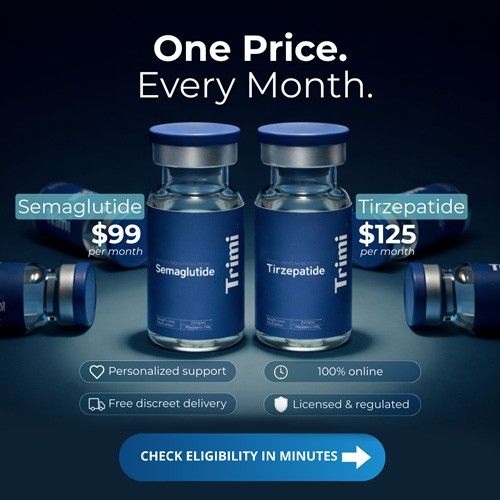
How to Reduce GLP-1 Costs Without Insurance
Even if you choose one of the three medications above, affordability often depends more on access strategy than the drug itself.
1. Manufacturer Savings Programs
Most major GLP-1 brands offer eligibility-based discount cards that can significantly reduce monthly costs.
2. Telehealth Subscription Models
Many online clinics now bundle:
- Consultation
- Prescription
- Medication delivery
into monthly payments.
3. Pharmacy Price Comparison
Prices vary significantly between pharmacies—even within the same city.
4. Dose Optimization Plans
Clinicians sometimes use structured titration schedules to reduce waste and cost early in treatment.
5. Patient Assistance Programs
Income-based assistance may help qualifying individuals reduce costs dramatically.
👉 Forbes Reveals Clear GLP-1 Winner For Affordability 2026
Important Safety Considerations
While affordability is important, GLP-1 medications should always be used under medical supervision. Key considerations include:
- Monitoring for gastrointestinal side effects
- Ensuring proper dose escalation
- Checking for contraindications
- Tracking blood sugar in diabetic patients
- Long-term metabolic monitoring
Never choose a medication based on price alone without considering medical suitability.
How Telehealth Has Reduced GLP-1 Costs
Telehealth has changed the way many people access weight-loss treatments. Instead of scheduling multiple office visits, patients can consult licensed healthcare professionals remotely, receive personalized treatment recommendations, and obtain prescriptions through participating pharmacies.
Many telehealth providers now offer:
- Online medical evaluations
- Ongoing clinical monitoring
- Prescription management
- Lifestyle coaching
- Transparent monthly pricing
- Convenient follow-up appointments
For uninsured individuals, bundled telehealth services may reduce overall healthcare expenses while simplifying access to treatment.
👉 Get GLP-1 At $59 Per Month (Limited Time Offer)
Who Should Consider GLP-1 Therapy?
GLP-1 medications may be appropriate for:
- Adults with obesity or overweight with risk factors
- Individuals with type 2 diabetes
- Patients struggling with appetite regulation
- Those who have not achieved results through diet and exercise alone
However, a clinician evaluation is essential before starting therapy.
Final Thoughts
Finding the most affordable GLP-1 without insurance is less about selecting a single “cheap drug” and more about understanding how pricing systems work.
In 2026, the most realistic affordability pathways are:
- Semaglutide – most flexible discount access
- Liraglutide – lower entry-level cost option
- Tirzepatide – high effectiveness with savings-dependent affordability
Each option has a different balance of cost, effectiveness, and accessibility. The best choice depends on your health goals, eligibility for savings programs, and long-term treatment plan.
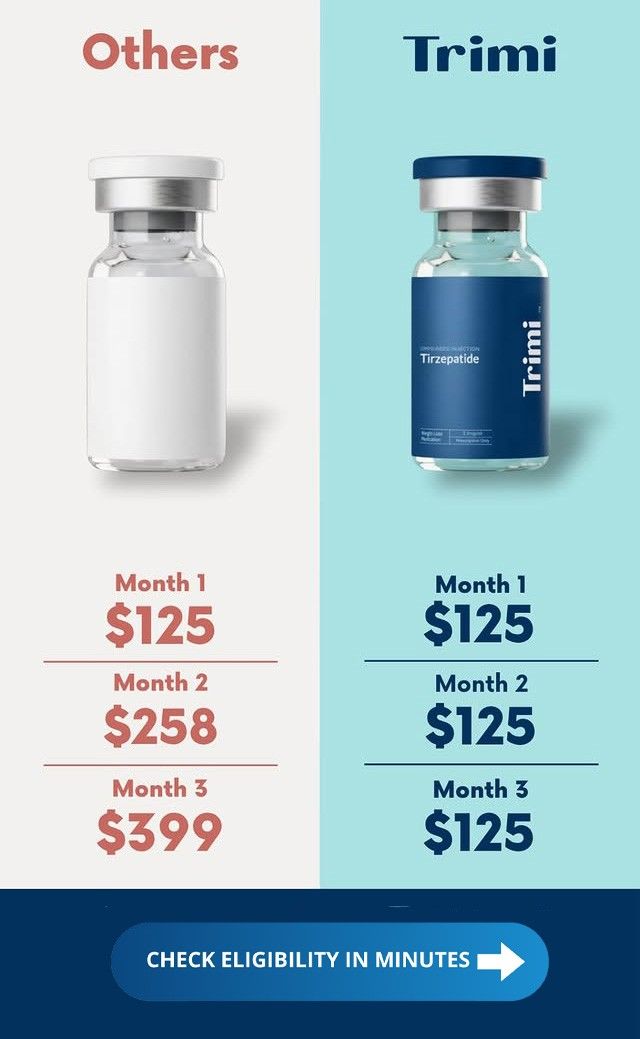
References
https://en.wikipedia.org/wiki/GLP-1_receptor_agonist
https://www.webmd.com/diabetes/glp-1-agonists
https://www.healthline.com/health/diabetes/glp-1-agonists
About Us