
11 Natural Ways to Cleanse and Detox Your Lungs Naturally
Your lungs work continuously to supply oxygen to your bloodstream and remove carbon dioxide from your body. However, exposure to cigarette smoke, air pollution, dust, allergens, and other environmental irritants can affect respiratory health over time.
This is why many people search for natural ways to cleanse and detox their lungs. The good news is that your lungs already have natural cleaning and defense mechanisms.
Discover 11 natural ways to cleanse and detox your lungs, reduce harmful exposures, support respiratory health, and encourage your body’s natural recovery.
👉 DON’T TRY THIS “11 NATURAL WAYS TO CLEANSE AND DETOX YOUR LUNGS” UNTIL YOU SEE THIS
Tiny hair-like structures called cilia help move mucus and trapped particles out of the airways, while immune cells help protect lung tissue from harmful substances.
Although no drink, food, or home remedy can instantly remove toxins from your lungs, certain lifestyle habits can support normal lung function and respiratory health.
In this guide, we explore 11 natural ways to cleanse and detox your lungs, including hydration, breathing exercises, physical activity, nutritious foods, and reducing exposure to airborne pollutants. We also explain common detox myths and important safety considerations.
How Do Your Lungs Naturally Clean Themselves?
Before exploring natural lung cleansing methods, it helps to understand how your respiratory system protects itself.
Your lungs contain several defense mechanisms that work together to remove unwanted particles.
The mucociliary clearance system: The airways produce mucus that traps dust, microorganisms, and other airborne particles. Tiny structures called cilia move this mucus toward the throat, where it can be swallowed or coughed out.
Coughing: Coughing helps remove mucus and irritants from the respiratory tract.
Immune protection: Specialized immune cells identify and help eliminate harmful microorganisms and foreign particles.
These systems operate naturally. Healthy lifestyle choices can support them, but they cannot reverse every type of lung damage or eliminate all pollutants from lung tissue.
👉 DON’T TRY THIS “11 NATURAL WAYS TO CLEANSE AND DETOX YOUR LUNGS” UNTIL YOU SEE THIS
11 Natural Ways to Cleanse and Detox Your Lungs
1. Drink Enough Water Throughout the Day
Staying hydrated is one of the simplest ways to support respiratory health.
Water helps maintain normal mucus consistency in the respiratory tract. When mucus becomes excessively thick, it may be more difficult for the airways to clear it effectively.
Drinking enough fluids throughout the day can help maintain normal hydration and support the body’s natural mucus-clearing processes.
Practical tips:
- Drink water regularly throughout the day.
- Include water-rich foods such as cucumbers, oranges, and watermelon.
- Increase fluid intake when exercising or sweating.
- Follow medical advice if you have a condition that requires fluid restriction.
Water does not directly wash toxins out of lung tissue, but proper hydration supports normal respiratory function.
2. Quit Smoking and Avoid Secondhand Smoke
Avoiding tobacco smoke is one of the most important steps for protecting your lungs.
Cigarette smoke contains thousands of chemicals that can irritate the respiratory tract, damage lung tissue, and interfere with the normal function of cilia.
After someone stops smoking, the body gradually begins recovering from some of the harmful effects of tobacco exposure. Cilia function can improve, and coughing and mucus production may change during recovery.
Helpful steps include:
- Stop smoking cigarettes and other tobacco products.
- Avoid exposure to secondhand smoke.
- Seek professional support if quitting feels difficult.
- Avoid assuming that vaping is a harmless alternative.
Quitting smoking cannot erase all previous lung damage, but it significantly reduces continued exposure to harmful substances.
3. Practice Deep Breathing Exercises
Deep breathing exercises can help improve breathing awareness and encourage more controlled breathing patterns.
One commonly practiced technique is diaphragmatic breathing, which focuses on using the diaphragm rather than relying mainly on the muscles in the upper chest.
How to practice diaphragmatic breathing:
- Sit comfortably or lie down.
- Place one hand on your chest and another on your abdomen.
- Slowly breathe in through your nose.
- Allow your abdomen to rise while keeping your upper chest relatively relaxed.
- Slowly breathe out through pursed lips.
Practice gently for a few minutes without forcing your breathing.
These exercises may help people manage breathing patterns and feelings of breathlessness. However, they do not physically remove toxins or repair damaged lung tissue.
4. Exercise Regularly to Support Lung Function
Regular physical activity supports cardiovascular fitness, respiratory muscle conditioning, and overall health.
When you exercise, your muscles require more oxygen, so your heart and lungs work harder to meet the increased demand. Over time, regular activity can improve exercise tolerance and make everyday physical activities feel easier.
Consider activities such as:
- Walking
- Cycling
- Swimming
- Gentle jogging
- Low-impact aerobics
Adults are generally encouraged to aim for at least 150 minutes of moderate-intensity aerobic activity per week, alongside muscle-strengthening activities on two or more days.
Start slowly if you are inactive. People with existing respiratory conditions should discuss suitable exercise levels with a healthcare professional.
5. Eat Antioxidant-Rich Fruits and Vegetables
A balanced diet provides nutrients that support immune function and help protect cells against oxidative stress.
Oxidative stress occurs when unstable molecules called free radicals accumulate beyond the body’s ability to manage them.
Certain fruits and vegetables contain antioxidants, vitamins, and plant compounds that contribute to normal cellular protection.
Good choices include:
- Blueberries and strawberries
- Oranges and grapefruit
- Spinach and kale
- Broccoli and cauliflower
- Carrots and sweet potatoes
Vitamin C, vitamin E, and various plant polyphenols contribute to a healthy dietary pattern.
However, eating antioxidant-rich foods should not be confused with detoxifying lung tissue. Their benefits come from supporting overall health as part of a balanced diet.
6. Reduce Indoor Air Pollution
Indoor air quality plays an important role in respiratory health because people spend considerable time inside homes, offices, and other buildings.
Common indoor pollutants include dust, mold, cleaning chemicals, cooking fumes, pet allergens, and smoke.
Reducing exposure can help minimize irritation and support healthier breathing.
Ways to improve indoor air quality:
- Ventilate rooms when outdoor air quality is suitable.
- Use kitchen exhaust fans while cooking.
- Clean dust regularly using appropriate cleaning methods.
- Repair water leaks and address mold problems.
- Avoid smoking indoors.
- Choose lower-emission household cleaning products.
A properly sized HEPA air purifier may also help reduce airborne particles. It does not remove every gaseous pollutant, so source control and ventilation remain important.
👉 DON’T TRY THIS “11 NATURAL WAYS TO CLEANSE AND DETOX YOUR LUNGS” UNTIL YOU SEE THIS
7. Practice Gentle Outdoor Walking in Clean Air
Spending time outdoors can encourage physical activity and support general well-being.
Walking in a clean-air environment may be particularly beneficial for people who spend most of their day indoors.
Choose locations with lower traffic pollution, such as parks, walking trails, or quiet green spaces.
However, outdoor air is not always healthier than indoor air. Pollution, wildfire smoke, pollen, and other environmental conditions can affect air quality.
Before exercising outside, consider checking local air quality reports, especially if you have asthma or another respiratory condition.
8. Include Omega-3-Rich Foods in Your Diet
Omega-3 fatty acids are essential fats involved in several normal body processes, including cellular function and inflammatory regulation.
Some research has investigated whether omega-3 intake is associated with better respiratory health. However, evidence does not establish omega-3 foods as a lung detox treatment.
Good dietary sources include:
- Salmon
- Sardines
- Mackerel
- Walnuts
- Chia seeds
- Flaxseeds
Including these foods in a balanced diet can support overall health.
It is generally preferable to obtain nutrients from food rather than relying on high-dose supplements without professional guidance.
9. Maintain a Healthy Indoor Humidity Level
Air that is excessively dry may irritate the nose and throat and contribute to discomfort during breathing.
Maintaining comfortable indoor humidity can help reduce dryness in the respiratory passages. A clean humidifier may be useful when indoor air is particularly dry.
However, excessive humidity can encourage mold and dust mite growth, potentially worsening respiratory symptoms in sensitive individuals.
Keep indoor relative humidity around 30% to 50% when practical, and clean humidifiers according to their instructions.
A humidifier does not detoxify the lungs, but appropriate humidity management can improve indoor comfort.
10. Get Enough Sleep and Allow Your Body to Recover
Sleep is essential for physical recovery, immune regulation, and overall health.
Although sleeping does not directly cleanse the lungs, consistent, good-quality sleep helps maintain the body’s normal protective functions.
Poor sleep can also affect energy levels and exercise tolerance, making it harder to maintain healthy daily habits.
To support better sleep:
- Maintain a consistent bedtime.
- Keep your bedroom comfortable and well ventilated.
- Avoid smoking and excessive alcohol consumption.
- Limit caffeine late in the day.
- Reduce screen exposure before bedtime.
Most adults need at least seven hours of sleep each night.
11. Avoid Respiratory Irritants and Wear Protection When Needed
Daily exposure to airborne irritants can affect respiratory comfort and increase the risk of breathing-related problems.
Common irritants include construction dust, chemical fumes, industrial particles, aerosol sprays, and strong fragrances.
Reducing exposure is an important part of protecting lung health.
Consider these precautions:
- Wear an appropriately fitted respirator when working around hazardous dust.
- Follow workplace respiratory protection guidelines.
- Avoid mixing household cleaning chemicals.
- Use products in well-ventilated areas.
- Avoid burning materials or creating unnecessary indoor smoke.
- Follow local air quality and wildfire safety recommendations.
A well-fitted respirator can reduce exposure to certain airborne particles, but the appropriate protection depends on the specific hazard.
👉 DON’T TRY THIS “11 NATURAL WAYS TO CLEANSE AND DETOX YOUR LUNGS” UNTIL YOU SEE THIS
Can Natural Remedies Really Detox Your Lungs?
Natural remedies can support respiratory wellness, but it is important to understand what they can and cannot do.
Your lungs have their own biological cleaning systems. Hydration, exercise, nutritious foods, and avoiding smoke can help support these systems.
However, there is no scientifically established home remedy that can completely remove accumulated toxins, reverse chronic lung disease, or restore severely damaged lung tissue.
Some natural approaches may improve comfort, but they should not replace medical treatment when respiratory symptoms are present.
Do Herbal Teas Help Cleanse the Lungs?
Herbal teas such as ginger, peppermint, and chamomile are popular in natural wellness routines.
They can provide fluids and may offer soothing effects for some people. Warm beverages may also temporarily ease throat irritation.
However, there is insufficient clinical evidence that these teas remove pollutants or toxins from the lungs.
People taking medications or managing chronic conditions should also check whether particular herbs are appropriate for them.
Is Honey Good for Lung Health?
Honey is traditionally used to soothe throat irritation and coughs.
Some evidence suggests that honey may provide short-term relief from cough symptoms, particularly during upper respiratory infections.
However, honey is not a lung-cleansing treatment and does not remove mucus or harmful substances directly from lung tissue.
Never give honey to children younger than 12 months because of the risk of infant botulism.
Does Steam Inhalation Clean the Lungs?
Steam inhalation is another popular home remedy.
Warm, moist air may temporarily make nasal congestion feel more comfortable, but there is no strong evidence that breathing steam detoxifies the lungs.
Inhaling steam from boiling water can cause serious burns. It is safer to use a comfortably warm shower for temporary congestion relief rather than leaning over a container of hot water.
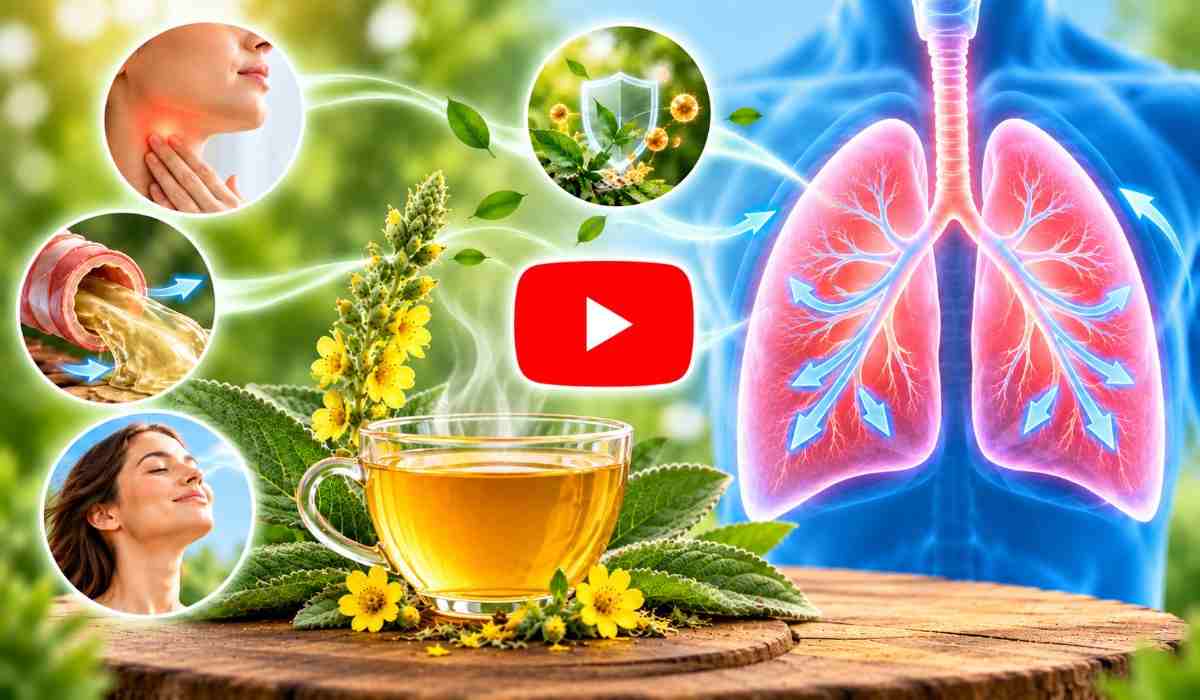
👉 DON’T TRY THIS “11 NATURAL WAYS TO CLEANSE AND DETOX YOUR LUNGS” UNTIL YOU SEE THIS
Benefits of Supporting Your Lung Health Naturally
Developing healthy respiratory habits can provide several long-term benefits.
Better breathing habits: Breathing exercises and physical activity can help improve breathing control and exercise tolerance.
Reduced exposure to irritants: Avoiding tobacco smoke, dust, and harmful fumes helps protect respiratory tissues.
Improved physical fitness: Regular exercise strengthens cardiovascular fitness and supports everyday stamina.
Better nutritional support: A balanced diet provides nutrients required for normal immune and cellular function.
Improved overall wellness: Consistent sleep and healthy daily routines support the body’s recovery and maintenance processes.
Common Lung Detox Myths and Misconceptions
Online discussions often promote quick lung-cleansing solutions. Unfortunately, some of these claims are exaggerated or unsupported by scientific research.
Here are some important misconceptions to understand.
| Common claim | What science tells us |
| Lemon water removes lung toxins | It supports hydration but does not detoxify lung tissue. |
| Baking soda water cleans the lungs | There is no reliable evidence supporting this claim. |
| Detox juices repair damaged lungs | Juices provide nutrients but cannot reverse lung damage. |
| Steam removes mucus from deep inside the lungs | Steam does not provide a proven lung detoxification effect. |
| Herbal supplements eliminate cigarette residue | No supplement has been proven to remove accumulated tobacco-related toxins. |
| One week of detox reverses smoking damage | Lung recovery varies, and some damage may be permanent. |
The most reliable approach is to reduce harmful exposures and support the body’s natural respiratory defenses rather than depend on quick detox remedies.
Common Mistakes to Avoid When Trying to Cleanse Your Lungs
Even well-intentioned wellness habits can become unhelpful when they are based on misinformation.
Avoid these common mistakes:
- Depending entirely on detox drinks: Drinking herbal mixtures or fruit juices cannot replace the lungs’ natural cleaning mechanisms.
- Ignoring persistent coughing: A cough that continues for several weeks should be evaluated rather than treated with home remedies alone.
- Exercising in polluted air: Intense outdoor exercise during poor air quality can increase exposure to harmful particles.
- Using essential oils without caution: Diffusing strong fragrances or inhaling concentrated oils may irritate sensitive airways.
- Taking excessive supplements: High doses of vitamins, herbs, or other supplements can cause side effects and medication interactions.
- Stopping prescribed medication: Natural approaches should complement appropriate medical care, not replace inhalers or other prescribed treatments.
👉 DON’T TRY THIS “11 NATURAL WAYS TO CLEANSE AND DETOX YOUR LUNGS” UNTIL YOU SEE THIS
Safety Information: When Should You See a Doctor?
Natural lung health practices are generally most useful as preventive lifestyle measures. They are not substitutes for medical evaluation.
Pay attention to symptoms that may indicate an underlying respiratory problem.
Seek medical advice if you experience:
- A persistent or worsening cough.
- Wheezing or frequent chest tightness.
- Shortness of breath during ordinary activities.
- Repeated respiratory infections.
- Unexplained fatigue associated with breathing difficulties.
- Coughing up blood.
⚠️ Important warning
Severe difficulty breathing, blue or gray lips, confusion, or significant chest pain requires immediate emergency medical attention. Do not attempt to manage these symptoms with natural remedies.
People with asthma, COPD, pulmonary fibrosis, or other chronic respiratory conditions should consult their healthcare professionals before starting new breathing exercises, supplements, or exercise programs.
How Long Does It Take for Your Lungs to Recover?
Lung recovery depends on several factors, including age, smoking history, environmental exposure, existing medical conditions, and the extent of respiratory damage.
For people who quit smoking, some improvements can begin within days or weeks. Over subsequent months, circulation and coughing may improve, while lung function and respiratory symptoms can continue changing over time.
However, recovery is not identical for everyone. Some forms of lung damage, particularly advanced emphysema and scarring, may be permanent.
The most important thing is to maintain healthy habits consistently rather than expect immediate results from a short detox program.
Conclusion
Taking care of your lungs does not require expensive detox products, complicated routines, or overnight cleansing solutions. Your respiratory system already has natural mechanisms that help remove mucus, trapped particles, and unwanted substances.
The best natural ways to cleanse and detox your lungs involve supporting these existing processes through everyday lifestyle choices.
Drinking enough water, avoiding smoking, exercising regularly, eating antioxidant-rich foods, improving indoor air quality, practicing gentle breathing exercises, and getting sufficient sleep can all contribute to better respiratory wellness.
Remember that no natural drink, supplement, or herbal remedy can completely detoxify your lungs or reverse every type of lung damage. Consistent healthy habits and appropriate medical care remain the most reliable ways to protect your respiratory system.
Ultimately, the best lung detox is prevention: reduce exposure to harmful pollutants, avoid tobacco smoke, stay physically active, and give your body the nutrition and care it needs to maintain healthy breathing.
👉 DON’T TRY THIS “11 NATURAL WAYS TO CLEANSE AND DETOX YOUR LUNGS” UNTIL YOU SEE THIS
References
https://www.healthline.com/health/ways-to-cleanse-your-lungs
https://www.webmd.com/lung/copd/features/lung-detox-facts
https://en.wikipedia.org/wiki/Lung
.
About Us
