
10 Surprising Facts About Your Colon: How It Helps Digestion
Your colon plays a much bigger role in your health than simply moving waste out of your body. It is an essential part of the digestive system, absorbing water, supporting beneficial gut bacteria, processing remaining nutrients, and helping maintain regular bowel movements.
There are many surprising facts about your colon that explain why this organ deserves attention.
From its relationship with the gut microbiome to its role in hydration and immune function, understanding how the colon works can help you make more informed decisions about digestive health.
Explore 10 surprising facts about your colon, from how it forms stool and feeds gut bacteria to normal bowel habits, detox pitfalls, and when to get screened.
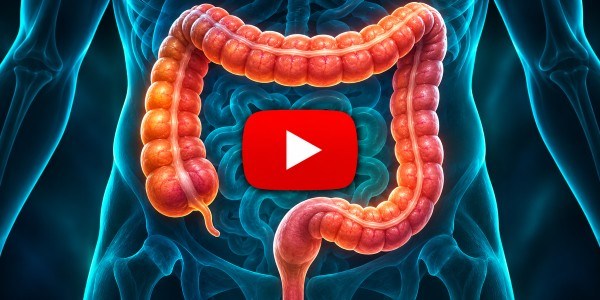
👉 DON’T TRY THIS “10 SURPRISING FACTS ABOUT YOUR COLON” UNTIL YOU SEE THIS
The colon is also connected to several common digestive concerns, including constipation, diarrhea, bloating, and changes in bowel habits.
Learning about its structure and functions can help you recognize what is normal and when certain symptoms deserve medical attention.
Here are 10 interesting, science-based facts about your colon and what they mean for your overall well-being.
1. Your Colon Is Approximately Five Feet Long
One of the most surprising facts about your colon is its length. In most adults, the large intestine measures about five feet (1.5 meters) long, although its exact size varies from person to person.
The colon is the largest portion of the large intestine and forms a pathway through the abdomen.
It is divided into several sections:
- Ascending colon: Travels upward along the right side of the abdomen.
- Transverse colon: Extends across the upper abdomen.
- Descending colon: Moves downward along the left side.
- Sigmoid colon: Forms an S-shaped section connecting to the rectum.
Each section helps move digestive material toward the rectum.
Despite its relatively short length compared with the small intestine, the colon performs several important functions, particularly water absorption and stool formation.
2. Your Colon Absorbs Water and Electrolytes
Your colon does much more than collect waste. One of its primary responsibilities is absorbing water and electrolytes from the material that remains after digestion.
When food reaches the large intestine, most of its nutrients have already been absorbed in the small intestine. The remaining material contains water, fiber, bacteria, and undigested substances.
The colon gradually removes some of the remaining water, helping transform liquid digestive material into more solid stool.
It also absorbs electrolytes, including sodium and chloride, which help regulate fluid balance and normal body functions.
Why does this matter?
If waste moves through the colon too slowly, excessive water may be absorbed, resulting in hard stools and constipation. If it moves too quickly, less water is absorbed, which can contribute to diarrhea.
This balance is essential for maintaining normal bowel movements.
3. Your Colon Contains Trillions of Microorganisms
Your colon is home to a complex community of microorganisms called the gut microbiome.
These microorganisms include bacteria and other microbes that interact with your digestive system in different ways.
Some beneficial gut bacteria help break down dietary fiber that your body cannot fully digest on its own.
During this process, they produce substances called short-chain fatty acids (SCFAs), including:
- Acetate
- Propionate
- Butyrate
Butyrate is particularly important because it serves as a major energy source for cells lining the colon.
The gut microbiome also interacts with the immune system and helps maintain the intestinal environment.
However, not all microorganisms are beneficial. The balance and diversity of the microbial community matter more than simply having large numbers of bacteria.
Eating a varied diet containing vegetables, fruits, legumes, and whole grains can help support a healthier gut microbiome.
4. Your Colon Helps Support Your Immune System
Another interesting fact about your colon is its connection to immune function.
The digestive tract contains several components of the immune system that help identify and respond to potentially harmful microorganisms.
The colon’s intestinal lining acts as a protective barrier between its contents and the rest of the body.
It also interacts with beneficial gut bacteria, which can influence immune responses and help maintain a balanced intestinal environment.
Specialized immune cells and tissues within the digestive tract contribute to this protective process.
An important distinction: The colon does not control your immune system on its own. Instead, it works alongside other organs, tissues, and immune defenses throughout the body.
Maintaining a balanced diet, getting sufficient sleep, staying physically active, and practicing good food hygiene can support general immune and digestive health.
5. Dietary Fiber Is Essential for Healthy Colon Function
Dietary fiber is one of the most important nutrients for supporting normal colon function.
Unlike many other carbohydrates, fiber is not completely broken down by digestive enzymes in the small intestine. Some types reach the colon, where they interact with gut bacteria.
There are two commonly discussed categories:
Soluble fiber
Soluble fiber dissolves in water and forms a gel-like substance. It can help soften stool and support healthy cholesterol and blood glucose levels.
Sources include:
- Oats
- Apples
- Beans
- Barley
- Citrus fruits
Insoluble fiber
Insoluble fiber helps add bulk to stool and supports regular bowel movements.
Sources include:
- Whole-wheat products
- Nuts
- Vegetables
- Wheat bran
- Brown rice
Increasing fiber intake gradually is generally more comfortable than making sudden dietary changes. Drinking enough fluids is also important, particularly when increasing fiber consumption.
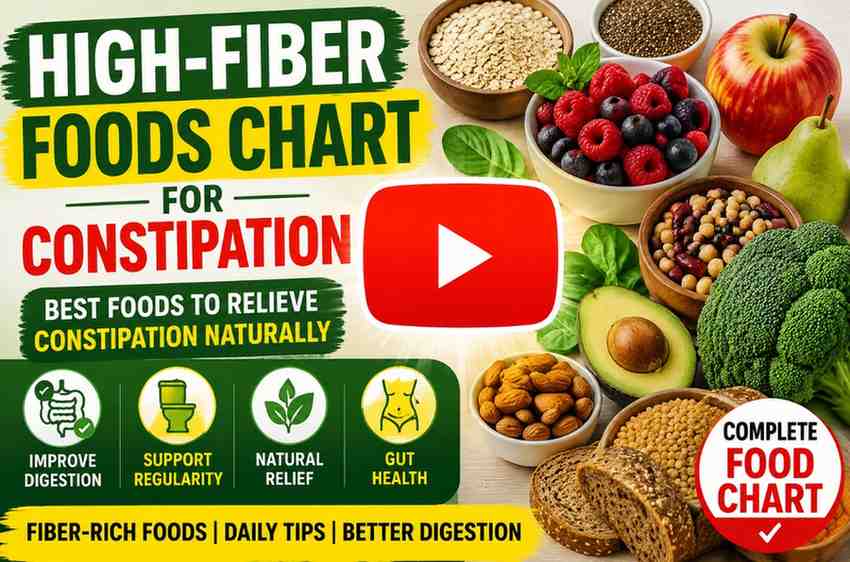
👉 DON’T TRY THIS “10 SURPRISING FACTS ABOUT YOUR COLON” UNTIL YOU SEE THIS
6. Your Colon Is Connected to Your Gut-Brain Communication System
Your digestive system and brain communicate through a network commonly called the gut-brain axis.
This communication involves nerves, hormones, immune signals, and substances produced by gut microorganisms.
The enteric nervous system, sometimes called the digestive system’s own nervous system, helps regulate intestinal movement and other digestive processes.
This connection helps explain why stress and emotional changes can influence bowel habits.
For example, some people experience:
- Increased bowel urgency during stressful situations.
- Constipation during periods of disrupted routines.
- Abdominal discomfort associated with emotional stress.
- Changes in digestive symptoms during anxiety.
However, digestive symptoms should not automatically be attributed to stress. Persistent or unexplained changes may have other underlying causes.
The gut-brain connection demonstrates that digestive health involves more than food alone.
7. Your Colon Helps Produce Certain Vitamins
Your gut bacteria contribute to the production of certain vitamins, making the colon an important part of the body’s relationship with beneficial microorganisms.
Some intestinal bacteria produce vitamin K and certain B vitamins. Vitamin K is particularly important for normal blood clotting, while B vitamins contribute to energy metabolism, nervous system function, and other essential processes.
However, bacterial vitamin production does not necessarily provide all the vitamins your body needs.
The amount produced and absorbed can vary depending on individual gut microbiome composition and other factors.
A balanced diet remains important for meeting nutritional requirements. Good dietary sources of essential vitamins include leafy green vegetables, legumes, whole grains, eggs, dairy products, and other nutrient-rich foods.
8. Your Colon Naturally Moves Waste Through Muscle Contractions
Your colon does not rely on gravity alone to move digestive waste. It uses coordinated muscular contractions called peristalsis to move material through the large intestine.
These contractions help mix the contents of the colon and gradually push them toward the rectum.
Another movement pattern, called a mass movement, can move larger amounts of material through the colon over a shorter period.
When stool reaches the rectum, nerve signals help create the sensation that a bowel movement is needed.
Repeatedly ignoring the urge may contribute to constipation in some people because stool can remain in the colon longer, allowing additional water absorption.
Regular physical activity, adequate hydration, and responding to natural bowel urges can help support normal bowel habits.
9. Colon Cancer Can Develop Without Early Warning Symptoms
One of the most important facts about colon health concerns colorectal cancer. Colorectal cancer develops in the colon or rectum and may begin as abnormal growths called polyps.
Some polyps can gradually develop into cancer over several years, although not all polyps become cancerous.
An important concern is that early colorectal cancer may not produce noticeable symptoms.
As the condition progresses, possible warning signs include:
- Blood in or on the stool.
- Persistent changes in bowel habits.
- Abdominal discomfort or cramping.
- Unexplained weight loss.
- Unusual fatigue.
- Iron-deficiency anemia.
These symptoms do not automatically indicate cancer. Several less serious digestive conditions can cause similar problems.
However, persistent symptoms or rectal bleeding should be evaluated by a healthcare professional.
Why screening matters
Screening can help identify colorectal cancer early or detect precancerous polyps before they develop into cancer.
For average-risk adults in the United States, major guidelines generally recommend beginning colorectal cancer screening at age 45.
People with a family history of colorectal cancer, inflammatory bowel disease, or certain inherited conditions may need earlier or more frequent screening.
10. Your Colon Health Is Influenced by Everyday Habits
Your daily lifestyle choices can influence digestive function and overall colon health.
Although no single food or routine guarantees a healthy colon, several evidence-based habits can support normal digestive processes.
Important habits include:
- Eat fiber-rich foods: Include fruits, vegetables, beans, lentils, and whole grains in your meals.
- Drink enough water: Adequate fluid intake helps support normal stool consistency.
- Stay physically active: Regular movement can help support bowel regularity.
- Limit processed meat: Frequent consumption of processed meats is associated with increased colorectal cancer risk.
- Avoid smoking: Tobacco use is associated with several health risks, including colorectal cancer.
- Limit alcohol: Alcohol consumption can increase colorectal cancer risk, particularly with higher intake.
- Maintain a healthy weight: Excess body weight is associated with increased colorectal cancer risk.
- Follow screening recommendations: Appropriate screening can detect abnormalities before symptoms develop.
These habits support general health while helping maintain normal digestive function.
👉 DON’T TRY THIS “10 SURPRISING FACTS ABOUT YOUR COLON” UNTIL YOU SEE THIS
Common Myths and Misconceptions About Your Colon
Many online discussions make claims about colon health that are not supported by reliable scientific evidence. Understanding the difference between established facts and misleading information is important.
Myth 1: You Need Regular Colon Cleanses
Fact: Your digestive system naturally removes waste through normal bowel movements. Commercial colon cleanses and detox products are not necessary for routine colon health.
Some cleansing products can cause dehydration, electrolyte imbalances, and digestive discomfort.
Myth 2: All Bacteria in Your Colon Are Harmful
Fact: Your colon contains beneficial microorganisms that support fiber fermentation, intestinal health, and immune system interactions.
Eliminating all bacteria would not improve digestive health.
Myth 3: Having Daily Bowel Movements Is Necessary
Fact: Normal bowel movement frequency varies between individuals. Some healthy adults have bowel movements several times daily, while others go three times weekly.
Consistency, stool characteristics, and the absence of uncomfortable symptoms are also important.
Myth 4: Detox Teas Remove Toxins From Your Colon
Fact: There is no convincing scientific evidence that commercial detox teas remove accumulated toxins from the colon. Some contain laxative ingredients that temporarily increase bowel movements without providing the advertised cleansing benefits.
Common Mistakes That Can Affect Colon Health
Even simple daily habits can influence digestive function. Some common mistakes include:
- Eating too little dietary fiber.
- Drinking insufficient fluids.
- Ignoring the urge to have a bowel movement.
- Spending too much time sitting.
- Frequently consuming processed meats.
- Relying on laxatives without appropriate medical guidance.
- Ignoring persistent digestive symptoms.
- Delaying recommended colorectal cancer screening.
Making gradual improvements to these habits can help support better digestive health.
👉 DON’T TRY THIS “10 SURPRISING FACTS ABOUT YOUR COLON” UNTIL YOU SEE THIS
When Should You Be Concerned About Colon Health?
Occasional bloating, constipation, or changes in bowel movements can happen for many reasons, including dietary changes, dehydration, travel, and stress. However, certain symptoms should not be ignored.
Consider seeking medical evaluation if you experience:
- Persistent changes in bowel habits.
- Repeated rectal bleeding.
- Blood mixed with stool.
- Unexplained weight loss.
- Ongoing abdominal pain.
- Persistent diarrhea or constipation.
- Unexplained iron-deficiency anemia.
Severe abdominal pain, heavy rectal bleeding, fainting, or signs of significant dehydration require urgent medical attention.
Remember that symptoms alone cannot establish a diagnosis. A healthcare professional can determine whether further examination or testing is necessary.
How to Keep Your Colon Healthy as You Age
Colon health deserves attention throughout adulthood, not only when digestive symptoms appear.
As people age, certain digestive changes and colorectal cancer risks become more common. Preventive care and healthy lifestyle choices therefore become increasingly important.
Consider these practical steps:
- Include different sources of dietary fiber in your meals.
- Maintain regular physical activity.
- Drink sufficient fluids throughout the day.
- Avoid smoking and limit alcohol consumption.
- Discuss persistent digestive changes with a healthcare professional.
- Follow age-appropriate colorectal cancer screening recommendations.
For adults with increased colorectal cancer risk, screening recommendations may differ from those for average-risk individuals.
A personalized preventive healthcare plan is particularly valuable when there is a family history of colorectal cancer or a history of certain intestinal conditions.
Conclusion
Your colon is much more than a digestive waste-processing organ. It absorbs water and electrolytes, supports beneficial gut bacteria, contributes to immune function, helps produce certain vitamins through microbial activity, and maintains regular bowel movements.
These 10 surprising facts about your colon highlight how closely digestive health is connected to nutrition, hydration, physical activity, and overall well-being.
The most important takeaway is that maintaining colon health does not require complicated detox routines or expensive cleansing products. A balanced, fiber-rich diet, regular exercise, adequate hydration, healthy lifestyle habits, and recommended colorectal cancer screening provide a more reliable foundation.
Pay attention to persistent changes in bowel habits and other unusual symptoms rather than dismissing them. Understanding how your colon works and taking preventive steps can help you make informed decisions about your long-term digestive health.
👉 DON’T TRY THIS “10 SURPRISING FACTS ABOUT YOUR COLON” UNTIL YOU SEE THIS
References
https://www.mayoclinic.org/diseases-conditions/constipation/diagnosis-treatment/drc-20354259
https://www.healthline.com/nutrition/why-is-fiber-good-for-you
https://en.wikipedia.org/wiki/Digestion
.
About Us
