What Causes Nerve Pain in Hands and How Is It Treated?
What Causes Nerve Pain in Hands and How Is It Treated?
Nerve pain in the hands is a common but often misunderstood condition that can significantly affect daily life. It may feel like burning, tingling, stabbing, numbness, or electric shock-like sensations in the fingers, palms, or wrists.
In many cases, this type of pain is not a disease itself but a symptom of an underlying problem affecting the nerves that control sensation and movement in the hands.
Understanding the causes of nerve pain in the hands and how it is treated is essential for early diagnosis, effective relief, and the prevention of long-term nerve damage. This detailed guide explains the major causes, symptoms, diagnostic methods, and treatment options available today.
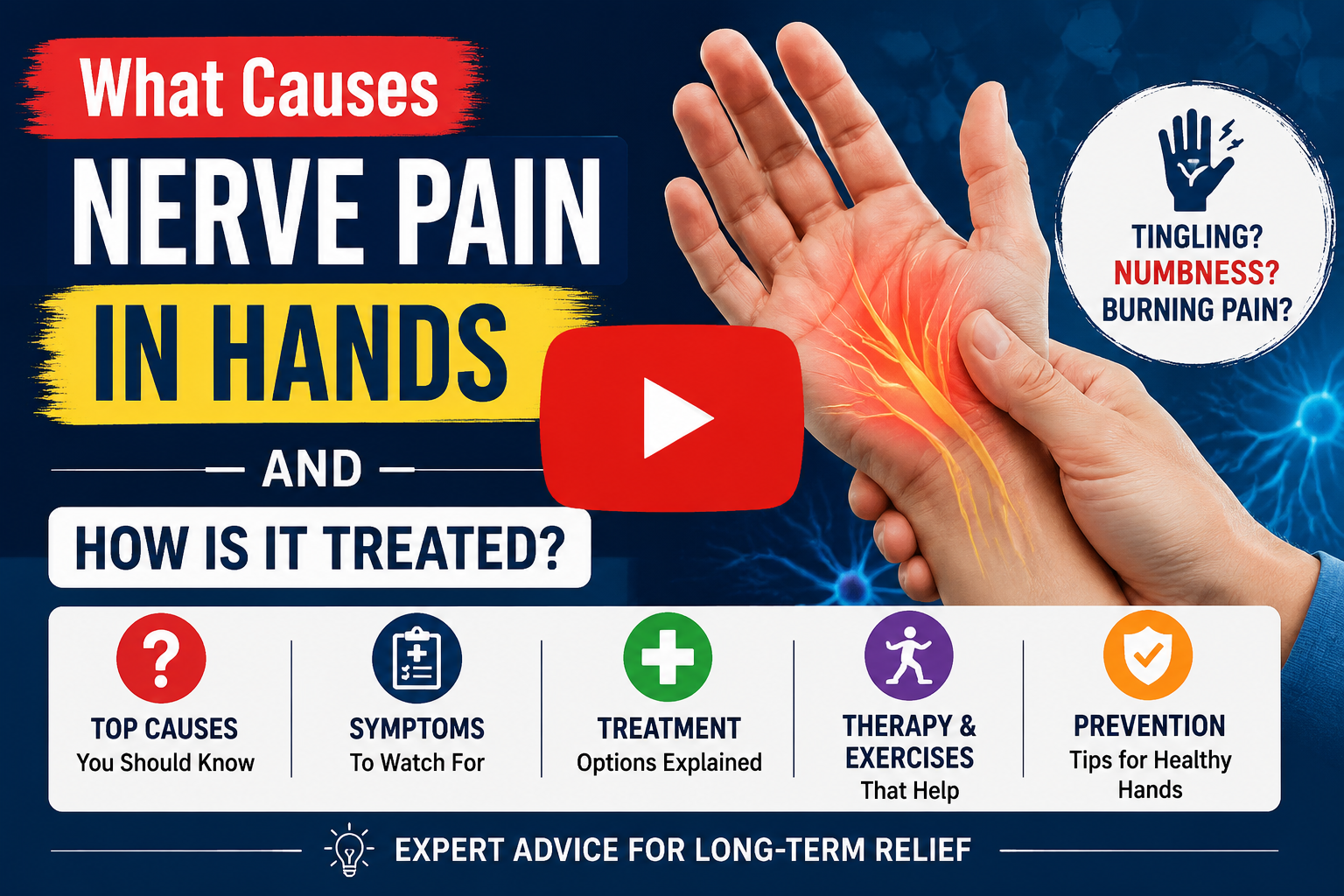

Understanding Nerve Pain in the Hands
The hands are controlled by a complex network of nerves that originate from the neck and travel through the shoulder, arm, and wrist. These nerves carry signals between the brain and hand muscles, allowing movement, touch, temperature sensation, and coordination.
When these nerves are irritated, compressed, or damaged, abnormal signals are sent to the brain, resulting in nerve pain. According to medical research, peripheral nerve disorders are among the most common causes of chronic hand pain and discomfort.
Nerve pain in the hands typically falls into two broad categories:
- Compression nerve pain (such as carpal tunnel syndrome)
- Peripheral nerve damage (such as diabetic neuropathy)
Both types can produce similar symptoms but require different treatment approaches.
Common Causes of Nerve Pain in Hands
There are many possible causes of nerve pain in the hands. Some are temporary and mild, while others may be chronic and progressive.
1. Carpal Tunnel Syndrome (Most Common Cause)
Carpal tunnel syndrome occurs when the median nerve is compressed as it passes through a narrow passageway in the wrist called the carpal tunnel. This compression leads to tingling, numbness, and pain in the thumb, index, and middle fingers, and part of the ring finger.
This condition is one of the most frequent nerve entrapment disorders affecting the hand.
Common causes include:
- Repetitive hand movements
- Prolonged computer or phone use
- Wrist injury or inflammation
- Fluid retention (common in pregnancy)
- Arthritis
Symptoms often worsen at night and may include weakness in grip strength.
2. Peripheral Neuropathy
Peripheral neuropathy refers to damage to the peripheral nerves, which connect the brain and spinal cord to the rest of the body. When these nerves are affected in the hands, pain, burning, tingling, or loss of sensation can occur.
This condition can be caused by many underlying issues, including diabetes, infections, autoimmune diseases, and vitamin deficiencies
Common triggers include:
- Diabetes (most common cause)
- Alcohol abuse
- Vitamin B12 deficiency
- Thyroid disorders
- Exposure to toxins
Peripheral neuropathy often affects both hands symmetrically and may gradually worsen over time.
3. Pinched Nerve in the Wrist or Arm
A pinched nerve occurs when surrounding tissues such as bones, muscles, or tendons place excessive pressure on a nerve. This can happen anywhere along the nerve pathway—from the neck to the wrist.
Symptoms include:
- Sharp or burning pain
- Tingling sensations
- Muscle weakness
- Radiating pain into fingers or forearm
This condition is often caused by poor posture, repetitive strain, or injury.
4. Cervical Radiculopathy (Neck-Related Nerve Compression)
Sometimes, nerve pain in the hands originates in the neck rather than the wrist or hand. Cervical radiculopathy occurs when nerves in the cervical spine are compressed due to a herniated disc or bone spurs.
This can cause:
- Pain that travels from the neck to the hand
- Numbness in fingers
- Weak grip strength
Because symptoms overlap with hand conditions, proper diagnosis is important.

5. Arthritis-Related Nerve Irritation
Both osteoarthritis and rheumatoid arthritis can contribute to nerve pain in the hands. Swollen joints can place pressure on nearby nerves, leading to discomfort and reduced mobility.
Inflammation may also directly affect nerve function, causing stiffness, tingling, or aching pain.
6. Repetitive Strain Injuries (RSI)
Repeated movements such as typing, writing, or using vibrating tools can irritate nerves over time. This is especially common in office workers, factory workers, and athletes.
RSI-related nerve pain may develop slowly and worsen without rest or ergonomic correction.
7. Ganglion Cysts
A ganglion cyst is a fluid-filled lump that can form near joints or tendons in the wrist or hand. If the cyst presses on a nerve, it can cause pain, tingling, or weakness in the hand.
8. Vitamin Deficiencies and Metabolic Issues
Deficiencies in essential nutrients—especially vitamin B12—can damage nerves and lead to chronic pain or numbness. Metabolic conditions like diabetes further increase the risk of nerve dysfunction.
Symptoms of Nerve Pain in Hands
Symptoms can vary depending on the underlying cause, but commonly include:
- Tingling or “pins and needles” sensation
- Burning or stabbing pain
- Numbness in fingers or palm
- Weak grip or dropping objects
- Increased pain at night
- Sensitivity to touch or temperature
In many cases, symptoms begin gradually and worsen over time if not treated.
How Nerve Pain in Hands Is Diagnosed
Doctors use a combination of methods to identify the exact cause of nerve pain:
Physical Examination
A doctor checks:
- Hand strength
- Reflexes
- Sensation response
- Range of motion
Nerve Conduction Studies
These tests measure how fast electrical signals travel through nerves. Slow or weak signals often indicate nerve damage or compression.
Imaging Tests
X-rays, MRI, or ultrasound may be used to detect:
- Nerve compression
- Arthritis changes
- Disc problems in the spine
Blood Tests
Used to identify:
- Diabetes
- Vitamin deficiencies
- Autoimmune disorders
Accurate diagnosis is essential because treatment depends heavily on the underlying cause.
Treatment Options for Nerve Pain in Hands
Treatment for nerve pain in the hands focuses on reducing pain, relieving pressure on affected nerves, and improving overall nerve function.
Depending on the cause and severity, options may include lifestyle changes, medications, physical therapy, and in some cases, surgical intervention. Early treatment often helps prevent worsening symptoms and long-term nerve damage.
Mild cases may improve with rest, improved ergonomics, and avoiding repetitive hand strain, while more persistent pain may require anti-inflammatory medicines, nerve pain medications, splints, or targeted physical therapy exercises.
In severe or chronic cases, doctors may recommend steroid injections or surgery to relieve nerve compression and restore normal hand function.
1. Lifestyle Changes and Rest
Reducing repetitive hand movements and allowing proper rest helps decrease nerve irritation. Simple ergonomic adjustments in daily activities can significantly reduce pressure on affected nerves.
- Reduce repetitive hand movements
- Take frequent breaks during work
- Improve posture
- Avoid excessive wrist strain
Rest allows irritated nerves to heal naturally.
2. Medications
Doctors may prescribe anti-inflammatory drugs or nerve pain medications to control pain and swelling. These medicines help calm irritated nerves and improve daily comfort.
- Pain relievers (NSAIDs)
- Anti-inflammatory drugs
- Nerve pain medications (such as gabapentin or pregabalin)
- Corticosteroid injections for inflammation
These help reduce pain and swelling around affected nerves.

3. Wrist Splints or Braces
Splints are especially helpful for carpal tunnel syndrome. They keep the wrist in a neutral position, reducing pressure on the median nerve. Night splinting is commonly recommended.
4. Physical Therapy
Targeted exercises help improve flexibility, strength, and nerve movement. Physical therapy also promotes better blood flow and reduces stiffness in the hand and wrist.
- Nerve gliding exercises
- Hand strengthening routines
- Stretching exercises
- Posture correction techniques
Physical therapy helps restore movement and reduce nerve compression.
5. Vitamin and Nutritional Support
Essential nutrients like vitamin B12 and B-complex vitamins support healthy nerve function. Proper nutrition helps repair damaged nerves and prevents further deterioration.
6. Surgery (For Severe Cases)
Surgery is considered when other treatments fail to relieve symptoms. It helps release pressure on trapped nerves and restores normal hand function.
- Carpal tunnel release surgery reduces pressure on the median nerve
- Decompression surgery may relieve pinched nerves in other areas
Surgery is typically considered only when symptoms become severe or persistent.
7. Managing Underlying Conditions
- Diabetes management for diabetic neuropathy
- Treating thyroid disorders
- Controlling autoimmune diseases
- Avoiding toxins or alcohol abuse
Home Remedies for Mild Nerve Pain
Some supportive home strategies include:
- Applying warm or cold compresses
- Practicing hand stretching exercises
- Improving ergonomic workspace setup
- Using stress reduction techniques like yoga or meditation
- Maintaining proper hydration and diet
These remedies may help reduce mild symptoms but should not replace medical care.
Can Nerve Pain in Hands Be Prevented?
While not all cases are preventable, risk can be reduced by:
- Maintaining good posture during work
- Using ergonomic keyboards and tools
- Avoiding repetitive strain
- Managing chronic conditions like diabetes
- Taking regular breaks from hand activities
- Eating a nutrient-rich diet
Early awareness and prevention are key to avoiding long-term nerve damage.
When to See a Doctor
You should seek medical attention if you experience:
- Persistent numbness or tingling
- Weakness in the hand or fingers
- Pain that worsens over time
- Loss of coordination or grip strength
Early diagnosis improves treatment success and reduces the risk of permanent nerve damage.
Conclusion
Nerve pain in the hands is a complex condition with many possible causes, ranging from carpal tunnel syndrome and repetitive strain injuries to diabetes-related neuropathy and spinal nerve compression.
While symptoms may start mildly, ignoring them can lead to long-term complications, including permanent nerve damage.
The good news is that most cases can be effectively managed with early diagnosis, lifestyle changes, medications, physical therapy, and, in some cases, surgical treatment. Understanding the root cause is the most important step toward lasting relief.
If you are experiencing ongoing hand pain, numbness, or tingling, seeking an early medical evaluation can make a significant difference in recovery and quality of life.
References
About Us