Weight loss trends spread rapidly across social media platforms, often promising fast and effortless results. One unusual and increasingly discussed combination is Vaseline with chocolate for weight loss.
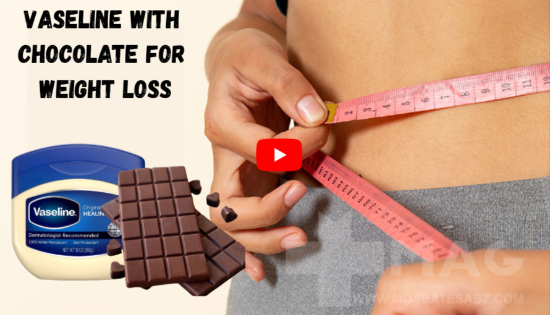

Vaseline with chocolate is not a safe or proven weight loss method. Eating petroleum jelly can harm digestion and offers no fat-burning benefits.
Some online posts claim that mixing petroleum jelly with chocolate can suppress appetite, reduce fat absorption, or help shed pounds quickly.
What Is Vaseline?
Vaseline is a brand name for petroleum jelly, a semi-solid mixture of hydrocarbons derived from petroleum. It is widely used for:
-
Moisturizing dry skin
-
Healing minor cuts and burns
-
Protecting skin from irritation
-
Preventing diaper rash
Vaseline is designed for external use only. It is not food-grade, not digestible in a beneficial way, and not meant to be consumed.
Petroleum jelly works by forming a protective barrier on the skin that locks in moisture. This occlusive property makes it effective topically — but that same property becomes problematic when ingested.
Why Do People Think Vaseline With Chocolate Helps Weight Loss?
The idea appears to stem from a few misconceptions:
-
Petroleum jelly is indigestible — some assume it may block fat absorption.
-
Chocolate suppresses cravings — dark chocolate can reduce appetite temporarily.
-
The combination is believed to “coat the stomach” and reduce hunger.
However, none of these assumptions are scientifically supported for weight loss purposes.
Ingesting petroleum jelly does not selectively block calories. Instead, it can interfere with digestion and potentially cause gastrointestinal distress.
Is Vaseline Safe to Eat?
Petroleum jelly is considered minimally toxic in small accidental amounts, but it is not food and not intended for ingestion.
Possible risks of consuming petroleum jelly include:
-
Stomach cramps
-
Diarrhea
-
Nausea
-
Vomiting
-
Aspiration risk (if inhaled into lungs)
-
Long-term digestive irritation
The U.S. Food and Drug Administration does not classify petroleum jelly as a dietary substance for weight management. While highly refined petroleum jelly used in cosmetics is purified, that does not make it safe or beneficial as a food product.
Repeated ingestion can also interfere with nutrient absorption.
What Happens When You Eat Petroleum Jelly?
Petroleum jelly is not absorbed into the bloodstream in the way nutrients are. Instead:
-
It may pass through the digestive tract.
-
It can act as a lubricant laxative in large amounts.
-
It may disrupt normal bowel function.
Using petroleum jelly internally for weight loss is not medically recommended and may create more harm than benefit.
What About Chocolate for Weight Loss?
Chocolate, especially dark chocolate (70% cocoa or higher), has been studied for:
-
Appetite regulation
-
Mood improvement
-
Antioxidant content
-
Cardiovascular support
Some research suggests small amounts of dark chocolate may reduce cravings due to its rich flavor and polyphenol content.
However:
-
Milk chocolate is high in sugar.
-
Chocolate is calorie-dense.
-
Excess intake contributes to weight gain.
Chocolate alone does not cause weight loss — calorie balance determines weight changes.
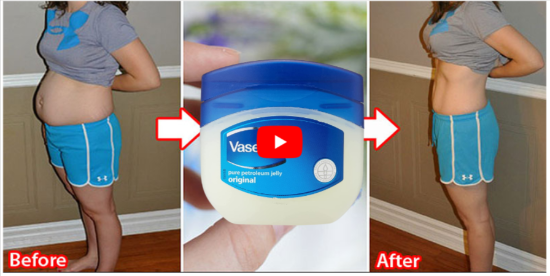
The Science of Weight Loss
Sustainable fat loss occurs when:
Calorie expenditure exceeds calorie intake over time.
This process involves:
-
Metabolism
-
Hormones
-
Activity levels
-
Sleep quality
-
Nutrient intake
-
Stress management
There is no evidence that Vaseline combined with chocolate alters metabolic rate or fat oxidation.
Why Quick-Fix Weight Loss Hacks Are Dangerous
Many viral trends promote unconventional combinations. The danger lies in:
-
Lack of clinical testing
-
Absence of long-term safety data
-
Potential digestive harm
-
Delayed medical care
-
Psychological distress from failed results
Healthy weight loss should never involve ingesting non-food substances.
Potential Health Risks of Vaseline With Chocolate
Mixing petroleum jelly with chocolate does not make it safe. Potential concerns include:
1. Gastrointestinal Blockage
Large amounts of petroleum jelly may cause bowel irregularities.
2. Nutrient Malabsorption
Oil-based substances can interfere with fat-soluble vitamin absorption (A, D, E, K).
3. Aspiration Pneumonia Risk
Petroleum jelly can enter the lungs if regurgitated or inhaled.
4. Calorie Miscalculation
Chocolate adds calories — it does not reduce them.
Understanding Metabolism Properly
Your metabolism includes:
-
Basal metabolic rate (BMR)
-
Thermic effect of food
-
Physical activity
-
Non-exercise activity thermogenesis
Weight loss requires optimizing these systems through lifestyle changes — not ingesting petroleum derivatives.
Psychological Drivers Behind Such Trends
Why do extreme methods gain popularity?
-
Frustration with slow progress
-
Desire for rapid transformation
-
Social media influence
-
Misinterpretation of “fat-blocking” ideas
The appeal of effortless weight loss often overrides critical thinking.
Evidence-Based Alternatives for Healthy Weight Loss
Instead of unsafe combinations, consider science-backed methods:
1. Protein-Rich Diet
Protein increases satiety and preserves lean muscle.
2. Fiber Intake
Vegetables and whole grains slow digestion and reduce overeating.
3. Strength Training
Builds muscle, increases resting metabolism.
4. Adequate Sleep
Poor sleep disrupts hunger hormones (ghrelin and leptin).
5. Hydration
Water supports metabolic efficiency.

The Role of Gut Health in Weight Regulation
The digestive system plays a powerful role in body weight management. Your gut microbiome — the trillions of bacteria living in your intestines — influences metabolism, hunger hormones, fat storage, and inflammation.
When people experiment with non-food substances like petroleum jelly, they risk disrupting the natural balance of gut bacteria.
A healthy gut supports nutrient absorption, stable blood sugar, and appetite control, all of which are essential for sustainable weight loss. Instead of risky trends, supporting gut health through fiber, probiotics, fermented foods, and hydration is a far safer and scientifically backed approach.
Why Oil-Based Substances Don’t Cause Fat Loss
Some online claims suggest that oily or greasy substances “flush out fat.” This is biologically inaccurate. Fat loss occurs when stored triglycerides are broken down through hormonal signaling and energy deficit — not when oils pass through the digestive tract.
Petroleum jelly does not chemically bind body fat or remove stored fat from tissues. Body fat is reduced through metabolic processes, not through coating the stomach or intestines.
Calorie Density Comparison
Understanding calorie density helps clarify why chocolate does not promote fat loss when consumed excessively.
| Food Item | Approx. Calories (per 100g) | Nutritional Value | Weight Loss Friendly? |
|---|---|---|---|
| Dark Chocolate (70%) | 500–600 kcal | Antioxidants | In moderation only |
| Milk Chocolate | 530–560 kcal | High sugar | Limited |
| Vegetables (leafy) | 20–40 kcal | High fiber | Yes |
| Lean Chicken Breast | 165 kcal | High protein | Yes |
| Petroleum Jelly | Not a food | None | No |
Chocolate contains beneficial compounds, but its calorie density makes portion control essential.
Signs a Weight Loss Trend Is Unsafe
Be cautious if a method:
-
Encourages consuming non-food substances
-
Promises rapid fat loss without diet or exercise
-
Lacks peer-reviewed scientific studies
-
Relies heavily on anecdotal testimonials
-
Discourages medical consultation
If something sounds extreme or unnatural, it likely is.
Can Topical Vaseline Help Weight Loss?
Some claim applying petroleum jelly with plastic wrap causes sweating and fat loss.
This only results in:
-
Temporary water loss
-
Dehydration
-
No fat reduction
Sweating does not equal fat burning.
What Real Fat Loss Looks Like
Healthy fat loss typically involves:
-
0.5–1 kg per week
-
Improved energy levels
-
Stable mood
-
Better sleep
-
Sustainable eating patterns
Extreme or rapid methods often lead to rebound weight gain.
Expert Perspective
From a medical and nutritional standpoint, the concept of consuming Vaseline with chocolate for weight loss is unsupported and potentially unsafe.
Weight loss should prioritize metabolic health, nutrient density, and long-term sustainability — not chemical shortcuts.
If you struggle with weight management, consult a registered dietitian or healthcare provider rather than relying on viral remedies.
The Bottom Line
The idea of Vaseline with chocolate for weight loss is a myth.
-
It does not increase metabolism.
-
It does not block fat effectively.
-
It does not reduce calorie absorption safely.
-
It may cause digestive problems.
True health transformation happens through informed, evidence-based choices — not through ingesting cosmetic products.
References Link
- Petroleum Jelly
https://www.webmd.com/skin-problems-and-treatments/ss/slideshow-petroleum-jelly-uses
- Effects of Cocoa Polyphenols and Dark Chocolate on Obese Adults
https://pmc.ncbi.nlm.nih.gov/articles/PMC7760201/
- Can Dark Chocolate Help You Lose Weight?
https://www.healthline.com/nutrition/dark-chocolate-weight-loss
.