Varicose veins are more than a cosmetic concern. For many people, they cause aching, heaviness, swelling, and discomfort that worsen after long hours of standing or sitting.
One of the most common non-surgical treatments is injection therapy, medically known as sclerotherapy. While this procedure is widely considered safe and effective, understanding varicose vein injections is essential before deciding on treatment.
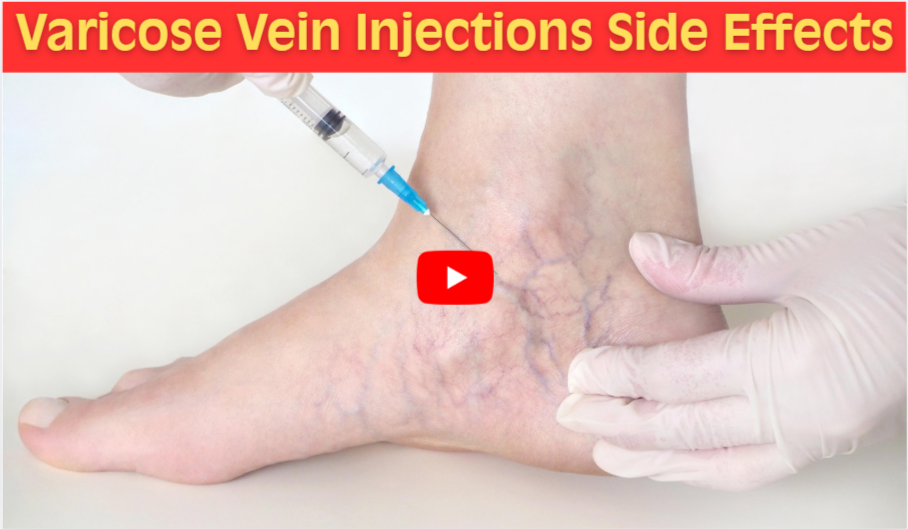

Varicose vein injections can cause swelling, bruising, skin discoloration, and, rarely, blood clots. Most side effects are mild, temporary, and resolve naturally.
Every medical procedure, even minimally invasive ones, comes with potential risks and side effects. Being informed allows you to make confident decisions about your vascular health.
In this comprehensive guide, we’ll explore:
-
What are varicose vein injections are
-
How the procedure works
-
Common side effects
-
Rare but serious complications
-
Who is at higher risk
-
How to reduce complications
-
When to seek medical attention
-
Long-term outcomes
What Are Varicose Vein Injections?
Varicose vein injections refer to a treatment called sclerotherapy. This technique involves injecting a special solution directly into the affected vein. The solution irritates the vein lining, causing it to collapse and eventually be absorbed by the body.
Sclerotherapy has been used since the 19th century and has evolved significantly with safer and more effective agents.
It is commonly used for:
-
Small to medium varicose veins
-
Spider veins
-
Cosmetic vein concerns
-
Symptomatic superficial venous insufficiency
There are two main types:
-
Liquid sclerotherapy
-
Foam sclerotherapy (often used for larger veins)
The treated vein does not disappear immediately; it gradually fades over weeks to months.
How the Procedure Works
Understanding the mechanism helps explain why side effects occur.
The injected solution (called a sclerosant) damages the inner lining of the vein. This causes:
-
Inflammation
-
Closure of the vein
-
Formation of scar tissue
-
Gradual absorption by the body
Common sclerosants include:
-
Polidocanol
-
Sodium tetradecyl sulfate (STS)
-
Hypertonic saline
The body then redirects blood flow to healthier veins.
Because the treatment intentionally causes localized inflammation, mild side effects are expected.
Common Varicose Vein Injections Side Effects
Most side effects are mild, temporary, and resolve without intervention.
1. Bruising
Bruising at the injection site is extremely common.
-
Appears within 1–2 days
-
Fades over 1–3 weeks
-
Usually harmless
Bruising does not indicate treatment failure.
2. Swelling
Mild swelling may occur in the treated area.
-
Typically short-term
-
More common in larger vein treatments
-
Improved with compression stockings
3. Redness and Tenderness
Some patients experience mild inflammation or soreness.
-
Feels similar to a minor muscle strain
-
Improves within days
-
Managed with over-the-counter pain relievers
Temporary inflammation is a normal part of vein closure.
4. Skin Discoloration (Hyperpigmentation)
One of the more noticeable side effects.
-
Brown lines or patches may appear along treated veins
-
Occurs in about 10–30% of patients
-
Usually fades within 3–12 months
In rare cases, pigmentation may be permanent.
Skin staining happens due to trapped blood breakdown products.
5. Small Skin Sores (Ulcers)
Rare but possible if sclerosant leaks outside the vein.
-
Small painful ulcer near injection site
-
May leave minor scar
-
Requires prompt medical attention
6. Lumps or Hardened Areas
Also known as “trapped blood” or superficial clotting.
-
Feels like small knots
-
May be tender
-
Can be drained if needed
This is not the same as deep vein thrombosis.
7. Itching
Temporary itching may occur after injection.
-
Usually mild
- Resolves within hours to days
Less Common but More Serious Side Effects
Although rare, these complications require awareness.
1. Deep Vein Thrombosis (DVT)
DVT is a blood clot in a deep vein, typically in the leg.
Symptoms may include:
-
Severe leg swelling
-
Warmth
-
Redness
DVT is rare but potentially dangerous if untreated.
Risk increases in patients with clotting disorders or prolonged immobility.
2. Pulmonary Embolism
If a clot travels to the lungs, it can cause:
-
Sudden shortness of breath
-
Chest pain
-
Rapid heart rate
This is extremely rare in sclerotherapy but requires emergency care.
3. Allergic Reactions
Some individuals may react to the sclerosant.
Symptoms include:
-
Rash
-
Hives
-
Swelling
-
Breathing difficulty
Severe allergic reactions are very uncommon.
4. Nerve Injury
Temporary nerve irritation may cause:
-
Numbness
-
Tingling
-
Burning sensation
Permanent nerve damage is rare.
5. Matting (New Tiny Veins)
Some patients develop new tiny red vessels near treated areas.
-
Occurs in about 10–15% of cases
-
Often resolves spontaneously
-
May require additional treatment
Risk Factors for Side Effects
Certain individuals may be more prone to complications:
-
History of blood clots
-
Pregnancy
-
Obesity
-
Smoking
-
Hormone therapy use
-
Clotting disorders
-
Limited mobility
A thorough medical history significantly reduces risks.
What to Expect After Treatment
After sclerotherapy:
-
You may walk immediately
-
Compression stockings are typically required
-
Avoid heavy exercise for a few days
-
Avoid hot baths and sun exposure
Walking daily helps prevent clot formation.
Mild side effects may appear within 24–48 hours.
How Long Do Side Effects Last?
| Side Effect | Typical Duration |
|---|---|
| Bruising | 1–3 weeks |
| Swelling | Few days |
| Pigmentation | 3–12 months |
| Tenderness | 2–7 days |
| Lumps | Few weeks |
If symptoms worsen or persist beyond expected timeframes, medical review is necessary.
When to Seek Medical Attention
Contact a healthcare provider if you experience:
-
Severe swelling
-
Persistent pain
-
Sudden shortness of breath
-
Chest pain
-
Signs of infection (fever, pus)
-
Leg warmth and redness
Early evaluation prevents serious complications.
How to Reduce Varicose Vein Injection Side Effects
Patients can reduce risk by:
-
Wearing compression stockings as instructed
-
Staying active after treatment
-
Avoiding prolonged sitting
-
Following post-care guidelines
-
Reporting unusual symptoms early
Choosing an experienced vascular specialist also lowers complication rates.
Are Varicose Vein Injections Safe?
Sclerotherapy is considered one of the safest vein treatments available.
According to vascular surgery and dermatology studies:
-
High success rate
-
Low complication rate
-
Minimally invasive
-
No general anesthesia required
For most patients, benefits outweigh risks when performed correctly.
Long-Term Results
Most treated veins do not return. However:
-
New varicose veins can develop
-
Maintenance treatments may be needed
-
Lifestyle changes help prevent recurrence
Maintaining healthy circulation is essential for long-term success.
Frequently Asked Questions
Is the procedure painful?
Most patients describe mild stinging. Discomfort is minimal and brief.
Can side effects be permanent?
Permanent complications are rare but possible, especially pigmentation.
How many sessions are required?
Depends on severity. Many patients require 1–3 sessions.
Is foam sclerotherapy riskier?
Foam is slightly associated with temporary visual disturbances but remains safe when performed properly.
Comparing Sclerotherapy to Other Treatments
Other vein treatments include:
-
Endovenous laser therapy (EVLT)
-
Radiofrequency ablation
-
Vein stripping surgery
Compared to surgery, injections:
-
Require no incisions
-
Have faster recovery
-
Have fewer systemic risks
However, larger veins may require alternative approaches.
Who Should Avoid Varicose Vein Injections?
Sclerotherapy may not be recommended for:
-
Pregnant individuals
-
Active DVT patients
-
Severe peripheral artery disease
-
Uncontrolled diabetes with wound issues
A personalized medical evaluation determines suitability.
Emotional and Cosmetic Considerations
Beyond medical symptoms, varicose veins impact confidence.
Understanding realistic expectations reduces dissatisfaction.
Some side effects, like temporary staining, can cause anxiety but often resolve with time.
Final Thoughts
Varicose vein injections are a widely trusted and effective treatment for visible and symptomatic veins. While side effects such as bruising, swelling, and skin discoloration are common, they are typically temporary and manageable.
Serious complications are rare but should never be ignored. Being informed, following post-treatment instructions, and choosing experienced providers significantly reduce risk.
If you’re considering treatment, discussing your medical history, medications, and concerns with a qualified professional ensures the safest possible outcome.
References Link
- Neurological complications of sclerotherapy for varicose veins
https://www.ncbi.nlm.nih.gov/books/NBK84688/
- Sclerotherapy for Varicose and Spider Veins
https://www.webmd.com/skin-problems-and-treatments/cosmetic-procedures-sclerotherapy
.