
Peripheral Neuropathy Treatment: Diagnosis & Care Guide
Peripheral neuropathy is a complex neurological condition that affects millions of people worldwide and occurs when nerves outside the brain and spinal cord become damaged.
These peripheral nerves are responsible for transmitting signals related to sensation, movement, and autonomic functions such as blood pressure and digestion.
When these nerves are impaired, patients may experience pain, tingling, numbness, or weakness, often beginning in the hands and feet and gradually progressing upward.
Effective treatment of peripheral neuropathy is not based on a single cure but on a multi-layered approach that targets the underlying cause, manages symptoms, and improves quality of life.
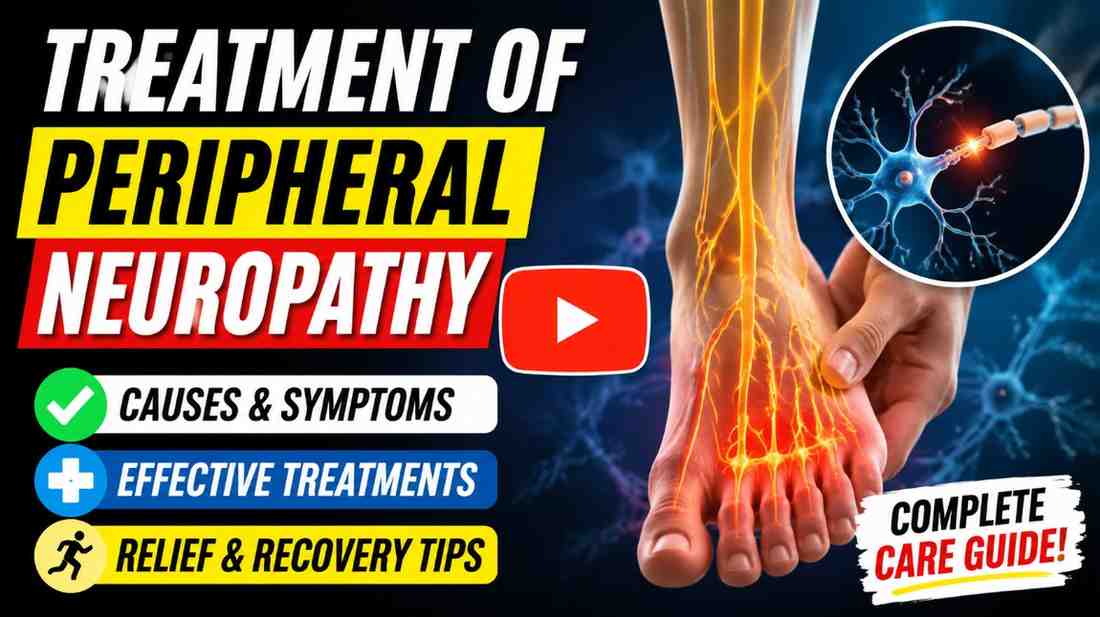

This article provides a detailed, medically grounded exploration of how peripheral neuropathy is diagnosed and treated using modern clinical practices.
Understanding Peripheral Neuropathy
Peripheral neuropathy refers to damage to the peripheral nervous system, which consists of nerves outside the brain and spinal cord.
According to clinical research, there are more than 200 potential causes of this condition, making it one of the most diverse neurological disorders.
The most common cause globally is diabetes, particularly when blood sugar levels remain uncontrolled over time.
Other causes include vitamin deficiencies (especially vitamin B12), infections, autoimmune diseases, toxic exposure, alcohol misuse, inherited disorders, and certain medications.
Once nerve damage begins, it may affect:
- Sensory nerves (responsible for pain, temperature, and touch)
- Motor nerves (responsible for muscle movement)
- Autonomic nerves (responsible for internal organ regulation)
Because multiple nerve types may be involved, symptoms can vary widely between patients.
Common Symptoms of Peripheral Neuropathy
Symptoms depend on which nerves are affected, but they typically develop gradually and worsen over time. The most frequently reported symptoms include:
- Tingling or “pins and needles” sensation in hands or feet
- Burning or stabbing pain, often worse at night
- Numbness or reduced ability to feel temperature and pain
- Muscle weakness and loss of coordination
- Sensitivity to touch, even from light pressure
- Digestive issues or abnormal sweating (autonomic involvement)
In many cases, symptoms begin in the toes or feet and slowly progress upward in a “stocking-glove” pattern.
👉 DON’T TRY THIS “PERIPHERAL NEUROPATHY TREATMENT” UNTIL YOU SEE THIS
Diagnosis: Identifying the Root Cause
Successful treatment begins with accurate diagnosis. Since peripheral neuropathy is not a single disease but a symptom of underlying conditions, doctors use multiple tests to identify the cause.
Common diagnostic approaches include:
- Blood tests to check glucose levels and vitamin deficiencies
- Nerve conduction studies to evaluate electrical signal speed in nerves
- Electromyography (EMG) to assess muscle response
- Skin or nerve biopsy in complex cases
- Autonomic testing for blood pressure and sweating irregularities
Doctors also review medical history, medication use, lifestyle factors, and exposure to toxins. Identifying the root cause is essential because treatment varies significantly depending on the origin of nerve damage.
Primary Goals of Treatment
There is currently no universal cure for peripheral neuropathy. Instead, treatment focuses on five major goals:
- Treating the underlying cause
- Relieving nerve pain and discomfort
- Preventing further nerve damage
- Improving physical function and mobility
- Enhancing overall quality of life
The effectiveness of treatment depends largely on how early the condition is diagnosed and how well the underlying cause is managed.
1. Treating the Underlying Cause
The most important step in managing peripheral neuropathy is addressing the root cause. Without this step, symptoms may continue to worsen.
Diabetes management
For diabetic neuropathy, controlling blood sugar is the most effective strategy. Maintaining stable glucose levels can slow nerve damage progression and, in some cases, reduce symptoms over time.
Nutritional deficiencies
If neuropathy is caused by vitamin deficiencies, especially vitamin B12 supplementation, it can significantly improve nerve function.
Infection-related neuropathy
Treating infections such as HIV, Lyme disease, or shingles with appropriate antiviral or antibiotic therapy can help prevent further nerve damage.
Autoimmune conditions
In cases where the immune system attacks nerve tissue, immunosuppressive therapies or corticosteroids may be used to reduce inflammation.
Toxic or drug-induced neuropathy
Stopping exposure to toxins, alcohol, or neurotoxic medications may prevent further nerve injury.
2. Medications for Neuropathic Pain Relief
Pain management is one of the most critical aspects of treatment because neuropathic pain can be persistent and severe.
Commonly used medications include:
- Anticonvulsants such as gabapentin and pregabalin
- Antidepressants such as duloxetine and amitriptyline
- Topical treatments like capsaicin cream or lidocaine patches
- Pain-modulating medications for severe cases
These medications do not reverse nerve damage, but help reduce abnormal pain signaling from damaged nerves.
Combination therapy is often used when single medications are not effective.
3. Lifestyle Modifications for Nerve Health
Lifestyle changes play a major role in managing peripheral neuropathy and preventing progression.
Healthy diet
A balanced diet rich in vitamins, antioxidants, and lean proteins supports nerve repair and metabolic health.
Regular exercise
Low-impact activities such as walking, swimming, or cycling improve blood circulation and reduce nerve-related pain.
Weight management
Maintaining a healthy weight reduces pressure on nerves, especially in diabetic patients.
Avoiding alcohol and smoking
Alcohol can directly damage nerves, while smoking reduces blood flow, worsening nerve injury.
Foot care
For patients with lower limb neuropathy, daily foot inspection is essential to prevent unnoticed injuries or infections.

4. Physical Therapy and Rehabilitation
Physical therapy is an important part of long-term neuropathy management. It helps patients maintain mobility, balance, and muscle strength.
Therapies may include:
- Strength training exercises
- Balance and coordination training
- Gait correction techniques
- Stretching programs to reduce stiffness
Occupational therapy may also help patients adapt daily activities and maintain independence.
5. Advanced and Emerging Treatments
For severe or treatment-resistant cases, advanced therapies may be considered.
Nerve stimulation therapies
Electrical nerve stimulation techniques may help reduce chronic pain by altering pain signal transmission.
Scrambler therapy
This non-invasive method uses electrical stimulation to “retrain” pain pathways in the nervous system.
Clinical trials and regenerative approaches
Ongoing research explores stem cell therapy, immune-modulating treatments, and nerve regeneration techniques to restore damaged nerves.
While promising, many of these treatments are still under study and are not widely available.
Prognosis and Long-Term Management
The prognosis of peripheral neuropathy depends entirely on its cause and how early it is treated. In many cases, nerve damage cannot be fully reversed, but progression can often be slowed or stabilized.
Patients who manage underlying conditions effectively, maintain healthy lifestyle habits, and follow medical guidance tend to experience better long-term outcomes. Early intervention is key to preventing permanent nerve damage.
👉 DON’T TRY THIS “PERIPHERAL NEUROPATHY TREATMENT” UNTIL YOU SEE THIS
Living with Peripheral Neuropathy
Living with peripheral neuropathy can be challenging, but many patients can maintain a good quality of life with proper care. Emotional support, consistent medical follow-up, and symptom management strategies are essential.
Patients are encouraged to:
- Monitor symptoms regularly
- Follow treatment plans consistently
- Avoid triggers that worsen symptoms
- Stay physically active within safe limits
With a structured treatment approach, many individuals experience meaningful improvement in symptoms and daily functioning.
Conclusion
Peripheral neuropathy is a multifactorial neurological condition requiring a comprehensive and individualized treatment approach.
While there is no single cure, modern medicine offers effective strategies to manage symptoms, slow disease progression, and improve quality of life.
Early diagnosis, proper control of underlying diseases such as diabetes, and targeted symptom management remain the cornerstone of treatment.
With continued medical advances and supportive care, patients can achieve significant relief and maintain functional independence over time.
References
- https://www.mayoclinic.org/diseases-conditions/peripheral-neuropathy/symptoms-causes/syc-20352061
- https://www.webmd.com/brain/what-is-peripheral-neuropathy
- https://www.healthline.com/health/peripheral-neuropathy
.
About Us
