In recent years, natural vision improvement hacks have exploded across social media platforms. Among them, the spoon trick for vision has captured widespread attention, promising clearer eyesight using nothing more than a household spoon.
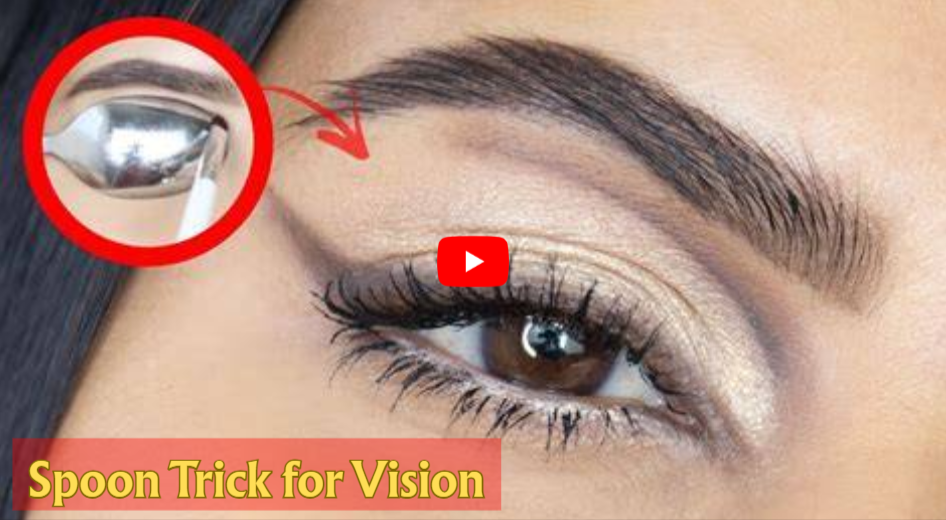

Videos claim that placing a spoon near the eyes, warming it, or using reflective techniques can sharpen vision, reduce eye strain, or even reverse poor eyesight.
The spoon trick for vision is a popular eye exercise myth. While it may relax eye muscles briefly, it cannot improve eyesight or cure vision problems.
What Is the Spoon Trick for Vision?
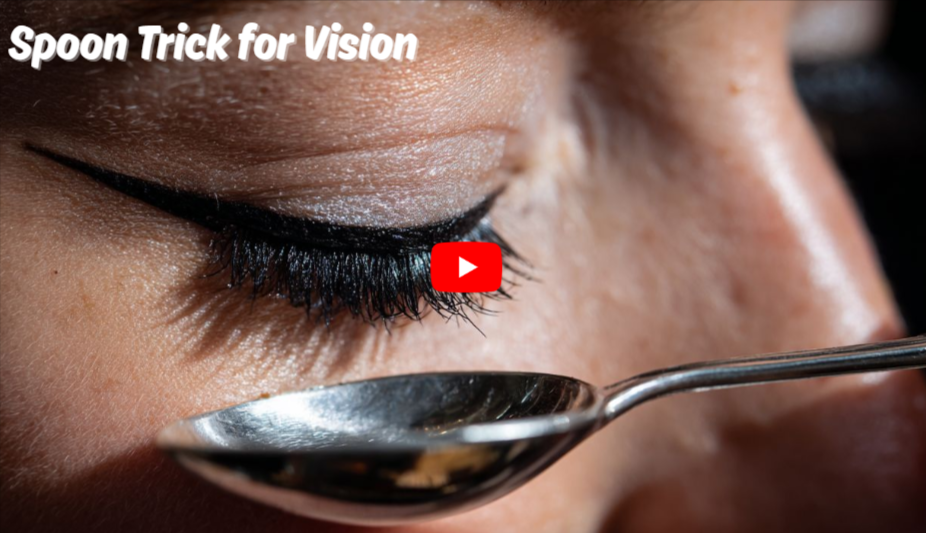
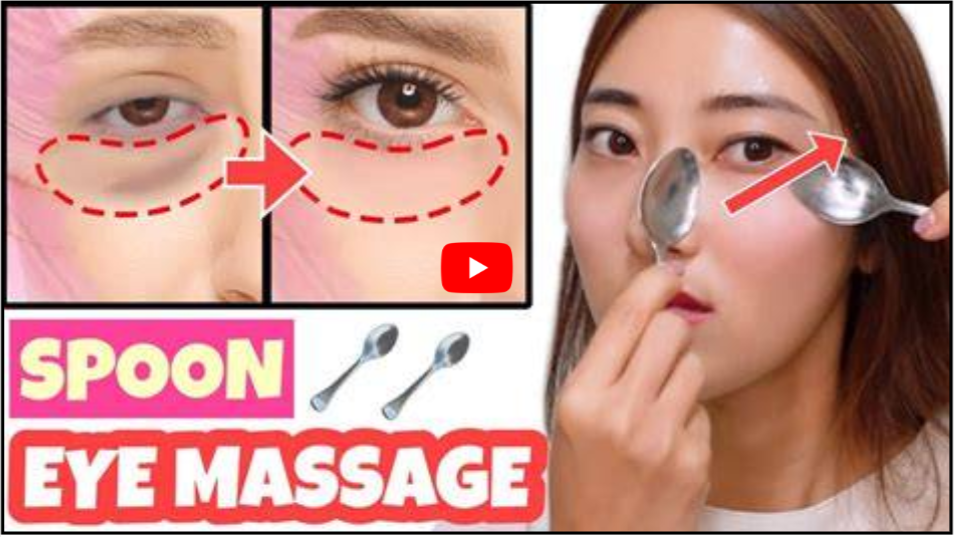
The spoon trick for vision is a non-medical practice that involves using a spoon in various ways near or around the eyes. Advocates claim it can improve eyesight, strengthen eye muscles, or reduce refractive errors.
There is no single standardized method, but common variations include:
-
Holding a spoon close to one eye while focusing on distant objects
-
Using a warm spoon over closed eyelids
-
Moving a spoon side to side to “train” eye muscles
-
Using the reflective surface to stimulate visual focus
Supporters often describe it as a form of eye exercise or alternative therapy.
Despite widespread sharing online, this technique is not supported by clinical research.
Where Did the Spoon Trick Originate?
The spoon trick for vision appears to stem from a blend of:
-
Folk remedies
-
Eye exercise theories
-
Visualization techniques
-
Social media wellness trends
Some proponents link it loosely to Bates Method concepts, an early 20th-century approach that claimed eyesight could be improved through relaxation and eye movement exercises.
However, modern ophthalmology has consistently found these methods ineffective for correcting vision problems.
Why People Believe the Spoon Trick Works
Several psychological and physiological factors explain why some people feel improvement after trying the spoon trick for vision.
1. Temporary Eye Relaxation
Staring at screens causes eye muscle fatigue. Taking a break—even with a spoon—can reduce discomfort.
Relief from eye strain can feel like better vision, even if eyesight hasn’t changed.
2. Placebo Effect
Belief plays a powerful role in perception. If someone expects improvement, the brain may interpret sensations more positively.
3. Improved Focus Awareness
Any activity that encourages conscious focusing may increase visual attention temporarily.
Common Claims About the Spoon Trick for Vision
| Claim | Scientific Verdict |
|---|---|
| Improves eyesight permanently | ❌ No evidence |
| Reverses myopia or hyperopia | ❌ Not possible |
| Strengthens eye muscles | ❌ Eye muscles don’t change refraction |
| Reduces eye strain | ✅ Temporary relief possible |
| Safe for everyone | ⚠️ Not guaranteed |
No credible medical organization endorses the spoon trick for vision.
How Vision Actually Works
To understand why the spoon trick falls short, it helps to know how eyesight functions.
Vision depends on:
-
Cornea shape
-
Lens flexibility
-
Retina health
-
Optic nerve signaling
-
Brain interpretation
Refractive errors occur when light does not focus correctly on the retina.
Common Vision Problems
-
Myopia (nearsightedness)
-
Hyperopia (farsightedness)
-
Astigmatism
-
Presbyopia
None of these conditions can be corrected by external objects like a spoon.
Can Eye Exercises Improve Vision?
Eye exercises can help with:
-
Eye coordination issues
-
Visual tracking problems
-
Certain binocular vision disorders
But they cannot reshape the eyeball or lens, which is required to correct refractive errors.
This is a crucial distinction often ignored by viral vision hacks.
Scientific Evidence on the Spoon Trick for Vision
Currently:
-
No peer-reviewed studies support its effectiveness
-
No ophthalmology guidelines recommend it
-
No clinical trials show long-term improvement
The absence of evidence is not proof of effectiveness—it’s a warning sign.
Potential Risks of the Spoon Trick
While seemingly harmless, there are risks to consider.
Physical Risks
-
Pressure on the eyes
-
Risk of infection from unclean utensils
-
Heat-related injury if using warm spoons
Medical Risks
-
Delayed diagnosis of serious eye conditions
-
Ignoring worsening vision
-
False sense of improvement
Relying on unproven methods may cost valuable time in treating real eye problems.
The Role of Eye Muscles in Vision
Your eyes have six tiny muscles controlling movement and focus. Many viral hacks, including the spoon trick for vision, claim to “strengthen” these muscles.
Facts to know:
-
Eye muscles are already strong and flexible
-
Exercises can help with coordination, not refractive errors
-
Overstraining may cause temporary fatigue or discomfort
Bullet points for clarity:
-
Muscles control eye movement, not lens shape
-
Eye exercises may improve focus and tracking
-
Refractive errors require corrective lenses or surgery
Table: Eye Muscles and Function
| Muscle Group | Function | Can Exercise Improve? |
|---|---|---|
| Superior rectus | Moves eye upward | No |
| Inferior rectus | Moves eye downward | No |
| Medial rectus | Moves eye inward | No |
| Lateral rectus | Moves eye outward | No |
| Superior oblique | Rotates eye inward & downward | No |
| Inferior oblique | Rotates eye outward & upward | No |
Natural Ways to Support Vision at Home
While tricks like using a spoon won’t correct eyesight, you can take practical steps to support eye health.
Daily habits play a major role in preventing eye strain and maintaining comfort. Simple lifestyle adjustments can reduce fatigue, slow progression of eye problems, and improve long-term eye comfort.
Actionable tips:
-
Follow the 20-20-20 rule: every 20 minutes, look 20 feet away for 20 seconds
-
Adjust screen brightness and reduce glare
-
Use proper lighting when reading
-
Include leafy greens and colorful vegetables rich in lutein and zeaxanthin
-
Stay hydrated to maintain tear film quality
Nutrients for Eye Health
| Nutrient | Source | Benefit |
|---|---|---|
| Vitamin A | Carrots, sweet potatoes | Supports night vision |
| Lutein & Zeaxanthin | Kale, spinach, egg yolk | Protects macula |
| Omega-3 Fatty Acids | Salmon, flaxseed | Reduces dry eye risk |
| Vitamin C & E | Citrus fruits, nuts | Prevents oxidative damage |
| Zinc | Pumpkin seeds, oysters | Supports retina health |
Eye-Friendly Lifestyle Habits
Beyond diet, lifestyle habits strongly influence eye comfort and visual performance. Minor adjustments can reduce eye strain and support overall vision health.
-
Limit screen time and take frequent breaks
-
Wear sunglasses with UV protection outdoors
-
Maintain good posture to reduce neck and eye strain
-
Quit smoking, which accelerates eye degeneration
-
Schedule regular eye checkups
The Psychology Behind Vision Hacks
The appeal of shortcuts like the spoon trick for vision is rooted in human psychology. People often look for quick fixes, especially for issues that affect daily life. The placebo effect and momentary relief can make unproven methods feel effective.
Bullet points:
-
Viral hacks appeal because they are simple and free
-
Short-term relaxation may mimic improvement
-
Social proof (likes and shares) increases credibility in the eyes of users
Why Social Media Fuels Vision Myths
Platforms reward content that is:
-
Simple
-
Visual
-
Surprising
-
Non-technical
The spoon trick for vision fits perfectly into short-form video formats.
Popularity does not equal medical accuracy.
Signs You Should See an Eye Specialist
Seek professional care if you experience:
-
Blurry or double vision
-
Frequent headaches
-
Eye pain or pressure
-
Light sensitivity
-
Sudden vision changes
Early diagnosis can prevent permanent vision damage.
Proven Ways to Protect and Support Vision
Instead of relying on viral tricks, focus on evidence-based strategies.
Healthy Vision Habits
-
Follow the 20-20-20 rule
-
Maintain proper screen distance
-
Blink regularly
Nutrition for Eye Health
-
Vitamin A
-
Lutein and zeaxanthin
-
Omega-3 fatty acids
Medical Care
-
Regular eye exams
-
Prescription glasses or contacts
-
Treatment of underlying conditions
These methods are supported by decades of scientific research.
Can Relaxation Improve Visual Comfort?
Yes—but comfort is not correction.
Relaxation techniques may:
-
Reduce eye fatigue
-
Ease tension headaches
-
Improve comfort during screen use
They do not change visual acuity.
Final Verdict
The spoon trick for vision is a viral myth, not a medical solution. While it may provide short-term relaxation or placebo-based comfort, it does not improve eyesight, reverse vision conditions, or replace professional eye care.
Trusting evidence-based eye health practices is the safest and most effective approach. Social media trends may be entertaining, but vision is too important to gamble on unverified methods.
If you’re concerned about your eyesight, the most reliable step is a comprehensive eye examination by a qualified professional.
References Link
- https://www.healthline.com/health/beauty-skin-care/make-eyes-look-more-awake
- https://www.webmd.com/eye-health/features/natural-vision-correction-does-it-work
- https://www.healthline.com/health/what-causes-prominent-veins-beneath-the-eyes-and-how-to-treat-them
.