Signs a GLP-1 Program Is Overpriced – How to Spot It?
Signs a GLP-1 Program Is Overpriced
GLP-1 medications like semaglutide and tirzepatide have transformed weight management care, but the rise of telehealth programs has also created a confusing pricing landscape.
Some patients pay fair, transparent monthly fees, while others end up locked into expensive programs that don’t clearly justify their cost.
If you’re considering a GLP-1 program, understanding when you’re being overcharged is just as important as understanding how the medication works.
Many programs bundle services, labs, consultations, and medication into one monthly fee—but not all bundles offer equal value.
Below are the clearest, real-world signs that a GLP-1 program may be overpriced.
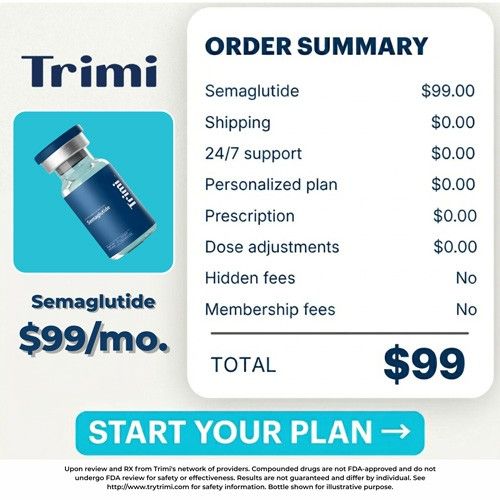
Overpriced GLP-1 programs often hide fees, inflate monthly costs, lock contracts, and lack clear clinical value or transparent pricing.
1. The Monthly Price Is Much Higher Than the Market Average
If the program charges significantly above typical GLP-1 telehealth pricing, it may not reflect true clinical value. Higher cost should come with better care, not just branding or packaging.
In 2026, many legitimate GLP-1 programs fall roughly in these ranges:
- Compounded semaglutide: about $99–$199/month in competitive programs
- Compounded tirzepatide: about $149–$300/month, depending on dose and provider
Some brand-name programs can reach $300–$449/month or higher, depending on pharmacy and insurance coverage
Why this matters
If a program is charging significantly above these ranges without clear added benefits, you’re likely paying for branding—not better care.
👉 GLP-1 Starting At $59 Per Month – 100% Online
2. Hidden Fees Are Added on Top of the Monthly Price
When extra costs like consultations, labs, or shipping are not included up front, the actual monthly expense becomes much higher. Lack of transparency often signals overpriced services.
Common hidden fees include:
- Separate consultation charges
- Monthly membership fees
- Mandatory lab fees
- Shipping or handling costs
- “Provider access” fees
Some programs advertise low entry prices but quietly stack extra costs during checkout.
Red flag behavior
If you cannot calculate your total monthly cost within 2–3 minutes of browsing the website, the pricing structure is likely designed to obscure the real price.
3. You’re Paying for Services You Don’t Actually Use
Some programs bundle coaching, apps, or extras that patients rarely use. If these features don’t improve your treatment results, they only inflate the total cost.
Examples include:
- Weekly coaching calls you never attend
- Generic nutrition PDFs reused for all patients
- “Premium dashboards” or apps with minimal functionality
- Unlimited messaging that is rarely used
Why does this lead to overpricing
Bundling inflates cost without improving outcomes. A $249/month plan that includes unnecessary features may be a worse value than a $149/month streamlined plan.
4. No Clear Breakdown of What You’re Paying For
Repeated or unnecessary bundled features increase pricing without adding real value. This often makes the program feel more expensive than it should be.
A legitimate GLP-1 program should clearly explain:
- Medication cost
- Clinical consultation cost
- Pharmacy and shipping cost
- Support services included
Warning sign
If the provider shows only a flat fee without explanation, it becomes impossible to evaluate the value. Lack of breakdown often correlates with inflated pricing.
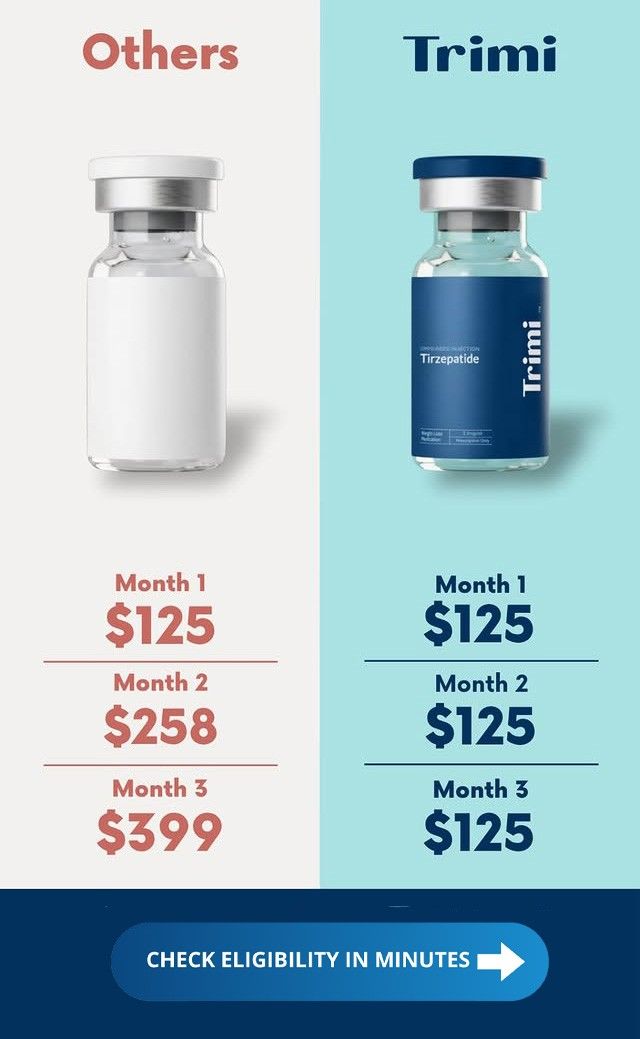
5. Prices Increase After You Start Treatment
Some providers raise costs as your dose increases or during renewals. This can make long-term treatment far more expensive than the initial advertised price.
- Your dose escalates
- You move into the “maintenance phase”
- You renew your subscription
Why does this matter?
GLP-1 treatments often require dose increases over time. If pricing scales aggressively with dose, your long-term cost may become significantly higher than expected.
A fair program usually offers:
- Flat pricing across doses, or
- Clearly defined tiered pricing upfront
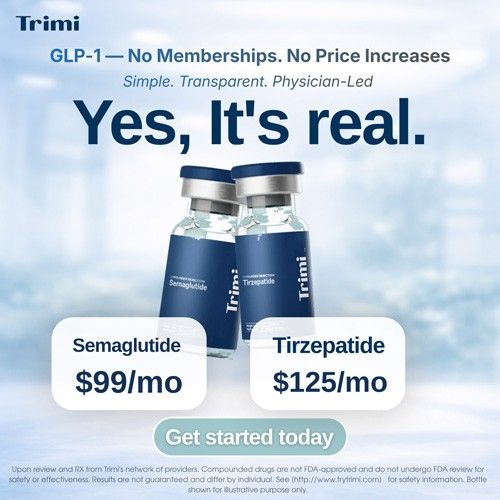
6. You’re Locked Into Long-Term Contracts
Programs that require 3–6 month commitments or prepaid plans can trap you in high costs. Flexible monthly options are usually more consumer-friendly.
Watch out for:
- 3–6 month minimum commitments
- Early cancellation penalties
- Prepaid annual packages with no refund flexibility
Why is this a concern
Competitive GLP-1 telehealth markets increasingly operate on a month-to-month basis. Lock-in contracts often exist to compensate for higher pricing models.
👉 Try the Best GLP-1 of 2026 That’s Working for Thousands
7. Medication Quality Is Not Clearly Explained
If the program does not clearly state where medication comes from or how it is sourced, you may be paying premium prices without confirmed quality standards.
A trustworthy program will state:
- Whether the medication is compounded or brand-name
- Which pharmacy is used
- Whether pharmacies are licensed or FDA-registered
Red flag
If a provider charges premium prices but does not disclose pharmacy or medication sourcing, you may be paying top-tier pricing without guaranteed top-tier standards.
8. No Competition or Price Comparison Is Allowed
When pricing is hidden until consultation or comparisons are discouraged, it becomes harder to judge fairness. Transparent programs openly show their value.
- Hiding pricing until consultation
- Requiring sign-up before showing the cost
- Claiming “custom pricing only”
Why this matters
In a competitive market, transparent providers openly compare themselves to alternatives. If comparison is discouraged, pricing is often inflated.
9. The Program Relies Heavily on Marketing Instead of Medical Value
Aggressive promotions and urgency tactics often replace real clinical explanations. Strong marketing without medical detail can indicate inflated pricing.
Signs include:
- Heavy influencer or celebrity-style marketing
- Aggressive “limited time offer” pressure
- Claims like “exclusive access” without evidence
- Emotional urgency messaging instead of a clinical explanation
Key insight
In legitimate medical programs, outcomes and safety matter more than marketing intensity.
10. You’re Paying for “Support” That Doesn’t Feel Clinical
If support is mostly automated or unresponsive, it doesn’t justify high monthly fees. Real clinical access should be part of the value.
Overpriced programs often replace clinical support with:
- Automated chatbots
- Slow or inconsistent provider responses
- Generic messaging systems
Better standard
A fair program provides:
- Real clinician access
- Responsive dose adjustment support
- Clear medical guidance when side effects occur
If support feels superficial, high pricing is harder to justify.
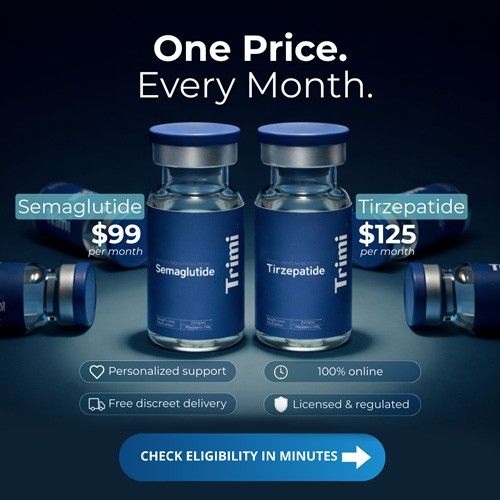
11. No Clear Relationship Between Cost and Outcomes
If paying more does not improve your results or the quality of care, the pricing structure may not be justified. Cost should align with real medical benefit.
- A higher price does not improve care quality
- Cheaper programs offer similar outcomes
- No measurable benefit is tied to premium pricing
Reality check
GLP-1 outcomes depend primarily on:
- Medication consistency
- Proper dosing
- Patient adherence and support
Not expensive packaging or branding.
👉 Forbes Reveals Clear GLP-1 Winner For Affordability 2026
12. You’re Not Told About Lower-Cost Alternatives
Some programs avoid mentioning more affordable options, such as generics or compounded formulations. Lack of choice often leads to overpaying.
- Compounded medication options
- Generic pricing pathways
- Alternative telehealth providers
Why is this a red flag
Ethical medical programs should prioritize informed decision-making, not limiting awareness of more affordable options.
13. The Program Feels “One-Size-Fits-All” but Charges Premium Prices
When everyone receives the same plan regardless of needs, high pricing becomes harder to justify. Personalized care should match premium cost.
Signs include:
- Same plan for all patients
- No individualized dose strategy
- Minimal follow-up adjustments
Why this matters
Personalization is one of the few legitimate reasons for a higher cost. If it’s missing, pricing becomes harder to justify.
14. You Can’t Identify What Makes It Worth the Price
If you cannot clearly understand what you are paying extra for, the program likely lacks true added value. Transparent benefits should always be obvious.
“What exactly am I paying extra for compared to a standard GLP-1 program?”
If the answer is unclear, the program is likely overpriced.
A fair program should clearly justify:
- Clinical oversight
- Medication quality
- Support structure
- Transparent pricing model
Final Thoughts
A GLP-1 program should feel transparent, clinically guided, and easy to understand in terms of what you are paying for.
When pricing becomes confusing, bundled with unnecessary services, or significantly higher than standard market ranges, it often signals that the program may be overpriced rather than more effective.
Cost should always reflect real medical value, such as proper clinical oversight, medication quality, and meaningful patient support—not marketing or hidden add-ons.
Ultimately, the best approach is to compare programs carefully and focus on clarity, consistency, and medical credibility. If you cannot clearly identify why a program costs more than others offering similar treatment, it is a strong sign to reassess before committing long-term.
References
About Us