In recent years, natural wellness practices have gained global popularity. Among them, the Japanese Matcha Salt Trick has emerged as a simple yet intriguing method for boosting energy, improving hydration, and supporting metabolic health.
Rooted in traditional Japanese tea culture and modern nutritional science, this combination of matcha green tea and mineral-rich salt is more than just a trend.
This simple ritual may help improve focus, support hydration, and gently stimulate metabolism without the crash of sugary drinks.
But what exactly is the Japanese Matcha Salt Trick? How does it work? Is it safe? And can it genuinely support overall wellness?
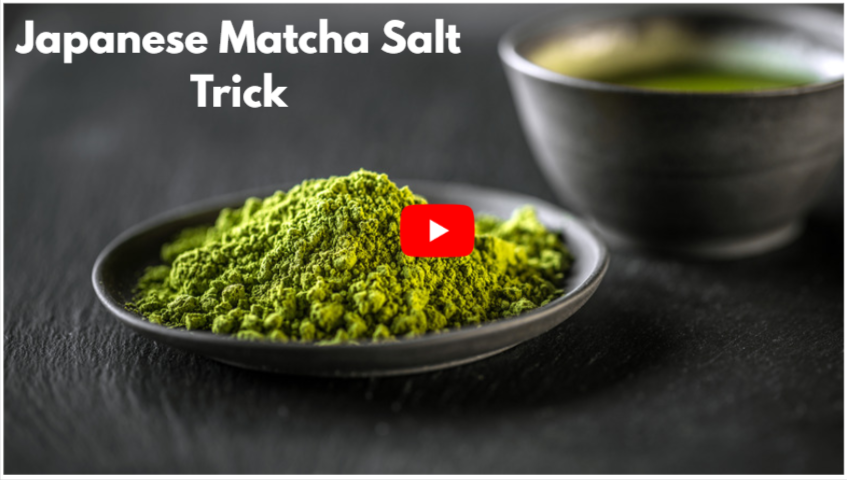

The Japanese Matcha Salt Trick blends matcha green tea with a pinch of mineral salt to enhance hydration, boost focus, and support metabolism naturally.
In this comprehensive guide, we will explore the origins, science, preparation methods, potential benefits, risks, and frequently asked questions surrounding this wellness practice.
What Is the Japanese Matcha Salt Trick?
The Japanese Matcha Salt Trick involves mixing high-quality matcha green tea powder with a small pinch of natural mineral salt—often sea salt or Himalayan pink salt—into warm water. Some variations include adding lemon or consuming it before workouts.
The idea behind this practice is simple:
-
Matcha provides antioxidants, caffeine, and amino acids.
-
Salt provides essential electrolytes.
-
Together, they support energy, hydration, and mental clarity.
The key is balance: the salt is used in tiny amounts—not enough to make the drink salty, but enough to support electrolyte balance.
The Cultural Roots: Matcha in Japanese Tradition
Matcha has deep roots in Japan, especially in the traditional tea ceremony known as chanoyu. The ceremonial preparation of matcha is a mindful ritual practiced for centuries.
The cultivation of matcha was influenced by Zen Buddhist monks and later refined in Japan. One of the most important historical figures associated with matcha culture is Sen no Rikyū, who formalized the aesthetics and philosophy of the tea ceremony during the 16th century.
Matcha itself originates from finely ground leaves of Camellia sinensis, the same plant used to produce green tea. The difference lies in the growing process: matcha plants are shade-grown before harvest, increasing chlorophyll and amino acid levels.
Unlike regular green tea, matcha involves consuming the entire leaf, providing a more concentrated nutrient profile.
Nutritional Breakdown of Matcha
Matcha contains several powerful compounds:
1. Catechins (Especially EGCG)
Matcha is rich in epigallocatechin gallate (EGCG), a potent antioxidant studied for its role in metabolic health.
Research from institutions such as Harvard T.H. Chan School of Public Health highlights the benefits of green tea antioxidants in reducing oxidative stress.
Antioxidants help combat free radicals, which contribute to aging and chronic disease.
2. L-Theanine
Matcha contains L-theanine, an amino acid that promotes relaxation without drowsiness.
The interaction between caffeine and L-theanine provides calm alertness—unlike coffee, which may cause jitteriness.
3. Natural Caffeine
Matcha provides sustained energy due to the slow release of caffeine combined with L-theanine.
This combination may improve attention, reaction time, and mental performance.
Why Add Salt?
At first glance, adding salt to tea may sound unusual. However, there are logical reasons behind this pairing.
Electrolyte Balance
Salt contains sodium—an essential electrolyte that regulates:
-
Fluid balance
-
Nerve function
-
Muscle contractions
When consumed in small amounts, especially during fasting or exercise, salt can support hydration.
Preventing Energy Crashes
Some wellness advocates suggest that a pinch of mineral salt may help stabilize blood pressure and reduce caffeine-induced crashes.
While excessive salt intake is harmful, a tiny pinch (around 1/16 teaspoon) can support electrolyte balance without raising sodium to dangerous levels.
Scientific Perspective on Matcha and Metabolism
Several studies have explored green tea’s effect on metabolism.
A study published by researchers affiliated with National Institutes of Health examined green tea extract and thermogenesis.
Green tea compounds may support:
-
Increased fat oxidation
-
Mild thermogenic effects
-
Improved metabolic markers
However, matcha is not a miracle weight-loss solution. It works best as part of a balanced diet and active lifestyle.
Hydration and Mineral Support
Electrolytes play a crucial role in hydration. Sodium, potassium, and magnesium maintain fluid balance.
During workouts or hot climates, electrolyte loss through sweat increases. A small amount of salt can help replenish sodium.
The Japanese Matcha Salt Trick may be especially useful before workouts or during intermittent fasting when electrolyte levels can dip.
Potential Benefits of the Japanese Matcha Salt Trick
1. Enhanced Focus and Mental Clarity
The caffeine + L-theanine combination supports sustained concentration.
2. Improved Hydration
Salt supports electrolyte balance.
3. Antioxidant Support
Matcha delivers high levels of catechins.
4. Gentle Metabolic Boost
Green tea compounds may assist fat oxidation.
5. Reduced Sugar Cravings
Stable energy levels may reduce the desire for sugary snacks.
Many people report feeling steady energy without the jitteriness of coffee.
How to Prepare the Japanese Matcha Salt Trick
Ingredients:
-
1 teaspoon ceremonial-grade matcha
-
1 cup warm (not boiling) water
-
A tiny pinch of mineral sea salt
Optional Additions:
-
Lemon juice
-
A few drops of raw honey
-
Collagen powder
Instructions:
-
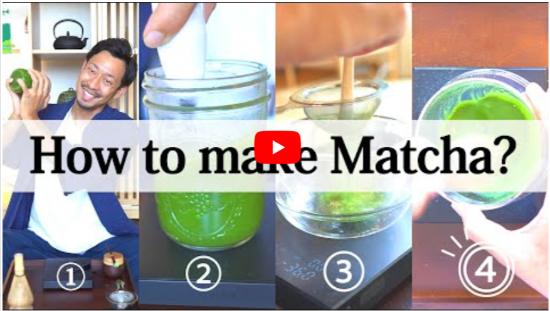
Heat water to about 70–80°C (not boiling).
-
Sift matcha into a bowl.
-
Add warm water.
-
Whisk using a bamboo whisk in a zigzag motion.
-
Add a small pinch of salt.
-
Stir and enjoy immediately.
Avoid boiling water—it can destroy delicate antioxidants and create bitterness.
Best Time to Drink It
-
Morning (instead of coffee)
-
Before workouts
-
During intermittent fasting
-
Mid-afternoon energy slump
Avoid consuming it late in the evening due to caffeine content.
Who Should Avoid It?
-
People with hypertension (consult doctor)
-
Individuals on low-sodium diets
-
Those sensitive to caffeine
-
Pregnant women (consult healthcare provider)
Moderation is essential—excess salt or excessive caffeine can be harmful.
Matcha vs Coffee: A Quick Comparison
| Feature | Matcha | Coffee |
|---|---|---|
| Caffeine Release | Slow, sustained | Fast spike |
| L-Theanine | Present | Absent |
| Antioxidants | Very High | Moderate |
| Jitters | Less likely | More common |
Matcha provides calm energy, while coffee often provides intense stimulation.
Quality Matters: Choosing the Right Matcha
Look for:
-
Bright green color
-
Fine powder texture
-
Origin from Japan
-
Ceremonial grade
Regions like Uji and Nishio are famous for high-quality matcha.
Possible Side Effects
Although generally safe, potential issues include:
-
Digestive discomfort (if taken on empty stomach)
-
Sodium sensitivity
-
Insomnia (if consumed late)
-
Interaction with medications
Always consult a healthcare professional if you have underlying conditions.
The Psychology of Ritual
Beyond the nutritional aspects, rituals themselves influence well-being.
Preparing matcha mindfully can:
-
Reduce stress
-
Improve focus
-
Encourage slower mornings
-
Promote intentional living
The Japanese tea ceremony emphasizes harmony, respect, purity, and tranquility.
Sometimes the ritual is as powerful as the ingredients.
Frequently Asked Questions
Is the Japanese Matcha Salt Trick safe daily?
Yes, in moderation.
How much salt should I use?
Only a small pinch.
Can I use table salt?
Mineral-rich sea salt is preferable.
Does it help with weight loss?
It may support metabolism, but results vary.
Realistic Expectations
It’s important to be clear:
The Japanese Matcha Salt Trick is not a cure-all.
It does not replace:
-
Medical treatment
-
Balanced nutrition
-
Exercise
-
Adequate sleep
However, it can be a supportive addition to a wellness routine.
Integrating It Into a Healthy Lifestyle
For best results:
-
Maintain balanced meals
-
Stay hydrated
-
Exercise regularly
-
Get 7–9 hours of sleep
-
Manage stress
The matcha salt drink should complement—not replace—healthy habits.
Final Thoughts
The Japanese Matcha Salt Trick blends ancient tea tradition with modern wellness science. By combining antioxidant-rich matcha with mineral salt, this simple ritual may support hydration, focus, and metabolic health.
Consistency and moderation are the keys to experiencing potential benefits safely.
If you are looking for a natural way to enhance energy without relying on sugary drinks or excessive caffeine, this practice may be worth exploring.
References Link
- Health Benefits of Matcha
https://www.webmd.com/diet/health-benefits-matcha
- 7 Proven Ways Matcha Tea
https://www.healthline.com/nutrition/7-benefits-of-matcha-tea
.