Is Paying Cash for GLP-1 Medication Worth It? Cost Guide
GLP-1 medications such as semaglutide and tirzepatide have become one of the most significant developments in modern metabolic medicine.
Originally designed for type 2 diabetes management, these drugs are now widely used for weight loss due to their strong effects on appetite regulation, blood sugar balance, and long-term metabolic health improvement.
They work by mimicking a natural hormone called glucagon-like peptide-1 (GLP-1), which signals fullness to the brain, slows gastric emptying, and improves insulin response.
Over time, this leads to reduced calorie intake and sustained weight reduction in many patients
However, as demand has surged globally, so has the cost barrier. Many insurance providers do not fully cover GLP-1 drugs for weight loss, leaving patients with a difficult decision: should they pay out-of-pocket or avoid treatment altogether?
This brings us to a critical modern healthcare question:
Is paying cash for GLP-1 medication worth it?
The answer depends on medical need, affordability, expectations, and long-term planning. This article breaks down every financial and clinical angle in detail.
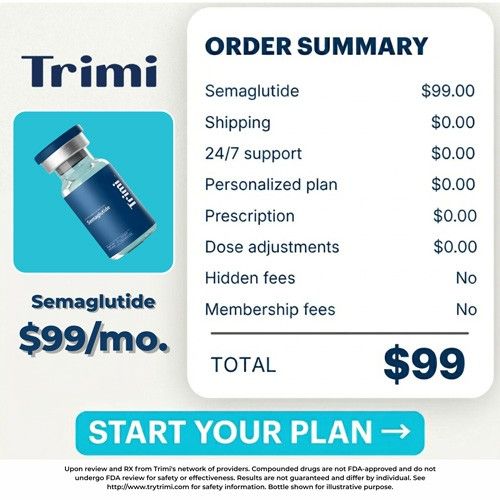
Understanding the Role of GLP-1 Medications in Modern Health
GLP-1 medications are part of a newer class of metabolic therapies that go beyond traditional dieting or exercise programs. Instead of simply suppressing appetite temporarily, they influence hormonal pathways responsible for hunger, satiety, and glucose regulation.
Key effects include:
- Reduced appetite and food cravings
- Slower digestion, leading to prolonged fullness
- Improved insulin sensitivity
- Better blood sugar control
- Potential cardiovascular benefits in high-risk individuals
Because of these effects, GLP-1 medications are increasingly prescribed for:
- Obesity management
- Type 2 diabetes
- Insulin resistance
- Cardiometabolic risk reduction
Clinical studies have shown that some patients may lose 10–25% of their body weight over time when combining GLP-1 therapy with lifestyle changes.
But while the medical benefits are well documented, access remains uneven due to cost.
Why GLP-1 Medications Are So Expensive
The high price of GLP-1 drugs is one of the main reasons patients consider cash payments in the first place. Several factors contribute to this:
1. Advanced Biologic Development
These medications are complex biologic agents, not simple chemical compounds. Their development requires years of research and advanced manufacturing systems.
2. Patent Protection
Brand-name GLP-1 drugs like Ozempic, Wegovy, Mounjaro, and Zepbound are still under patent protection in many regions, limiting cheaper competition.
3. High Demand, Limited Supply
Global demand for weight-loss medications has surged, sometimes exceeding manufacturing capacity.
4. Long-Term Treatment Design
GLP-1 drugs are not typically one-time prescriptions; they are often used long-term, which increases lifetime cost.
Because of these factors, monthly pricing can become a major burden for uninsured or underinsured patients.
👉 GLP-1 Starting At $59 Per Month – 100% Online
What Paying Cash for GLP-1 Medication Really Means
“Paying cash” does not simply mean buying a prescription at a pharmacy. It usually involves a full out-of-pocket healthcare model.
This may include:
- Doctor or telehealth consultation fees
- Monthly medication costs
- Lab testing and metabolic monitoring
- Subscription-based weight-loss programs
- Follow-up visits or dose adjustments
In many modern telehealth systems, GLP-1 therapy is bundled into a single monthly fee that includes medication and clinical support.
So when patients evaluate cost, they are not just paying for a drug; they are paying for a complete metabolic treatment ecosystem.
The Real Monthly Cost of Cash-Pay GLP-1 Therapy
The total cost of GLP-1 therapy varies significantly depending on location, provider, and dosage.
Estimated monthly breakdown:
- Medication: $300 to $1,400
- Clinical supervision: $50 to $200
- Lab work (averaged monthly): $20 to $100
- Telehealth/platform fees: $30 to $150
Total estimated monthly cost:
👉 $400 to $1,800+
Over a year, this can translate to:
👉 $4,800 to $21,600 annually
This is why financial planning is essential before starting therapy.
In India and other cost-sensitive markets, prices may be lower, but long-term affordability still depends on income stability and treatment duration.
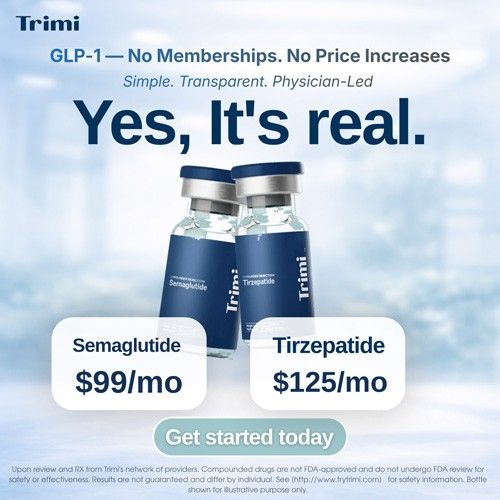
Why Patients Choose to Pay Cash Anyway
Despite the high cost, many patients still choose out-of-pocket GLP-1 treatment. The reasons are often deeply practical.
1. Insurance Limitations
Many insurance policies:
- Do not cover weight-loss prescriptions
- Require strict eligibility criteria
- Reject prior authorization requests
2. Faster Access to Treatment
Cash-pay systems often allow patients to start therapy within days instead of weeks or months.
3. Greater Privacy
Some patients prefer discreet telehealth-based treatment without insurance documentation.
4. Flexible Treatment Plans
Cash-pay programs often offer:
- Adjustable dosing
- Different medication options
- Subscription models
- Coaching or lifestyle support
This flexibility is attractive for patients seeking a more personalized approach.
Medical Value: When GLP-1 Therapy Delivers High Returns
From a healthcare perspective, GLP-1 medications are considered highly valuable when appropriately prescribed.
They may significantly benefit patients with:
- Obesity (especially BMI >30)
- Type 2 diabetes
- Hypertension
- Sleep apnea
- Metabolic syndrome
Long-term studies suggest improvements in:
- Blood sugar stability
- Cardiovascular health outcomes
- Weight reduction maintenance
- Reduced risk of diabetes complications
In such cases, the therapy is not just cosmetic; it becomes preventive medicine.
This is why many clinicians describe GLP-1 medications as a “disease-modifying treatment” rather than a simple weight-loss drug.
👉 Try the Best GLP-1 of 2026 That’s Working for Thousands
Financial Logic: When Paying Cash Can Be Justified
Paying cash for GLP-1 therapy may be worth it in several scenarios:
1. High Health Risk Situation
If obesity is already causing serious health conditions, delaying treatment may lead to higher long-term medical costs.
2. Strong Clinical Response
Some patients experience rapid and significant weight loss, making continued therapy medically and emotionally beneficial.
3. Short-Term Use Strategy
Some individuals use GLP-1 medications as a “reset phase” before transitioning to lifestyle-based maintenance.
4. No Insurance Alternatives
If coverage is unavailable, cash pay may be the only practical access route.
In these cases, the financial cost may be justified by improved long-term health outcomes.
When Cash-Pay GLP-1 Therapy May Not Be Worth It
Despite its benefits, cash payment is not suitable for everyone.
1. Long-Term Financial Burden
Because GLP-1 medications often require continued use, costs can accumulate significantly over time.
2. Risk of Weight Regain
If therapy is stopped suddenly, some patients may regain weight, making the financial investment feel less effective.
3. Budget Instability
If monthly payments affect essential expenses, the therapy becomes unsustainable.
4. Unrealistic Expectations
Some users expect permanent weight loss without lifestyle changes, which leads to disappointment.
Understanding Potential GLP-1 Side Effects
Like other prescription medications, GLP-1 treatments can cause side effects.
Common gastrointestinal symptoms may include:
- Nausea
- Vomiting
- Diarrhea
- Constipation
- Abdominal discomfort
The FDA also reported these types of gastrointestinal adverse reactions with higher-dose Wegovy HD. Side effects can vary between individuals and may change as treatment progresses.
A healthcare professional should explain the medication’s safety information and tell you when symptoms require medical attention.
Do not change your dosage, stop medication, or combine weight-loss medications without discussing the decision with your healthcare professional.
👉 Forbes Reveals Clear GLP-1 Winner For Affordability 2026
Psychological Impact of Paying Cash
An interesting but often overlooked aspect is behavior change.
Patients who pay out-of-pocket often:
- Adhere more strictly to treatment
- Take medication timing more seriously
- Follow dietary recommendations more consistently
- Track progress more frequently
This happens because financial investment increases commitment.
However, there can also be pressure or anxiety if results are slower than expected, which may affect mental well-being.
The Rise of Cash-Pay GLP-1 Systems
The healthcare market is rapidly evolving toward direct-pay models. Several trends are driving this shift:
- Expansion of telehealth platforms
- Increased demand for obesity treatment
- Introduction of compounded GLP-1 options in some regions
- Pharmaceutical discount programs
- Subscription-based care models
As a result, many patients are now bypassing insurance entirely.
Industry analysts also suggest that direct-pay GLP-1 programs will continue growing due to convenience and transparency in pricing
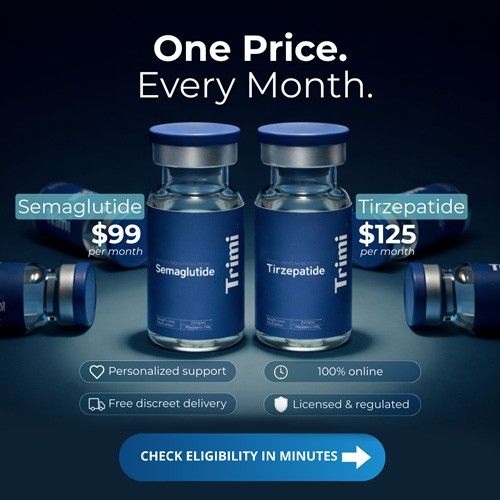 Safety Considerations Before Paying Cash
Regardless of payment method, safety remains the top priority.
Patients should always:
- Use licensed medical providers
- Avoid unregulated or unverified suppliers
- Follow prescribed dosing carefully
- Attend regular monitoring checkups
- Report side effects immediately
GLP-1 medications affect multiple body systems, including digestion and metabolism, making medical supervision essential.
Long-Term Value Comparison: Cost vs Outcome
To evaluate whether paying cash is worth it, it helps to compare the cost against the outcomes.
It is generally worth it when:
- You have significant obesity-related health risks
- You respond well to treatment
- You can sustain monthly payments comfortably
- You combine medication with lifestyle changes
It is less worth it when:
- Financial strain is significant
- Treatment is expected without lifestyle change
- There is no long-term commitment plan
- Medical supervision is absent
Ultimately, GLP-1 therapy is a long-term metabolic intervention, not a short-term cosmetic solution.
Final Verdict
So, is paying cash for GLP-1 medication worth it?
The answer is:
It can be, but only under the right medical and financial conditions.
For some patients, it represents a transformative investment in long-term health, reducing obesity-related risks and improving quality of life. For others, it may become financially unsustainable if expectations are not aligned with reality.
The most important takeaway is this:
👉 GLP-1 therapy is most valuable when treated as a medically guided, long-term health strategy, not a quick or casual expense.
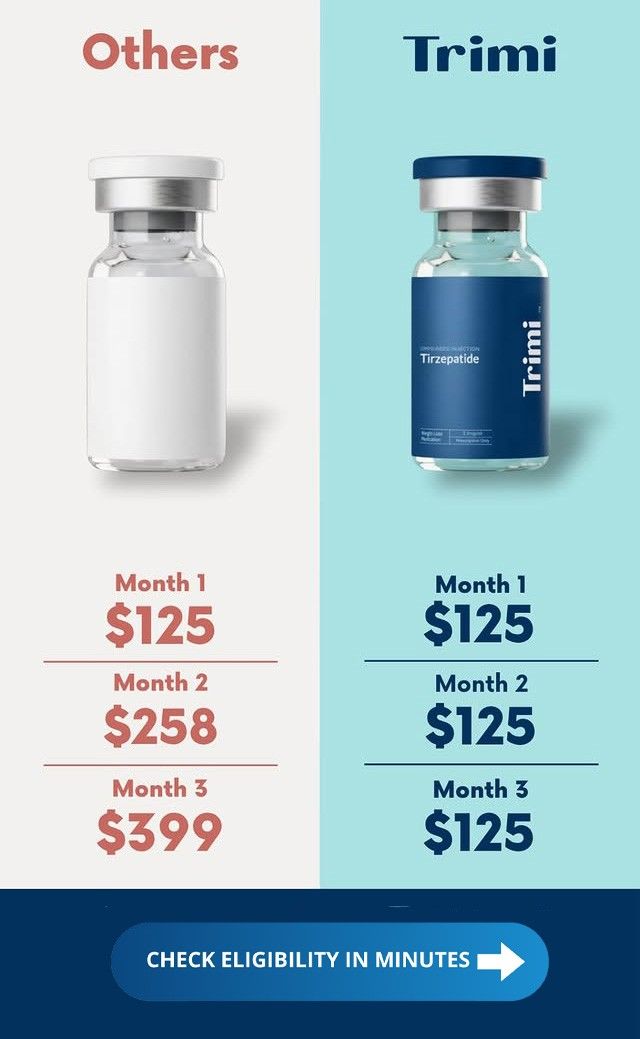
References
https://en.wikipedia.org/wiki/Glucagon-like_peptide-1_receptor_agonist
https://www.healthline.com/health/glp-1
https://www.webmd.com/diabetes/glp-1-agonists
.
About Us