Himalayan Salt Diet For High Blood Pressure: Does It Help?
High blood pressure, also known as hypertension, affects millions of people worldwide and is one of the leading risk factors for heart disease, stroke, and kidney problems.
As more people look for natural ways to manage their blood pressure, Himalayan pink salt has gained popularity as a supposedly healthier alternative to regular table salt.
You may have seen claims online suggesting that a Himalayan Salt Diet can help lower blood pressure, improve circulation, balance electrolytes, and support heart health. But how much of this is backed by science, and how much is marketing?
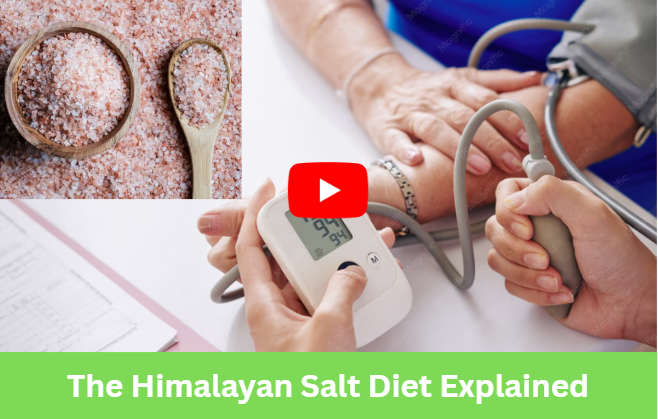

In this comprehensive guide, we’ll explore what Himalayan salt is, how it compares to regular salt, whether it can help people with high blood pressure, and how to follow a heart-friendly eating plan while using Himalayan salt responsibly.
What Is Himalayan Salt?
Himalayan salt is a naturally occurring rock salt mined primarily from the Khewra Salt Mine in Pakistan. Its distinctive pink color comes from trace amounts of minerals such as iron, magnesium, potassium, and calcium.
Unlike highly processed table salt, Himalayan salt is minimally refined and typically contains small amounts of naturally occurring minerals. This has led many health enthusiasts to believe it is healthier than ordinary salt.
The most common forms include:
- Fine Himalayan pink salt
- Coarse Himalayan salt crystals
- Himalayan salt blocks
- Himalayan salt lamps
- Himalayan salt water mixtures (often called sole water)
Although Himalayan salt contains trace minerals, sodium chloride still makes up the vast majority of its composition.
Understanding High Blood Pressure
Before discussing Himalayan salt specifically, it’s important to understand how blood pressure works.
Blood pressure measures the force of blood pushing against artery walls. When this pressure remains consistently elevated, it can damage blood vessels and increase the risk of serious health conditions.
Common causes of high blood pressure include:
- Excess sodium intake
- Obesity
- Physical inactivity
- Chronic stress
- Smoking
- Excessive alcohol consumption
- Family history
- Aging
- Poor diet
Among these factors, sodium intake plays a significant role because excessive sodium causes the body to retain water, increasing blood volume and placing additional pressure on artery walls.
Why Salt Matters for Blood Pressure
Salt contains sodium, which is an essential mineral needed for:
- Nerve function
- Muscle contractions
- Fluid balance
- Cellular communication
However, consuming too much sodium can contribute to elevated blood pressure in many individuals.
When sodium levels increase:
- The body retains more water.
- Blood volume rises.
- The heart works harder.
- Blood pressure may increase.
This is why healthcare professionals often recommend reducing sodium intake as part of a blood pressure management plan.
Himalayan Salt vs. Table Salt
One of the biggest misconceptions is that Himalayan salt contains less sodium than regular table salt.
Let’s compare them.
Himalayan Salt
- Pink color from trace minerals
- Less processed
- Contains tiny amounts of iron, magnesium, calcium, and potassium
- Coarser texture
- Distinct taste
Table Salt
- Highly refined
- Usually contains added iodine
- Fine texture
- Consistent flavor
- Widely available
The key fact many people overlook is that both salts contain similar amounts of sodium overall. Therefore, switching from table salt to Himalayan salt does not automatically reduce sodium intake.
The Myth: Can Himalayan Salt Lower Blood Pressure?
Many websites and social media influencers claim Himalayan salt can lower blood pressure because of its mineral content.
Unfortunately, current scientific evidence does not support this claim.
The trace minerals present in Himalayan salt exist in extremely small quantities. While these minerals are important for health, the amounts found in typical servings of Himalayan salt are too low to affect blood pressure significantly.
To obtain meaningful amounts of magnesium or potassium from Himalayan salt, a person would need to consume dangerously high levels of sodium.
As a result, Himalayan salt should not be viewed as a treatment for hypertension.
Potential Benefits of Himalayan Salt
Although Himalayan salt may not directly lower blood pressure, it does offer some potential advantages.
1. Less Processing
Many consumers prefer Himalayan salt because it undergoes less processing than conventional table salt.
This appeals to people seeking more natural food choices.
2. Trace Minerals
Himalayan salt contains small amounts of:
- Iron
- Calcium
- Magnesium
- Potassium
These minerals contribute to its unique color and flavor.
3. Enhanced Flavor
Many users find Himalayan salt has a richer taste, which may encourage using less salt overall.
If using Himalayan salt helps reduce total sodium consumption, that could indirectly support blood pressure management.
4. Culinary Versatility
Himalayan salt can be used in:
- Cooking
- Grilling
- Seasoning
- Salt blocks
- Finishing dishes
Its versatility makes it a popular kitchen ingredient.
Risks of Relying on Himalayan Salt for Hypertension
Using Himalayan salt isn’t necessarily harmful when consumed in moderation. However, relying on it as a blood pressure remedy may create problems.
False Sense of Security
Some individuals assume they can consume unlimited Himalayan salt because it is “natural.”
This can lead to excessive sodium intake.
High Sodium Content
Regardless of color or source, Himalayan salt remains primarily sodium chloride.
Too much sodium may contribute to:
- Elevated blood pressure
- Fluid retention
- Heart strain
- Kidney stress
Lack of Iodine
Unlike iodized table salt, Himalayan salt typically contains little or no added iodine.
Iodine is essential for:
- Thyroid function
- Metabolism
- Hormone production
People who completely replace iodized salt should ensure they obtain iodine from other dietary sources.
What Is the Himalayan Salt Diet?
The term “Himalayan Salt Diet” generally refers to a dietary approach that:
- Uses Himalayan salt instead of table salt
- Focuses on whole foods
- Reduces processed foods
- Encourages hydration
- Includes mineral-rich foods
However, there is no officially recognized medical diet called the Himalayan Salt Diet.
Most versions combine healthy eating habits with the use of Himalayan salt as the preferred seasoning.

A Heart-Healthy Himalayan Salt Diet Plan
If you enjoy Himalayan salt and have high blood pressure, the goal should not be to increase salt consumption.
Instead, use small amounts while following evidence-based dietary practices.
Breakfast
Vegetable omelet with:
- Spinach
- Tomatoes
- Mushrooms
Served with:
- Oatmeal
- Fresh berries
Season lightly with Himalayan salt.
Mid-Morning Snack
- Apple slices
- Unsalted almonds
Lunch
Grilled chicken breast with:
- Mixed greens
- Cucumbers
- Bell peppers
- Olive oil dressing
Season lightly with Himalayan salt and herbs.
Afternoon Snack
- Greek yogurt
- Fresh fruit
Dinner
Baked salmon with:
- Roasted vegetables
- Brown rice
Use herbs, garlic, lemon, and a small amount of Himalayan salt for flavor.
Evening Option
- Herbal tea
- Fresh fruit
Foods That Support Healthy Blood Pressure
Whether you use Himalayan salt or regular salt, these foods can support cardiovascular health.
Potassium-Rich Foods
Potassium helps balance sodium levels.
Examples include:
- Bananas
- Sweet potatoes
- Avocados
- Spinach
- Beans
Magnesium-Rich Foods
Magnesium supports blood vessel function.
Examples include:
- Pumpkin seeds
- Almonds
- Dark leafy greens
- Whole grains
Fiber-Rich Foods
Fiber may improve heart health.
Examples include:
- Oats
- Lentils
- Vegetables
- Fruits
Omega-3 Sources
Healthy fats support cardiovascular wellness.
Examples include:
- Salmon
- Sardines
- Chia seeds
- Flaxseeds
Foods to Limit
For better blood pressure control, reduce:
Processed Foods
Examples:
- Frozen dinners
- Chips
- Packaged snacks
Processed Meats
Examples:
- Bacon
- Sausage
- Deli meats
Fast Food
Many fast-food meals contain excessive sodium.
Sugary Beverages
Excess sugar may contribute to weight gain and metabolic issues.

Does Sole Water Help High Blood Pressure?
Sole water is made by dissolving Himalayan salt in water.
Supporters claim it:
- Balances hydration
- Improves digestion
- Boosts energy
- Supports blood pressure
However, scientific evidence supporting these claims is lacking.
For individuals with hypertension, drinking additional salt water may actually increase sodium intake unnecessarily.
Most experts recommend obtaining hydration from plain water rather than salt-infused beverages.
Lifestyle Habits That Matter More Than Salt Type
If your goal is lower blood pressure, these habits have a much greater impact than switching from table salt to Himalayan salt.
Maintain a Healthy Weight
Even modest weight loss can improve blood pressure readings.
Exercise Regularly
Aim for at least 150 minutes of moderate activity each week.
Good options include:
- Walking
- Cycling
- Swimming
- Strength training
Manage Stress
Helpful strategies include:
- Meditation
- Yoga
- Deep breathing
- Spending time outdoors
Improve Sleep
Poor sleep is strongly linked to hypertension.
Aim for 7–9 hours nightly.
Stop Smoking
Smoking damages blood vessels and increases cardiovascular risk.
Limit Alcohol
Excessive alcohol intake may raise blood pressure.
Common Myths About Himalayan Salt
Myth 1: Himalayan Salt Has No Sodium
False.
Himalayan salt is primarily sodium chloride.
Myth 2: Himalayan Salt Cures High Blood Pressure
False.
No strong scientific evidence supports this claim.
Myth 3: You Can Use Unlimited Himalayan Salt
False.
Excessive intake can still increase sodium consumption.
Myth 4: The Trace Minerals Are a Major Source of Nutrition
False.
The mineral amounts are very small.
Myth 5: Himalayan Salt Water Detoxes the Body
There is no reliable scientific evidence proving that Himalayan salt water detoxifies the body.
Who Should Be Careful With Himalayan Salt?
Certain individuals should monitor salt intake carefully:
- People with hypertension
- Kidney disease patients
- Heart failure patients
- Older adults
- Individuals on sodium-restricted diets
Always follow your healthcare provider’s recommendations regarding sodium consumption.
Practical Tips for Using Himalayan Salt Wisely
If you enjoy Himalayan salt, consider these guidelines:
- Use it sparingly.
- Measure portions rather than pouring freely.
- Combine it with herbs and spices.
- Avoid adding extra salt at the table.
- Read food labels carefully.
- Focus on reducing overall sodium intake.
Remember that reducing processed foods often makes a larger difference than changing salt varieties.
Conclusion
The Himalayan Salt Diet has gained popularity as a natural approach to health and wellness, but it is important to separate facts from marketing claims.
Himalayan salt contains trace minerals and may be less processed than regular table salt, yet it still contains substantial amounts of sodium.
Current evidence does not show that Himalayan salt lowers blood pressure better than ordinary salt. For individuals with hypertension, the most effective strategy remains reducing overall sodium intake, eating nutrient-dense foods, staying physically active, maintaining a healthy weight, and following a balanced heart-friendly diet.
If you enjoy the flavor and appearance of Himalayan salt, it can certainly be part of a healthy eating plan. However, it should be used in moderation and viewed as a seasoning choice rather than a treatment for high blood pressure.
References
- https://www.mayoclinic.org/health/sodium/NU00284
- https://www.healthline.com/nutrition/pink-himalayan-salt
- https://www.webmd.com/diet/himalayan-pink-salt-health-benefits
.
About Us