The idea of using gelatin for weight loss has been circulating in wellness circles for years. From homemade gelatin drinks to nighttime collagen desserts, many claim this simple pantry ingredient can curb cravings, flatten the stomach, and support fat loss.


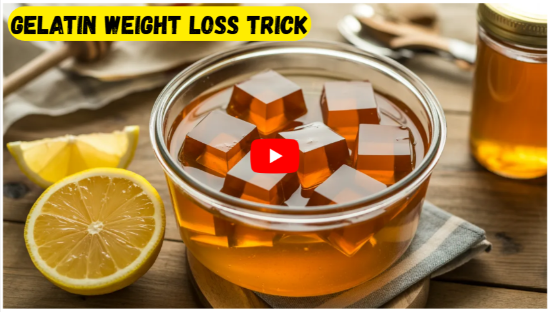
The gelatin weight loss trick may help curb hunger, support gut health, and increase fullness, making it easier to reduce calorie intake naturally.
But does the gelatin weight loss trick actually work? Or is it just another short-lived health trend?
In this comprehensive guide, we’ll break down:
-
What gelatin really is
-
How it affects metabolism and appetite
-
The science behind protein and weight control
-
Ways to safely use gelatin for fat loss
-
Who should avoid it
-
Practical recipes and realistic expectations
Let’s dive in.
What Is Gelatin?
Gelatin is a protein derived from collagen, which is found in animal connective tissues such as skin, bones, and cartilage. It’s commonly used in foods like:
-
Jellies and gummies
-
Marshmallows
-
Desserts
-
Bone broth
Gelatin contains amino acids such as glycine, proline, and hydroxyproline. While it is not a complete protein (it lacks certain essential amino acids), it still provides structural building blocks that support tissues, joints, skin, and gut lining.
Unlike sugary gelatin desserts, pure unflavored gelatin contains almost no carbohydrates or fat—making it primarily a protein source.
Why Protein Matters for Weight Loss
Before understanding the gelatin weight loss trick, it’s important to understand protein’s role in fat loss.
Protein is widely recognized as the most satiating macronutrient. Research from institutions such as Harvard T.H. Chan School of Public Health suggests that higher-protein diets may support weight management by:
-
Reducing hunger hormones
-
Increasing fullness hormones
-
Preserving lean muscle mass
-
Slightly increasing calorie burn through digestion
When you feel full longer, you naturally reduce total calorie intake without feeling deprived.
That’s where gelatin enters the conversation.
The Theory Behind the Gelatin Weight Loss Trick
The “trick” usually involves consuming gelatin in one of these ways:
-
Drinking dissolved gelatin in warm water before meals
-
Eating high-protein gelatin snacks between meals
-
Having gelatin at night to reduce late cravings
-
Combining gelatin with collagen powder for added protein
The logic is simple:
-
Gelatin is protein.
-
Protein increases satiety.
-
Increased satiety reduces overeating.
-
Reduced overeating supports fat loss.
The trick is not magic—it’s about appetite regulation.
How Gelatin May Support Appetite Control
1. Slows Digestion
Gelatin forms a gel-like substance in the digestive tract. This may slow stomach emptying slightly, helping you feel fuller for longer.
Slower digestion can reduce rapid blood sugar spikes and crashes that trigger hunger.
2. Boosts Satiety Hormones
Protein intake influences hormones like:
-
Peptide YY (PYY)
-
GLP-1
-
Ghrelin (hunger hormone)
While gelatin hasn’t been studied as extensively as whey protein, protein in general has been shown to positively impact these hormones.
Research published by The American Journal of Clinical Nutrition highlights that higher-protein intake increases satiety compared to lower-protein diets.
3. Supports Lean Muscle Preservation
When losing weight, preserving muscle is critical. Muscle mass helps maintain metabolic rate.
Gelatin alone is not ideal for muscle building because it lacks certain amino acids like tryptophan. However, when combined with other protein sources, it contributes to overall intake.
Maintaining muscle while losing fat prevents metabolic slowdown.
Gelatin vs. Collagen: Is There a Difference?
Many people confuse gelatin with collagen.
-
Collagen is the raw structural protein.
-
Gelatin is cooked collagen.
Nutritionally, they are very similar. However:
-
Gelatin thickens when cooled.
-
Collagen peptides dissolve in cold water.
Both provide similar amino acids.
For weight loss purposes, both function primarily as low-calorie protein additions.
Does Science Directly Support the Gelatin Weight Loss Trick?
There is limited direct research specifically on gelatin for weight loss. However, studies on protein intake provide insight.
A review from The American Journal of Clinical Nutrition indicates that increasing dietary protein to 25–30% of total calories can significantly improve appetite control and body composition.
Additionally, research from National Institutes of Health shows that higher protein diets can reduce late-night snacking.
The key is total daily protein intake—not a single gelatin serving.
How Gelatin May Support Gut Health and Indirect Fat Loss
One lesser-known benefit of gelatin is its potential impact on gut lining integrity. Gelatin contains glycine and glutamine, amino acids associated with digestive support.
The gut plays a surprising role in weight management. An imbalanced gut microbiome may influence:
-
Cravings
-
Blood sugar regulation
-
Inflammation
-
Fat storage patterns
Research from National Institutes of Health has explored connections between gut health and metabolic disorders.
When digestion improves, bloating often decreases — and reduced bloating can make the abdomen appear flatter. While this is not the same as fat loss, it can improve body composition appearance and comfort.
Gelatin and Blood Sugar Stability
Blood sugar spikes often lead to energy crashes, which then trigger cravings for fast carbohydrates. Because gelatin is almost pure protein and contains virtually no carbohydrates, it does not spike blood sugar.
This makes it a strategic snack option for:
-
People with insulin resistance
-
Those managing prediabetes
-
Individuals following low-carb or keto plans
According to information published by American Diabetes Association, protein-based snacks may help stabilize glucose responses when paired with balanced meals.
Stable blood sugar often translates to fewer intense hunger signals throughout the day.
Comparing Gelatin to Other Popular Weight Loss Proteins
Not all proteins function identically. Below is a simplified comparison.
| Protein Type | Complete Protein? | Satiety Level | Muscle Support | Cost | Thickens Food? |
|---|---|---|---|---|---|
| Gelatin | ❌ No | Moderate | Low-Moderate | Low | ✅ Yes |
| Whey Protein | ✅ Yes | High | High | Moderate | ❌ No |
| Casein | ✅ Yes | Very High | High | Moderate | Slight |
| Plant Protein | Usually | Moderate | Moderate | Moderate | ❌ No |
| Collagen Peptides | ❌ No | Moderate | Low-Moderate | Moderate | ❌ No |
Gelatin is best viewed as a supportive protein, not a primary muscle-building protein source.
The Glycine Factor: A Hidden Benefit?
Gelatin is rich in glycine, an amino acid that may:
-
Improve sleep quality
-
Support blood sugar regulation
-
Reduce inflammation
Better sleep has a direct relationship with fat loss. Poor sleep increases cortisol and cravings for high-calorie foods.
Research from Sleep Research Society suggests improved sleep duration supports metabolic regulation.
If gelatin improves sleep, it may indirectly support weight management.
How to Use the Gelatin Weight Loss Trick Effectively
If you want to try it, here’s how to do it strategically:
1. Pre-Meal Gelatin Drink
-
1 tablespoon unflavored gelatin
-
1 cup warm water
-
Optional: squeeze of lemon
Drink 20–30 minutes before meals.
This may slightly reduce appetite before eating.
2. High-Protein Gelatin Snack
Combine:
-
Gelatin
-
Greek yogurt
-
Berries
-
Stevia or monk fruit
This creates a high-protein, low-sugar dessert.
Replacing high-calorie desserts with protein-based options is where real fat loss happens.
3. Nighttime Gelatin for Cravings
Some people consume gelatin before bed to reduce late-night hunger.
Because it’s low calorie and filling, it may help prevent overeating.
Potential Benefits Beyond Weight Loss
Even if fat loss effects are modest, gelatin may support:
-
Joint health
-
Skin elasticity
-
Gut lining integrity
-
Hair and nail strength
Research from Journal of Agricultural and Food Chemistry discusses collagen-derived peptides and connective tissue support.
Improved joint comfort may increase exercise consistency—which directly impacts weight loss success.

Common Mistakes People Make
1. Expecting Rapid Fat Loss
Gelatin alone will not melt belly fat.
Fat loss requires a calorie deficit over time.
2. Using Sugary Gelatin Desserts
Store-bought flavored gelatin often contains:
-
High sugar
-
Artificial dyes
-
Additives
These can counteract weight goals.
3. Ignoring Total Diet
If you add gelatin but continue overeating, results won’t happen.
It works best as a replacement tool—not an addition.
Who Should Avoid or Be Careful?
-
Vegetarians and vegans (gelatin is animal-derived)
-
People with kidney disease (high protein caution)
-
Those with allergies to bovine or porcine products
Always consult a healthcare provider before major dietary changes.
Sample 7-Day Gelatin Weight Loss Plan
Here’s a simple example:
Morning: High-protein breakfast
Midday: Balanced lunch
Afternoon: Gelatin yogurt snack
Dinner: Lean protein + vegetables
Evening: Optional small gelatin drink
The goal: increase protein while lowering empty calories.
Realistic Expectations
What gelatin can do:
-
Increase fullness
-
Reduce snacking
-
Add low-calorie protein
-
Improve dietary structure
What it cannot do:
-
Target belly fat
-
Replace exercise
-
Override overeating
-
Fix hormonal imbalances alone
Consistency, total calories, protein balance, and movement matter more than any single ingredient.
Frequently Asked Questions
How much gelatin per day?
1–2 tablespoons daily is common in wellness circles. Excess may cause digestive discomfort.
Can I use flavored gelatin?
Only if sugar-free and low in additives.
How long before results?
If it reduces calorie intake, changes may be noticeable within 2–4 weeks.
Final Thoughts
The gelatin weight loss trick is not a miracle solution. However, it can be a practical appetite-management tool when used strategically.
The true power lies in using gelatin to replace high-calorie snacks, not simply adding it to your diet.
If it helps you eat fewer calories while staying satisfied, it can support sustainable fat loss.
References Link
- https://www.webmd.com/vitamins/ai/ingredientmono-1051/gelatin
- https://reviews.webmd.com/vitamins-supplements/ingredientreview-1051-gelatin
- https://www.healthline.com/nutrition/gelatin-benefits
.