Tinnitus, often described as a persistent ringing, buzzing, or hissing sound in the ears, affects millions worldwide.
While it is not a disease itself, tinnitus can be a symptom of underlying conditions such as hearing loss, ear injury, or circulatory issues. For many, the constant noise can be frustrating, interfering with sleep, concentration, and overall quality of life.

Discover the ear trick for tinnitus, gentle techniques that may ease ringing and buzzing, offering natural relief and improved daily comfort.
Among various remedies, one intriguing approach gaining attention is the “ear trick for tinnitus.” This method involves simple physical or auditory techniques that may help reduce the perception of ringing and provide temporary relief.
What is Tinnitus?
Tinnitus is the perception of sound without any external source, often described as ringing, buzzing, or humming in the ears.
It is not considered a disease in itself but rather a symptom that points to underlying conditions affecting the auditory system. Common causes include age‑related hearing loss, earwax buildup, exposure to loud noise, or certain medical issues.
The intensity and type of sound can vary from person to person, sometimes being constant and other times intermittent. Because tinnitus is linked to deeper health concerns, proper evaluation and management are essential for long‑term relief.
Common Sounds
- Ringing, buzzing, roaring, clicking, or humming.
Types
- Subjective tinnitus (heard only by the patient).
- Objective tinnitus (rare, audible to others via medical instruments).
Causes
- Age-related hearing loss.
- Earwax blockage.
- Exposure to loud noise.
- Ear infections or injury.
- Certain medications (ototoxic drugs).
- Stress and anxiety.
The Ear Trick for Tinnitus Explained
The “ear trick” refers to simple techniques that stimulate the auditory system or surrounding muscles to reduce the perception of tinnitus.
Common Ear Tricks
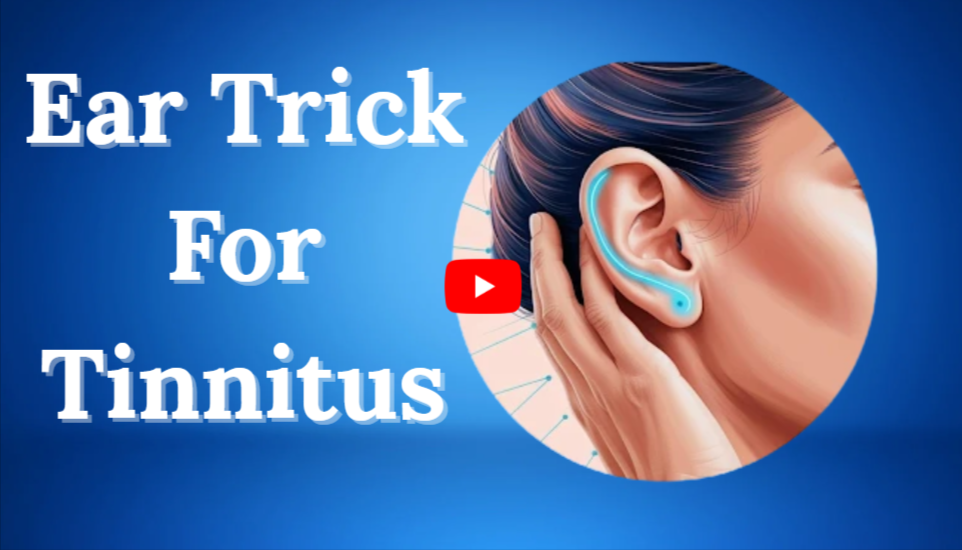
Finger Drumming Technique
- Place palms over ears.
- Position fingers at the back of the head.
- Tap gently, creating a drumming sound.
- This rhythmic stimulation can distract the brain from tinnitus.
Jaw and Neck Relaxation
- Tension in jaw muscles can worsen tinnitus.
- Gentle stretching or massage around the jaw and neck may reduce ringing.
Sound Masking
- Using white noise machines or apps to “trick” the brain into focusing on external sounds instead of internal ringing.
Ear Pressure Adjustment
- Swallowing, yawning, or performing the Valsalva maneuver can equalize ear pressure, sometimes reducing tinnitus temporarily.
Emerging Research on Neuromodulation for Tinnitus
Recent studies are exploring neuromodulation techniques as a promising frontier in tinnitus management. Neuromodulation involves stimulating specific nerves or brain regions to alter how auditory signals are processed.
For example, transcranial magnetic stimulation (TMS) and vagus nerve stimulation (VNS) are being tested for their ability to “reset” abnormal neural activity linked to tinnitus.
While these methods are still under clinical investigation, early results suggest they may provide longer-lasting relief compared to traditional sound masking or ear tricks. This highlights the importance of ongoing research and innovation in finding sustainable solutions for tinnitus sufferers.
The Role of Stress in Tinnitus
Stress is a powerful trigger that can intensify the perception of tinnitus. When the body is under pressure, cortisol levels rise, which may heighten sensitivity to internal sounds.
Many patients notice their ringing worsens during periods of anxiety, fatigue, or emotional strain. Incorporating relaxation techniques such as meditation, deep breathing, or gentle exercise can help reduce stress and ease tinnitus symptoms.
Managing stress is therefore a critical part of any long‑term tinnitus relief strategy.
The Impact of Sleep on Tinnitus
Poor sleep often intensifies tinnitus, creating a cycle of fatigue and heightened perception of ringing.
Insomnia or irregular sleep patterns can make the condition feel more overwhelming. Establishing a consistent bedtime routine and using sound masking devices can improve rest.
Relaxation techniques before bed, such as meditation, may also help. Quality sleep is essential for managing tinnitus effectively.
Why the Ear Trick Works
- Neurological Distraction: Redirects brain’s focus from tinnitus to external or self-created sounds.
- Muscle Relaxation: Relieves tension in ear and jaw muscles that may contribute to ringing.
- Auditory Reset: Provides temporary relief by stimulating auditory pathways.
Complementary Natural Remedies
Beyond the ear trick, several natural methods can help manage tinnitus:
- Mindfulness Meditation: Reduces stress, which often worsens tinnitus.
- Yoga and Breathing Exercises: Promote relaxation and circulation.
- Dietary Adjustments: Limiting caffeine, alcohol, and salt may reduce symptoms.
- Supplements: Ginkgo biloba and magnesium have been studied for potential benefits.
- Acoustic Therapy: Listening to calming sounds or music to mask tinnitus.
Lifestyle Adjustments for Long-Term Relief
- Protect Your Hearing: Use earplugs in noisy environments.
- Regular Exercise: Improves blood flow and reduces stress.
- Sleep Hygiene: Establish a calming bedtime routine to minimize nighttime tinnitus.
- Avoid Triggers: Identify foods, medications, or habits that worsen symptoms.
Exercise and Circulation Benefits
Regular physical activity improves blood flow, which supports healthy auditory function.
Aerobic exercises like walking, swimming, or cycling can reduce stress and enhance circulation.
Strength training and yoga also contribute to overall well‑being. Exercise doesn’t cure tinnitus but can make symptoms less noticeable. Staying active is a natural way to support ear health and reduce discomfort.
Medical Treatments
If tinnitus persists or worsens, consult a healthcare provider. Options include:
- Hearing Aids: Amplify external sounds, reducing tinnitus perception.
- Cognitive Behavioral Therapy (CBT): Helps patients cope with distress caused by tinnitus.
- Medications: While no drug cures tinnitus, some may reduce severity.
- Sound Therapy Devices: Wearable devices that provide continuous masking sounds.
Risks and Considerations
- The ear trick provides temporary relief but is not a cure.
- Tinnitus can signal underlying health issues—always seek medical evaluation.
- Over-reliance on tricks without addressing root causes may delay proper treatment.
Conclusion
Tinnitus can be challenging, but simple techniques like the ear trick provide accessible relief for many sufferers.
While these methods do not cure the condition, they can ease discomfort and improve daily focus. Combining ear tricks with lifestyle changes, stress management, and medical guidance offers a more holistic approach to long‑term management.
It is important to remember that tinnitus may signal underlying health issues, so professional evaluation should never be overlooked. With consistent care and balanced strategies, individuals can regain control and enhance their overall quality of life.
References Link
- Diagnosis
https://www.mayoclinic.org/diseases-conditions/tinnitus/diagnosis-treatment/drc-20350162
- Living With Tinnitus
https://www.webmd.com/a-to-z-guides/living-with-tinnitus
.