
Cinnamon Trick for Diabetes: Complete Guide to Benefits 2026
Diabetes affects millions of people worldwide, leading many individuals to search for simple, natural ways to support healthy blood sugar levels.
One popular home remedy that continues to trend online is the “cinnamon trick for diabetes.” From social media videos to wellness blogs, many people claim that adding cinnamon to coffee, tea, oatmeal, or warm water can help lower blood sugar naturally.
But does this popular trick actually work, or is it simply another internet health trend? The answer is more complex than many headlines suggest.
While cinnamon contains natural plant compounds that have been studied for their potential effects on glucose metabolism, scientific research has produced mixed findings. Some studies suggest modest improvements in blood sugar control, while others show little or no significant benefit.
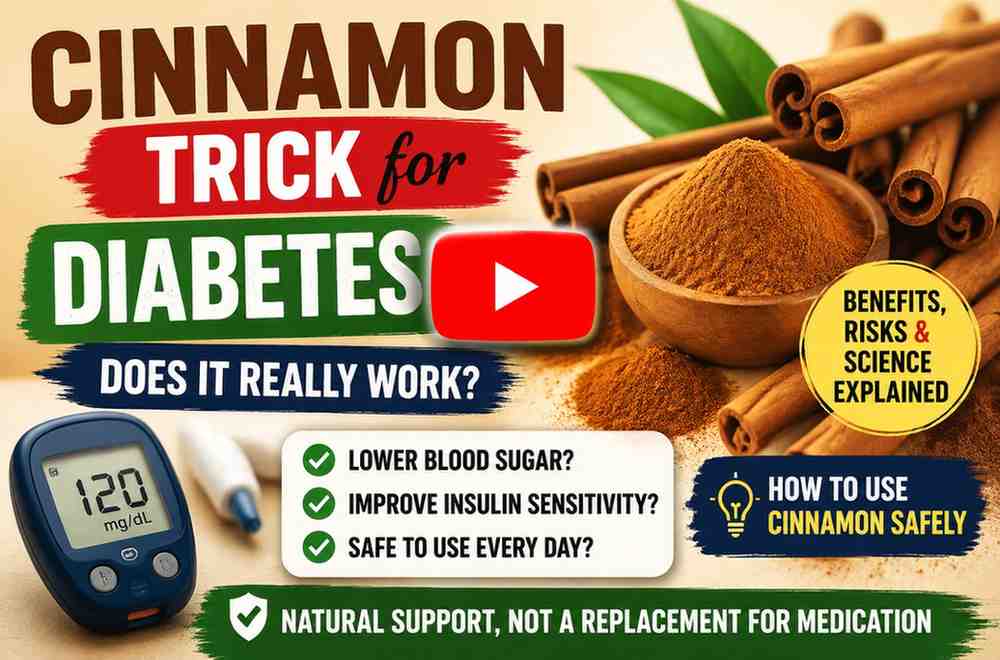

The cinnamon trick for diabetes may offer modest blood sugar support, but it isn’t a cure or replacement for medication and healthy lifestyle habits.
This guide explores everything you need to know about the cinnamon trick for diabetes, including what it is, how cinnamon may work in the body, the different types of cinnamon, potential benefits and risks, and what medical experts currently recommend.
Most importantly, we’ll explain why cinnamon should never replace prescribed diabetes medications or professional medical care.
What Is the Cinnamon Trick for Diabetes?
The “cinnamon trick” refers to the practice of regularly consuming cinnamon of support healthy blood sugar levels. There isn’t one official method, but several popular approaches have gained attention online.
Some people stir cinnamon into warm water first thing in the morning, while others add it to coffee, tea, smoothies, yogurt, oatmeal, or fruit. Cinnamon supplements in capsule form are another common option for individuals who want a measured daily amount.
The idea behind this trend comes from research suggesting that certain natural compounds found in cinnamon may help improve insulin sensitivity and influence how the body processes glucose. Because of these findings, cinnamon has become one of the most widely discussed natural ingredients for blood sugar support.
However, it’s important to understand that cinnamon is not a treatment for diabetes. Major diabetes organizations do not currently recommend cinnamon as a substitute for medication or lifestyle changes because evidence remains inconsistent.
Why Are People Using Cinnamon for Diabetes?
Many people are attracted to natural approaches because cinnamon is inexpensive, widely available, and easy to incorporate into daily meals.
Some individuals hope cinnamon can:
- Support healthy blood sugar levels
- Improve insulin sensitivity
- Reduce blood sugar spikes after meals
- Complement healthy eating habits
- Support metabolic wellness
- Add flavor without extra sugar
These potential benefits have contributed to cinnamon’s popularity, but researchers continue to study how meaningful these effects are in real-world diabetes management.
What Makes Cinnamon Unique?
Cinnamon comes from the inner bark of trees belonging to the Cinnamomum family. After harvesting, the bark naturally curls into sticks as it dries and can also be ground into powder.
Besides its familiar sweet aroma and warm flavor, cinnamon contains hundreds of naturally occurring plant compounds, including:
- Polyphenols
- Flavonoids
- Antioxidants
- Essential oils
- Cinnamaldehyde
These bioactive compounds are responsible for cinnamon’s distinctive taste and may contribute to some of its biological effects, which researchers continue to investigate.
Unlike processed sugars, cinnamon contains virtually no added sugar while adding sweetness to foods, making it a popular spice among people trying to reduce sugar intake.
How Might Cinnamon Affect Blood Sugar?
Researchers believe cinnamon may influence blood sugar regulation through several possible mechanisms. Although these effects have been observed in laboratory and some clinical studies, the results vary considerably among individuals.
🔹May Improve Insulin Sensitivity
Insulin acts like a key that allows glucose to enter the body’s cells for energy. In people with insulin resistance, this process becomes less efficient.
Some laboratory studies suggest that compounds in cinnamon may help cells respond better to insulin, potentially improving glucose uptake.
🔹May Slow Carbohydrate Digestion
Certain compounds in cinnamon appear to slow the activity of digestive enzymes responsible for breaking down carbohydrates.
This slower digestion could help reduce rapid spikes in blood sugar after meals.
🔹May Support Glucose Transport
Some studies suggest cinnamon may encourage glucose transporter proteins to move more glucose from the bloodstream into muscle cells.
This could contribute to healthier blood sugar regulation, although more research is needed.
🔹Rich in Antioxidants
Chronic inflammation and oxidative stress are linked with diabetes complications.
Cinnamon contains powerful antioxidants that may help protect cells from oxidative damage, although this does not directly treat diabetes.
🔹May Influence Liver Glucose Production
Researchers have also investigated whether cinnamon affects the liver’s production of glucose.
Some early studies suggest potential effects, but current evidence remains limited.
What Does Scientific Research Say?
The scientific evidence regarding cinnamon and diabetes is mixed.
Some clinical trials have found modest improvements in:
- Fasting blood sugar
- HbA1c
- Insulin sensitivity
- Cholesterol
- Triglycerides
However, many other well-designed studies have found minimal or no significant improvements.
Researchers believe several factors explain these inconsistent results:
- Different cinnamon species used
- Different doses
- Varying supplement quality
- Differences in participant health
- Study duration
- Diet and exercise habits
Because of these differences, experts have not reached a consensus on recommending cinnamon as a standard treatment for diabetes.
Can Cinnamon Replace Diabetes Medication?
Absolutely not.
This is one of the biggest misconceptions surrounding the cinnamon trick.
People with diabetes should never stop taking prescribed medications because they are using cinnamon. High blood sugar can silently damage the heart, kidneys, nerves, eyes, and blood vessels over time.
If someone wishes to include cinnamon in their diet, it should only be viewed as one possible part of an overall healthy lifestyle that includes:
- Balanced nutrition
- Regular physical activity
- Weight management
- Blood sugar monitoring
- Routine medical care
- Prescribed medications when necessary

Ceylon vs. Cassia Cinnamon: Which Is Better?
| Feature | Ceylon Cinnamon (True Cinnamon) | Cassia Cinnamon |
|---|---|---|
| Scientific Name | Cinnamomum verum | Cinnamomum cassia |
| Origin | Primarily Sri Lanka | China, Indonesia, Vietnam |
| Flavor | Mild, sweet, and delicate | Strong, spicy, and slightly bitter |
| Color | Light tan to golden brown | Dark reddish-brown |
| Texture | Thin, soft, and layered bark | Thick, hard bark |
| Coumarin Content | Very low | High |
| Safety for Regular Use | Generally preferred for frequent use | Best used in moderation due to higher coumarin levels |
| Potential Liver Risk | Lower when consumed in typical dietary amounts | Higher with excessive long-term intake |
| Availability | Less common and more expensive | Widely available and more affordable |
| Best For | Regular culinary use and those seeking lower coumarin intake | Occasional cooking and baking |
| Overall Recommendation | ⭐ Recommended for regular use | Suitable in moderation, but avoid excessive daily intake |
Potential Benefits of Cinnamon for People with Diabetes
Although cinnamon is not a cure or a replacement for diabetes treatment, research suggests it may provide several supportive health benefits when combined with a healthy lifestyle.
1. May Support Healthy Blood Sugar Levels
Some clinical studies suggest cinnamon may modestly reduce fasting blood sugar in certain individuals. Results vary from person to person, and the effects are generally considered supportive rather than dramatic.
2. May Improve Insulin Sensitivity
Researchers believe cinnamon may help the body’s cells respond more effectively to insulin, making it easier for glucose to move from the bloodstream into cells where it can be used for energy.
3. Rich in Powerful Antioxidants
Cinnamon contains natural antioxidants that help protect cells against oxidative stress. Reducing oxidative damage may contribute to better overall metabolic health and support healthy aging.
4. May Help Reduce Inflammation
Chronic low-grade inflammation is associated with diabetes and many other long-term health conditions. Cinnamon contains plant compounds that have shown anti-inflammatory activity in laboratory studies.
5. Supports Heart Health
People with diabetes have a higher risk of cardiovascular disease. Some research suggests cinnamon may modestly improve cholesterol and triglyceride levels, although evidence remains inconsistent.
6. Adds Flavor Without Sugar
Replacing sugary toppings with cinnamon can help reduce added sugar intake while still enhancing the taste of foods such as oatmeal, yogurt, fruit, and coffee.
7. Easy to Include in Daily Meals
Unlike many supplements, cinnamon can be incorporated into everyday recipes without making major dietary changes.
The Most Popular Cinnamon Tricks for Diabetes
Many versions of the cinnamon trick circulate online. While none have been proven to cure diabetes, these are the most common ways people include cinnamon in their diets.
🔹Cinnamon in Warm Water
Some people stir a small amount of cinnamon into warm water and drink it in the morning. This practice is believed to support hydration while adding antioxidant-rich spices to the diet.
🔹Cinnamon Tea
Steeping cinnamon sticks in hot water creates a naturally flavored beverage without added sugar. Many people enjoy cinnamon tea after meals as part of their daily routine.
🔹Coffee with Cinnamon
Adding cinnamon instead of sugar to coffee provides extra flavor while helping reduce added sweeteners.
🔹Oatmeal with Cinnamon
Sprinkling cinnamon over whole-grain oatmeal combines fiber with a flavorful spice, creating a satisfying breakfast that supports balanced eating.
🔹Yogurt and Fruit
Plain Greek yogurt topped with berries and cinnamon offers protein, fiber, and natural sweetness without excessive added sugar.
🔹Smoothies
Many healthy smoothie recipes include a dash of cinnamon alongside vegetables, berries, protein, and healthy fats.
How Much Cinnamon Is Typically Used?
There is no official recommended dose of cinnamon for diabetes because research studies have used a wide range of amounts.
Many studies have evaluated approximately 1–6 grams per day, but this does not mean everyone should consume these amounts. Individual needs vary depending on health status, medications, and the type of cinnamon used.
Rather than focusing on high doses, it’s generally safer to use cinnamon as a flavorful spice within a balanced diet. Anyone considering cinnamon supplements should first speak with a healthcare professional, especially if they have diabetes, liver disease, or take prescription medications.
Can Cinnamon Help Prevent Diabetes?
Current research does not show that cinnamon can prevent diabetes on its own.
However, cinnamon may fit into an overall healthy eating pattern that supports good metabolic health. Long-term diabetes prevention depends on several proven lifestyle strategies, including:
- Maintaining a healthy weight
- Exercising regularly
- Eating a balanced, fiber-rich diet
- Limiting sugary beverages
- Getting enough sleep
- Managing stress
- Following routine medical checkups
No single spice, food, or supplement can replace these evidence-based habits.
Are Cinnamon Supplements Better Than Cinnamon Powder?
Cinnamon supplements offer convenience and standardized servings, but they are not necessarily more effective than using cinnamon in food.
Dietary supplements are not regulated as strictly as prescription medications, so product quality and ingredient amounts may vary between manufacturers.
For many people, adding cinnamon naturally to meals is a simple way to enjoy its flavor while supporting a healthy eating plan.
Possible Risks and Side Effects
Although cinnamon is generally safe when used in normal food amounts, consuming large quantities or concentrated supplements may increase the risk of side effects.
Potential concerns include:
- Upset stomach
- Mouth irritation
- Allergic reactions
- Liver concerns from excessive coumarin intake
- Interactions with certain medications
- Low blood sugar when combined with diabetes medicines
People should avoid assuming that “natural” always means “risk-free.”
Can Cinnamon Cause Low Blood Sugar?
Possibly.
Because cinnamon may have mild blood sugar-lowering effects, combining large amounts of cinnamon with diabetes medications or insulin could increase the risk of hypoglycemia in some individuals.
Symptoms of low blood sugar include:
- Sweating
- Shaking
- Hunger
- Dizziness
- Confusion
- Blurred vision
- Rapid heartbeat
Anyone experiencing these symptoms should check their blood sugar promptly and follow their healthcare provider’s recommendations.
Who Should Be Careful with Cinnamon?
Some individuals should speak with a healthcare provider before using cinnamon supplements or consuming large amounts regularly.
This includes people who:
- Have liver disease
- Take insulin
- Use diabetes medications
- Take blood-thinning medications
- Have known spice allergies
- Are pregnant or breastfeeding and considering supplements
- Have chronic medical conditions requiring regular medication
Using cinnamon in normal cooking amounts is generally well tolerated, but supplements deserve additional caution.
Common Myths About the Cinnamon Trick
Myth 1: Cinnamon Cures Diabetes
Fact: There is no scientific evidence that cinnamon cures diabetes. While some studies suggest it may offer modest support for blood sugar management, it should never be considered a cure or a replacement for medical treatment.
Myth 2: More Cinnamon Works Better
Fact: Consuming large amounts of cinnamon does not necessarily provide greater benefits. Excessive intake, especially of Cassia cinnamon, may increase the risk of side effects such as liver problems due to its high coumarin content.
Myth 3: You Can Stop Taking Diabetes Medication
Fact: Cinnamon should never replace prescribed diabetes medications or insulin. Stopping treatment without medical guidance can lead to uncontrolled blood sugar and increase the risk of serious complications.
Myth 4: All Cinnamon Is the Same
Fact: Ceylon and Cassia cinnamon differ in both composition and coumarin levels. Ceylon cinnamon contains much less coumarin and is generally considered the better option for regular dietary use.
Myth 5: Blood Sugar Drops Immediately
Fact: Cinnamon does not produce instant or guaranteed blood sugar reductions. Any potential effects are typically modest, vary from person to person, and should be viewed as part of an overall healthy lifestyle rather than a quick fix.
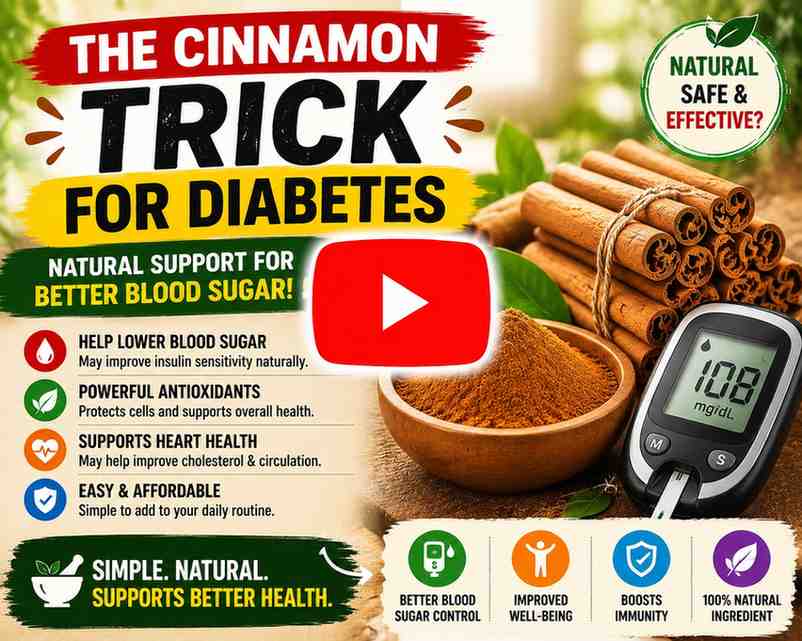
Healthy Lifestyle Tips That Matter More Than Cinnamon
While cinnamon may complement healthy habits, the biggest improvements in diabetes management come from consistent lifestyle choices.
Focus on:
- Eating plenty of vegetables and high-fiber foods
- Choosing whole grains over refined carbohydrates
- Including lean proteins and healthy fats
- Staying physically active most days of the week
- Drinking enough water
- Getting quality sleep
- Managing stress levels
- Monitoring blood sugar as recommended
- Taking medications exactly as prescribed
- Scheduling regular healthcare visits
These habits have far stronger scientific support than any single spice or supplement.
Frequently Asked Questions
Does cinnamon lower blood sugar immediately?
No. Cinnamon does not produce an immediate reduction in blood sugar. Any potential effects are generally modest and may take time, while some people may notice no measurable change at all.
Which cinnamon is best for diabetes?
Ceylon cinnamon is often preferred for regular use because it contains much lower amounts of coumarin than Cassia cinnamon. However, neither variety is approved as a treatment for diabetes.
Can I drink cinnamon water every day?
Many people enjoy cinnamon water as part of a balanced diet. It should be consumed in moderation and should never replace diabetes medications or healthy lifestyle habits.
Is cinnamon safe for people with Type 2 diabetes?
Using cinnamon in normal amounts in food is generally considered safe for most adults. People with Type 2 diabetes should consult their healthcare provider before taking cinnamon supplements, especially if they use glucose-lowering medications.
Can cinnamon replace metformin or insulin?
No. Cinnamon cannot replace metformin, insulin, or any other prescribed diabetes medication. Treatment decisions should always be made with a qualified healthcare professional.
Is cinnamon good for prediabetes?
Some research suggests cinnamon may modestly support glucose metabolism, but evidence remains inconsistent. Healthy eating, regular exercise, and weight management remain the most effective strategies for reducing the risk of progressing to Type 2 diabetes.
Conclusion
The cinnamon trick for diabetes has gained widespread attention because it is simple, inexpensive, and easy to incorporate into everyday meals.
While cinnamon contains natural compounds that researchers continue to study, the current scientific evidence is mixed. Some studies suggest modest improvements in fasting blood sugar or insulin sensitivity, whereas others find little to no significant benefit.
For most people, using cinnamon as part of a healthy diet can be an enjoyable way to add flavor without extra sugar. However, cinnamon should be viewed as a supportive dietary ingredient—not a cure or a substitute for proven diabetes treatments.
Long-term blood sugar management still depends on a combination of balanced nutrition, regular physical activity, weight management, routine monitoring, and following a healthcare provider’s treatment plan.
If you have diabetes or prediabetes and are considering cinnamon supplements, discuss them with your healthcare provider first. Personalized medical guidance is the safest way to determine whether cinnamon is appropriate for your individual health needs.

References
About Us
