
Causes of Neuropathy in Hands and How It’s Treated: Guide
Neuropathy in the hands is a neurological condition that occurs when the peripheral nerves responsible for sensation, movement, and coordination become damaged or disrupted.
These nerves act as communication pathways between the brain, spinal cord, and the hands. When they are not functioning properly, even simple daily tasks such as writing, holding objects, typing, or gripping tools can become difficult and painful.
Although often described as a single condition, hand neuropathy is actually a symptom of many different underlying health problems. It can develop slowly over time or appear suddenly depending on the cause.
Understanding why it happens and how it can be treated is essential for preventing long-term nerve damage and maintaining hand function.


This article explores the major causes of neuropathy in the hands, how it develops, how it is diagnosed, and the most effective treatment approaches currently used in medical practice.
Understanding Neuropathy in the Hands
Neuropathy in the hands refers specifically to dysfunction or damage of peripheral nerves in the upper limbs. These nerves control:
- Touch sensation
- Temperature perception
- Pain signaling
- Muscle movement and coordination
When these nerves are damaged, signals between the brain and hands become distorted or interrupted.
Common symptoms include:
- Tingling or “pins and needles” sensation
- Burning or stabbing pain
- Numbness in fingers or palms
- Weak grip strength
- Difficulty coordinating fine movements
- Increased sensitivity to touch
In early stages, symptoms may come and go. As the condition progresses, symptoms may become constant and more severe, affecting quality of life and daily independence.
👉 DON’T TRY THIS “NEUROPATHY IN HANDS” UNTIL YOU SEE THIS
How Peripheral Nerve Damage Develops
Peripheral nerves are delicate structures composed of fibers surrounded by protective coverings called myelin sheaths. These structures can be damaged in several ways:
- Loss of blood supply (ischemia)
- Direct physical compression
- Inflammation or immune attack
- Toxic exposure
- Metabolic dysfunction
Once nerve fibers are damaged, they may regenerate slowly, but severe or prolonged injury can lead to permanent dysfunction.
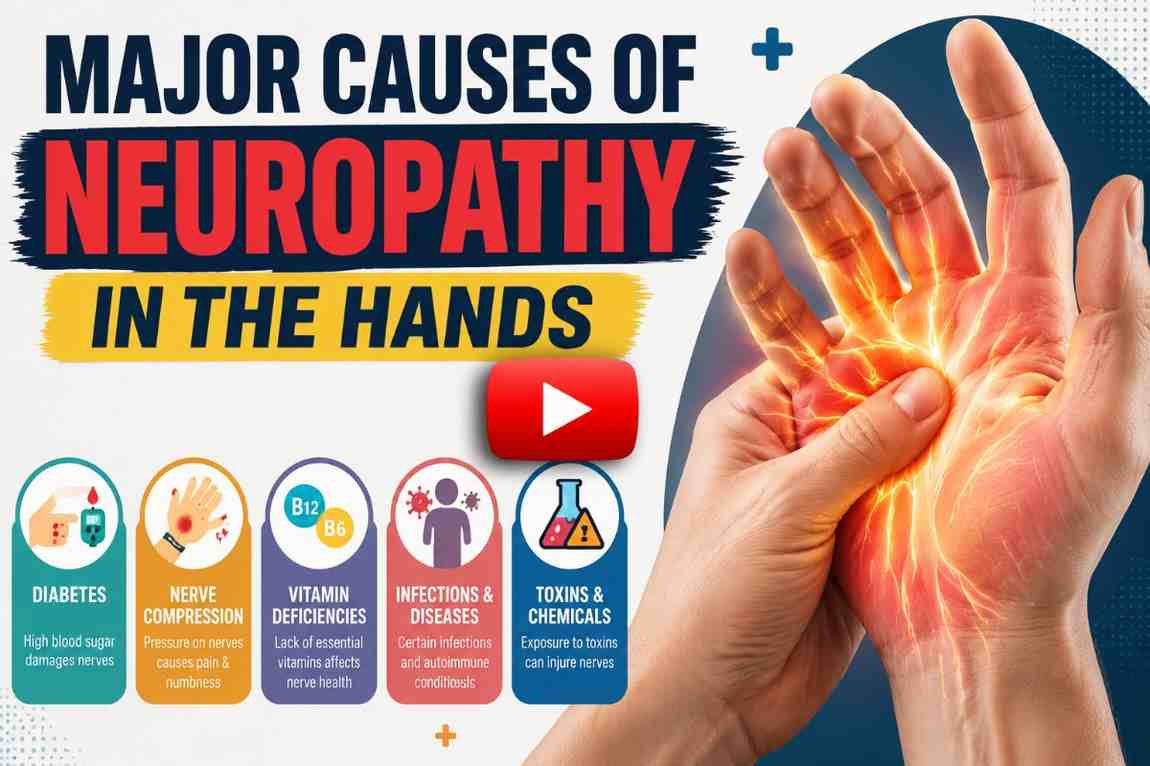
Major Causes of Neuropathy in the Hands
Neuropathy in the hands can arise from a wide range of medical conditions. Some causes affect the entire nervous system, while others are localized to the wrist or arm.
1. Diabetes and Blood Sugar Imbalance
Diabetes is the most common cause of peripheral neuropathy worldwide. Persistently elevated blood glucose levels damage both nerves and the small blood vessels that supply them.
Over time, this leads to reduced oxygen and nutrient delivery to nerve tissues, resulting in degeneration of nerve fibers.
In diabetic neuropathy affecting the hands, patients may experience:
- Gradual loss of sensation in fingers
- Burning pain, especially at night
- Weak grip strength
- Difficulty with fine motor tasks
Poor glycemic control accelerates nerve damage. Even prediabetes can begin to affect nerve function before full diabetes develops.
According to clinical research, controlling blood sugar levels is one of the most important steps in slowing or preventing progression of neuropathy.
2. Nerve Compression Disorders
One of the most localized and treatable causes of hand neuropathy is nerve compression.
Carpal Tunnel Syndrome
This occurs when the median nerve is compressed at the wrist. It is often associated with repetitive hand movements such as typing or using vibrating tools.
Ulnar Nerve Entrapment
This affects the nerve running along the elbow or wrist, often causing symptoms in the ring and little fingers.
Symptoms include:
- Tingling in specific fingers
- Nighttime hand numbness
- Weak grip strength
- Pain radiating up the arm
Unlike systemic neuropathy, compression-related neuropathy may improve significantly with early intervention such as wrist splints, ergonomic adjustments, or surgery if severe.
3. Vitamin Deficiencies and Malnutrition
Proper nerve function depends on adequate nutritional support. Deficiencies in certain vitamins can directly impair nerve signaling and structure.
Key nutrients include:
- Vitamin B12 (critical for myelin sheath maintenance)
- Vitamin B1 (thiamine, essential for nerve energy metabolism)
- Vitamin B6 (important but toxic in excess)
- Vitamin E (protects nerve cell membranes)
- Copper (supports nerve signaling enzymes)
Vitamin deficiency neuropathy often develops gradually and may be reversible if detected early.
Conditions such as alcoholism, gastrointestinal disorders, or restrictive diets can increase risk.
4. Autoimmune and Inflammatory Disorders
In autoimmune neuropathy, the immune system mistakenly attacks the body’s own nerve tissues.
Common associated diseases include:
- Lupus
- Rheumatoid arthritis
- Sjögren’s syndrome
- Guillain-Barré syndrome (acute form)
Inflammation damages the myelin sheath, slowing or blocking nerve signals. This results in pain, weakness, and sensory disturbances.
In some cases, immune-mediated neuropathy can progress rapidly and requires urgent medical intervention.
5. Alcohol-Related Nerve Damage
Long-term alcohol consumption is toxic to peripheral nerves. It also contributes to nutritional deficiencies, particularly B vitamins, which are essential for nerve health.
Alcohol-related neuropathy typically presents with:
- Burning sensation in hands and feet
- Muscle weakness
- Loss of coordination
- Increased sensitivity to pain
Damage occurs both through direct neurotoxicity and indirect nutritional depletion. Abstinence from alcohol is essential for stabilization and recovery.
6. Infections That Affect Nerves
Certain infections can trigger nerve inflammation or direct nerve injury.
Examples include:
- Herpes zoster (shingles)
- HIV infection
- Hepatitis B and C
- Lyme disease
These infections may cause long-term nerve pain even after the infection is treated. In shingles, for example, postherpetic neuralgia can persist for months or years.
7. Exposure to Toxins and Chemicals
Environmental and occupational exposure to toxins can significantly damage peripheral nerves.
Common toxic agents include:
- Heavy metals such as lead, mercury, and arsenic
- Industrial solvents
- Certain chemotherapy drugs
- Pesticides and industrial chemicals
These substances interfere with nerve metabolism and can cause progressive, sometimes irreversible, nerve damage.
8. Physical Injury and Trauma
Trauma is a direct cause of localized neuropathy in the hands.
This may result from:
- Fractures or dislocations
- Sports injuries
- Repetitive strain injuries
- Surgical complications
When nerves are compressed, stretched, or cut, they may lose function partially or completely. Recovery depends on severity and timing of treatment.
9. Poor Circulation and Vascular Disorders
Nerves require constant blood supply. Any reduction in circulation can damage nerve tissue.
Causes include:
- Peripheral artery disease
- Chronic pressure on nerves
- Cold exposure
- Vascular inflammation
Temporary numbness from poor circulation is common, but chronic reduced blood flow can lead to lasting nerve dysfunction.
10. Genetic Neuropathies
Some forms of neuropathy are inherited and progress slowly over time.
Examples include:
- Charcot-Marie-Tooth disease
- Hereditary sensory neuropathies
- Metabolic genetic disorders affecting nerves
These conditions often begin in childhood or early adulthood and gradually worsen.
11. Idiopathic Neuropathy
In some cases, no identifiable cause is found despite extensive testing. This is known as idiopathic neuropathy.
It is more common in older adults and may still cause significant symptoms even without a known underlying disease.
Management focuses on symptom control and lifestyle optimization.
👉 DON’T TRY THIS “NEUROPATHY IN HANDS” UNTIL YOU SEE THIS
How Neuropathy in the Hands Is Diagnosed
Accurate diagnosis is essential for effective treatment. Physicians typically use a combination of methods:
Clinical Evaluation
- Medical history review
- Symptom pattern analysis
- Physical neurological examination
Laboratory Tests
- Blood glucose testing
- Vitamin level assessment
- Autoimmune markers
- Infection screening
Nerve Function Tests
- Nerve conduction studies (NCS)
- Electromyography (EMG)
Imaging
- MRI or ultrasound in cases of suspected compression or structural damage
These tests help determine whether neuropathy is systemic, localized, or mixed in origin.
Treatment Options for Neuropathy in the Hands
Treatment depends entirely on the underlying cause and severity of nerve damage.
1. Treating the Root Cause
The most effective treatment approach is addressing the underlying condition:
- Diabetes management through medication and lifestyle changes
- Vitamin supplementation for deficiencies
- Antiviral or antibiotic therapy for infections
- Immunosuppressive therapy for autoimmune diseases
Without addressing the root cause, symptoms often continue to worsen.
2. Medications for Symptom Control
While nerve damage itself may not always be reversible, symptoms can often be controlled.
Common medications include:
- Antidepressants that regulate nerve pain signals
- Anticonvulsants used for neuropathic pain
- Pain relievers for moderate discomfort
- Topical treatments for localized relief
These medications do not cure neuropathy but improve quality of life.
3. Physical and Occupational Therapy
Therapy plays a crucial role in maintaining function.
Benefits include:
- Improved hand strength
- Better coordination
- Reduced stiffness
- Enhanced fine motor skills
Occupational therapy helps patients adapt to daily tasks and maintain independence.
4. Lifestyle Modifications
Lifestyle changes significantly influence nerve health:
- Balanced diet rich in vitamins and antioxidants
- Regular exercise to improve circulation
- Avoiding alcohol and smoking
- Maintaining a healthy weight
- Reducing repetitive strain on wrists and hands
These changes help slow disease progression and improve symptoms.
5. Surgical Treatment
Surgery is used when nerve compression is severe or unresponsive to conservative treatment.
Examples include:
- Carpal tunnel release surgery
- Ulnar nerve decompression
Surgical outcomes are generally favorable when performed early.
6. Advanced Therapies
In severe or chronic cases, specialized treatments may be used:
- Nerve stimulation therapies
- Pain management injections
- Neuromodulation techniques
These are typically reserved for resistant cases.
Can Neuropathy in the Hands Be Reversed?
Reversibility depends on the cause and duration of nerve damage.
- Nutritional and compression-related neuropathy may improve significantly
- Diabetic neuropathy may stabilize but not fully reverse
- Genetic and advanced toxic neuropathies are often permanent
Early detection is the most important factor in preventing irreversible nerve damage.
Final Thoughts
Neuropathy in the hands is a complex neurological condition with multiple possible causes ranging from metabolic disorders like diabetes to nerve compression, vitamin deficiencies, autoimmune diseases, infections, and toxin exposure.
Although symptoms can be disruptive and sometimes painful, modern medicine offers effective ways to diagnose and manage the condition.
Treatment is most successful when the underlying cause is identified early and addressed promptly.
With proper medical care, lifestyle adjustments, and ongoing management, many individuals experience meaningful symptom relief and improved hand function over time.
External References
- https://en.wikipedia.org/wiki/Peripheral_neuropathy
- https://www.healthline.com/health/peripheral-neuropathy
- https://www.webmd.com/brain/what-is-peripheral-neuropathy
About Us
