Bariatric surgery is a significant life decision that often leads to profound weight loss transformations. However, the journey doesn’t end once the surgery is completed.
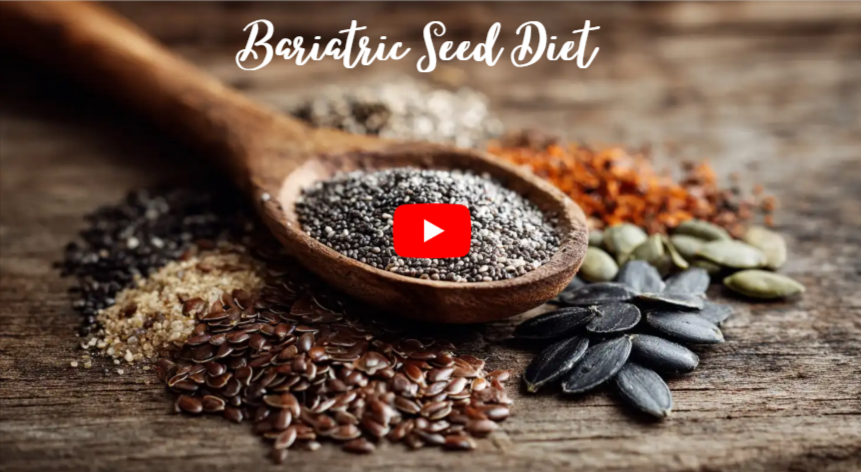

The real challenge lies in maintaining long-term health and achieving sustainable weight loss. The post-surgery period requires special dietary considerations to ensure proper nutrition and support the body’s adjustment to a smaller stomach size. One diet that has been gaining attention among bariatric patients is the Bariatric Seed Diet.
Bariatric Seed Diet is designed to support weight loss by focusing on high-protein, high-fiber seeds that provide essential nutrients while promoting fullness and health.
The Bariatric Seed Diet focuses on incorporating seeds rich in proteins, fibers, healthy fats, and other essential nutrients into the post-surgery meal plan.
These seeds not only aid in weight loss but also support overall health and well-being. In this comprehensive guide, we’ll explore the Bariatric Seed Diet, its benefits, types of seeds to include, and practical tips for integrating this diet into your lifestyle.
What is the Bariatric Seed Diet?
Bariatric Seed Diet is a specialized eating plan that emphasizes incorporating nutrient-dense seeds into meals. After bariatric surgery, patients must adhere to a strict diet to ensure proper healing and avoid complications.
This diet is designed to meet the body’s unique nutritional needs while also promoting healthy weight loss. It encourages the consumption of seeds such as chia, flax, pumpkin, hemp, and sunflower, which are packed with fiber, protein, omega-3 fatty acids, and antioxidants.
Seeds are excellent sources of essential nutrients that can support the body’s recovery post-surgery. They offer several health benefits, including:
-
High Fiber Content: Fiber is vital in the bariatric diet because it helps with satiety, reduces hunger pangs, and promotes digestive health. This is especially important after surgery, when portion sizes are significantly reduced.
-
Protein-Packed: Protein is crucial for muscle repair and regeneration, especially after surgery. Seeds are a great plant-based protein source that helps bariatric patients meet their protein goals without the risk of overeating.
-
Healthy Fats: Many seeds are rich in omega-3 fatty acids, which are beneficial for heart health and can aid in the reduction of inflammation. Healthy fats also contribute to feeling fuller for longer.
-
Rich in Micronutrients: Seeds are loaded with essential vitamins and minerals such as magnesium, zinc, iron, and vitamin E, which are vital for maintaining optimal health after surgery.
Key Seeds to Include in the Bariatric Seed Diet
Several types of seeds are highly beneficial for individuals following a bariatric diet. These seeds are not only nutritious but also versatile and easy to incorporate into meals. Here’s a closer look at the top seeds to include in your diet:
Chia Seeds
Chia seeds are tiny, yet incredibly powerful. They are an excellent source of fiber, protein, and omega-3 fatty acids. These seeds can absorb liquid, forming a gel-like consistency that helps with satiety.
Their high fiber content aids in digestion and promotes a feeling of fullness. Chia seeds are easy to add to smoothies, puddings, or mix into yogurt.
Flax Seeds
Flax seeds are rich in alpha-linolenic acid (ALA), an omega-3 fatty acid, and fiber. Flaxseeds help regulate blood sugar levels and improve digestion.
Ground flax seeds are easier for the body to digest than whole seeds and can be sprinkled on salads, added to smoothies, or mixed into baked goods.
Hemp Seeds
Hemp seeds are a complete source of protein, containing all nine essential amino acids. They also provide healthy fats, fiber, and a wide range of vitamins and minerals. Hemp seeds are versatile and can be added to granola, smoothies, or sprinkled over salads.
Pumpkin Seeds
Pumpkin seeds are packed with magnesium, zinc, and healthy fats. They are also a good source of protein and fiber. Roasted pumpkin seeds can make a great snack, or they can be added to salads, soups, or granola bars. Their crunchy texture adds a satisfying element to meals.
Sunflower Seeds
Sunflower seeds are high in healthy fats, protein, and fiber, making them an excellent addition to the bariatric seed diet. These seeds also provide antioxidants and anti-inflammatory properties, which are helpful for overall health. Sunflower seeds can be sprinkled on salads or yogurt or eaten as a snack.

Benefits of the Bariatric Seed Diet
The Bariatric Seed Diet offers several benefits that can support both weight loss and long-term health:
Improved Satiety
The high fiber and protein content of seeds help to keep you full for longer periods. After bariatric surgery, the stomach is smaller, so feeling satiated on fewer calories is essential. Seeds help curb hunger cravings and reduce the likelihood of overeating.
Weight Loss and Maintenance
The Bariatric Seed Diet is a nutrient-dense option that promotes healthy weight loss while ensuring proper nutrition. By providing a steady release of energy, seeds help regulate blood sugar levels and keep cravings at bay, which is vital for maintaining weight loss after surgery.
Supports Digestive Health
Fiber-rich foods like seeds play a key role in digestive health by promoting regular bowel movements and preventing constipation, which is a common concern after bariatric surgery. Fiber also helps in maintaining gut health, which is essential for nutrient absorption.
Boosts Heart Health
Many seeds are high in omega-3 fatty acids, which help reduce inflammation, support heart health, and lower cholesterol levels. This is particularly important after bariatric surgery, as the risk of cardiovascular disease can be influenced by weight loss.
Enhances Nutrient Intake
Incorporating a variety of seeds into the diet can help bariatric patients obtain a wide range of vitamins, minerals, and antioxidants. This is crucial because nutrient deficiencies are common in post-bariatric patients due to reduced food intake.
How to Personalize the Bariatric Seed Diet for Your Needs
While the Bariatric Seed Diet provides a general framework for nutrition, it’s essential to personalize it to your unique needs and preferences. Since bariatric patients have different body types, recovery stages, and health conditions, customizing your diet plan can maximize its benefits and improve long-term success.
Understanding Your Nutritional Needs
After bariatric surgery, the body requires specific nutrients to recover, maintain energy levels, and promote healing. It’s essential to ensure that your seed-based diet includes the right balance of:
-
Protein: Bariatric patients must prioritize protein to help with muscle maintenance and repair. Seeds like hemp seeds and flaxseeds provide excellent plant-based protein.
-
Fiber: Seeds are rich in fiber, which helps with digestion and maintaining a feeling of fullness. Chia seeds and flaxseeds are particularly fiber-dense.
-
Healthy Fats: Healthy fats from seeds like hemp and pumpkin seeds support heart health and nutrient absorption.
-
Micronutrients: Ensure your diet includes a variety of seeds to get essential vitamins and minerals, such as zinc, magnesium, and vitamin E, which play a role in immunity, bone health, and skin health.
Adjusting Portion Sizes Based on Your Progress
As your body heals and adjusts after surgery, your portion sizes will change. In the early stages post-surgery, you’ll need to stick to small amounts of food. Seeds are calorie-dense, so portion control is essential. Here are some guidelines:
-
Start Small: Introduce seeds gradually into your diet. Begin with a small teaspoon of ground seeds and increase the quantity as your stomach adjusts.
-
Monitor Fullness: Seeds are rich in fiber and fats, so they can keep you fuller for longer. Pay attention to your body’s hunger and fullness cues to avoid overeating.
-
Use Ground Seeds: Ground seeds, such as ground flaxseeds or chia seeds, are easier to digest and may be more suitable in the initial stages post-surgery.
Tailoring to Specific Health Conditions
Bariatric patients often have other health considerations, such as diabetes, hypertension, or heart disease. If you have any of these conditions, you can adjust your seed choices to support your health goals:
-
Diabetes: Choose seeds like chia seeds and flaxseeds, which help regulate blood sugar levels due to their high fiber content.
-
Heart Health: Incorporate seeds like hemp seeds and pumpkin seeds, which are rich in omega-3 fatty acids and magnesium, supporting cardiovascular health.
-
Digestive Concerns: If you’re experiencing constipation or digestive discomfort, seeds like chia seeds and flaxseeds are known for their ability to support bowel regularity and improve gut health.

How to Incorporate Seeds into Your Bariatric Diet
Integrating seeds into your daily diet doesn’t have to be difficult. Here are some simple ways to include seeds in your meals:
-
Smoothies: Add a tablespoon of chia seeds, flaxseeds, or hemp seeds to your morning smoothie. They blend well and offer a boost of protein and fiber.
-
Yogurt or Pudding: Sprinkle seeds on top of Greek yogurt or chia seed pudding for added texture and nutrients.
-
Salads: Toss sunflower, pumpkin, or hemp seeds into your salads for extra crunch and nutrition.
-
Baked Goods: Incorporate ground flaxseeds or chia seeds into your baking recipes. They can be added to muffins, cookies, or protein bars.
-
Snacks: A handful of roasted pumpkin or sunflower seeds can make a great snack. They’re portable and easy to take on the go.
Potential Challenges of the Bariatric Seed Diet
While seeds are an excellent addition to the bariatric diet, some challenges may arise:
Digestibility
After bariatric surgery, it’s essential to introduce new foods slowly to avoid gastrointestinal discomfort. Some seeds, especially whole seeds, may be difficult for some individuals to digest. Ground seeds are often easier to digest, making them a better choice for those with sensitive stomachs.
Caloric Density
Though seeds are nutrient-dense, they are also high in calories. For bariatric patients, it’s important to manage portion sizes to prevent consuming too many calories, which could slow down weight loss efforts.
Allergies
Some individuals may be allergic to certain seeds, such as sunflower or sesame seeds. Always be cautious when adding new foods to your diet and consult with a healthcare provider if you have any concerns.
Conclusion
Bariatric Seed Diet is a powerful tool for supporting weight loss and promoting long-term health after bariatric surgery.
By focusing on seeds that are rich in fiber, protein, healthy fats, and essential nutrients, this diet helps bariatric patients maintain satiety, enhance digestive health, and ensure they meet their nutritional needs.
However, it’s essential to approach the diet with proper portion control and to slowly introduce seeds to avoid digestive discomfort.
Seeds are not only versatile and easy to incorporate into meals, but they also offer a range of health benefits, including improved heart health, digestive function, and overall nutrient intake.
As always, consulting with a healthcare provider or nutritionist before making significant dietary changes is crucial to ensure the diet is tailored to individual needs.
References Link
.