Oral health plays a crucial role in overall well-being. From preventing cavities to maintaining fresh breath and a bright smile, daily brushing habits directly impact long-term dental outcomes.
Among the many natural remedies trending in oral care, baking soda toothpaste has gained significant popularity. Marketed as an affordable, natural whitening solution, it is often praised for its ability to remove stains and neutralize acids.
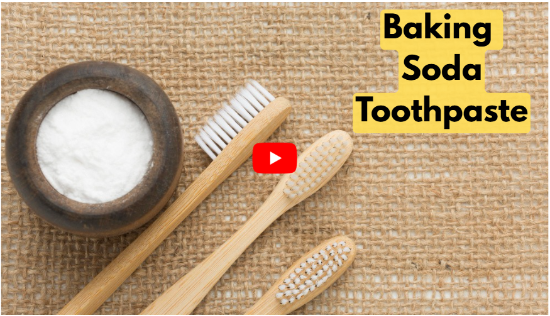

But is baking soda toothpaste truly safe and effective? Does it protect enamel? Can it replace regular toothpaste? And what does scientific research say about its long-term use?
Baking soda toothpaste helps whiten teeth, neutralize acids, and fight plaque, but overuse may damage enamel and irritate gums.
This comprehensive guide explores everything you need to know about baking soda toothpaste—its benefits, potential risks, proper usage, and professional recommendations—so you can make informed decisions about your oral health.
What Is Baking Soda Toothpaste?
Baking soda toothpaste contains sodium bicarbonate, a mild abrasive compound commonly used in cooking and cleaning. In dentistry, sodium bicarbonate is valued for its ability to:
-
Remove surface stains
-
Neutralize acids in the mouth
-
Reduce plaque buildup
-
Freshen breath
Many commercial toothpastes include baking soda as a primary ingredient, while others combine it with fluoride for added cavity protection.
Baking soda has been used in oral hygiene for over a century due to its cleansing and deodorizing properties.
How Baking Soda Toothpaste Works
Understanding how baking soda functions inside the mouth helps clarify its benefits and limitations.
1. Mild Abrasive Action
Baking soda has a fine, crystalline texture that gently scrubs away:
-
Surface stains from coffee, tea, and tobacco
-
Food particles
-
Plaque biofilm
Its abrasiveness is lower than that of many whitening toothpastes, making it relatively gentle when used correctly.
2. Acid Neutralization
The mouth becomes acidic after eating sugary or carbohydrate-rich foods. Acid weakens enamel and promotes tooth decay. Baking soda is alkaline and helps balance oral pH levels.
Neutralizing acid reduces the risk of enamel erosion and cavity formation.
3. Antibacterial Properties
Although not a strong antimicrobial agent like chlorhexidine, baking soda can reduce harmful bacteria by altering the oral environment.
4. Deodorizing Effect
Bad breath (halitosis) often results from acid-producing bacteria. Baking soda helps neutralize odor-causing compounds.
Benefits of Baking Soda Toothpaste
1. Teeth Whitening
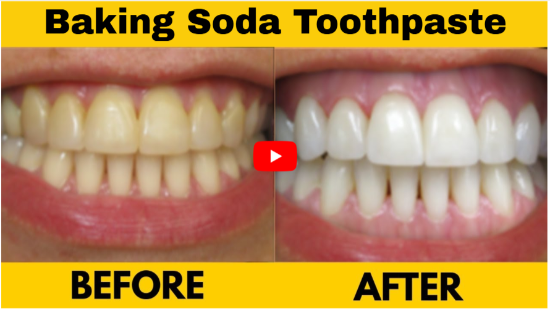
One of the main reasons people choose baking soda toothpaste is for whitening.
It removes extrinsic stains caused by coffee, wine, tea, and smoking.
However, it does not change the intrinsic color of teeth or bleach enamel like professional whitening treatments.
2. Plaque Reduction
Research indicates that toothpastes containing sodium bicarbonate may remove more plaque compared to non-baking soda formulas.
Consistent use can support gum health when combined with proper brushing technique.
3. Affordable and Accessible
Baking soda is inexpensive and widely available, making it an attractive option for budget-conscious individuals.
4. Acid Control
By maintaining a neutral pH, baking soda may help reduce the risk of enamel erosion.
5. Fresh Breath
Its deodorizing properties make it effective for combating bad breath.
Does Baking Soda Toothpaste Protect Against Cavities?
This is where caution is necessary.
Baking soda alone does not contain fluoride, which is essential for:
-
Remineralizing enamel
-
Strengthening teeth
-
Preventing cavities
If using pure baking soda without fluoride, you may increase your risk of tooth decay over time.
The American Dental Association recommends fluoride toothpaste for effective cavity prevention.
If you prefer baking soda toothpaste, choose a product that also includes fluoride.
Is Baking Soda Too Abrasive?
Many people worry that baking soda may damage enamel.
Interestingly, baking soda ranks relatively low on the Relative Dentin Abrasivity (RDA) scale compared to many whitening toothpastes.
When used properly with a soft-bristled toothbrush, baking soda is generally safe for enamel.
However, aggressive brushing can cause:
-
Gum recession
-
Tooth sensitivity
-
Enamel thinning
Moderation is key.
Risks and Side Effects of Baking Soda Toothpaste
While baking soda toothpaste offers benefits, overuse or improper use can cause problems.
1. Enamel Erosion (When Overused)
Although mild, frequent scrubbing with excessive pressure may gradually wear enamel.
2. Gum Irritation
Some individuals experience gum irritation due to the gritty texture.
3. Lack of Fluoride
Using pure baking soda without fluoride may compromise cavity protection.
4. Salty Taste
The taste may be unpleasant for some users, reducing compliance.
Baking Soda vs. Regular Toothpaste
| Feature | Baking Soda Toothpaste | Regular Fluoride Toothpaste |
|---|---|---|
| Whitening | Removes surface stains | Some contain whitening agents |
| Cavity Protection | Only if fluoride added | Yes (with fluoride) |
| Acid Neutralization | Excellent | Moderate |
| Enamel Strengthening | Limited | Strong (with fluoride) |
Fluoride-containing toothpaste remains the gold standard for cavity prevention.
Baking Soda and Gum Health
Plaque buildup leads to gingivitis and gum inflammation. By helping reduce plaque and neutralize acid, baking soda toothpaste may support gum health.
However, advanced gum disease (periodontitis) requires professional care.
The World Health Organization emphasizes the importance of daily oral hygiene and professional dental visits to prevent periodontal disease.
Can You Brush With Pure Baking Soda?
Yes—but cautiously.
If brushing with pure baking soda:
-
Use a soft toothbrush
-
Avoid vigorous scrubbing
-
Limit use to 2–3 times per week
-
Consider fluoride supplementation
Daily use without fluoride is not recommended for long-term dental protection.
DIY Baking Soda Toothpaste Recipes
Some people mix baking soda with:
-
Water
-
Coconut oil
-
Hydrogen peroxide
While these mixtures may enhance whitening, hydrogen peroxide can increase tooth sensitivity.
DIY recipes should be used carefully and not replace professional dental advice.
Who Should Avoid Baking Soda Toothpaste?
You may need to avoid or limit use if you have:
-
Severe enamel erosion
-
Chronic tooth sensitivity
-
Gum recession
-
Braces (may scratch surfaces)
Consult a dentist before switching to a baking soda-only routine.
Scientific Evidence Supporting Baking Soda Toothpaste
Several clinical studies have shown:
-
Greater plaque removal compared to non-baking soda toothpaste
-
Effective stain removal
-
Improved gingival health when combined with fluoride
However, most benefits are seen when baking soda is part of a balanced toothpaste formula.
Scientific consensus supports baking soda as beneficial—but not as a standalone replacement for fluoride toothpaste.
How to Use Baking Soda Toothpaste Safely
Follow these guidelines for optimal results:
-
Use a fluoride-containing baking soda toothpaste
-
Brush twice daily for two minutes
-
Use a soft-bristled toothbrush
-
Avoid excessive pressure
-
Floss daily
-
Visit a dentist every 6 months
Consistency and proper technique matter more than the toothpaste brand alone.
Baking Soda for Teeth Whitening: What to Expect
Results vary based on:
-
Severity of staining
-
Dietary habits
-
Smoking status
-
Brushing consistency
You may notice mild brightening within 2–6 weeks.
However, deep discoloration may require professional whitening treatments.
Professional Whitening vs. Baking Soda
Professional whitening treatments:
-
Penetrate enamel
-
Use controlled bleaching agents
-
Provide faster, dramatic results
Baking soda:
-
Only removes surface stains
-
Offers gradual improvement
-
Is maintenance-focused
Baking soda is not a substitute for clinical whitening procedures.
Myths About Baking Soda Toothpaste
Myth 1: It Rebuilds Enamel
False. Only fluoride aids remineralization.
Myth 2: It Can Replace Dentist Visits
False. Professional cleanings are essential.
Myth 3: It Damages Teeth Instantly
False. When used properly, it is generally safe.
Long-Term Use: Is It Safe?
Long-term use is safe when:
-
Fluoride is included
-
Proper brushing technique is followed
-
Dental check-ups are maintained
Improper or excessive use increases risk of enamel wear and sensitivity.
Should You Use Baking Soda Toothpaste?
Baking soda toothpaste offers real benefits, including:
-
Surface stain removal
-
Plaque reduction
-
Acid neutralization
-
Fresh breath improvement
However:
It should not replace fluoride-based toothpaste for cavity prevention.
For best results, choose a fluoride-containing baking soda toothpaste and maintain comprehensive oral hygiene habits.
Balanced use, not overuse, is the key to safe and effective results.
Conclusion
Baking soda toothpaste can be a helpful addition to your oral care routine when used properly. Its natural whitening ability, acid-neutralizing power, and plaque-reducing properties make it appealing to many individuals seeking a simple, affordable solution.
However, it is not a miracle product. Fluoride remains essential for preventing cavities and strengthening enamel.
The safest approach combines fluoride protection, proper brushing technique, and regular dental visits.
Incorporating baking soda toothpaste wisely can enhance your smile while preserving long-term dental health.
References Link
- https://www.healthline.com/health/baking-soda-toothpaste
- https://pubmed.ncbi.nlm.nih.gov/29056187/
- https://www.webmd.com/beauty/ss/slideshow-beauty-baking-soda-health
.