Heartburn is one of the most common digestive complaints worldwide. That burning sensation rising from the chest to the throat can disrupt sleep, meals, and daily comfort. Many people turn to quick home remedies, and one of the most talked-about options is baking soda.
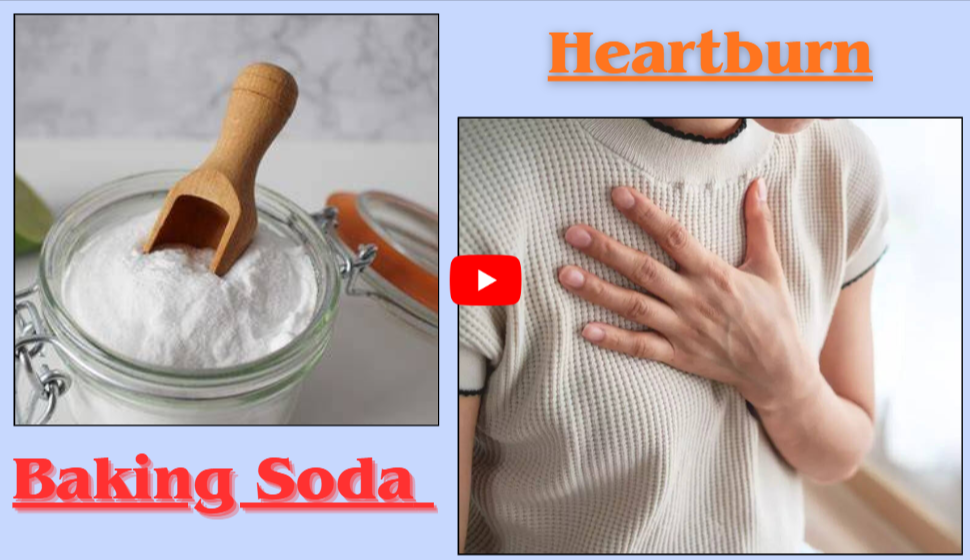

Baking soda may offer quick heartburn relief by neutralizing stomach acid, but frequent use can cause side effects and isn’t a long-term solution.
While it may seem harmless, baking soda has both benefits and important risks that should not be ignored. This article explores how it works, when it may help, who should avoid it, and what safer alternatives exist.
What Is Heartburn?
Heartburn occurs when stomach acid flows back into the esophagus, irritating its lining. This reflux is often triggered by a weakened or relaxed lower esophageal sphincter (LES).
Common Heartburn Symptoms
-
Burning pain in the chest or throat
-
Sour or bitter taste in the mouth
-
Difficulty swallowing
-
Regurgitation after meals
-
Symptoms worsening when lying down
Frequent heartburn may indicate gastroesophageal reflux disease (GERD), which requires medical attention.
Why People Use Baking Soda for Heartburn
Baking soda, chemically known as sodium bicarbonate, is a natural alkaline compound. Because heartburn is caused by excess stomach acid, many believe neutralizing that acid can bring fast relief.
The appeal lies in its low cost, easy availability, and rapid action.
How Baking Soda Works in the Body
Baking soda neutralizes hydrochloric acid in the stomach through a simple chemical reaction:
Sodium bicarbonate + stomach acid → water + salt + carbon dioxide
This reaction temporarily raises stomach pH, reducing acidity and easing the burning sensation.
Relief can occur within minutes, making it attractive during sudden heartburn episodes.
How to Use Baking Soda for Heartburn
Typical Method
-
Mix ½ teaspoon of baking soda in a glass (6–8 oz) of water
-
Stir until fully dissolved
-
Sip slowly
This remedy should only be used occasionally and never as a daily solution.
Potential Benefits
1. Fast Symptom Relief
Baking soda works quickly compared to many over-the-counter antacids.
2. Widely Accessible
Most households already have it in the kitchen.
3. Cost-Effective
It’s significantly cheaper than commercial acid reducers.
Short-term relief does not mean long-term safety.
Important Risks and Side Effects
1. High Sodium Content
Baking soda contains a large amount of sodium, which can:
-
Raise blood pressure
-
Worsen heart disease
-
Cause fluid retention
People with hypertension or heart conditions should avoid this remedy.
2. Acid Rebound Effect
Neutralizing stomach acid too often can trigger the body to produce even more acid later. This rebound can worsen heartburn over time.
3. Digestive Discomfort
Carbon dioxide gas from the reaction may cause:
-
Bloating
-
Burping
-
Stomach cramps
4. Electrolyte Imbalance
Frequent use can alter potassium and calcium levels, affecting nerve and muscle function. Serious imbalances may lead to weakness or irregular heart rhythms.
5. Risk of Metabolic Alkalosis
Overuse can make the blood too alkaline, a condition that may cause:
-
Confusion
-
Tremors
-
Nausea
-
Breathing difficulty
This is a medical emergency in severe cases.
Who Should NOT Use Baking Soda for Heartburn
Avoid this remedy if you:
-
Have high blood pressure
-
Have kidney disease
-
Are on a low-sodium diet
-
Are pregnant
-
Have heart disease
-
Take medications affected by sodium
Children should never use baking soda for digestive issues without medical supervision.
How Often Is It Safe?
Baking soda should only be used occasionally, such as once in a while during unexpected heartburn. Using it more than once a day or for multiple days in a row is not recommended.
Baking Soda vs Common Antacids
| Feature | Baking Soda | OTC Antacids |
|---|---|---|
| Speed of relief | Very fast | Fast |
| Sodium content | Very high | Usually low |
| Long-term use | Not safe | Safer |
| Dosing accuracy | Hard to control | Precisely labeled |
| Acid rebound risk | High | Lower |
Commercial antacids are generally safer for repeated use.
Natural Alternatives for Heartburn Relief
1. Ginger
Ginger may help calm the digestive system and reduce acid irritation.
2. Aloe Vera Juice
Known for soothing the esophagus, when taken in small, food-grade amounts.
3. Chamomile Tea
May reduce inflammation and relax digestive muscles.
4. Smaller Meals
Large meals increase stomach pressure and reflux risk.
5. Elevating the Head While Sleeping
Reduces nighttime acid flow.
Lifestyle changes often provide longer-lasting relief than quick remedies.
Baking Soda and Medication Interactions
Baking soda can interfere with how certain medications are absorbed and processed in the body. Because it changes stomach pH levels, it may reduce the effectiveness of some drugs or increase side effects.
Altering stomach acidity can prevent medications from dissolving and absorbing properly. This is especially important for people taking daily prescriptions.
Medications That May Be Affected
-
Antibiotics such as tetracycline
-
Antifungal medications
-
Iron supplements
-
Aspirin and other NSAIDs
-
Heart and blood pressure medications
Always separate baking soda use from medications by at least two hours.
Baking Soda and GERD vs Occasional Heartburn
Occasional heartburn differs significantly from chronic acid reflux. Baking soda may offer brief comfort for mild symptoms, but it is not appropriate for long-term reflux conditions.
Using temporary remedies for chronic conditions can delay proper diagnosis and treatment.
Key Differences
-
Occasional heartburn is often diet-related
-
GERD involves frequent reflux and esophageal irritation
-
GERD increases the risk of complications like esophagitis
Persistent symptoms should never be self-treated without medical guidance.
Signs of Baking Soda Overuse
Using baking soda too often may cause noticeable physical warning signs.
Watch for These Symptoms
-
Frequent bloating or gas
-
Muscle twitching
-
Nausea or vomiting
-
Increased thirst
-
Swelling in the hands or feet
These symptoms may indicate electrolyte imbalance or excess sodium intake.
Baking Soda vs Prescription Acid Reducers
Prescription medications are designed to manage acid production more effectively and safely for ongoing symptoms.
| Feature | Baking Soda | Prescription Medications |
|---|---|---|
| Purpose | Temporary neutralization | Reduces acid production |
| Duration | Minutes to hours | Up to 24 hours |
| Long-term safety | Low | High (when monitored) |
| Suitable for GERD | No | Yes |
| Risk of sodium overload | High | None |
Medical treatments address the root cause, not just the symptom.
Lifestyle Habits That Reduce Heartburn Naturally
Small daily habits can dramatically lower heartburn frequency.
Helpful Practices
-
Eating at least 3 hours before bedtime
-
Wearing loose-fitting clothing
-
Maintaining a healthy weight
-
Avoiding late-night snacks
-
Staying upright after meals
Consistency in lifestyle changes often reduces the need for quick remedies.
Baking Soda Use in Older Adults
Aging bodies process sodium differently, increasing the risk of side effects.
Older adults are more vulnerable to blood pressure changes and fluid retention.
Special Considerations
-
Reduced kidney function
-
Increased medication use
-
Higher sensitivity to electrolyte shifts
Medical consultation is strongly advised before using baking soda at older ages.

Safe vs Unsafe Use Scenarios
| Scenario | Safe to Use? | Reason |
|---|---|---|
| Occasional heartburn after heavy meal | Yes (rare use) | Temporary acid neutralization |
| Daily heartburn symptoms | No | Risk of masking GERD |
| High blood pressure | No | Excess sodium intake |
| On prescription medications | Caution | Possible interaction |
| Pregnancy | No | Risk of fluid imbalance |
Dietary Triggers to Avoid
-
Spicy foods
-
Citrus fruits
-
Chocolate
-
Coffee
-
Fried foods
-
Alcohol
Identifying personal triggers can significantly reduce symptoms.
When to See a Doctor
Seek medical advice if you experience:
-
Heartburn more than twice a week
-
Difficulty swallowing
-
Unexplained weight loss
-
Persistent chest pain
-
Symptoms lasting over two weeks
Chronic acid reflux can damage the esophagus if left untreated.
Long-Term Management of Heartburn
Effective management often includes:
-
Dietary adjustments
-
Weight management
-
Stress reduction
-
Medical evaluation when necessary
Quick fixes should never replace proper digestive care.
Final Thoughts