Acid reflux is one of the most common digestive complaints worldwide. That familiar burning sensation in the chest, often called heartburn, can disrupt sleep, affect daily productivity, and reduce overall quality of life.
While medications such as antacids, H2 blockers, and proton pump inhibitors are commonly used, many people look for quick, inexpensive home remedies to manage occasional symptoms.
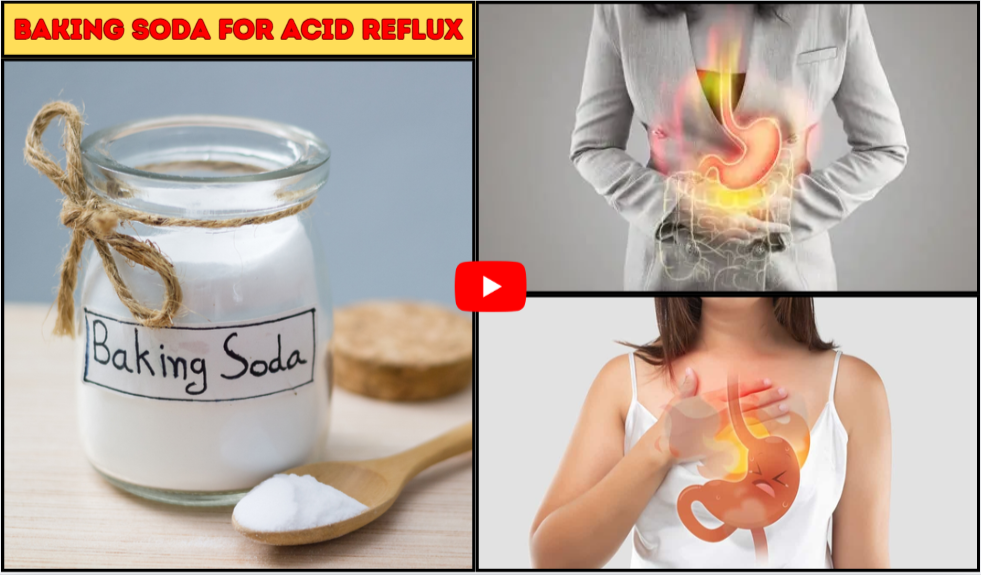

One of the most talked-about remedies is baking soda for acid reflux. Baking soda, also known as sodium bicarbonate, is a staple in most kitchens and has long been used as a household solution for neutralizing acids. But how effective is it really for acid reflux? Is it safe? And when should it be avoided?
Baking soda may help neutralize stomach acid and ease acid reflux temporarily, but it should be used carefully due to sodium content and risks.
Understanding Acid Reflux
Acid reflux occurs when stomach acid flows back into the esophagus. The esophagus lacks the protective lining of the stomach, so exposure to acid causes irritation and discomfort.
Common Symptoms of Acid Reflux
-
Burning sensation in the chest (heartburn)
-
Sour or bitter taste in the mouth
-
Regurgitation of food or liquid
-
Difficulty swallowing
-
Chest discomfort after eating
-
Chronic cough or throat irritation
Frequent acid reflux may indicate gastroesophageal reflux disease (GERD), which requires medical evaluation and long-term management.
What Is Baking Soda?
Baking soda is the common name for sodium bicarbonate, a naturally occurring alkaline compound. It reacts with acids to produce carbon dioxide, water, and salt, which is why it is used in baking, cleaning, and deodorizing.
Chemical Nature of Baking Soda
-
Alkaline pH
-
Rapid acid-neutralizing action
-
Highly soluble in water
Its ability to neutralize acid is the reason it has been used as an antacid for decades.
How Baking Soda Works for Acid Reflux
When baking soda enters the stomach, it reacts with hydrochloric acid, reducing acidity almost immediately.
The Neutralization Process
-
Baking soda raises stomach pH
-
Acid is temporarily neutralized
-
Heartburn symptoms may subside quickly
This fast-acting response makes baking soda appealing for sudden episodes of acid reflux.
Potential Benefits of Baking Soda for Acid Reflux
1. Quick Symptom Relief
Baking soda can provide almost instant relief from heartburn by neutralizing excess acid.
For occasional acid reflux, this rapid effect may feel comforting and effective.
2. Inexpensive and Accessible
Unlike many medications, baking soda is affordable and readily available in most households.
3. Simple Preparation
It requires no special tools or prescriptions and can be mixed easily with water.
How to Use Baking Soda for Acid Reflux Safely
If used, baking soda should be taken with caution and in small amounts.
Recommended Method
-
Mix ½ teaspoon of baking soda in a full glass (8 ounces) of water
-
Stir until completely dissolved
-
Sip slowly
Never consume baking soda dry or in concentrated form.
Frequency Guidelines
-
Use only for occasional symptoms
-
Do not exceed recommended amounts
-
Avoid daily or long-term use
Risks and Side Effects of Baking Soda for Acid Reflux
While baking soda may seem harmless, it carries potential risks, especially with frequent use.
1. High Sodium Content
Baking soda contains a large amount of sodium. Excess sodium intake may raise blood pressure and increase the risk of heart and kidney problems.
2. Rebound Acid Production
Neutralizing stomach acid too often can trigger the stomach to produce more acid later. This rebound effect may worsen acid reflux over time.
3. Digestive Discomfort
Possible side effects include:
-
Gas and bloating
-
Stomach cramps
-
Nausea
4. Electrolyte Imbalance
Frequent use may alter electrolyte levels, potentially leading to metabolic alkalosis. Metabolic alkalosis can cause confusion, muscle twitching, and irregular heartbeat.

Who Should Avoid Baking Soda for Acid Reflux
Baking soda is not safe for everyone.
Avoid or Use Only Under Medical Supervision If You Have:
-
High blood pressure
-
Heart disease
-
Kidney disease
-
Fluid retention issues
-
Are on a low-sodium diet
-
Are pregnant or breastfeeding
Children should never use baking soda as an antacid unless directed by a healthcare provider.
How Long Does Baking Soda Relief Last?
Baking soda works quickly, but its effects are short-lived. Once it neutralizes stomach acid, the stomach often responds by producing more acid to restore balance.
Relief may last anywhere from 15 minutes to one hour, depending on stomach acid levels and food intake. This temporary effect explains why baking soda should never be relied upon for ongoing symptom control.
For people experiencing frequent reflux, short-lived relief can lead to repeated dosing, which increases health risks rather than solving the underlying issue.
Signs You Are Using Baking Soda Too Often
Overuse can be subtle at first, but warning signs often develop gradually.
Common Warning Symptoms
-
Increased bloating or gas
-
Stomach cramps
-
Swelling in hands or feet
-
Elevated blood pressure readings
-
Worsening heartburn after initial relief
Repeated symptom rebound is a strong sign that baking soda use should be stopped immediately.
Baking Soda and GERD: Why Caution Is Critical
GERD is a chronic condition that requires long-term management strategies.
Baking soda does not heal esophageal damage or reduce inflammation caused by chronic acid exposure. In fact, frequent neutralization of acid may delay proper diagnosis and treatment.
People with GERD often need:
-
Long-term dietary adjustments
-
Medical evaluation
-
Targeted medications
-
Monitoring for complications
Masking symptoms may allow silent damage to continue.
Acid Reflux at Night: Why Baking Soda Is a Poor Choice
Nighttime reflux is particularly problematic due to lying flat.
Using baking soda before bed can increase stomach gas and pressure, making reflux worse when lying down.
Better nighttime strategies include:
-
Avoiding meals 3 hours before bed
-
Sleeping on the left side
-
Elevating the head of the bed
-
Choosing low-acid evening meals
Home Remedies for Acid Reflux
| Remedy | Speed of Relief | Duration | Safety for Frequent Use |
|---|---|---|---|
| Baking soda | Very fast | Short | Low |
| Ginger tea | Moderate | Moderate | High |
| Chamomile tea | Mild | Moderate | High |
| Aloe vera juice | Moderate | Longer | Moderate |
| Cold milk | Fast | Short | Moderate |
Gentler remedies may offer slower relief but better safety over time.
Baking Soda Dosage Mistakes to Avoid
Incorrect use increases risk significantly.
Common Errors
-
Taking more than ½ teaspoon at once
-
Using multiple times per day
-
Mixing with carbonated drinks
-
Using on a full stomach
-
Combining with sodium-based antacids
More is never better when it comes to alkaline substances.
Acid Reflux Triggers That Reduce Baking Soda Effectiveness
Certain lifestyle factors make any antacid less effective.
Common Triggers
-
Large or late-night meals
-
Alcohol consumption
-
High-fat foods
-
Stress and anxiety
-
Tight clothing around the abdomen
Without trigger control, symptom relief will always be temporary.
Baking Soda vs. Over-the-Counter Antacids
| Feature | Baking Soda | OTC Antacids |
|---|---|---|
| Speed of Relief | Very fast | Fast |
| Sodium Content | Very high | Varies |
| Safety for Long-Term Use | Poor | Better |
| Dosage Control | Difficult | Precise |
| Medical Oversight | None | Labeled guidelines |
Commercial antacids are formulated for safety and consistency, making them a more reliable option.

Can Baking Soda Cure Acid Reflux?
Baking soda does not cure acid reflux or GERD. It only masks symptoms temporarily and does not address the underlying causes. Long-term acid reflux requires lifestyle changes, dietary adjustments, and sometimes medical treatment.
Lifestyle Changes That Help Reduce Acid Reflux
Addressing root causes is key to long-term relief.
Helpful Habits
-
Eat smaller meals
-
Avoid lying down after eating
-
Elevate the head of the bed
-
Maintain a healthy weight
-
Quit smoking
Consistent lifestyle changes often reduce reflux more effectively than temporary remedies.
Acid Reflux-Friendly Dietary Choices
Foods That May Reduce Symptoms
-
Oatmeal
-
Bananas
-
Ginger
-
Lean proteins
-
Non-citrus fruits
-
Green vegetables
Foods That Often Trigger Reflux
-
Spicy foods
-
Fried foods
-
Chocolate
-
Coffee
-
Alcohol
-
Tomato-based products
Dietary awareness plays a crucial role in managing acid reflux naturally.
Natural Alternatives to Baking Soda for Acid Reflux
Several gentler options may offer relief with fewer risks.
1. Ginger
Supports digestion and may reduce inflammation.
2. Aloe Vera Juice
May soothe the esophagus and reduce irritation.
3. Chamomile Tea
Promotes relaxation and may ease digestive discomfort.
4. Apple Cider Vinegar
Some people find relief, though evidence is mixed. Natural remedies should be tested carefully, as individual responses vary.
When to See a Doctor
Seek medical attention if:
-
Symptoms occur more than twice a week
-
Heartburn persists despite treatment
-
You experience difficulty swallowing
-
There is unexplained weight loss
-
Chest pain mimics heart-related symptoms
Chronic acid reflux should never be ignored.
Final Thoughts
Baking soda for acid reflux can offer fast, short-term relief for occasional heartburn, but it is not a long-term solution.
Its high sodium content and potential side effects make it unsuitable for frequent or chronic use. Understanding when and how to use it safely is crucial.
For lasting relief, addressing dietary habits, lifestyle factors, and underlying digestive issues is far more effective. Always consult a healthcare professional if acid reflux becomes frequent, severe, or persistent.
References Link
Soda Really Treats Acid Reflux
Baking Soda
.