Best Bleach Pen for Toenail Fungus: Safe & Effective Guide
Toenail fungus, medically known as onychomycosis, is one of the most common nail conditions affecting adults worldwide. Discolored, thickened, brittle nails can be frustrating, embarrassing, and difficult to treat.
With so many home remedies circulating online, one trend gaining attention is the use of a bleach pen for toenail fungus.
But does this method actually work? Is it safe? And what does science say about using bleach products on infected nails?
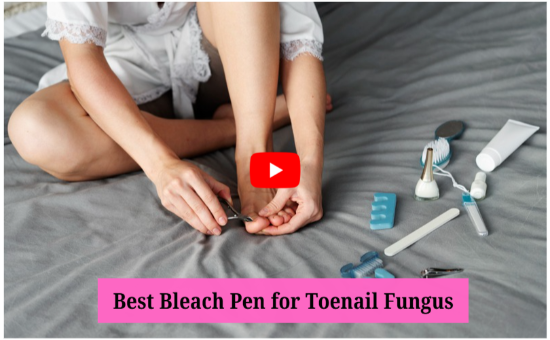

The best bleach pen for toenail fungus isn’t medically recommended. Bleach may lighten nails, but it won’t cure an infection and can irritate the skin.
This in-depth guide explores everything you need to know — from how toenail fungus develops to whether a bleach pen is effective, safer alternatives, prevention strategies, and when to see a medical professional.
What Is Toenail Fungus?
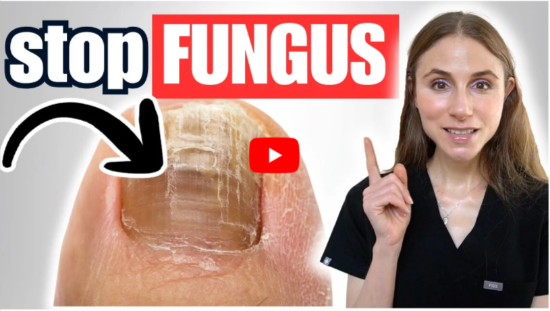
Toenail fungus is typically caused by dermatophytes — fungi that feed on keratin, the protein that makes up your nails. In some cases, yeasts like Candida or non-dermatophyte molds are responsible.
Common signs include:
-
Yellow, brown, or white discoloration
-
Thickened nails
-
Brittle or crumbly texture
-
Foul odor
-
Nail lifting from the nail bed
-
Distorted nail shape
Toenail fungus rarely goes away on its own and often worsens without treatment.
Why Do People Use Bleach Pen for Toenail Fungus?
Bleach is widely known as a disinfectant. It kills bacteria, viruses, and fungi on hard surfaces. A bleach pen is simply a thickened bleach solution designed for precise application, commonly used for cleaning grout or removing stains from clothing.
The reasoning behind using it for nail fungus is simple:
-
Bleach kills fungus on surfaces
-
Toenail fungus is caused by a fungus
-
Therefore, bleach might kill it
However, the reality is more complex.
Understanding How Bleach Works
Bleach contains sodium hypochlorite, a strong oxidizing agent. It works by breaking down proteins and destroying microbial cells.
Bleach is highly effective at disinfecting surfaces but is not designed for use on living tissue.
While diluted bleach baths are sometimes recommended by dermatologists for certain skin infections (such as eczema-related bacterial infections), these are carefully controlled, diluted solutions — not concentrated cleaning products.
A bleach pen typically contains a much stronger formulation intended for hard, non-living surfaces.
Can Bleach Kill Toenail Fungus?
Technically, bleach can kill fungal organisms on contact. But here’s the critical issue:
Toenail fungus lives deep under the nail plate, not just on the surface.
The fungus infects:
-
The nail bed
-
The underside of the nail
-
Sometimes the surrounding skin
A topical application that doesn’t penetrate deeply enough will not fully eliminate the infection. Bleach applied to the nail surface may:
-
Lighten discoloration temporarily
-
Kill superficial fungal cells
-
Reduce odor
But it does not reliably eradicate established onychomycosis.
Risks of Using Bleach Pen on Toenails
Before applying any bleach product to your nails, consider the potential risks.
1. Chemical Burns
Bleach is corrosive. Direct application may cause:
-
Redness
-
Burning
-
Blistering
-
Skin peeling
Even brief contact can irritate or damage surrounding skin.
2. Nail Damage
Bleach can weaken keratin, leading to:
-
Increased brittleness
-
Cracking
-
Splitting
-
Thinning
This can actually make the nail more vulnerable to worsening infection.
3. Skin Barrier Disruption
Healthy skin protects against fungal invasion. Repeated bleach exposure may disrupt the skin barrier, potentially allowing deeper fungal spread.
4. No Standardized Dosing
Bleach pens are not formulated for medical use. There is:
-
No FDA approval
-
No standardized concentration
-
No clinical safety guidance
Using cleaning products as medical treatment carries unpredictable risks.
Why Some People Think It Works
If bleach isn’t an effective cure, why do some claim success?
There are a few possible explanations:
-
Surface whitening effect makes nails appear clearer.
-
Mild infections sometimes improve with improved hygiene alone.
-
Partial fungal reduction may slow progression temporarily.
-
Placebo effect.
Toenail fungus grows slowly. Temporary visual improvement does not necessarily mean the infection is gone.
Scientifically Supported Treatments for Toenail Fungus
If you’re searching for the best bleach pen for toenail fungus, it may be more beneficial to explore treatments supported by clinical evidence.
1. Topical Antifungals
Prescription and over-the-counter options include:
-
Ciclopirox
-
Efinaconazole
-
Tavaborole
These are specifically formulated to penetrate the nail plate.
Consistent daily application for several months is often required.
2. Oral Antifungal Medications
For moderate to severe infections, doctors may prescribe:
-
Terbinafine
-
Itraconazole
Oral antifungals have higher success rates but may require liver function monitoring.
3. Laser Therapy
Laser treatments target fungal cells using focused light energy. Some patients see improvement, though research results are mixed.
4. Nail Debridement
A medical professional may thin or remove infected portions of the nail to improve topical penetration.
Natural Remedies vs. Bleach Pen
Many people prefer home remedies. Common alternatives include:
-
Tea tree oil
-
Vicks VapoRub
-
Apple cider vinegar
-
Oregano oil
While some show mild antifungal properties in laboratory studies, clinical evidence in humans remains limited.
Compared to bleach, these options generally pose less risk of chemical burns when used properly.
How Long Does Toenail Fungus Take to Heal?
Even with proper treatment:
-
Mild cases: 3–6 months
-
Severe cases: 6–12 months or longer
Toenails grow slowly. Complete clearing depends on healthy nail regrowth.
Patience and consistency are critical for success.
When Should You See a Doctor?
You should consult a healthcare provider if:
-
The infection spreads
-
Pain develops
-
You have diabetes
-
You have circulation problems
-
Multiple nails are involved
-
Home treatments fail
People with diabetes are at higher risk of complications from foot infections.
Prevention Tips to Avoid Toenail Fungus
Prevention is often easier than treatment.
Keep Feet Dry
Fungus thrives in moist environments. Dry your feet thoroughly after bathing.
Choose Breathable Footwear
Opt for shoes that allow airflow. Rotate shoes to let them dry completely.
Use Antifungal Powder
This can reduce moisture and fungal growth inside shoes.
Avoid Walking Barefoot in Public Areas
Wear sandals in:
-
Gyms
-
Locker rooms
-
Public showers
-
Swimming pools
Trim Nails Properly
Keep nails:
-
Short
-
Straight across
-
Clean
Is There Ever a Safe Way to Use Bleach?
Some dermatologists recommend diluted bleach baths for certain skin conditions. However, this is:
-
Highly diluted
-
Short-duration exposure
-
Supervised in some cases
This is very different from applying a concentrated bleach pen directly to a nail.
There is no medical consensus supporting bleach pen use for toenail fungus.
Potential Risks of Using Bleach Pen on Toenails
-
Skin irritation and redness
-
Chemical burns around the nail
-
Increased nail brittleness
-
Worsening of infection due to skin barrier damage
-
Delayed proper treatment
Using cleaning products on the body can cause more harm than benefit.
Better Alternatives for Toenail Fungus
-
Prescription topical antifungals
-
Oral antifungal medications (under medical supervision)
-
Medicated nail lacquers
-
Proper nail trimming and hygiene
-
Keeping feet dry and well-ventilated
Evidence-based treatments offer higher success rates than home bleach remedies.
Comparison Table: Bleach Pen vs. Proven Treatments
| Feature | Bleach Pen | Topical Antifungal | Oral Antifungal |
|---|---|---|---|
| FDA Approved for Toenail Fungus | No | Yes | Yes |
| Penetrates Nail Bed | No | Moderate | Yes |
| Risk of Skin Irritation | High | Low–Moderate | Low (monitored) |
| Cure Rate | Unproven | Moderate | High |
| Medical Supervision Needed | No | Sometimes | Yes |
When to See a Doctor
You should seek medical advice if:
-
The infection spreads to multiple nails
-
Pain or swelling develops
-
You have diabetes or circulation problems
-
The nail becomes severely thickened or distorted
Early professional treatment can prevent long-term nail damage.
The Psychology of Quick Fixes
Toenail fungus can be persistent and embarrassing. Many people search for:
-
Fast solutions
-
Cheap remedies
-
DIY hacks
Bleach pen treatments fall into this category.
But quick fixes rarely solve deep fungal infections.
Safer At-Home Strategy If You Prefer DIY
If you prefer non-prescription approaches, consider a safer routine:
-
Soak feet in warm water (not bleach).
-
Gently file thickened nail surface.
-
Apply antifungal topical medication.
-
Keep nails trimmed and dry.
-
Disinfect nail tools after use.
Consistency matters more than harsh chemicals.
What About Whitening Effects?
Bleach may temporarily whiten discolored nails, making them appear healthier.
However:
Whitening does not equal curing the infection.
The fungus may still be present beneath the surface.
The Bottom Line on Best Bleach Pen for Toenail Fungus
If you’re searching for the best bleach pen for toenail fungus, it’s important to understand this:
Bleach pens are not designed or approved for medical treatment of fungal nail infections.
While bleach can kill fungi on surfaces, it does not reliably penetrate infected nails and carries real risks of irritation and damage.
Safer, clinically supported antifungal treatments are more effective and less likely to harm your skin and nails.
Frequently Asked Questions
Can bleach permanently cure toenail fungus?
No reliable medical evidence supports bleach as a permanent cure for onychomycosis.
Is diluted bleach safer?
Diluted bleach reduces risk but still lacks clinical support for treating nail fungus specifically.
Why does my nail look better after bleach?
Bleach can lighten discoloration, creating the illusion of improvement.
What’s the fastest way to cure toenail fungus?
Oral antifungal medications generally offer the highest cure rates but require medical supervision.
Final Thoughts
Toenail fungus is stubborn, slow-growing, and often requires patience to treat successfully.
Using a bleach pen may seem like a convenient shortcut, but it is not a medically recommended solution.
Instead of risking chemical irritation, focus on evidence-based treatments, good hygiene practices, and professional guidance when needed.
Healthy nails take time — but with the right approach, they are achievable.
References Link
- Why You Shouldn’t Use Bleach for Toenail Fungus
https://www.healthline.com/health/dont-use-bleach-to-get-rid-of-toenail-fungus
- What’s the Treatment for a Fungal Nail Infection?
https://www.webmd.com/skin-problems-and-treatments/fungal-nail-infection-treatment
- Onychomycosis
https://en.wikipedia.org/wiki/Onychomycosis
.
About Us