
Why Is Your Eye Bloody? Causes, Symptoms & Treatment
Seeing blood in your eye can be frightening. You look in the mirror and suddenly notice a bright red patch covering part of the white of your eye. Naturally, your mind jumps to worst-case scenarios. Is it serious? Is your vision at risk? Do you need emergency care?
The truth is, in many cases, a bloody-looking eye is harmless. But sometimes, it can signal a more serious underlying condition. Understanding the difference is essential for protecting your eye health and overall well-being.
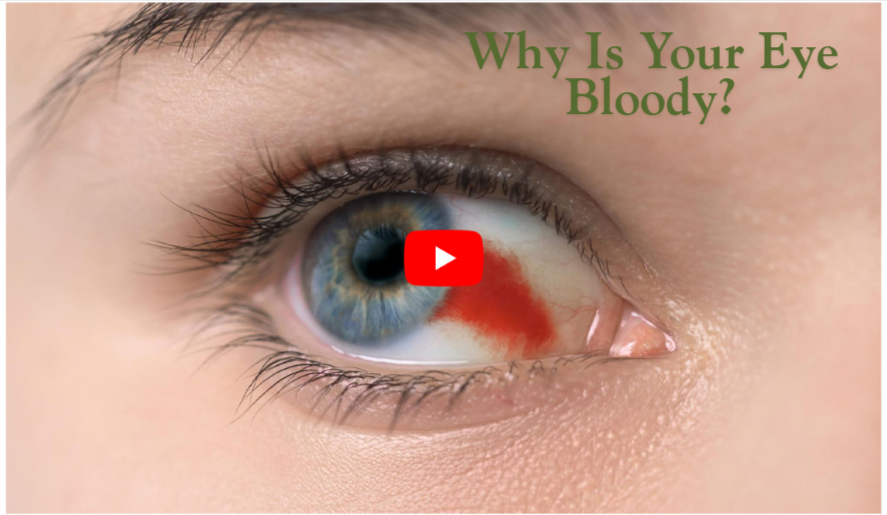

A bloody eye is often caused by broken blood vessels, injury, infection, or high blood pressure. Most cases are harmless but need evaluation.
In this comprehensive guide, we’ll explore every possible cause, symptoms to watch for, treatment options, risk factors, prevention strategies, and when to seek immediate medical attention.
What Does a “Bloody Eye” Actually Mean?
The term “bloody eye” is not a medical diagnosis. It usually describes visible redness caused by bleeding or inflammation inside or on the surface of the eye.
The most common causes include:
-
Subconjunctival hemorrhage
-
Eye injury
-
Infections
-
High blood pressure
-
Blood clotting disorders
-
Severe eye strain
Not all red eyes are dangerous, but some require urgent care. Understanding the source of bleeding is the key.
1. Subconjunctival Hemorrhage (Most Common Cause)
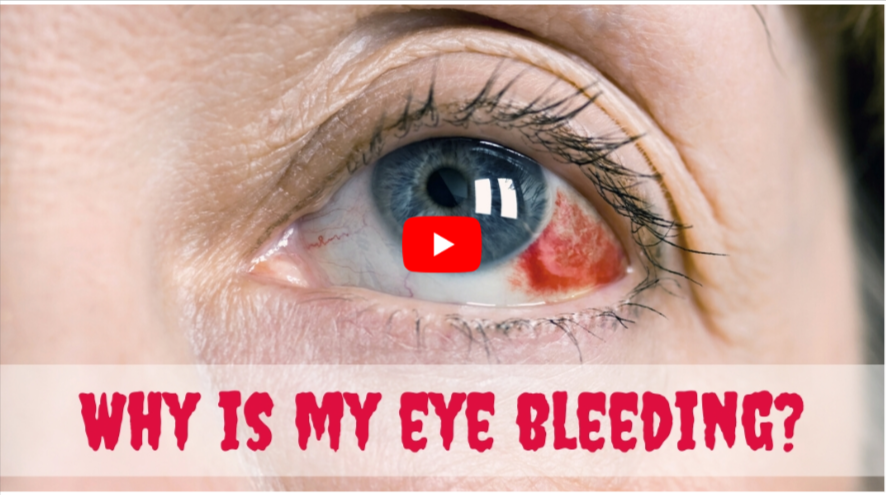
A subconjunctival hemorrhage occurs when a tiny blood vessel breaks beneath the conjunctiva (the clear surface covering the white of the eye).
What Causes It?
-
Heavy coughing or sneezing
-
Vomiting
-
Straining during bowel movements
-
Lifting heavy objects
-
Minor trauma
-
Rubbing your eyes
-
Blood thinners
-
High blood pressure
You may notice a bright red patch on the white of your eye. Surprisingly, there is usually no pain and no vision change.
This condition often looks dramatic but is usually harmless.
How Long Does It Last?
It typically clears on its own within 1–2 weeks. No treatment is usually required.
However, if it happens repeatedly, medical evaluation is necessary to rule out blood pressure issues or clotting disorders.
2. Eye Injury or Trauma
A direct hit to the eye can cause visible bleeding. This may involve:
-
Surface blood vessel rupture
-
Internal bleeding (hyphema)
-
Corneal damage
A hyphema refers to blood collecting in the front chamber of the eye. It often occurs after blunt trauma.
Traumatic eye bleeding requires immediate medical attention.
Symptoms may include:
-
Eye pain
-
Blurred vision
-
Light sensitivity
-
Visible blood pooling
Ignoring trauma can result in permanent vision damage.
3. High Blood Pressure
High blood pressure can weaken and damage small blood vessels in the eye.
In some cases, uncontrolled hypertension may lead to:
-
Recurrent subconjunctival hemorrhage
-
Retinal bleeding
-
Hypertensive retinopathy
According to the American Heart Association, uncontrolled blood pressure can damage delicate blood vessels throughout the body, including the eyes.
Repeated eye bleeding can sometimes be an early warning sign of uncontrolled hypertension.
4. Eye Infections
Infections may cause redness that looks bloody, especially when inflammation is severe.
Common Types:
-
Conjunctivitis (pink eye)
-
Keratitis
-
Viral infections
Bacterial conjunctivitis often includes:
-
Redness
-
Yellow discharge
-
Eye irritation
-
Crusting
Viral infections can also cause small blood vessels to become inflamed and rupture.
If redness is accompanied by discharge, swelling, or pain, infection is likely.
5. Blood Clotting Disorders
Some people experience eye bleeding due to clotting problems such as:
-
Hemophilia
-
Low platelet count
-
Vitamin K deficiency
Individuals taking anticoagulants (like warfarin or aspirin) are also at higher risk.
The Mayo Clinic notes that unexplained bleeding in different parts of the body may indicate clotting disorders.
If you experience frequent or unexplained eye bleeding, blood tests may be necessary.
6. Contact Lens Complications
Improper use of contact lenses can irritate the eye and cause:
-
Broken surface vessels
-
Corneal scratches
-
Infection
Sleeping in contacts or wearing them too long increases risk.
Contact lens-related bleeding should never be ignored, especially if pain or blurred vision develops.
7. Severe Eye Strain
Extended screen use, lack of sleep, or intense focus may cause:
-
Dryness
-
Irritation
-
Surface vessel fragility
Although strain alone rarely causes major bleeding, it can contribute when combined with coughing or rubbing.
8. Diabetes and Eye Bleeding
Diabetes can damage retinal blood vessels, leading to diabetic retinopathy.
In advanced cases, bleeding can occur inside the eye, causing:
-
Floaters
-
Blurry vision
-
Dark spots
The Centers for Disease Control and Prevention highlights diabetic eye disease as a leading cause of blindness in adults.
Internal eye bleeding in diabetics is a medical emergency.
Symptoms That Require Immediate Medical Attention
Seek urgent care if you experience:
-
Sudden vision loss
-
Severe eye pain
-
Light sensitivity
-
Blood pooling inside the eye
-
Repeated bleeding episodes
-
Head injury with eye bleeding
Vision changes combined with bleeding should never be ignored.
Diagnosis: What Will the Doctor Do?
An eye specialist may perform:
-
Visual acuity test
-
Slit lamp examination
-
Blood pressure measurement
-
Blood tests
-
Retinal exam
These tests help determine whether the bleeding is superficial or internal.
Treatment Options
For Subconjunctival Hemorrhage:
-
Usually no treatment required
-
Artificial tears for comfort
-
Monitor blood pressure
For Infections:
-
Antibiotic eye drops
-
Antiviral medication
-
Warm compress
For Injury:
-
Protective shield
-
Anti-inflammatory medication
-
Surgery in severe cases
For Underlying Conditions:
-
Blood pressure control
-
Diabetes management
-
Medication adjustments
Treating the underlying cause prevents recurrence.
Home Remedies (When Safe)
If diagnosed with a harmless subconjunctival hemorrhage:
-
Avoid rubbing your eyes
-
Use preservative-free artificial tears
-
Rest your eyes
-
Stay hydrated
Do NOT use random over-the-counter eye drops without medical advice.
Risk Factors
You may be more likely to develop a bloody eye if you:
-
Have high blood pressure
-
Have diabetes
-
Take blood thinners
-
Frequently strain or cough
-
Wear contact lenses improperly
-
Rub your eyes aggressively
Prevention Tips
Small lifestyle changes can protect your eye health significantly.
-
Monitor blood pressure regularly
-
Control blood sugar levels
-
Use protective eyewear during sports
-
Follow proper contact lens hygiene
-
Avoid excessive eye rubbing
-
Get regular eye exams
Annual eye checkups are especially important after age 40.
Can Stress Cause a Bloody Eye?
Stress alone does not directly cause bleeding. However, stress may increase:
-
Blood pressure
-
Eye strain
-
Sleep disturbances
These factors can indirectly contribute.
Is It Ever Life-Threatening?
In rare cases, internal bleeding related to trauma or systemic disease can threaten vision permanently.
However, most surface bleeding is benign.
The key difference is whether vision is affected.
If vision remains normal and there is no pain, it is usually not an emergency.
Frequently Asked Questions
How long does a bloody eye take to heal?
Most surface bleeding clears in 1–2 weeks.
Can I wear contact lenses?
Avoid them until redness resolves completely.
Should I use ice?
Cold compress may reduce irritation, but it won’t speed up healing.
Is it contagious?
Only if caused by infectious conjunctivitis.
Final Thoughts
Seeing blood in your eye can be alarming, but it is often harmless. The most common cause is subconjunctival hemorrhage, which usually resolves on its own.
However, repeated episodes, pain, or vision changes should never be ignored. Your eyes are delicate organs, and early intervention can prevent permanent damage.
If you are unsure about the severity, a professional evaluation is always the safest choice.
References Link
- https://www.healthline.com/health/eye-health/eye-bleeding
- https://www.webmd.com/eye-health/why-eyes-red
- https://www.mayoclinic.org/diseases-conditions/subconjunctival-hemorrhage/symptoms-causes/syc-20353826
.
About Us
