
Gingerbread Nails Fungus: Causes, Symptoms & Treatment
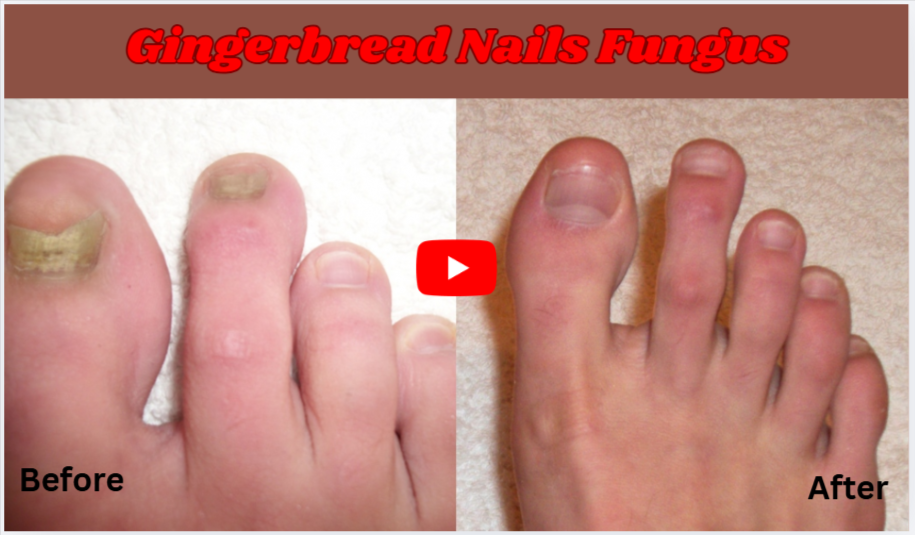
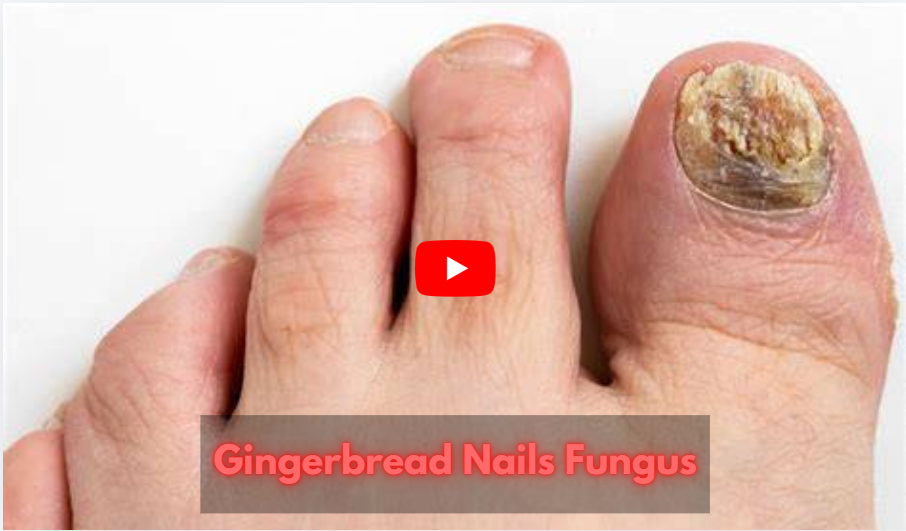
When people describe their nails as looking like “gingerbread,” they are usually referring to nails that appear brownish, thickened, crumbly, and brittle.
This condition is most commonly associated with a fungal nail infection, medically known as onychomycosis. While “gingerbread nail fungus” is not a formal medical term, it effectively captures the appearance of nails that have turned dark, rough, and textured due to infection.

Nail fungus is not just a cosmetic issue; it is a medical condition that can worsen over time if left untreated. Understanding the causes, symptoms, risk factors, and treatment options is essential for preventing complications and restoring nail health.
Gingerbread nail fungus refers to thick, brownish, crumbly nails caused by fungal infection, requiring proper diagnosis and antifungal treatment.
In this comprehensive guide, we will explore everything you need to know about gingerbread nails fungus, including diagnosis, modern treatments, prevention strategies, and when to seek medical care.
What Is Gingerbread Nails Fungus?
“Gingerbread nails fungus” typically refers to fungal infections that cause nails to:
-
Turn brown, yellow, or dark orange
-
Become thick and distorted
-
Develop a crumbly or flaky texture
-
Separate from the nail bed
The medical term for nail fungus is onychomycosis, a common infection caused by dermatophytes, yeasts, or molds. These fungi thrive in warm, moist environments, making feet particularly vulnerable.
Toenails are more frequently affected than fingernails because shoes create a dark, humid environment ideal for fungal growth.
What Causes Gingerbread Nails Fungus?
Several types of fungi can infect nails. The most common include:
-
Dermatophytes (especially Trichophyton rubrum)
-
Yeasts like Candida
-
Non-dermatophyte molds
These fungi invade the nail through small cracks in the nail or surrounding skin.
Common Triggers
-
Walking barefoot in public showers or pools
-
Wearing tight, non-breathable shoes
-
Sweaty feet
-
Nail trauma
-
Poor nail hygiene
-
Compromised immune system
Even a tiny break in the skin around your nail can allow fungi to enter and begin multiplying.
Risk Factors
Some individuals are more likely to develop nail fungus than others.
Higher Risk Groups
-
Older adults
-
People with diabetes
-
Individuals with poor circulation
-
Those with athlete’s foot
-
Immunocompromised individuals
-
People who frequently get manicures or pedicures in unsanitary salons
Age increases risk because nails grow more slowly and circulation declines, giving fungi more time to thrive.
Symptoms of Gingerbread Nails Fungus
Early symptoms may be subtle. Over time, they become more noticeable and severe.
Common Signs
-
Nail discoloration (yellow, brown, white, or dark)
-
Thickened nails
-
Brittle or crumbly texture
-
Distorted shape
-
Foul odor
-
Pain when pressure is applied
-
Nail separating from the nail bed (onycholysis)
In advanced cases, the nail may become extremely thick and difficult to trim.
Ignoring early symptoms allows the infection to spread deeper and become harder to treat.
Types of Nail Fungal Infections
Understanding the type of fungal infection can help determine the best treatment.
1. Distal Subungual Onychomycosis
The most common type. Begins at the tip of the nail and spreads inward.
2. White Superficial Onychomycosis
White patches appear on the surface of the nail.
3. Proximal Subungual Onychomycosis
Starts near the cuticle and spreads outward. Often seen in immunocompromised individuals.
4. Candida Onychomycosis
Common in fingernails, especially in people whose hands are frequently wet.
How Is Gingerbread Nails Fungus Diagnosed?
A visual exam alone is not always sufficient.
Medical Diagnosis May Include:
-
Nail scraping
-
Microscopic examination
-
Fungal culture
-
PCR testing in some cases
Accurate diagnosis is critical because not all nail discoloration is caused by fungus.
Conditions that mimic nail fungus include:
-
Psoriasis
-
Trauma
-
Bacterial infections
-
Nail dystrophy
-
Melanoma (rare but serious)
Why Treatment Is Important
Some people ignore nail fungus because it seems harmless. However:
-
It can spread to other nails
-
It can infect surrounding skin
-
It can cause pain and difficulty walking
-
It increases risk of bacterial infections
-
It can lead to complications in diabetic patients
In people with diabetes, untreated nail fungus can lead to serious foot infections.
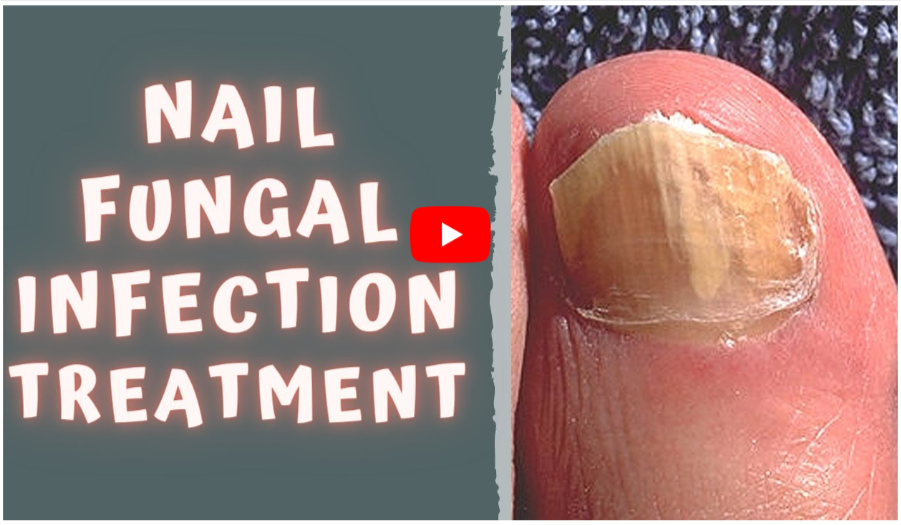
Treatment Options for Gingerbread Nails Fungus
Treatment depends on severity, health status, and number of nails involved.
1. Topical Antifungal Medications
These are applied directly to the nail.
Examples include:
-
Ciclopirox
-
Efinaconazole
-
Tavaborole
Pros:
-
Fewer systemic side effects
Cons:
-
Require long-term use (6–12 months)
-
Lower success rate compared to oral medications
Topical treatments work best in early or mild cases.
2. Oral Antifungal Medications
Often more effective for moderate to severe infections.
Common options include:
-
Terbinafine
-
Itraconazole
-
Fluconazole (off-label)
Pros:
-
Higher cure rates
-
Shorter treatment duration (6–12 weeks)
Cons:
-
Possible liver side effects
-
Drug interactions
Liver function tests are usually recommended before and during oral antifungal therapy.
3. Laser Therapy
Some clinics offer laser treatment to destroy fungal organisms.
Benefits:
-
Non-invasive
-
Minimal side effects
Limitations:
-
Variable effectiveness
-
May require multiple sessions
-
Often not covered by insurance
4. Nail Removal
In severe or resistant cases:
-
Partial or total nail removal may be necessary.
-
Combined with antifungal therapy for best results.
Removing the infected nail can allow healthier nail regrowth.
How Long Does Treatment Take?
Nails grow slowly, especially toenails.
-
Fingernails: 4–6 months
-
Toenails: 12–18 months
Even after the fungus is eliminated, the damaged nail must grow out completely.
Patience is essential—visible improvement may take several months.
Home Remedies: Do They Work?
Many people try natural treatments, including:
-
Tea tree oil
-
Apple cider vinegar
-
Baking soda
-
Coconut oil
-
Garlic extract
While some have mild antifungal properties, scientific evidence is limited.
Home remedies may help mild cases but are rarely effective for advanced infections.
If no improvement is seen within a few weeks, medical treatment is recommended.
Preventing Gingerbread Nails Fungus
Prevention is easier than treatment.
Practical Prevention Tips
-
Keep feet clean and dry
-
Change socks daily
-
Wear breathable footwear
-
Avoid walking barefoot in public areas
-
Trim nails straight across
-
Disinfect nail tools
-
Avoid sharing nail clippers
-
Choose reputable nail salons
Good foot hygiene is your first line of defense against fungal infections.
Special Considerations for Diabetics
People with diabetes must take nail infections seriously.
-
Reduced circulation slows healing.
-
Nerve damage may prevent noticing early symptoms.
-
Risk of secondary bacterial infections increases.
Any nail abnormality in a diabetic patient should be evaluated promptly by a healthcare professional.
When to See a Doctor
Seek medical attention if:
-
The nail becomes painful
-
The infection spreads
-
You have diabetes or immune suppression
-
Over-the-counter treatments fail
-
The nail becomes severely thick or detached
Early professional treatment improves cure rates and prevents complications.
Myths About Gingerbread Nails Fungus
Myth 1: It’s Just Cosmetic
False. It is a real infection that can spread.
Myth 2: Nail Polish Can Cover It
Nail polish can trap moisture and worsen infection.
Myth 3: It Will Go Away On Its Own
Most fungal infections do not resolve without treatment.
Psychological Impact
Discolored, thickened nails can cause embarrassment and reduced self-confidence. Some people avoid wearing sandals or participating in activities like swimming.
Treating nail fungus can improve not only physical health but also emotional well-being.
Emerging Treatments and Research
Researchers are exploring:
-
New topical formulations
-
Combination therapies
-
Improved laser devices
-
Photodynamic therapy
-
Novel antifungal agents
Ongoing advancements aim to improve cure rates and reduce recurrence.
Recurrence: Why Does It Happen?
Fungal infections can return due to:
-
Incomplete treatment
-
Continued exposure to moist environments
-
Reinfection from contaminated shoes
-
Untreated athlete’s foot
Disinfecting footwear and treating concurrent skin infections are crucial to preventing recurrence.
Lifestyle Modifications for Better Nail Health
Healthy nails depend on overall health.
-
Maintain proper blood sugar levels
-
Improve circulation with exercise
-
Eat a balanced diet rich in protein and vitamins
-
Avoid smoking
Strong immunity helps the body resist fungal overgrowth.
Frequently Asked Questions
Is gingerbread nails fungus contagious?
Yes, it can spread through shared surfaces and tools.
Can children get nail fungus?
Yes, but it is less common.
Is it dangerous?
Usually not life-threatening, but it can cause complications in high-risk individuals.
Can I use nail polish during treatment?
Generally discouraged unless advised by a doctor.
Final Thoughts
Gingerbread nail fungus may sound harmless, but it represents a fungal infection that can worsen without proper care. Recognizing early signs—such as brown discoloration, thickening, and crumbly texture—allows for faster and more effective treatment.
The earlier you treat nail fungus, the better your chances of complete recovery. Consistent treatment and preventive care are essential for long-term success. Never ignore nail changes, especially if you have underlying health conditions.
With modern medical treatments, lifestyle adjustments, and proper hygiene, healthy nail regrowth is achievable.
References Link
- https://en.wikipedia.org/wiki/Onychomycosis
- https://www.mayoclinic.org/diseases-conditions/nail-fungus/symptoms-causes/syc-20353294
- https://www.webmd.com/skin-problems-and-treatments/fungal-nail-infections
- https://www.healthline.com/health/types-of-nail-fungus
.
About Us
