10 Foods That May Be Sabotaging Your Bone Density: Explained!
Strong bones are the foundation of lifelong mobility, independence, and overall health. From childhood growth spurts to maintaining balance and strength in later years, bone density plays a vital role in preventing fractures, posture problems, and chronic pain.
Yet many people unknowingly consume foods that gradually undermine their skeletal strength. Bone density refers to the amount of mineral content—primarily calcium and phosphorus—present in bones.

Some everyday foods—like soda, excess salt, sugar, and processed meats—may weaken bones over time and increase the risk of bone loss.
When bone breakdown outpaces bone formation, bones become porous and fragile, increasing the risk of osteopenia and osteoporosis.
While genetics, hormones, and physical activity influence bone health, diet remains one of the most powerful and controllable factors affecting bone density.
Understanding Bone Density and Nutrition
Bone is living tissue that constantly remodels itself. Specialized cells called osteoclasts break down old bone, while osteoblasts build new bone. This delicate balance is influenced by nutrients such as:
-
Calcium
-
Vitamin D
-
Magnesium
-
Vitamin K
-
Protein
-
Phosphorus
When dietary habits interfere with mineral absorption or increase calcium loss, bones can gradually weaken.
Even small daily dietary imbalances, when repeated over years, can significantly impact bone strength.
1. Carbonated Soft Drinks
Sugary sodas and colas are among the most frequently discussed culprits when it comes to bone health.
Why They May Harm Bone Density:
-
High phosphoric acid content (especially in cola)
-
Displacement of calcium-rich beverages like milk
-
High sugar load affecting calcium metabolism
Excess phosphorus relative to calcium can disrupt mineral balance. Additionally, people who drink soda often consume less milk or fortified alternatives, leading to lower calcium intake.
Replacing milk with soda may gradually reduce calcium intake during critical bone-building years.
2. Excess Salt (High-Sodium Foods)
Salt is hidden in many processed foods—chips, canned soups, frozen meals, and fast food.
The Bone Impact:
High sodium intake increases urinary calcium excretion. In simple terms, the more salt you consume, the more calcium your body may lose through urine.
Over time, this calcium loss can contribute to reduced bone density, particularly in postmenopausal women who are already at higher risk for osteoporosis.
3. Excessive Caffeine
Moderate caffeine intake is generally safe, but excessive consumption may interfere with calcium absorption.
Sources include:
-
Coffee
-
Energy drinks
-
Strong tea
-
Some sodas
High caffeine intake may slightly reduce calcium absorption and increase calcium excretion. While the effect is modest, it can add up over time—especially if dietary calcium intake is low.
Caffeine’s impact on bones is amplified when calcium intake is inadequate.
4. Alcohol (Excessive Intake)
Heavy alcohol consumption is a well-established risk factor for bone loss.
How Alcohol Affects Bones:
-
Interferes with vitamin D activation
-
Reduces calcium absorption
-
Disrupts osteoblast (bone-building cell) function
-
Increases fall risk
Chronic alcohol intake can lead to reduced bone formation and increased fracture risk.
Long-term excessive drinking significantly increases osteoporosis risk.
5. Highly Processed Meats
Processed meats such as sausages, bacon, and deli meats often contain:
-
High sodium
-
Preservatives
-
Phosphates
These additives can disturb mineral balance and contribute to calcium loss.
Additionally, diets high in processed meats may be lower in fruits and vegetables—key sources of magnesium and vitamin K, which are essential for bone health.
6. Sugary Foods and Refined Sugar
High sugar intake may indirectly harm bone density.
Possible Mechanisms:
-
Increased inflammation
-
Interference with calcium absorption
-
Displacement of nutrient-dense foods
-
Higher risk of obesity (linked to poor bone quality)
While sugar itself may not directly dissolve bones, chronic high sugar intake contributes to metabolic imbalance that can weaken skeletal structure over time.
7. Refined Grains
White bread, pastries, and processed cereals lack important minerals found in whole grains.
Refined grains are stripped of:
-
Magnesium
-
Fiber
-
B vitamins
Magnesium plays a role in bone formation and calcium metabolism. A diet dominated by refined grains may lack adequate bone-supportive nutrients.
8. Excess Animal Protein (Without Balance)
Protein is essential for bone health—but balance matters.
Extremely high animal protein intake without adequate fruits and vegetables may increase acid load in the body, leading to calcium mobilization from bones to neutralize acidity.
That said, modern research suggests protein is beneficial when calcium intake is sufficient. The risk arises when:
-
Protein is excessive
-
Calcium intake is low
-
Diet lacks plant-based buffering nutrients
Balanced protein intake supports bone strength, but imbalance may accelerate calcium loss.
9. Artificially Sweetened Beverages
Though marketed as “healthier,” some research suggests diet sodas may still be associated with lower bone mineral density.
Possible reasons:
-
Phosphoric acid content
-
Behavioral patterns replacing milk or nutrient-rich drinks
-
Metabolic effects on bone turnover
The relationship isn’t fully understood, but moderation is advisable.
10. Oxalate-Rich Foods (When Consumed Improperly)
Certain foods like spinach, beet greens, and rhubarb contain oxalates, which bind calcium and reduce its absorption.
This does NOT mean these foods are unhealthy. They contain beneficial nutrients. However:
-
Relying heavily on high-oxalate foods as calcium sources may reduce absorption.
-
Cooking methods can reduce oxalate levels.
Not all calcium-rich foods deliver equal absorbable calcium.
Additional Hidden Dietary Saboteurs
High Phosphate Additives
Processed foods often contain phosphate additives that increase phosphorus intake beyond natural levels. An imbalanced calcium-to-phosphorus ratio may negatively impact bone remodeling.
Very Low-Calorie Diets
Extreme dieting reduces nutrient intake and may suppress hormones essential for bone formation. Chronic calorie restriction without supervision can significantly weaken bone density.
Who Is Most at Risk?
Certain populations are more vulnerable to diet-related bone loss:
-
Postmenopausal women
-
Older adults
-
Individuals with vitamin D deficiency
-
People with sedentary lifestyles
-
Those with digestive disorders affecting nutrient absorption
Signs of Declining Bone Density
Bone loss is often silent until fracture occurs. However, warning signs may include:
-
Frequent fractures
-
Loss of height
-
Stooped posture
-
Chronic back pain
Bone mineral density (BMD) testing can detect early changes.
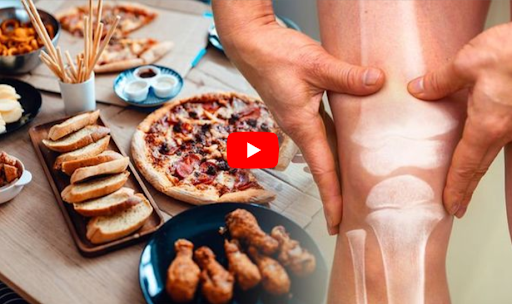
How to Protect Your Bone Density
Avoiding harmful foods is only part of the solution. You must actively nourish and stimulate bone growth.
1. Increase Calcium Intake
Sources include:
-
Dairy products
-
Fortified plant milks
-
Leafy greens (low-oxalate varieties like kale)
-
Almonds
-
Tofu
2. Maintain Adequate Vitamin D
Vitamin D helps absorb calcium effectively. Sunlight exposure and supplementation may be necessary.
3. Consume Magnesium and Vitamin K
Magnesium sources:
-
Nuts
-
Seeds
-
Whole grains
Vitamin K sources:
-
Leafy greens
-
Fermented foods
4. Engage in Weight-Bearing Exercise
Activities such as:
-
Walking
-
Resistance training
-
Yoga
-
Stair climbing
Mechanical stress stimulates bone formation and increases bone density.
5. Limit Sodium and Processed Foods
Cooking at home helps control sodium intake and reduce phosphate additives.
6. Moderate Caffeine and Alcohol
Stick to recommended guidelines to minimize bone impact.
The Bigger Picture: Balance Over Restriction
It’s important to understand that no single food “destroys” your bones overnight. Bone density declines gradually due to cumulative lifestyle habits.
Consistent dietary patterns—not occasional indulgences—determine long-term skeletal health.
Instead of focusing on fear-based restriction, emphasize:
-
Whole foods
-
Nutrient diversity
-
Moderation
-
Adequate protein
-
Regular exercise
Frequently Asked Questions
Does coffee cause osteoporosis?
Moderate intake is generally safe if calcium intake is adequate.
Is dairy necessary for bone health?
Dairy is helpful but not mandatory. Plant-based calcium sources and fortified products can meet needs.
Can bone density be improved?
Yes. Weight-bearing exercise, optimal nutrition, and medical therapy when needed can improve bone density.
Final Thoughts
Bone density is shaped by decades of lifestyle choices. Many common foods—especially processed, sugary, and high-sodium items—may gradually undermine skeletal strength when consumed excessively.
Protecting your bones starts with daily nutritional awareness.
By limiting the 10 foods that may be sabotaging your bone density and prioritizing mineral-rich whole foods, you can preserve strength, reduce fracture risk, and maintain mobility for years to come.
Strong bones are not built overnight—but with the right dietary strategy, they can last a lifetime.
References Link
- https://www.ncbi.nlm.nih.gov/books/NBK45523/table/ch7.t5/
- https://www.webmd.com/osteoporosis/ss/slideshow-bone-wreckers
- https://www.healthline.com/nutrition/build-healthy-bones
.
About Us