Rice Porridge for Weight Loss: Benefits & Diet Guide!
Weight loss trends come and go, but simple, traditional foods often stand the test of time. One such humble dish is rice porridge.
Known by different names around the world, congee in China, kanji in India, juk in Korea, and arroz caldo in the Philippines, this comforting meal has been used for centuries for healing, digestion, and nourishment.
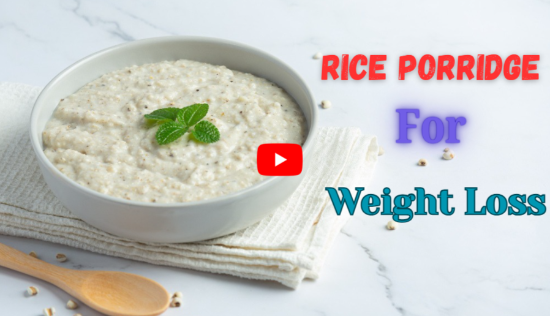

The short answer is yes—when prepared correctly and consumed as part of a balanced diet. Rice porridge can support calorie control, improve satiety, aid digestion, and promote metabolic balance. However, like any food, its effectiveness depends on portion size, ingredients, and overall lifestyle.
Rice porridge can support weight loss by promoting fullness, improving digestion, and controlling calories when prepared with healthy ingredients.
What Is Rice Porridge?
Rice porridge is made by simmering rice in a large quantity of water or broth until it becomes soft and creamy. Depending on the region, it may be thick or thin, sweet or savory.
Common variations include:
-
Chinese congee
-
Indian rice kanji
-
Japanese okayu
-
Korean juk
-
Filipino arroz caldo
The basic recipe contains:
-
Rice
-
Water or broth
-
Optional salt
From there, it can be customized with vegetables, lean proteins, herbs, and spices. Its simplicity is what makes it effective for weight management.
Nutritional Profile of Rice Porridge
The nutritional value depends on the type of rice and ingredients used.
Approximate Nutrition (1 cup plain white rice porridge)
| Nutrient | Amount |
|---|---|
| Calories | 120–150 kcal |
| Carbohydrates | 25–30 g |
| Protein | 2–3 g |
| Fat | <1 g |
| Fiber | 0.5–1 g |
| Water Content | Very high |
Using brown rice increases fiber and micronutrients.
Low calorie density combined with high water content makes rice porridge filling without being calorie-heavy.
Why Rice Porridge Can Help With Weight Loss
1. Low Energy Density
Energy density refers to calories per gram of food. Foods high in water content tend to be lower in energy density. Rice porridge contains significant water volume, meaning you can eat a satisfying portion without excessive calories.
Low-energy-density foods help reduce overall calorie intake without increasing hunger.
2. Promotes Satiety
Warm, soft foods often feel more filling. The bulk and volume of porridge stretch the stomach slightly, signaling fullness to the brain.
Adding:
-
Vegetables
-
Lean protein
-
Seeds
Further improves satiety.
3. Easy on Digestion
Rice porridge is gentle on the digestive system. It’s commonly recommended during illness or recovery.
Improved digestion may help reduce:
-
Bloating
-
Water retention
-
Irregular bowel movements
Better gut health can indirectly support healthy weight management.
4. Supports Portion Control
Because it’s mild and simple, rice porridge discourages overeating compared to hyperpalatable processed foods.
You are less likely to binge on plain porridge than on fried or sugary foods.
5. Stabilizes Appetite
When combined with protein and fiber, rice porridge can prevent extreme hunger spikes.
Example:
-
Brown rice porridge + boiled egg + spinach
-
Rice porridge + lentils + vegetables
This combination improves blood sugar balance.
White Rice vs Brown Rice for Weight Loss
| Feature | White Rice Porridge | Brown Rice Porridge |
|---|---|---|
| Fiber | Low | Higher |
| Digestion | Easier | Slightly slower |
| Fullness | Moderate | Higher |
| Micronutrients | Lower | Higher |
Brown rice porridge is generally better for weight loss due to its higher fiber content.
However, white rice porridge may be easier for sensitive stomachs.
Best Ways to Prepare Rice Porridge for Weight Loss
Healthy Savory Option
-
½ cup cooked brown rice
-
2–3 cups water
-
Spinach, carrots, mushrooms
-
Ginger and garlic
-
Lean protein (egg, tofu, chicken breast)
Avoid:
-
Excess oil
-
Butter
-
Cream
-
Fried toppings
Healthy Sweet Option
-
Brown rice
-
Cinnamon
-
Unsweetened almond milk
-
Chia seeds
-
Small amount of fruit
Avoid:
-
Refined sugar
-
Condensed milk
-
Syrups
Sample 7-Day Rice Porridge Weight Loss Plan
Day 1
Breakfast: Brown rice porridge + chia seeds
Lunch: Grilled chicken salad
Dinner: Vegetable rice porridge
Day 2
Breakfast: Rice porridge + boiled egg
Lunch: Lentil soup
Dinner: Stir-fried vegetables
Day 3
Breakfast: Cinnamon rice porridge + apple slices
Lunch: Quinoa salad
Dinner: Rice porridge + tofu
Continue alternating protein-rich, fiber-rich meals.
Balance is key. Rice porridge should not be your only food.
Calories Comparison Table
| Food | Approx Calories (1 cup) |
|---|---|
| Rice porridge | 120–150 |
| Fried rice | 300–400 |
| Instant noodles | 350–450 |
| Creamy pasta | 400–500 |
Choosing porridge over calorie-dense foods can create a calorie deficit naturally.
Scientific Perspective on Weight Loss
Weight loss fundamentally depends on calorie deficit and metabolic balance.
According to the World Health Organization, maintaining a healthy weight involves balanced diet and physical activity.
Research published in Harvard T.H. Chan School of Public Health emphasizes whole grains and fiber-rich foods for sustainable weight management.
Studies in National Institutes of Health highlight that lower energy-density diets can support long-term weight control.
Common Myths About Rice Porridge and Weight Loss
Myth 1: Rice Always Causes Weight Gain
Rice itself does not cause weight gain. Excess calories do.
Portion size and preparation determine the impact.
Myth 2: You Must Avoid Carbs to Lose Weight
Carbohydrates are not the enemy. Whole-food carbohydrates provide energy and nutrients.
Extreme carb restriction can be unsustainable.
Myth 3: Rice Porridge Burns Fat
Rice porridge does not directly burn fat. It supports weight loss by helping maintain a calorie deficit.
Who Should Avoid Excess Rice Porridge?
-
People with uncontrolled diabetes (monitor portions)
-
Those on very low-carb diets
-
Individuals with specific medical conditions requiring dietary supervision
Always consult a healthcare professional for personalized advice.

How to Enhance Fat Loss While Eating Rice Porridge
1. Add Protein
Eggs, tofu, lentils, lean meat.
2. Increase Fiber
Vegetables, seeds, brown rice.
3. Control Portions
1–1.5 cups per meal is sufficient.
4. Stay Active
Combine with:
-
Walking
-
Strength training
-
Yoga
Diet alone is rarely enough for significant fat loss.
Practical Tips for Success
-
Cook in bulk and store in portions.
-
Use measuring cups.
-
Avoid emotional eating.
-
Track weekly progress.
-
Stay hydrated.
Consistency matters more than perfection.
Long-Term Sustainability
Rice porridge is affordable, simple, and culturally adaptable. That makes it sustainable compared to expensive diet trends.
A sustainable diet:
-
Is realistic
-
Includes foods you enjoy
-
Fits your lifestyle
-
Supports nutrient intake
Rice porridge can be part of that strategy.
Final Thoughts
Rice porridge is not a miracle food—but it can be a powerful tool when used wisely. Its low calorie density, high water content, and versatility make it suitable for structured weight-loss plans.
When combined with:
-
Balanced nutrition
-
Adequate protein
-
Fiber-rich foods
-
Physical activity
It can help create a steady and sustainable calorie deficit. Instead of fearing rice, learn how to prepare it strategically. Healthy weight loss is about smart choices, not extreme restrictions.
References Link
.
About Us