Baking Soda with Vaseline for Dry Skin: What You Should Know
Dry skin is one of the most common skincare concerns affecting people of all ages. From harsh weather conditions to over-cleansing and dehydration, several factors can leave your skin feeling rough, flaky, tight, and uncomfortable.
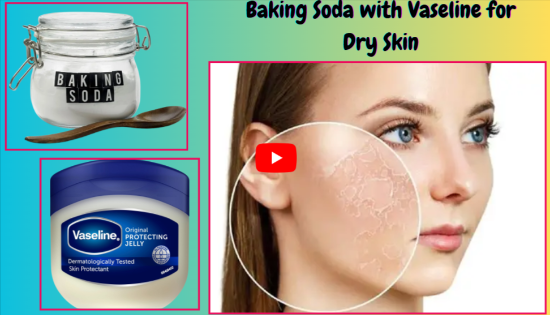

In the search for affordable home remedies, many people turn to a combination of baking soda and Vaseline for dry skin.
Baking soda with Vaseline may soften dry skin temporarily, but improper use can irritate sensitive skin. Use cautiously and moisturize wisely.
Understanding Dry Skin
Dry skin, medically known as xerosis, occurs when the outer layer of your skin lacks sufficient moisture and natural oils. This weakens the protective barrier, leading to:
-
Flaking
-
Itching
-
Redness
-
Cracking
-
Tightness
-
Increased sensitivity
Healthy skin depends on a balanced moisture barrier to stay soft and protected.
The outermost layer of the skin, the stratum corneum, works like a shield. When this barrier becomes compromised, moisture escapes and irritants penetrate more easily.
What Is Baking Soda?
Baking soda, or sodium bicarbonate, is a white crystalline powder commonly used in cooking and cleaning. It is naturally alkaline, with a pH around 9.
While baking soda is widely known for:
-
Neutralizing odors
-
Cleaning surfaces
-
Whitening teeth
-
Soothing insect bites
It is not specifically designed for skincare.
Skin naturally has a slightly acidic pH (around 4.5–5.5), which helps maintain its protective barrier. Applying alkaline substances may disrupt this balance.
What Is Vaseline?
Vaseline is a brand of petroleum jelly — a semi-solid mixture derived from refined petroleum. It has been used for over a century to protect and moisturize skin.
Petroleum jelly works as an occlusive agent. This means it:
-
Forms a protective barrier on the skin
-
Locks in moisture
-
Prevents water loss
-
Protects minor cuts and burns
Vaseline does not add moisture, but it seals in existing hydration. It is widely recognized in dermatology for its barrier-repair properties.
Why Do People Mix Baking Soda with Vaseline?
This combination is often promoted online as:
-
A DIY exfoliating scrub
-
A remedy for cracked heels
-
A solution for rough elbows and knees
-
A quick fix for dry patches
The idea behind it:
| Ingredient | Purpose |
|---|---|
| Baking Soda | Exfoliates dead skin cells |
| Vaseline | Locks in moisture |
In theory, exfoliating first and sealing moisture afterward sounds logical. However, the safety of this method depends heavily on skin type and frequency of use.
Potential Benefits of Baking Soda with Vaseline for Dry Skin
Let’s explore possible short-term benefits.
1. Mild Physical Exfoliation
Baking soda’s fine particles may help remove dead skin buildup.
Removing dead skin cells can temporarily improve skin smoothness.
This may make extremely rough areas (like heels) feel softer after use.
2. Immediate Softness from Occlusion
Vaseline creates a moisture barrier that reduces transepidermal water loss (TEWL). Occlusive ingredients are highly effective at preventing moisture evaporation.
This makes skin feel smoother and more hydrated shortly after application.
3. Affordable and Accessible
Both ingredients are inexpensive and commonly found at home.
The Risks You Should Know
Despite potential benefits, there are significant concerns.
1. pH Imbalance
As mentioned, baking soda has a high alkaline pH.
Altering the skin’s natural pH can weaken its protective barrier.
Consequences may include:
-
Increased dryness
-
Irritation
-
Redness
-
Sensitivity
-
Breakouts
2. Over-Exfoliation
Frequent use can strip the skin’s natural oils.
Over-exfoliation damages the skin barrier and worsens dryness over time.
Dry skin does not always need exfoliation — sometimes it needs repair.
3. Micro-Tears in Sensitive Skin
Though fine, baking soda granules can still be abrasive.
This may lead to:
-
Inflammation
-
Tiny surface damage
-
Increased irritation
4. Trapping Irritation Under Occlusion
Applying Vaseline over already irritated skin may seal in inflammation.
Occlusion over compromised skin can sometimes worsen irritation.
The Science Behind Skin Barrier Damage
Your skin barrier is made up of lipids (fats), ceramides, cholesterol, and natural moisturizing factors. When exposed to alkaline substances like baking soda, the barrier can become disrupted.
A damaged skin barrier leads to increased water loss and greater sensitivity to irritants.
When the skin’s pH rises:
-
Harmful bacteria can multiply more easily
-
Inflammation becomes more likely
-
Natural enzymes that repair the skin work less efficiently
Vaseline may help seal moisture afterward, but it does not correct the underlying pH imbalance caused by baking soda.

How Often Is Too Often?
Many people assume that because something is a household ingredient, it can be used regularly. However, frequency matters significantly.
Using baking soda on the skin:
-
Once every few weeks → Lower risk (on thick skin only)
-
Once per week → Moderate risk of barrier disruption
-
Daily → High risk of irritation and chronic dryness
Consistency with gentle skincare is safer than occasional harsh DIY treatments.
Skin Types and Reaction Risk
Different skin types respond differently to DIY remedies.
| Skin Type | Reaction to Baking Soda | Recommendation |
|---|---|---|
| Dry Skin | May worsen dryness | Avoid frequent use |
| Oily Skin | Can disrupt oil balance | Use safer exfoliants |
| Sensitive Skin | High irritation risk | Avoid completely |
| Acne-Prone | May trigger breakouts | Not recommended |
| Thick Skin (Heels/Elbows) | Lower sensitivity | Use sparingly |
Seasonal Considerations
Dry skin often worsens during:
-
Winter months
-
Low humidity climates
-
Air-conditioned environments
-
After long hot showers
During colder months, barrier repair becomes even more important than exfoliation.
Instead of baking soda mixtures, focus on:
-
Applying moisturizer within 3 minutes of showering
-
Using humidifiers indoors
-
Limiting hot water exposure
-
Wearing protective clothing
Ingredient Breakdown Comparison
Understanding how each ingredient functions can clarify whether the combination is truly beneficial.
| Property | Baking Soda | Vaseline |
|---|---|---|
| pH Level | Alkaline (~9) | Neutral |
| Main Function | Physical exfoliant | Occlusive barrier |
| Adds Moisture? | No | No (locks existing moisture) |
| Risk of Irritation | High (if overused) | Low |
| Suitable for Face | No | Yes (generally safe) |
While Vaseline is widely supported in dermatology, baking soda lacks clinical skincare endorsement.
Signs You Should Stop Using It Immediately
If you notice any of the following symptoms, discontinue use:
-
Burning sensation
-
Persistent redness
-
Stinging after moisturizing
-
Flaky patches worsening
-
Sudden breakouts
Skin discomfort is a signal that the barrier may be compromised.
Dermatologist-Approved Dry Skin Routine (Safer Alternative)
Instead of baking soda mixtures, follow this evidence-based approach:
Step 1: Gentle Cleanser
Choose a sulfate-free, fragrance-free cleanser.
Step 2: Apply Moisturizer on Damp Skin
This helps trap hydration more effectively.
Step 3: Seal with Occlusive (Optional)
Apply a thin layer of Vaseline over very dry areas.
Step 4: Use Mild Exfoliation (If Needed)
Opt for:
-
Lactic acid (low concentration)
-
Polyhydroxy acids (PHAs)
Barrier-first skincare delivers longer-lasting results than abrasive scrubs.
Long-Term Effects of DIY Alkaline Skincare
Using alkaline substances repeatedly can:
-
Reduce natural ceramide levels
-
Increase trans-epidermal water loss
-
Trigger inflammatory responses
-
Lead to chronic sensitivity
Over time, this may create a cycle where skin becomes increasingly dry and dependent on heavy moisturizers.
Short-term smoothness does not guarantee long-term skin health.
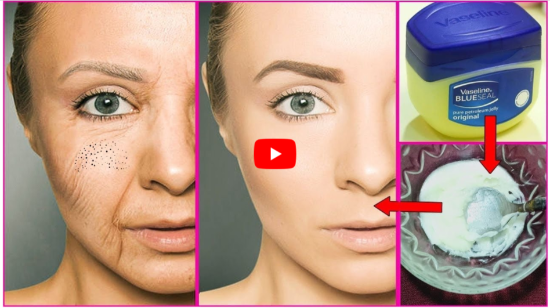
Who Might Benefit from Vaseline Alone?
Vaseline by itself can be beneficial for:
-
Extremely dry patches
-
Cracked heels
-
Overnight hand treatments
-
Post-shower moisture sealing
Applying Vaseline to damp skin is significantly more effective than applying it to dry skin.
Who Should Avoid This Mixture?
You should avoid using baking soda with Vaseline if you have:
-
Eczema
-
Rosacea
-
Psoriasis
-
Acne-prone skin
-
Extremely sensitive skin
-
Compromised skin barrier
People with chronic skin conditions should consult a dermatologist before trying DIY remedies.
When Could It Be Used Safely?
If someone insists on trying it, it should be:
-
Used only occasionally
-
Applied to thick skin areas (heels, elbows)
-
Avoided on the face
-
Used no more than once every 2–3 weeks
Always perform a patch test first.
Step-by-Step Guide (If You Choose to Try It)
⚠️ Not recommended for sensitive or facial skin.
Ingredients:
-
1 tablespoon Vaseline
-
½ teaspoon baking soda
Instructions:
-
Mix gently into a paste.
-
Apply to rough areas only.
-
Massage lightly for 30 seconds.
-
Rinse thoroughly.
-
Apply a gentle moisturizer afterward.
Never leave baking soda on the skin for extended periods.
Better Alternatives for Dry Skin
Instead of baking soda, consider safer options.
1. Gentle Chemical Exfoliants
-
Lactic acid
-
Mandelic acid
These are milder and help retain moisture.
2. Urea Creams
Urea both hydrates and gently exfoliates.
3. Ceramide-Based Moisturizers
Ceramides help repair the skin barrier.
Barrier repair is more important than aggressive exfoliation for dry skin.
4. Oat-Based Products
Colloidal oatmeal soothes irritation and reduces itching.
Comparison Table: DIY vs Dermatologist-Recommended Care
| Factor | Baking Soda + Vaseline | Dermatologist-Recommended Care |
|---|---|---|
| pH Balanced | ❌ No | ✅ Yes |
| Risk of Irritation | High | Low |
| Barrier Support | Limited | Strong |
| Suitable for Face | Not Recommended | Yes (if formulated properly) |
| Long-Term Safety | Questionable | Clinically Supported |
Expert Dermatology Perspective
Dermatologists emphasize restoring the skin barrier over harsh exfoliation.
Healthy skin starts with protecting and repairing the moisture barrier.
The American Academy of Dermatology recommends:
-
Limiting exfoliation
-
Using fragrance-free moisturizers
-
Applying occlusives on damp skin
-
Avoiding harsh alkaline products
Final Verdict
Baking soda with Vaseline for dry skin may offer temporary smoothness but comes with potential risks. The alkalinity of baking soda can disrupt your skin’s protective barrier, potentially leading to increased dryness and irritation.
Protecting your skin barrier is more important than aggressive DIY exfoliation. If you’re struggling with chronic dryness, consult a dermatologist for personalized advice and evidence-based solutions.
References Link
- https://www.healthline.com/health-news/baking-soda-skin-care-hack-viral-beauty-trend
- https://www.webmd.com/beauty/ss/slideshow-beauty-baking-soda-health
.
About Us