
Vaseline With Chocolate For Face: Benefits & DIY Guide
Skincare trends evolve quickly, and social media has made DIY beauty remedies more popular than ever. One unusual combination that has gained attention recently is Vaseline with chocolate for the face.
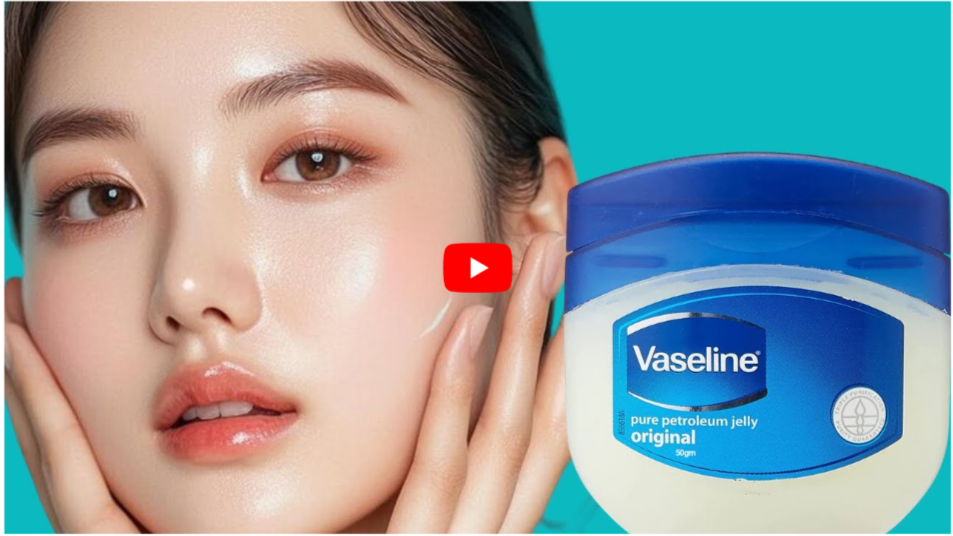

Advocates claim this mixture can hydrate the skin, reduce dryness, enhance glow, and even soften fine lines. But does this sweet and slick blend actually deliver results—or could it potentially clog pores and trigger breakouts?
Vaseline with chocolate for face is a DIY mask that may boost hydration and glow, but dermatologists advise caution for acne-prone skin types.
What Is Vaseline?
Vaseline is a brand name for petroleum jelly, a semi-solid mixture of hydrocarbons derived from petroleum. It has been used for over a century as a skin protectant and occlusive moisturizer.
Key Properties of Petroleum Jelly:
-
-
Occlusive agent (locks moisture into skin)
-
Forms a protective barrier
-
Non-comedogenic (according to the American Academy of Dermatology)
-
Widely used for wound care and dry skin
-
Petroleum jelly does not hydrate the skin by itself—it prevents water loss. This distinction is important when evaluating DIY skincare recipes.
What Is Chocolate in Skincare?
Chocolate used in DIY face masks usually refers to cocoa powder or melted dark chocolate. Cocoa is rich in:
- Flavonoids (antioxidants)
- Polyphenols
- Theobromine
- Magnesium
- Trace minerals
Research suggests cocoa flavonoids may help protect skin from oxidative stress caused by UV exposure. Cocoa contains antioxidant compounds that may help reduce free radical damage in the skin. However, not all chocolate products are skincare-safe. Many contain sugar, milk solids, or additives that may irritate skin.
Why Are People Mixing Vaseline With Chocolate For Face?
The idea behind combining these two ingredients is simple:
- Vaseline locks in moisture.
- Chocolate provides antioxidants and nourishment.
Together, they are believed to:
- Improve skin softness
- Enhance glow
- Reduce dryness
- Offer mild anti-aging benefits
But does combining an occlusive ingredient with cocoa powder actually work synergistically?
How Vaseline Works on Facial Skin
Vaseline acts as an occlusive moisturizer. It:
- Prevents transepidermal water loss (TEWL)
- Seals hydration
- Protects compromised skin barriers
- Soothes irritation
Dermatologists often recommend petroleum jelly for:
- Extremely dry skin
- Eczema-prone skin
- Post-procedure healing
- Slugging (overnight occlusion method)
Vaseline is most effective when applied over damp or moisturized skin, not on dry skin alone.
How Chocolate May Affect Facial Skin
Cocoa-based skincare products may provide:
Potential Benefits:
- Antioxidant protection
- Improved circulation (temporary glow)
- Mild anti-inflammatory effects
- Skin-softening properties
Possible Concerns:
- Added sugars may promote bacterial growth
- Milk chocolate may contain pore-clogging ingredients
- Fragrance components can irritate sensitive skin
Pure, unsweetened cocoa powder is safer than commercial chocolate bars for topical use.
Vaseline With Chocolate For Face: Claimed Benefits
Let’s examine popular claims in detail.
1. Deep Hydration
Vaseline prevents water loss, while cocoa may help condition the skin.
However, the mixture does not inherently hydrate skin—it only locks in existing moisture.
For best results:
- Apply on slightly damp skin
- Use after a lightweight moisturizer
2. Anti-Aging Effects
Chocolate’s antioxidants may help combat oxidative stress.
Antioxidants can:
- Neutralize free radicals
- Support collagen preservation
- Reduce premature aging signs
But there is limited clinical evidence supporting cocoa powder masks as anti-aging treatments.
3. Improved Skin Glow
Chocolate can increase microcirculation temporarily, which may give a flushed appearance.
Vaseline adds surface sheen, creating the illusion of glow.
The glow is often temporary and cosmetic rather than structural skin improvement.
4. Smoother Texture
Occlusives smooth rough skin patches by softening the outer layer (stratum corneum).
People with dry skin may notice softer texture after use.
Who Should Avoid This DIY Trend?
While some skin types may tolerate it, others should be cautious.
Avoid If You Have:
-
-
Acne-prone skin
-
Oily skin
-
Rosacea
-
Perioral dermatitis
-
Fungal acne (Malassezia folliculitis)
-
Although petroleum jelly is labeled non-comedogenic, occlusive layering can trap oil and debris, potentially worsening breakouts in acne-prone individuals.
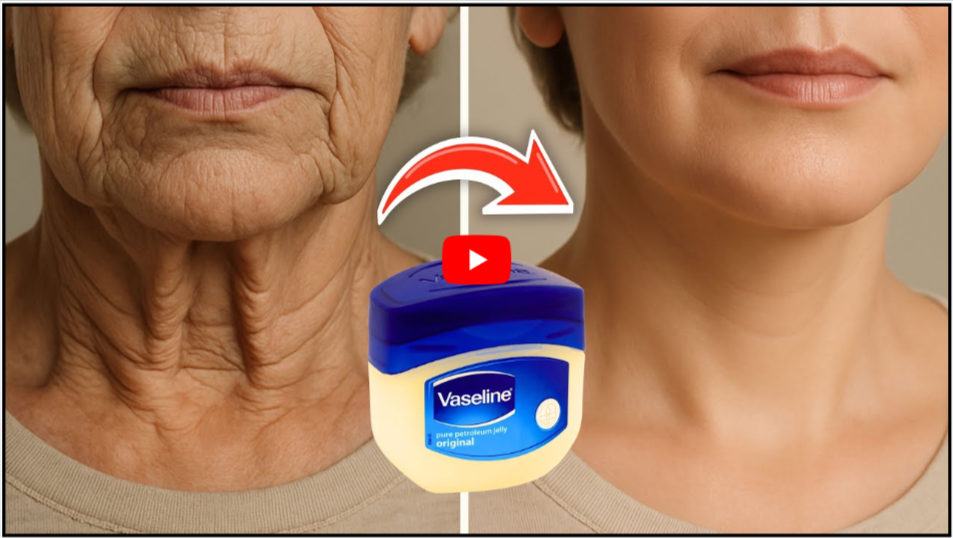
DIY Recipe: Vaseline With Chocolate Face Mask
If you choose to try it, use this safer approach:
Ingredients:
- 1 teaspoon petroleum jelly
- 1 teaspoon unsweetened cocoa powder
- 1–2 drops vitamin E oil (optional)
Instructions:
-
-
Melt petroleum jelly slightly.
-
Mix in cocoa powder thoroughly.
-
Apply a thin layer to clean, damp skin.
-
Leave on for 10–15 minutes.
-
Remove gently with warm cloth.
-
Follow with lightweight moisturizer.
-
Frequency:
Once weekly maximum.
Patch test before full application to prevent allergic reactions.
Ingredient Comparison
| Ingredient | Primary Function | Skin Benefit | Risk Factor |
|---|---|---|---|
| Vaseline | Occlusive | Locks moisture | May trap oil |
| Cocoa Powder | Antioxidant | Free radical protection | Possible irritation |
| Vitamin E | Antioxidant | Supports skin repair | Rare contact allergy |
Dermatologist Perspective
Board-certified dermatologists generally prefer clinically tested skincare products over DIY remedies.
Reasons include:
- Unknown ingredient purity
- Risk of contamination
- Inconsistent formulation
- Lack of clinical trials
DIY skincare may feel natural, but “natural” does not always mean safe or effective.
Petroleum jelly alone is widely endorsed. Chocolate masks are not commonly recommended in medical dermatology.
Scientific Evidence Overview
Petroleum Jelly Studies
Research shows petroleum jelly:
- Reduces TEWL significantly
- Improves barrier repair
- Safe for most skin types
Cocoa Flavonoid Research
Studies indicate cocoa flavonoids may:
- Improve skin density
- Enhance blood flow
- Reduce UV-induced damage
However, these studies often involve oral cocoa intake—not topical masks.
There is limited evidence supporting topical cocoa powder as a proven anti-aging treatment.
The Science of Occlusion: Why Vaseline Changes How Ingredients Behave
Understanding how occlusion works is essential when discussing Vaseline with chocolate for face. Petroleum jelly creates a semi-permeable barrier over the skin, reducing transepidermal water loss (TEWL) by up to 30–50%. This barrier traps moisture but also locks in whatever is underneath it.
Occlusive products do not add moisture—they preserve it.
When cocoa powder is mixed with petroleum jelly, the cocoa particles sit within the occlusive layer. While antioxidants may be present, their penetration into deeper skin layers is uncertain. Because petroleum jelly is thick and not water-soluble, it may actually limit the absorption of certain active compounds.
Understanding Skin Barrier Function
The outermost layer of the skin, known as the stratum corneum, plays a crucial role in hydration and protection. When compromised, skin may become:
- Flaky
- Tight
- Irritated
- More prone to inflammation
Vaseline helps restore barrier integrity by sealing microscopic cracks in the skin surface. However, adding cocoa does not necessarily enhance barrier repair beyond what a standard moisturizer can achieve.
Barrier repair depends more on ceramides, cholesterol, and fatty acids than on cocoa-based ingredients.
Chocolate Varieties and Their Skin Impact
Not all chocolate is equal in skincare. Here’s how different types compare:
| Chocolate Type | Cocoa Content | Additives | Skin Suitability |
|---|---|---|---|
| Unsweetened Cocoa Powder | 100% | None | Best option for DIY |
| Dark Chocolate (70%+) | High | Sugar, fats | Moderate risk |
| Milk Chocolate | Low | Sugar, milk solids | High breakout risk |
| White Chocolate | 0% cocoa | Sugar, milk fat | Not recommended |
Only pure, unsweetened cocoa powder should be considered for topical use.
Short-Term vs Long-Term Effects
Many DIY skincare trends provide immediate cosmetic effects but lack long-term benefits.
Short-Term Effects:
- Softer skin texture
- Surface shine
- Temporary plumping
- Mild redness (increased circulation)
Long-Term Reality:
- No proven collagen stimulation
- No clinically validated wrinkle reversal
- No pigmentation correction
- Potential clogged pores over time
Temporary glow should not be mistaken for structural skin improvement.
Seasonal Use Considerations
Environmental conditions impact how occlusives perform.
Winter:
- Beneficial for severe dryness
- Protects against cold-induced barrier damage
- May reduce windburn irritation
Summer:
- Can feel excessively greasy
- May increase sweat trapping
- Higher breakout risk
Occlusive-heavy masks are generally better suited for cold, dry climates.
Potential Side Effects Explained
While generally considered safe, some individuals may experience reactions.
Possible Reactions:
- Contact dermatitis
- Clogged pores
- Fungal acne flare-ups
- Milia (tiny white cysts)
- Increased oiliness
Why It Happens:
- Occlusion traps sweat and bacteria
- Cocoa may contain residual plant compounds
- Fragrance sensitivity (if chocolate is processed)
If redness, itching, or bumps appear, discontinue use immediately.
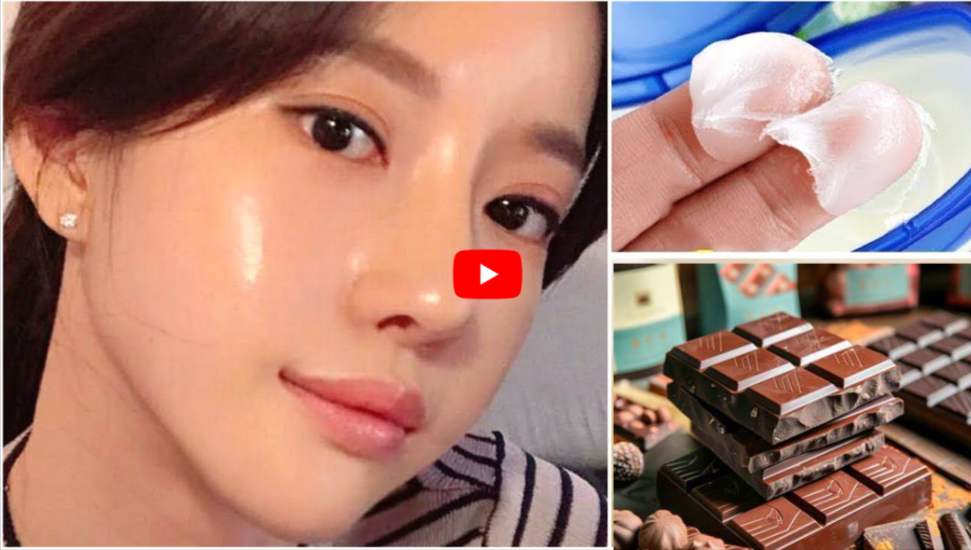
Comparing DIY Mask vs Dermatologist-Formulated Products
| Feature | DIY Vaseline + Chocolate | Dermatologist-Formulated Cream |
|---|---|---|
| Ingredient Stability | Uncontrolled | Clinically tested |
| Preservatives | None | Safe preservation systems |
| Absorption | Limited | Optimized |
| Risk Level | Moderate | Low (when approved) |
| Evidence-Based | Limited | Research-backed |
Professional formulations are designed for penetration, stability, and safety.
Psychological Appeal of Food-Based Skincare
There is a psychological comfort factor associated with edible skincare ingredients.
Reasons for popularity:
- Perceived naturalness
- Accessibility
- Low cost
- Social media virality
- Sensory enjoyment (smell of chocolate)
However, appeal does not equal dermatological effectiveness.
Skin Microbiome Considerations
The skin microbiome consists of beneficial bacteria that maintain balance. Occlusive layers can alter this ecosystem.
Potential impacts:
- Reduced oxygen exposure
- Trapped moisture environment
- Imbalanced bacterial growth
For individuals prone to acne, this may increase inflammatory breakouts.
Healthy skin requires balance—not excessive occlusion.
Pros
- Inexpensive
- Easy to prepare
- May improve dryness
- Temporary glow effect
Cons
- Can feel greasy
- Potential pore congestion
- Risk of irritation
- Not clinically validated
Important Usage Guidelines
Before trying Vaseline with chocolate for face:
-
-
Perform a 24-hour patch test
-
Avoid active acne areas
-
Do not apply over retinoids
-
Avoid combining with exfoliating acids
-
Remove thoroughly with gentle cleanser
-
Layering too many occlusive ingredients may overwhelm the skin barrier.
Alternative Dermatologist-Approved Options
If your goal is hydration and glow, consider:
For Dry Skin:
- Hyaluronic acid serum
- Ceramide moisturizer
- Petroleum jelly slugging (without chocolate)
For Glow:
- Vitamin C serum
- Niacinamide
- Chemical exfoliation (AHA)
For Anti-Aging:
- Retinoids
- Peptides
- Sunscreen (most important)
Daily sunscreen remains the most effective anti-aging skincare step.
Skin Type Guide
| Skin Type | Recommendation |
|---|---|
| Dry | May tolerate occasionally |
| Oily | Not recommended |
| Acne-Prone | Avoid |
| Sensitive | Patch test first |
| Mature | Use cautiously |
Can It Remove Wrinkles?
Temporary plumping may soften fine lines due to moisture retention.
But it does not:
- Stimulate collagen production
- Reverse deep wrinkles
- Replace retinoid therapy
Final Verdict
Vaseline with chocolate for face is a creative DIY trend that may provide temporary softness and glow.
Its primary benefit comes from moisture sealing rather than true skin transformation. While cocoa offers antioxidant potential, the evidence for topical benefits remains limited.
Individuals with dry skin may experiment cautiously, but those with acne-prone or sensitive skin should avoid it. For long-term skin health, evidence-based skincare and sun protection remain far more reliable solutions.
References Link
- Health Benefits and Uses of Petroleum Jelly
https://www.webmd.com/skin-problems-and-treatments/ss/slideshow-petroleum-jelly-uses
- Vaseline for Moisturizer
https://www.healthline.com/health/beauty-skin-care/vaseline-for-moisturizer
- Vaseline
https://en.wikipedia.org/wiki/Vaseline
.
About Us
