Swelling Reducer for Feet and Legs: Causes, Remedies & Relief
Swelling in the feet and legs is a common problem affecting people of all ages. It may appear after a long day of standing, during pregnancy, after travel, or as a sign of an underlying health condition.
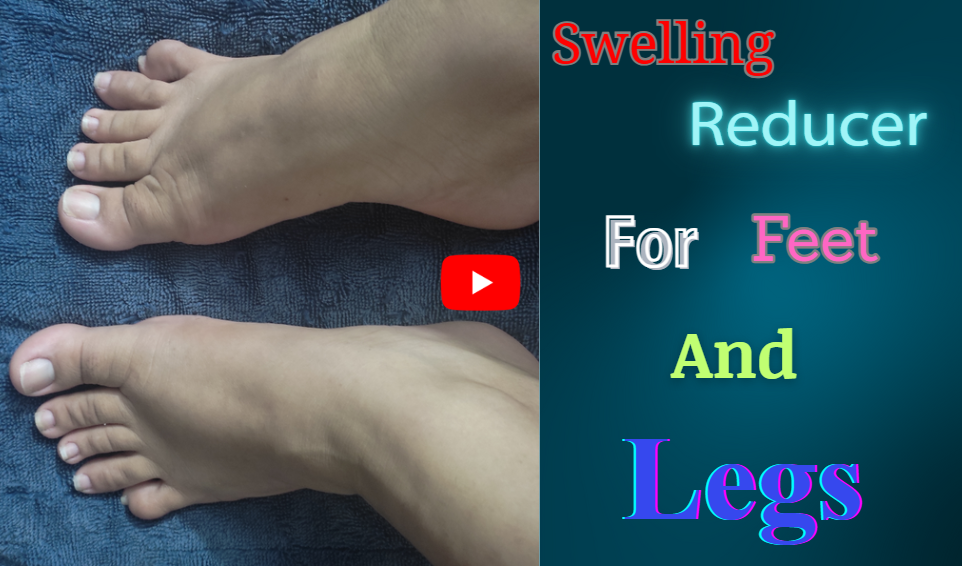

While occasional swelling is usually harmless, persistent or painful swelling can interfere with daily life and signal deeper health concerns.
Swollen feet and legs can result from fluid retention, poor circulation, or long standing. Natural remedies, lifestyle changes, and medical care can help reduce discomfort.
Understanding why swelling occurs is the first step toward effective and lasting relief. This detailed guide explores the causes, symptoms, natural and medical remedies, prevention strategies, and when to seek professional help for swollen feet and legs.
What Is Swelling in Feet and Legs?
Swelling in the lower extremities, medically known as edema, occurs when excess fluid becomes trapped in body tissues. Gravity naturally pulls fluids downward, which is why the feet, ankles, and lower legs are especially vulnerable.
Swelling may develop gradually or appear suddenly, depending on the underlying cause. In many cases, it resolves on its own, but chronic swelling should never be ignored.
Common Causes of Swollen Feet and Legs
1. Fluid Retention
Fluid retention happens when the body holds onto excess water due to hormonal changes, high salt intake, or poor circulation.
This is one of the most common and reversible causes of leg and foot swelling.
2. Prolonged Sitting or Standing
Remaining in one position for long periods slows blood flow and allows fluid to pool in the lower limbs.
-
Desk jobs
-
Long flights
-
Extended standing at work
Movement is essential for healthy circulation and fluid balance.
3. Poor Blood Circulation
When veins struggle to return blood to the heart, fluid can leak into surrounding tissues.
Circulation issues often cause swelling that worsens by evening.
4. Pregnancy
Hormonal changes and pressure from the growing uterus can slow blood flow, leading to swelling in the legs and feet.
Mild swelling during pregnancy is common, but sudden or severe swelling requires medical attention.
5. Injury or Inflammation
Sprains, fractures, or infections can cause localized swelling as part of the healing response.
Inflammation-related swelling is usually warm, tender, and painful.
6. Medical Conditions
Certain health conditions may cause persistent swelling, including:
-
Heart disease
-
Kidney disorders
-
Liver problems
-
Thyroid imbalance
Chronic swelling may be an early warning sign of systemic illness.
Signs and Symptoms to Watch For
Swelling may present with the following symptoms:
-
Puffiness in feet, ankles, or calves
-
Tight or shiny skin
-
Reduced flexibility
-
Indentation after pressing the skin
-
Heaviness or discomfort
Pain, redness, warmth, or sudden swelling in one leg should never be ignored.
Natural Ways to Reduce Swelling in Feet and Legs
1. Elevation
Raising the legs above heart level helps fluid return to the upper body.
Regular elevation is one of the simplest and most effective methods for reducing swelling.
2. Gentle Exercise and Movement
Movement encourages circulation and prevents fluid buildup.
Examples include:
-
Walking
-
Ankle rotations
-
Light stretching
Even short movement breaks can significantly improve circulation.
3. Reduce Salt Intake
Excess sodium causes the body to retain water.
| High-Sodium Foods | Healthier Alternatives |
|---|---|
| Processed snacks | Fresh fruits |
| Packaged soups | Homemade broths |
| Fast food | Whole meals |
Lowering salt intake often leads to noticeable improvement in swelling.
4. Stay Hydrated
Drinking enough water helps flush excess sodium and reduces fluid retention. Dehydration can actually worsen swelling rather than prevent it.
5. Compression Support
Compression socks or stockings apply gentle pressure to help veins move blood upward. They are especially helpful for people who stand or sit for long hours.
6. Massage Therapy
Massage encourages lymphatic drainage and improves blood flow. Gentle upward strokes toward the heart are most effective.
7. Cold and Warm Therapy
-
Cold reduces inflammation
-
Warmth improves circulation
Alternating temperatures may offer additional relief for some individuals.
Dietary Support for Reducing Swelling
Foods That Help Reduce Swelling
-
Leafy greens
-
Bananas
-
Berries
-
Cucumber
-
Yogurt
Foods rich in potassium and antioxidants support fluid balance.
Foods to Limit
-
Sugary snacks
-
Fried foods
-
Alcohol
-
Processed meats
Poor dietary choices can worsen inflammation and fluid retention.
Lifestyle Changes That Support Long-Term Relief
Maintain a Healthy Weight
Excess weight puts pressure on veins and worsens circulation. Weight management plays a major role in reducing chronic swelling.
Wear Comfortable Footwear
Tight or unsupportive shoes can restrict circulation. Footwear should provide proper arch support and room for toes.
Improve Sleep Position
Sleeping with legs slightly elevated can prevent overnight fluid buildup. Small changes in sleeping habits can have a big impact.
Medical Treatments for Persistent Swelling
If lifestyle measures are not enough, medical care may be required.
Common Medical Approaches
-
Prescription diuretics
-
Treatment of underlying conditions
-
Physical therapy
-
Vascular evaluation
Medical treatment focuses on addressing the root cause rather than just symptoms.
Morning vs Evening Swelling: What It Means
| Time of Swelling | Possible Cause | What It Indicates |
|---|---|---|
| Morning | Inflammation or medical condition | Needs evaluation |
| Afternoon | Gravity-related fluid pooling | Usually mild |
| Evening | Prolonged activity or standing | Lifestyle-related |
| Constant | Circulation or organ-related | Requires medical care |
The timing of swelling often provides valuable clues about its underlying cause.
How Climate and Weather Affect Feet and Leg Swelling
Hot and humid weather can cause blood vessels to expand, allowing more fluid to leak into surrounding tissues. This makes swelling in the feet and legs more noticeable, especially during summer months.
Cold weather, on the other hand, may reduce circulation and cause stiffness, indirectly contributing to swelling once movement resumes.
Seasonal swelling is often temporary but can become uncomfortable without proper hydration and movement. People with circulation issues or joint problems tend to experience weather-related swelling more frequently.
Swelling Reducer Techniques for People with Desk Jobs
Sitting for long hours slows circulation and encourages fluid buildup in the lower body. Office workers can reduce swelling by adopting simple daily habits.
-
Take short walking breaks every 30–60 minutes
-
Perform ankle rolls and calf stretches at your desk
-
Keep feet flat and avoid crossing legs for long periods
-
Use a small footrest to improve leg positioning
-
Wear supportive footwear even while working indoors
Consistent movement throughout the day significantly reduces swelling caused by prolonged sitting.
Swelling in Feet and Legs After Travel
Long-distance travel, especially flights and road trips, can lead to temporary swelling due to limited movement and reduced blood flow. Cabin pressure changes and dehydration further contribute to fluid retention in the lower limbs.
Travel-related swelling usually resolves within 24 to 48 hours but should be monitored closely if pain or redness develops. Simple actions such as walking during breaks, stretching, and drinking water can minimize discomfort.
Common Mistakes That Worsen Feet and Leg Swelling
Many people unknowingly make choices that increase swelling severity.
-
Ignoring early signs of fluid retention
-
Wearing tight socks or restrictive footwear
-
Consuming excess salty or processed foods
-
Sitting or standing without breaks
-
Skipping hydration to avoid frequent bathroom trips
Avoiding these common mistakes can dramatically improve swelling control.
When to See a Doctor
Seek medical help if swelling:
-
Appears suddenly
-
Occurs in one leg only
-
Is painful or warm
-
Is accompanied by shortness of breath
-
Persists despite home care
Early evaluation can prevent serious complications.
Swelling Reducer Comparison Table
| Method | Best For | Effectiveness |
|---|---|---|
| Elevation | Mild swelling | High |
| Exercise | Circulation issues | High |
| Compression | Long sitting/standing | Moderate to High |
| Diet changes | Fluid retention | Moderate |
| Medication | Chronic conditions | High |
Final Thoughts
Swollen feet and legs are more than just a cosmetic concern. They can signal lifestyle imbalances or underlying health conditions that deserve attention.
By combining natural remedies, smart lifestyle choices, and medical guidance when needed, most people can achieve lasting relief.
Listening to your body and addressing swelling early can improve comfort, mobility, and overall well-being.
References Link
- https://www.healthline.com/health/home-remedies-for-swollen-feet
- https://www.webmd.com/a-to-z-guides/swollen-ankles-and-feet
.
About Us