Warm Water Trick For Diabetes: Benefits, Myths & Facts
Diabetes is a long-term metabolic condition affecting millions worldwide, leading many people to explore simple lifestyle habits that may support blood sugar management.
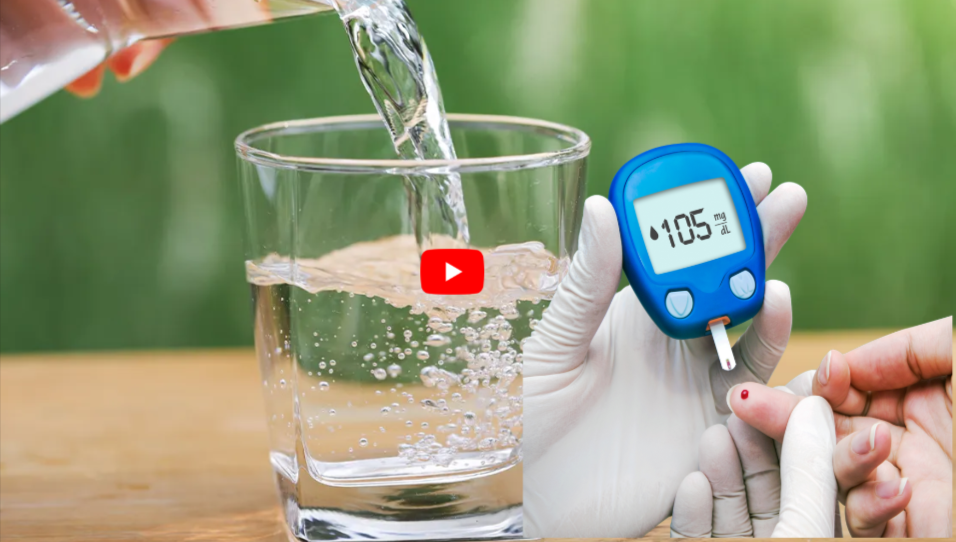
One such popular habit is the warm water trick for diabetes, often shared on blogs, social media, and wellness forums.
Supporters claim that drinking warm water, especially in the morning, can help regulate blood sugar, improve insulin sensitivity, and cleanse the body.


Warm water trick for diabetes may support digestion and hydration, but it is not a cure and should only complement medical care.
This in-depth guide explores the warm water trick for diabetes, separating facts from fiction, explaining potential benefits, limitations, safety concerns, and how it fits into a medically sound diabetes management plan.
Understanding Diabetes and Blood Sugar Control
Diabetes occurs when the body either does not produce enough insulin or cannot use insulin effectively. This results in elevated blood glucose levels, which over time can damage the heart, kidneys, nerves, eyes, and blood vessels.
Key Types of Diabetes
-
Type 1 Diabetes – an autoimmune condition requiring insulin
-
Type 2 Diabetes – Insulin resistance, often lifestyle-related
-
Gestational Diabetes – Occurs during pregnancy
-
Prediabetes – Elevated blood sugar but not yet diabetic
Blood sugar control depends on multiple factors, including diet, physical activity, hydration, sleep, stress, and medication adherence.
What Is the Warm Water Trick For Diabetes?
The warm water trick generally refers to drinking warm or lukewarm water, usually:
-
Early in the morning on an empty stomach
-
Before meals
-
Sometimes with additions like lemon or herbs
Advocates believe warm water:
-
Improves digestion
-
Flushes toxins
-
Enhances circulation
-
Helps stabilize blood sugar
It is important to note that this practice is a lifestyle habit, not a medical treatment.
Why Warm Water Is Often Linked to Blood Sugar Control
Warm water does not directly lower glucose levels, but it may support indirect processes involved in metabolic health.
Potential Supporting Mechanisms
| Mechanism | How It May Help |
|---|---|
| Improved hydration | Helps kidneys flush excess glucose |
| Better digestion | May reduce glucose spikes after meals |
| Enhanced circulation | Supports nutrient and insulin delivery |
| Reduced stress response | Stress hormones can raise blood sugar |
These effects are supportive, not curative.
Scientific Perspective: What Research Actually Says
There is no clinical evidence proving that warm water alone can treat or reverse diabetes. However, hydration itself plays a meaningful role in glucose regulation.
What Studies Suggest
-
Dehydration can increase blood sugar levels
-
Adequate water intake may lower the risk of developing type 2 diabetes
-
Warm liquids may improve gastrointestinal comfort and digestion
No peer-reviewed study confirms a “warm water trick” as a standalone solution for diabetes.
Warm Water vs Cold Water: Does Temperature Matter?
Some believe warm water is superior to cold water for diabetics.
Comparison Table
| Aspect | Warm Water | Cold Water |
|---|---|---|
| Digestion | Gentle, soothing | May slow digestion |
| Blood vessels | Mild dilation | Temporary constriction |
| Comfort | Easier on stomach | Can cause discomfort |
| Blood sugar impact | Indirect support | Indirect support |
Both warm and cold water hydrate the body equally well. Temperature preference depends on comfort and digestive sensitivity.
Potential Benefits of Warm Water for People With Diabetes
While not a cure, warm water may offer certain supportive benefits when used correctly.
1. Improved Hydration
Proper hydration helps the kidneys remove excess glucose through urine, reducing blood sugar concentration.
2. Digestive Support
Warm water may:
-
Reduce bloating
-
Improve nutrient absorption
-
Support smoother digestion
Better digestion may reduce post-meal glucose spikes.
3. Weight Management Support
Drinking warm water before meals may promote fullness, potentially helping with portion control.
4. Reduced Stress and Relaxation
Warm water can have a calming effect, which may help lower stress-related glucose elevations.
Popular Variations of the Warm Water Trick
Many people combine warm water with other ingredients. These combinations may offer additional benefits, but they still do not replace treatment.
Common Add-Ons
-
Warm water with lemon
-
Warm water with cinnamon
-
Warm water with ginger
-
Plain warm water
| Addition | Possible Benefit | Caution |
|---|---|---|
| Lemon | Digestion support | Acid sensitivity |
| Cinnamon | Insulin sensitivity | Medication interaction |
| Ginger | Anti-inflammatory | Blood-thinning effect |
Always consult a healthcare provider before adding herbs regularly.
How Warm Water Affects Insulin Sensitivity
Insulin sensitivity refers to how effectively the body responds to insulin signals. When insulin sensitivity is low, glucose remains in the bloodstream instead of entering cells.
Warm water does not directly improve insulin sensitivity, but it may help reduce physiological stress that interferes with insulin function.
Warm fluids can promote muscle relaxation and improved circulation, allowing nutrients and hormones to move more efficiently throughout the body.
Reduced stress hormone activity may indirectly support more stable blood glucose levels, especially in individuals with insulin resistance.
Role of Warm Water in Morning Metabolism
Drinking warm water in the morning is often recommended in wellness routines. While it does not “activate” metabolism in a medical sense, it may help the body transition from a fasting state more smoothly.
A hydrated body processes glucose more efficiently than a dehydrated one. Morning hydration may also reduce sudden sugar cravings later in the day, which can be beneficial for blood sugar management.
Possible Morning Benefits
-
Supports digestive enzyme activity
-
Encourages regular bowel movement
-
Helps prevent early-morning dehydration
-
May reduce fatigue-related overeating
Warm Water and Blood Sugar Spikes After Meals
Post-meal blood sugar spikes are a major concern for people with diabetes. Drinking warm water after meals is sometimes believed to reduce glucose absorption.
There is no evidence that warm water blocks sugar absorption, but it may help slow digestion slightly, especially when combined with fiber-rich foods. Slower digestion can lead to a more gradual rise in blood sugar.
Helpful Meal-Time Practices
-
Drink warm water 30 minutes after meals, not during
-
Avoid sugary beverages with food
-
Pair carbohydrates with protein and fiber
-
Eat slowly to reduce glucose surges
Signs Warm Water Is Helping
Some individuals feel subtle improvements, while others notice no change at all. This is normal.
Possible Positive Signs
-
Improved digestion
-
Reduced bloating
-
Better hydration levels
-
Increased comfort after meals
Signs It Is Not Beneficial
-
No change in blood sugar readings
-
Digestive discomfort
-
Heartburn or nausea
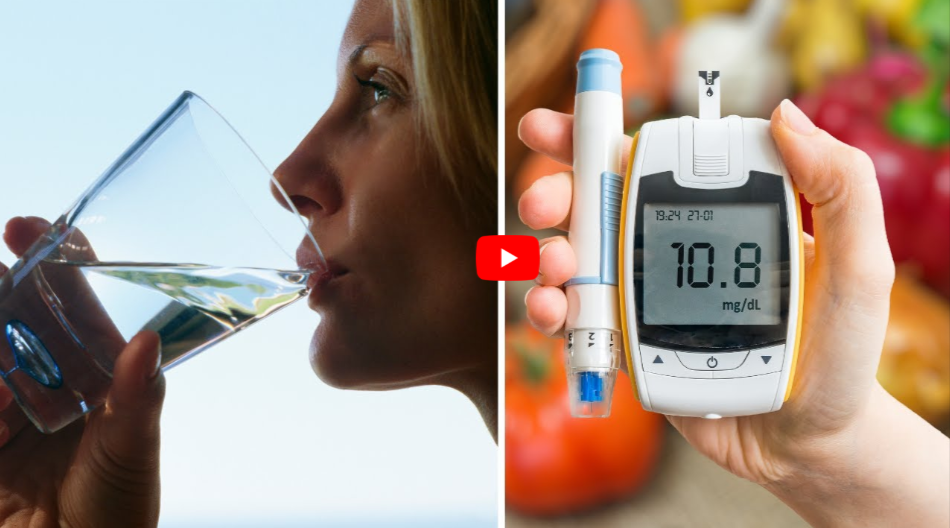
Blood glucose monitoring remains the only reliable way to assess effectiveness.
Warm Water Habit vs Proven Diabetes Strategies
| Approach | Scientific Support | Effectiveness |
|---|---|---|
| Warm water habit | Limited | Supportive only |
| Balanced diet | Strong | High |
| Regular exercise | Strong | High |
| Medication | Very strong | Essential |
| Stress management | Moderate | Helpful |
Warm water should be viewed as a complementary habit—not a core treatment strategy.
Who Should Be Careful With Warm Water Practices?
Warm water is generally safe, but caution is needed for:
-
People with kidney disease
-
Those with digestive ulcers
-
Individuals with swallowing difficulties
Extremely hot water should be avoided, as it may damage the throat or stomach lining.
Best Way to Use Warm Water Safely
If you choose to include warm water in your routine, follow these guidelines:
Safe Practice Tips
-
Use lukewarm, not hot, water
-
Drink 1 glass in the morning if comfortable
-
Maintain regular hydration throughout the day
-
Do not rely on warm water alone for glucose control
Consistency in medical care matters more than water temperature.
Lifestyle Habits That Actually Help Manage Diabetes
Warm water may complement—but not replace—proven strategies.
Evidence-Based Diabetes Management
-
Balanced, low-glycemic diet
-
Regular physical activity
-
Weight management
-
Quality sleep
-
Stress reduction
-
Medication adherence
These habits have strong scientific support.
Expert Medical Opinions
Most healthcare professionals agree:
-
Hydration is important
-
Warm water can improve comfort
-
Claims of blood sugar “cures” are exaggerated
No reputable medical authority endorses the warm water trick as a treatment for diabetes.
Final Verdict
The warm water trick for diabetes is best understood as a supportive wellness habit, not a treatment.
Drinking warm water may improve hydration, digestion, and comfort, which can indirectly support overall metabolic health. However, it does not lower blood sugar on its own and cannot replace medication, diet, or exercise.
People with diabetes should view warm water as a small lifestyle addition—not a solution. Sustainable blood sugar control comes from evidence-based medical care, healthy nutrition, physical activity, and regular monitoring.
When used responsibly, warm water can be part of a healthy routine—but expectations must remain realistic.
References Link
- https://en.wikipedia.org/wiki/Diabetes
- https://www.webmd.com/diabetes/natural-remedies-type-2-diabetes
- https://www.healthline.com/nutrition/14-ways-to-lower-blood-sugar
- https://www.mayoclinic.org/diseases-conditions/diabetes/diagnosis-treatment/drc-20371451
.
About Us