Honey Trick for Eyes: Natural Care for Clear, Healthy Vision
Eye health is often overlooked until discomfort begins. In today’s screen-dominated lifestyle, issues such as eye dryness, redness, irritation, and fatigue have become increasingly common.
Many people are now turning to natural remedies to support eye comfort, and one such remedy gaining attention is the honey trick for eyes.
Honey has been used in traditional medicine for centuries due to its healing and protective qualities. When used carefully and correctly, honey may offer soothing benefits for tired and irritated eyes.
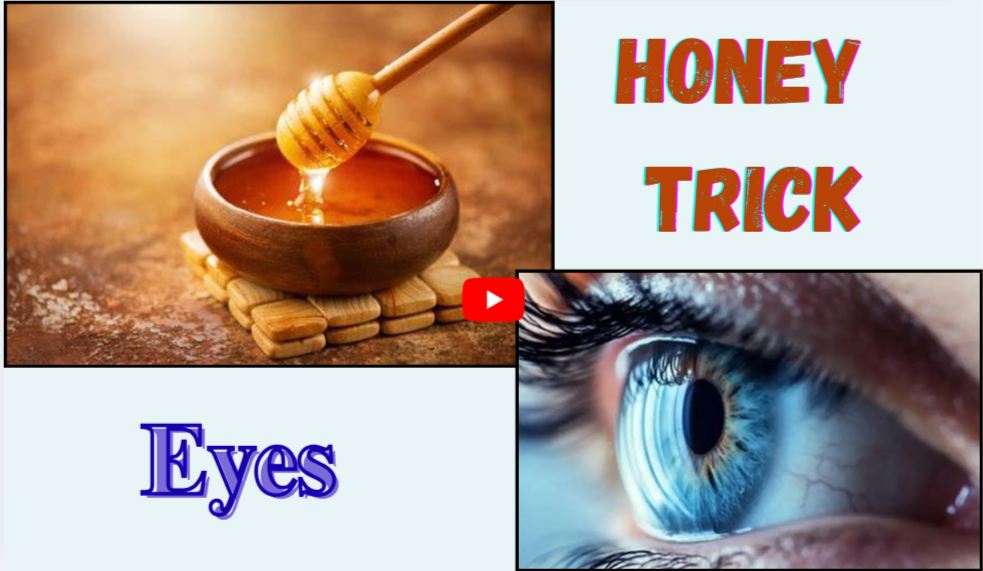

The honey trick for eyes uses raw honey’s natural antibacterial and soothing properties to help relieve dryness, redness, and eye strain naturally.
This article explores how honey works, why it has gained popularity, how it can be used safely, and what science says about its effectiveness.
Understanding Why Eye Health Matters
Eyes are among the most sensitive organs in the human body. They are constantly exposed to environmental stressors such as pollution, digital screens, allergens, and artificial lighting. Over time, this exposure may lead to discomfort and reduced visual clarity.
Maintaining eye health is essential not only for clear vision but also for overall quality of life. Natural methods that support eye comfort are often used alongside proper nutrition, rest, and medical care.
What Is the Honey Trick For Eyes?
The honey trick for eyes refers to the careful use of pure, raw honey to help soothe eye discomfort.
Historically, honey has been used in diluted forms in traditional practices for its antimicrobial and moisturizing properties.
Honey is known for its natural enzymes, antioxidants, and antibacterial compounds. These qualities have sparked interest in its potential role in gentle eye care when applied safely and responsibly.
Why Honey Is Considered Beneficial for Eyes
Honey contains several natural components that may support eye comfort:
1. Natural Antibacterial Properties
Honey produces hydrogen peroxide and contains bioactive compounds that help inhibit harmful microorganisms.
This antibacterial action may help reduce irritation caused by environmental contaminants.
2. Anti-Inflammatory Effects
Honey has been studied for its ability to calm inflammation.
Reducucing inflammation may help ease redness and discomfort around the eyes.
3. Moisturizing Capability
Honey is a natural humectant, meaning it helps retain moisture.
Proper moisture levels are essential for relieving dry and tired eyes.
4. Antioxidant Support
Antioxidants protect cells from oxidative stress.
Antioxidants may support long-term eye health by reducing damage caused by free radicals.
Common Eye Issues People Use Honey For
Many individuals explore natural remedies like honey to support eye comfort in everyday situations.
| Eye Concern | How Honey May Help |
|---|---|
| Dry eyes | Helps retain moisture |
| Redness | Soothing and calming effect |
| Eye strain | May reduce irritation |
| Minor irritation | Antibacterial support |
It is important to understand that honey is not a replacement for medical treatment.

Types of Honey Suitable for Eye Use
Not all honey is appropriate for eye-related applications. Choosing the right type is critical.
Raw Organic Honey
Raw honey is unprocessed and retains beneficial enzymes.
This type is preferred because it contains fewer additives.
Manuka Honey
Manuka honey is known for its strong antibacterial properties.
Medical-grade Manuka honey is sometimes used in clinical research.
Medical-Grade Honey
Specially sterilized honey products are designed for medical use.
These products are safer than kitchen honey for sensitive applications.
How the Honey Trick For Eyes Is Commonly Used
Diluted Honey Eye Rinse
A commonly discussed method involves diluting honey with sterile water. Dilution is essential to reduce irritation and maintain safety.
General steps often mentioned in traditional contexts include:
-
Use sterile or distilled water
-
Mix a very small amount of honey
-
Ensure complete dissolution
-
Apply carefully and gently
This practice should only be considered after consulting a healthcare professional.
Honey Trick For Eyes and Digital Eye Strain
Prolonged screen exposure is one of the most common causes of modern eye discomfort. Continuous focus on digital screens reduces blinking frequency, leading to dryness and irritation.
Natural remedies like honey are often explored to help soothe eye strain caused by long screen hours. Its moisturizing and calming properties may support tired eyes when used correctly and safely.
While it cannot reverse screen damage, it may provide short-term comfort when paired with screen breaks and proper lighting.
Signs Your Eyes May Need Natural Soothing Support
Not all eye discomfort requires medication, but recognizing early signs is important.
Common signs of eye fatigue include:
-
Burning or stinging sensation
-
Mild redness
-
Dry or gritty feeling
-
Blurred vision after screen use
-
Increased sensitivity to light
Ignoring these signs may worsen discomfort over time, making preventive care essential.
How Honey Compares to Other Natural Eye Remedies
Many natural substances are discussed for eye comfort, but each works differently.
| Natural Remedy | Primary Benefit | Limitation |
|---|---|---|
| Honey | Antibacterial and moisturizing | Requires careful dilution |
| Rose water | Cooling and refreshing | Short-term effect |
| Aloe vera | Anti-inflammatory | Not suitable for direct eye use |
| Cold compress | Reduces puffiness | Temporary relief |
Honey stands out due to its antibacterial and moisture-retaining qualities, though safety precautions are critical.
Best Practices Before Trying Honey for Eye Comfort
Preparation and hygiene play a major role in preventing irritation.
Before considering any honey-based eye practice:
-
Wash hands thoroughly
-
Use sterile water only
-
Choose raw or medical-grade honey
-
Avoid touching the eye surface directly
Clean preparation significantly reduces the risk of eye infections.
Honey Trick For Eyes and Seasonal Eye Allergies
Seasonal allergies can cause itching, redness, and watery eyes. Environmental allergens trigger inflammation that leads to discomfort.
Honey’s natural anti-inflammatory properties may help calm mild allergy-related irritation. However, it does not treat allergic reactions and should not be used during active infections or severe allergy flare-ups.
How Often Is Natural Eye Care Considered Safe?
Moderation is essential when exploring natural eye remedies.
| Frequency | Recommended Status |
|---|---|
| Daily use | Not recommended |
| Occasional use | Safer with guidance |
| Long-term use | Requires professional advice |
Overuse may cause sensitivity rather than relief, making restraint essential.
Safety Precautions You Must Know
Eye safety should always come first. Using honey improperly may cause harm rather than benefit.
Important Safety Guidelines
-
Never apply undiluted honey directly into the eyes
-
Avoid use if you have eye infections or injuries
-
Do not use non-sterile products
-
Stop immediately if irritation occurs
Medical advice is essential before trying any eye-related home remedy.
What Science Says About Honey and Eye Health
Scientific research has explored honey’s role in wound healing and antimicrobial protection. Some studies have examined honey-based eye preparations under medical supervision.
Research suggests honey may help inhibit bacterial growth and reduce inflammation. However, most studies emphasize the use of medical-grade honey rather than household honey.
Benefits Compared to Chemical Eye Drops
Many commercial eye drops contain preservatives that may irritate sensitive eyes.
Natural options like honey are often explored to avoid harsh chemicals.
| Feature | Honey | Conventional Drops |
|---|---|---|
| Preservatives | No | Often yes |
| Antibacterial | Natural | Chemical |
| Moisturizing | Yes | Yes |
| Shelf stability | Low | High |
Both options have benefits and limitations.
Who Should Avoid the Honey Trick For Eyes
Certain individuals should not attempt this method.
Avoid honey-based eye remedies if you:
-
Have known allergies to honey or pollen
-
Wear contact lenses
-
Have chronic eye conditions
-
Recently had eye surgery
Professional guidance is always recommended.
Supporting Eye Health Naturally
Using honey alone is not enough to maintain eye health.
Healthy vision depends on consistent daily habits.
Key Eye-Friendly Practices
-
Take regular screen breaks
-
Maintain proper hydration
-
Eat antioxidant-rich foods
-
Get adequate sleep
-
Wear protective eyewear
Nutrition and Eye Health
Certain nutrients are essential for eye function.
| Nutrient | Benefit |
|---|---|
| Vitamin A | Supports vision clarity |
| Omega-3 | Reduces dryness |
| Lutein | Protects retina |
| Zinc | Supports night vision |
Nutrition works synergistically with natural care practices.
When to See a Doctor
Seek medical help if you experience:
-
Persistent eye pain
-
Blurred vision
-
Discharge or swelling
-
Sensitivity to light
Delaying professional care may worsen eye conditions.
Final Thoughts
The honey trick for the eyes has gained popularity due to honey’s natural antibacterial and soothing properties.
When used responsibly and under professional guidance, it may support eye comfort and hydration.
However, it is not a cure, nor should it replace medical treatments. Eye health requires careful attention, proper hygiene, and expert advice.
Natural remedies can complement healthy habits, but safety must always remain the top priority.
References Link
- Honey
https://www.webmd.com/vitamins/ai/ingredientmono-738/honey
- Honey in Eyes
https://www.healthline.com/health/honey-in-eyes
- The Efficacy of Honey Drop
https://pmc.ncbi.nlm.nih.gov/articles/PMC3953621/
.
.
About Us