Spoon Trick for Tinnitus: Does This Simple Method Work?
Tinnitus is a condition that affects millions of people worldwide, causing persistent ringing, buzzing, or humming sounds in the ears. While medical treatments exist, many individuals turn to natural and alternative remedies in search of relief.
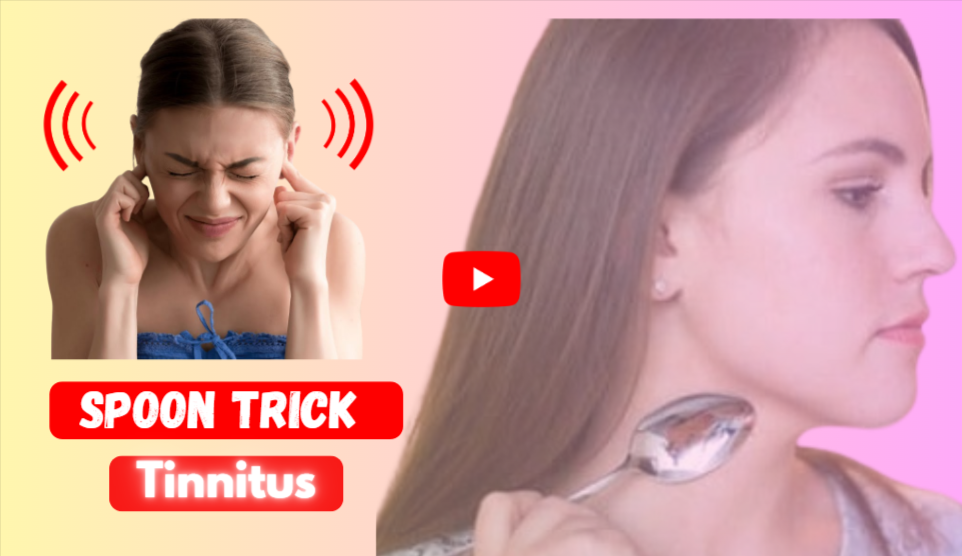

One such trending method is the spoon trick for tinnitus, a simple technique that has gained popularity through social media and wellness forums.
The spoon trick for tinnitus is a viral relaxation technique believed to reduce ringing by calming nerves and improving blood flow, though scientific proof is limited.
This article explores the spoon trick in depth—how it works, why people believe in it, its potential benefits, limitations, scientific perspectives, and complementary lifestyle strategies for managing tinnitus.
Understanding Tinnitus
Tinnitus is not a disease but a symptom of underlying conditions. It occurs when the auditory system sends signals to the brain without an external sound source.
Common Causes of Tinnitus
-
Exposure to loud noises
-
Age-related hearing loss
-
Earwax blockage
-
Ear infections
-
Head or neck injuries
-
Stress and anxiety
-
High blood pressure
-
Certain medications
Tinnitus can be temporary or chronic, mild or severe, and may affect one or both ears. The severity often depends on its underlying cause.
What Is the Spoon Trick for Tinnitus?
The spoon trick is a simple physical relaxation method that involves gently tapping or placing a spoon on specific areas around the ears, neck, or skull.
The idea behind this technique is to stimulate nerves, improve circulation, and relax tense muscles that may contribute to tinnitus perception.
It does not involve medication, devices, or complex steps—just a regular metal spoon and a few minutes of focused practice.
Why the Spoon Trick Became Popular
The spoon trick gained attention due to:
-
Viral social media videos
-
Claims of instant tinnitus relief
-
Its simplicity and zero cost
-
Growing interest in non-invasive remedies
People suffering from tinnitus are often willing to try safe, low-risk methods, especially when conventional treatments offer limited relief.
How to Perform the Spoon Trick for Tinnitus
While variations exist, the most common method follows these steps:
Step-by-Step Method
-
Sit comfortably in a quiet place.
-
Hold a metal spoon by the handle.
-
Gently tap or press the rounded back of the spoon behind the ears.
-
Move slowly toward the base of the skull and upper neck.
-
Breathe deeply and relax your jaw and shoulders.
-
Continue for 1–3 minutes.
-
Repeat once or twice daily.
Gentle pressure is essential—this technique should never cause pain.
Theoretical Explanation Behind the Spoon Trick
There is no direct medical study confirming the spoon trick’s effectiveness, but several theories may explain why some people feel relief.
Possible Mechanisms
-
Nerve stimulation: Light tapping may stimulate the vagus or auditory nerves.
-
Muscle relaxation: Reduces tension in the neck and jaw.
-
Improved blood flow: Enhances circulation near the ear.
-
Sensory distraction: Redirects focus away from tinnitus sounds.
-
Stress reduction: Calms the nervous system.
Stress and anxiety significantly worsen tinnitus, and relaxation alone can reduce symptom intensity.
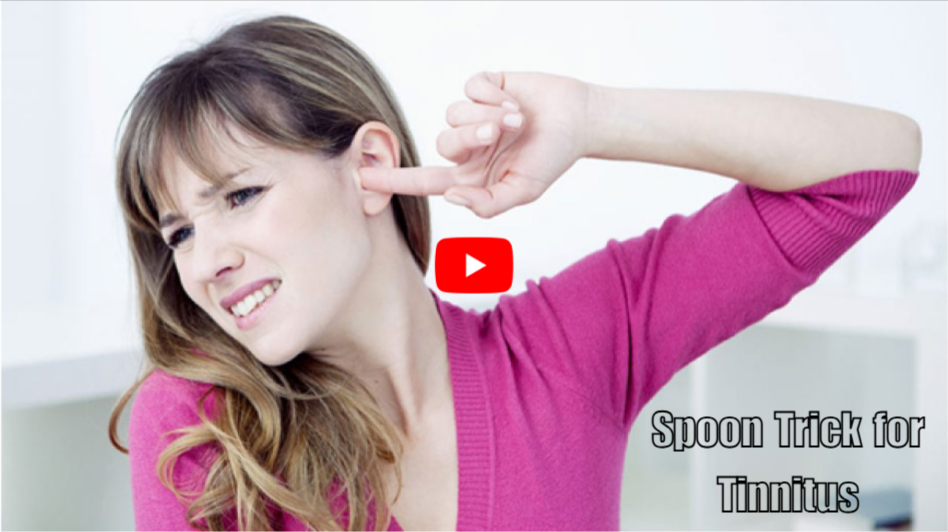
Scientific Perspective on the Spoon Trick
Currently, no clinical trials support the spoon trick as a proven tinnitus treatment.
However, similar principles exist in evidence-based therapies such as:
-
Acupressure
-
Massage therapy
-
Somatic tinnitus techniques
-
Neuromodulation approaches
The spoon trick may act as a placebo or relaxation tool, which can still provide perceived relief without harm.
Benefits of the Spoon Trick for Tinnitus
While results vary, reported benefits include:
-
Temporary reduction in ringing
-
Improved relaxation
-
Better sleep quality
-
Reduced stress-related flare-ups
-
Increased sense of control over symptoms
Any technique that safely promotes calmness may indirectly help tinnitus management.
Limitations and Risks
Despite its simplicity, the spoon trick has limitations:
-
No permanent cure
-
Effects are temporary
-
Not effective for all tinnitus types
-
Should not replace medical evaluation
If tinnitus is sudden, severe, or accompanied by hearing loss or dizziness, medical attention is essential.
Does the Spoon Trick for Tinnitus Work Instantly?
The spoon trick for tinnitus does not guarantee instant relief, but some people report a short-term reduction in ringing immediately after trying it.
This effect is usually linked to muscle relaxation, improved circulation, and stress reduction, rather than a direct impact on the auditory system.
For others, results may be subtle or noticeable only after repeated use. Tinnitus perception varies greatly from person to person, depending on its cause, stress levels, and overall health. While instant results are possible for a few, most people experience it as a calming technique rather than a quick fix.
Consistency and realistic expectations are key when using simple, non-medical tinnitus methods.
Who May Benefit the Most?
The spoon trick may be more helpful for individuals whose tinnitus is linked to:
-
Stress or anxiety
-
Muscle tension in the neck or jaw
-
Mild or intermittent symptoms
-
Sleep-related tinnitus flare-ups
Those with structural ear damage or neurological conditions may experience limited benefit.
Comparing the Spoon Trick to Other Natural Methods
Spoon Trick vs. Acupressure
-
Spoon trick uses external stimulation
-
Acupressure targets specific points
-
Both aim to calm nerves
Spoon Trick vs. Sound Therapy
-
Sound therapy masks tinnitus
-
Spoon trick aims to reduce perception
-
Sound therapy has stronger clinical support
Spoon Trick vs. Meditation
-
Meditation trains brain response
-
Spoon trick offers physical relaxation
-
Combining both may enhance results
Complementary Lifestyle Strategies
Using the spoon trick alone may not be enough. A holistic approach often yields better results.
Lifestyle Changes That Help Tinnitus
-
Manage stress daily
-
Reduce caffeine and alcohol intake
-
Avoid loud noise exposure
-
Maintain healthy blood pressure
-
Practice jaw and neck stretches
-
Get adequate sleep
Consistency matters more than any single technique.
Diet and Tinnitus Connection
Certain foods may influence tinnitus symptoms.
Potentially Helpful Foods
-
Magnesium-rich foods
-
Omega-3 fatty acids
-
Fresh fruits and vegetables
-
Adequate hydration
Foods That May Worsen Symptoms
-
Excess salt
-
Processed foods
-
Artificial sweeteners
-
High caffeine intake
Can the Spoon Trick Cure Tinnitus?
No. The spoon trick does not cure tinnitus.
However, it may provide short-term relief or symptom management for some individuals.
Tinnitus management focuses on reducing perception and improving quality of life, not eliminating sound.
Expert Opinions on Alternative Tinnitus Remedies
Most medical professionals agree that:
-
There is no universal tinnitus cure
-
Alternative methods may help some people
-
Safety and consistency are key
-
Expectations should remain realistic
Low-risk techniques are acceptable as supportive tools when combined with professional care.
When to Seek Medical Help
Consult a healthcare provider if tinnitus:
-
Appears suddenly
-
Is accompanied by hearing loss
-
Causes severe anxiety or depression
-
Interferes with daily functioning
Self-care techniques should never delay proper diagnosis.
Final Thoughts
About Us