
Dr. Berg’s Best Remedy for Dry Skin and Wrinkles: Does It Work?
Dry skin and wrinkles are two common skin concerns that often become more noticeable with age. Dr. Berg’s skincare recommendations focus on supporting skin hydration, improving nutritional intake, and maintaining healthy skin through simple daily habits.
One of his highlighted remedies is hyaluronic acid, which helps attract and retain moisture. Dry skin and wrinkles are not exactly the same problem.
Dry skin occurs when the skin loses too much water or struggles to maintain sufficient moisture. Wrinkles develop through several processes, including collagen breakdown, reduced elasticity, repeated facial movements, and environmental damage.

👉 DON’T TRY THIS “DR. BERG’S BEST REMEDY FOR DRY SKIN AND WRINKLES” UNTIL YOU SEE THIS
Understanding these differences can help you choose a skincare routine that addresses both concerns without relying on exaggerated online claims.
What Is Dr. Berg’s Best Remedy for Dry Skin and Wrinkles?
Dr. Eric Berg has discussed several natural approaches to improving dry skin and maintaining a youthful-looking appearance.
In his video about dry and wrinkled skin, he highlights hyaluronic acid as a leading remedy for improving skin hydration.
Hyaluronic acid is a naturally occurring substance found in the skin and other tissues. Its primary function is to attract and retain water, helping maintain moisture and skin hydration.
Dr. Berg also discusses topical hyaluronic acid and dietary approaches to supporting skin health.
His recommendations include:
- Using topical hyaluronic acid to improve skin hydration.
- Considering oral hyaluronic acid as a supplement.
- Supporting skin health through a nutrient-rich diet.
- Maintaining healthy habits that help protect the skin.
These suggestions are worth understanding, but they should not be interpreted as a guaranteed wrinkle treatment. Hyaluronic acid primarily improves hydration rather than rebuilding lost collagen or permanently removing established wrinkles.
How Does Hyaluronic Acid Help Dry Skin?
Hyaluronic acid is a humectant, meaning it attracts water and helps keep moisture within the skin’s surface layers.
As people age, the natural composition of their skin changes. The skin may produce less of certain substances that contribute to hydration, firmness, and elasticity.
Hyaluronic acid can help address some visible effects of dehydration by:
- Attracting water to the outer layers of the skin.
- Improving the appearance of dry and rough areas.
- Making fine dehydration lines look less noticeable.
- Supporting smoother, softer skin texture.
- Helping the skin maintain a hydrated appearance.
One important point is that hyaluronic acid primarily improves hydration. It does not directly reverse the biological aging process.
Topical vs. Oral Hyaluronic Acid: Which Is Better?
Hyaluronic acid is available in different forms, including creams, serums, and dietary supplements.
Topical hyaluronic acid
Topical products are applied directly to the skin. They can help improve surface hydration and temporarily reduce the appearance of fine lines associated with dryness.
For best results:
- Clean your face using a gentle cleanser.
- Leave your skin slightly damp.
- Apply a small amount of hyaluronic acid serum.
- Follow with a moisturizer to help reduce moisture loss.
- Apply sunscreen during the daytime.
Oral hyaluronic acid
Oral supplements are designed to provide hyaluronic acid through the digestive system. Some clinical studies suggest that oral supplementation may improve skin hydration and elasticity, but the evidence is still developing.
Dr. Berg mentions 200 mg daily in his discussion. This is his suggested amount, not a universally established medical dosage. Anyone considering supplementation should review the product and discuss potential risks with a healthcare professional.
Neither form should be expected to reverse significant skin aging.
Other Natural Remedies Dr. Berg Discusses for Dry Skin
Hyaluronic acid is not the only ingredient discussed in natural skincare recommendations. Other options include:
1. Vitamin E
Vitamin E is an antioxidant that helps protect cells from oxidative damage. It is naturally present in the skin and plays a role in maintaining normal skin function.
Vitamin E-containing moisturizers may help soften dry skin. However, applying vitamin E oil directly does not guarantee wrinkle reduction, and some people experience irritation or allergic reactions.
2. Coconut Oil
Coconut oil contains fatty acids that can help soften dry skin and reduce moisture loss.
It may be useful for particularly dry areas, such as elbows, legs, and hands. However, it can clog pores in some individuals, making it less suitable for acne-prone facial skin.
3. Beef Tallow
Beef tallow has gained attention on social media as a natural skincare moisturizer.
Its fatty composition can help soften the skin and reduce water loss. However, there is insufficient clinical evidence that beef tallow reverses wrinkles or stimulates collagen production.
It may also contribute to clogged pores and irritation in certain individuals. Natural does not automatically mean safer or more effective.
4. Lanolin
Lanolin is a wax-like substance derived from sheep’s wool. It works as an emollient and helps reduce moisture loss.
It can be useful for rough, dry hands and other areas that need extra protection. However, people with sensitive skin should be cautious because lanolin can trigger contact allergies.
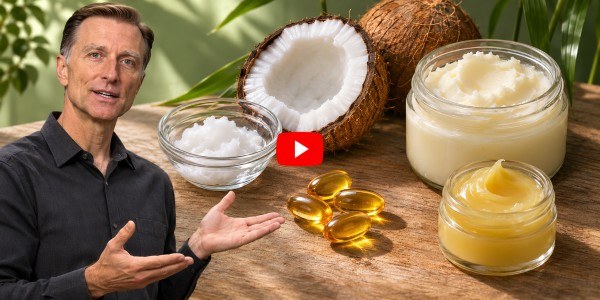
👉 DON’T TRY THIS “DR. BERG’S BEST REMEDY FOR DRY SKIN AND WRINKLES” UNTIL YOU SEE THIS
Can Diet Improve Dry Skin and Wrinkles?
Dr. Berg also emphasizes the importance of internal health when discussing skin appearance. A balanced diet provides nutrients that support normal skin structure, repair, and barrier function.
Some particularly important nutrients include:
| Nutrient | Role in Skin Health |
| Vitamin C | Supports normal collagen production |
| Vitamin A | Supports skin cell growth and maintenance |
| Vitamin E | Provides antioxidant protection |
| Omega-3 fatty acids | Support normal skin barrier function |
| Zinc | Supports normal tissue repair |
| Protein | Provides amino acids needed for skin structure |
A healthy eating pattern can include:
- Eggs, fish, and lean protein sources.
- Avocados, nuts, and seeds.
- Colorful vegetables and fruits.
- Fatty fish containing omega-3 fatty acids.
- Adequate water throughout the day.
Dr. Berg also discusses low-carbohydrate eating patterns and reducing highly processed foods. However, there is no strong evidence that eliminating all seed oils or following a ketogenic diet is necessary to prevent wrinkles.
A varied, nutrient-dense diet is generally a more sustainable starting point.
What Is the Best Daily Skincare Routine for Dry Skin and Wrinkles?
A consistent skincare routine is often more useful than trying several trending remedies at once. Here is a simple routine that combines hydration and skin protection.
Morning Routine
- Wash your face with a gentle, fragrance-free cleanser.
- Apply a hyaluronic acid serum while your skin is slightly damp.
- Use a moisturizer containing glycerin, ceramides, or hyaluronic acid.
- Finish with broad-spectrum SPF 30 or higher sunscreen.
Evening Routine
- Remove makeup and sunscreen with a gentle cleanser.
- Apply a hydrating serum if needed.
- Use a nourishing moisturizer.
- Apply a little petroleum jelly to particularly dry areas if appropriate for your skin type.
Regular moisturizing and sun protection are important steps for maintaining healthier-looking skin.
Can Hyaluronic Acid Actually Reduce Wrinkles?
Yes, hyaluronic acid may help reduce the appearance of certain fine lines, particularly those associated with dehydration.
Some clinical research has investigated oral hyaluronic acid supplementation.
For example, a randomized, double-blind study involving 129 female participants found improvements in skin hydration following oral supplementation.
Other research has also reported potential improvements in skin hydration, elasticity, and the appearance of wrinkles.
However, these findings do not mean every supplement will produce the same results. Studies differ in formulation, dosage, duration, and participants. More research is needed to establish long-term benefits.
Common Myths About Dry Skin and Wrinkles
Several skincare claims circulating online can create unrealistic expectations.
Myth 1: Drinking more water removes wrinkles.
Drinking enough water supports normal body function, but drinking excessive amounts does not directly eliminate established wrinkles.
Myth 2: Natural oils are always better than moisturizers.
Natural oils may soften the skin, but some can clog pores or cause irritation. A properly formulated moisturizer may offer more reliable results.
Myth 3: Hyaluronic acid reverses aging.
Hyaluronic acid supports hydration and can temporarily improve the appearance of fine lines. It does not reverse the biological aging process.
Myth 4: Expensive skincare products work better.
Price does not automatically determine effectiveness. Basic products containing proven moisturizing ingredients can be very effective.
Myth 5: Sunscreen is only necessary during summer.
UV exposure can contribute to premature skin aging throughout the year. Daily sun protection is an important preventive measure.
Common Mistakes to Avoid When Treating Dry Skin
Even beneficial skincare ingredients may not work well when used incorrectly.
Avoid these common mistakes:
- Washing your face repeatedly with harsh cleansers.
- Taking long, hot showers that remove natural skin oils.
- Applying hyaluronic acid without following it with moisturizer.
- Using multiple strong active ingredients simultaneously.
- Skipping sunscreen during cloudy weather.
- Trying several new products without testing for irritation.
- Assuming dietary supplements can replace a proper skincare routine.
If your skin becomes irritated, simplify your routine and allow it to recover.
Safety Information and Possible Side Effects
Hyaluronic acid is generally well tolerated when used in appropriately formulated topical skincare products. However, some products contain fragrances, preservatives, or other ingredients that may cause irritation.
Oral supplements require additional consideration. People who are pregnant, breastfeeding, taking medications, or managing existing medical conditions should consult a healthcare professional before starting a supplement.
Other ingredients also have specific precautions:
- Vitamin E: May cause contact dermatitis in sensitive individuals.
- Coconut oil: Can contribute to clogged pores in acne-prone skin.
- Beef tallow: May aggravate breakouts or irritation.
- Lanolin: Can trigger allergic reactions in some people.
- Retinol: May cause dryness, redness, and peeling. It should be avoided during pregnancy.
If dry skin persists despite regular moisturizing, or if you experience severe itching, cracking, redness, or bleeding, consult a dermatologist. Persistent dryness can sometimes indicate an underlying skin condition.
What Is the Best Proven Approach to Prevent Wrinkles?
Although Dr. Berg highlights hyaluronic acid, dermatological guidance emphasizes a combination of hydration and prevention.

👉 DON’T TRY THIS “DR. BERG’S BEST REMEDY FOR DRY SKIN AND WRINKLES” UNTIL YOU SEE THIS
Three important steps include:
- Daily sunscreen: Helps protect against UV-related collagen damage and premature skin aging.
- Regular moisturizing: Supports the skin barrier and reduces the appearance of dehydration lines.
- Appropriate anti-aging ingredients: Retinol and other retinoids may improve fine lines over time, although they can irritate dry or sensitive skin.
Start with sunscreen and moisturizer before introducing additional active ingredients. If you have persistent dryness, get professional guidance before trying retinoids.
Conclusion
Dr. Berg’s recommendation of hyaluronic acid is an interesting approach for people experiencing dry skin and dehydration-related wrinkles. Its ability to attract and retain moisture makes it a useful ingredient in many modern skincare products.
Topical hyaluronic acid can help improve skin hydration, while emerging research suggests that oral supplementation may also offer benefits for skin moisture and elasticity. Nevertheless, neither approach should be considered a guaranteed solution for deep wrinkles or permanent skin rejuvenation.
For the best overall results, combine a gentle skincare routine, a suitable moisturizer, daily sunscreen, and a balanced diet. Natural ingredients such as vitamin E, coconut oil, and lanolin may provide additional moisturizing support when appropriate for your skin type.
The final takeaway: Hyaluronic acid is worth considering for improving dry skin and making fine lines less noticeable, but consistent hydration, sun protection, and realistic expectations are the foundation of healthier-looking skin.
👉 DON’T TRY THIS “DR. BERG’S BEST REMEDY FOR DRY SKIN AND WRINKLES” UNTIL YOU SEE THIS
References
https://www.webmd.com/beauty/wrinkles
https://www.mayoclinic.org/diseases-conditions/dry-skin/symptoms-causes/syc-20353885
https://www.healthline.com/health/beauty-skin-care/how-to-use-hyaluronic-acid
.
About Us
