
Can Allergies Cause Shortness of Breath? Signs & Relief
Yes, allergies can cause shortness of breath, especially when pollen, dust mites, pet dander, or mold trigger inflammation in the airways.
Allergic asthma is a common cause of wheezing, chest tightness, coughing, or difficulty breathing after allergen exposure.
Seasonal allergies may also cause uncomfortable nasal congestion, making breathing feel restricted.
However, true breathlessness can indicate asthma, a severe allergic reaction, or another medical condition.
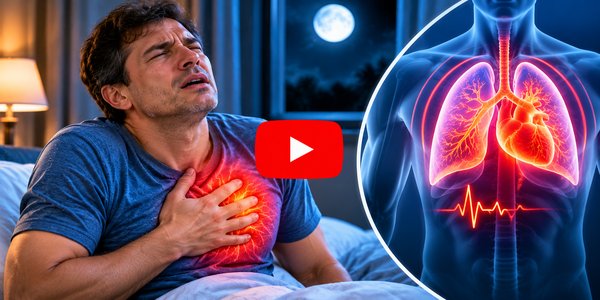
👉 DON’T TRY THIS “CAN ALLERGIES CAUSE SHORTNESS OF BREATH” UNTIL YOU SEE THIS
Understanding allergy-related breathing problems helps you recognize symptoms, identify triggers, explore effective treatments, and avoid misleading viral remedies.
How Do Allergies Cause Shortness of Breath?
Allergies occur when the immune system mistakenly reacts to harmless substances called allergens.
During exposure, immune cells release histamine and other inflammatory chemicals. These substances cause swelling, mucus production, and irritation.
In allergic asthma, inflammation affects the bronchial tubes, causing airway muscles to tighten. Narrowed airways restrict airflow and produce breathing difficulties.
This reaction explains why some people experience shortness of breath immediately after encountering allergens, while others develop symptoms gradually.
Common Allergies That Cause Breathing Problems
1. Seasonal Pollen Allergies
Tree, grass, and weed pollen can trigger seasonal allergies and asthma symptoms.
Breathlessness may worsen on high-pollen days, during outdoor exercise, or with prolonged exposure.
2. Dust Mite Allergies
Dust mites commonly accumulate in mattresses, pillows, carpets, and upholstered furniture.
Sensitive individuals may experience nighttime coughing, wheezing, or morning chest tightness.
3. Pet Dander Allergies
Proteins from animal skin flakes, saliva, and urine can trigger respiratory allergic reactions.
Symptoms may appear after visiting homes with pets or handling contaminated fabrics.
4. Mold Allergies
Mold spores thrive in damp bathrooms, basements, and poorly ventilated spaces.
Exposure may aggravate allergic asthma, particularly among individuals with existing respiratory sensitivity.
Symptoms of Allergy-Related Shortness of Breath
Common warning signs include:
- Wheezing or whistling while breathing.
- Chest tightness following allergen exposure.
- Persistent coughing, especially at night.
- Difficulty breathing during physical activities.
- Sneezing, itchy eyes, and nasal congestion.
- Repeated symptoms around particular environmental triggers.
Symptoms vary considerably. Some people experience mild discomfort, while others develop serious asthma attacks.
Can Seasonal Allergies Cause Shortness of Breath Without Asthma?
Seasonal allergic rhinitis primarily affects the nose, eyes, and throat.
Severe nasal congestion may make breathing through the nose difficult, creating a sensation of insufficient airflow.
However, genuine breathing difficulty involving the lungs is less typical of uncomplicated hay fever.
Repeated wheezing, chest tightness, or breathlessness during allergy season warrants evaluation for asthma or other respiratory conditions.
Allergies vs. Asthma: What’s the Difference?
Allergies involve immune reactions to specific substances. Asthma is a chronic inflammatory airway condition involving variable airflow obstruction.
Allergies can trigger asthma symptoms, but not everyone with allergies has asthma.
Asthma may also worsen because of exercise, respiratory infections, smoke, cold air, or pollution.
Doctors commonly use spirometry, medical history, and sometimes allergy testing to investigate breathing problems.

👉 DON’T TRY THIS “CAN ALLERGIES CAUSE SHORTNESS OF BREATH” UNTIL YOU SEE THIS
Can Allergies Cause Chest Tightness and Wheezing?
Yes. Allergic inflammation can narrow the lower airways, producing tightness, wheezing, and a feeling that breathing requires extra effort.
However, chest discomfort is not always allergy-related. Heart conditions, infections, blood clots, and anxiety can cause similar symptoms. New or unexplained chest pain deserves prompt medical assessment.
When Is Shortness of Breath an Emergency?
Anaphylaxis is a potentially life-threatening allergic reaction that may occur after foods, medications, or insect stings. It can develop rapidly, sometimes without a visible rash.
Seek emergency help immediately for throat swelling, fainting, severe wheezing, blue lips, or difficulty speaking.
If anaphylaxis is suspected, use prescribed epinephrine immediately and call emergency services. Antihistamines cannot replace epinephrine.
Severe asthma symptoms that do not respond to prescribed rescue treatment also require emergency care.
How to Relieve Shortness of Breath From Allergies
✅ Avoid Your Personal Triggers
Monitor pollen forecasts, close windows during high-exposure periods, shower after outdoor activities, and wash bedding regularly.
Use allergen-resistant bedding covers when dust mites are a problem. Address indoor moisture promptly to discourage mold growth.
✅ Choose Evidence-Based Treatment
Non-sedating antihistamines can reduce sneezing and itching. Intranasal corticosteroid sprays often help persistent nasal inflammation.
Neither treatment reliably opens constricted lung airways. Allergic asthma generally requires an individualized inhaler plan, often including inhaled corticosteroids.
Follow your clinician’s instructions rather than borrowing another person’s inhaler.
✅ Discuss Allergy Immunotherapy
Allergy shots or under-the-tongue tablets may reduce sensitivity to specific allergens over time. These options require professional assessment and are not immediate breathing treatments.
Viral Allergy Hacks: Which Ones Actually Help?
➢ Local Honey
Social media claims that local honey trains the immune system against pollen. Reliable clinical evidence does not establish honey as an effective seasonal allergy treatment.
➢ Steam Inhalation and Essential Oils
Steam may feel soothing temporarily, but hot water can burn skin. Fragrances and essential oils may irritate airways in people with asthma. Neither reverses an asthma attack.
➢ Saline Nasal Rinsing
Saline irrigation may ease congestion and remove nasal irritants. Always use distilled, sterile, or previously boiled and cooled water. Rinses treat nasal symptoms, not dangerous lung obstruction.
➢ Breathing Exercises
Slow breathing techniques may help manage distress, but they cannot replace rescue medication or emergency treatment. Avoid delaying medical care while attempting online breathing challenges.
👉 DON’T TRY THIS “CAN ALLERGIES CAUSE SHORTNESS OF BREATH” UNTIL YOU SEE THIS
Newer Approaches: Air Purifiers, Apps, and Biologics
Properly sized HEPA air purifiers can reduce some airborne indoor particles, although they cannot eliminate every allergen. Ventilation, cleaning, and moisture control remain important.
Pollen tracking apps and symptom diaries help identify exposure patterns.
For selected patients with severe asthma, specialists may prescribe targeted biologic medicines. These are not routine treatments for uncomplicated seasonal allergies.
How Long Does Allergy-Related Breathlessness Last?
Symptoms may improve after leaving an allergen-filled environment, but asthma inflammation can persist or recur. There is no universal recovery time.
Breathlessness that lasts hours, returns frequently, disturbs sleep, or worsens despite treatment needs professional assessment.
Can Allergies Make You Feel Breathless at Night?
Yes. Dust mite exposure in bedding, indoor pet allergens, and poorly controlled asthma may contribute to nighttime coughing or chest tightness.
Symptoms that wake you from sleep suggest your breathing condition needs review.
Should You Check Oxygen Levels at Home?
A pulse oximeter can provide additional information but cannot diagnose an allergy or exclude a serious asthma attack.
Normal readings do not guarantee that breathing is safe. Focus on symptoms and seek urgent help when breathing becomes difficult.
Conclusion
Allergies can cause shortness of breath through allergic asthma or, less commonly, a severe systemic reaction.
Nasal congestion can also make breathing uncomfortable, but unexplained lung symptoms require attention.
Identifying triggers, using appropriate treatment, and recognizing emergency warning signs offer a safer route to lasting symptom control.
Persistent breathlessness deserves a clinician’s assessment, not another viral shortcut.
👉 DON’T TRY THIS “CAN ALLERGIES CAUSE SHORTNESS OF BREATH” UNTIL YOU SEE THIS
References
- Wikipedia – Asthma: Causes, Symptoms, and Treatment
https://en.wikipedia.org/wiki/Asthma
- Healthline – Allergic Asthma: Causes, Symptoms, and Diagnosis
https://www.healthline.com/health/asthma/allergic-asthma
- PubMed – Allergic Rhinitis, Rhinosinusitis, and Asthma: Connections Across the Unified Airway
https://pubmed.ncbi.nlm.nih.gov/37735024/
About Us
