
How to Shrink Your Prostate Naturally: What Helps With BPH
An enlarged prostate can cause uncomfortable urinary symptoms, including frequent urination, a weak urine stream, difficulty starting urination, and waking up several times at night. The good news is that certain natural lifestyle changes may help manage these symptoms and support better prostate health.
If you are wondering how to shrink your prostate naturally, start with a balanced diet, regular physical activity, maintaining a healthy weight, limiting alcohol and caffeine, and developing healthy bladder habits.
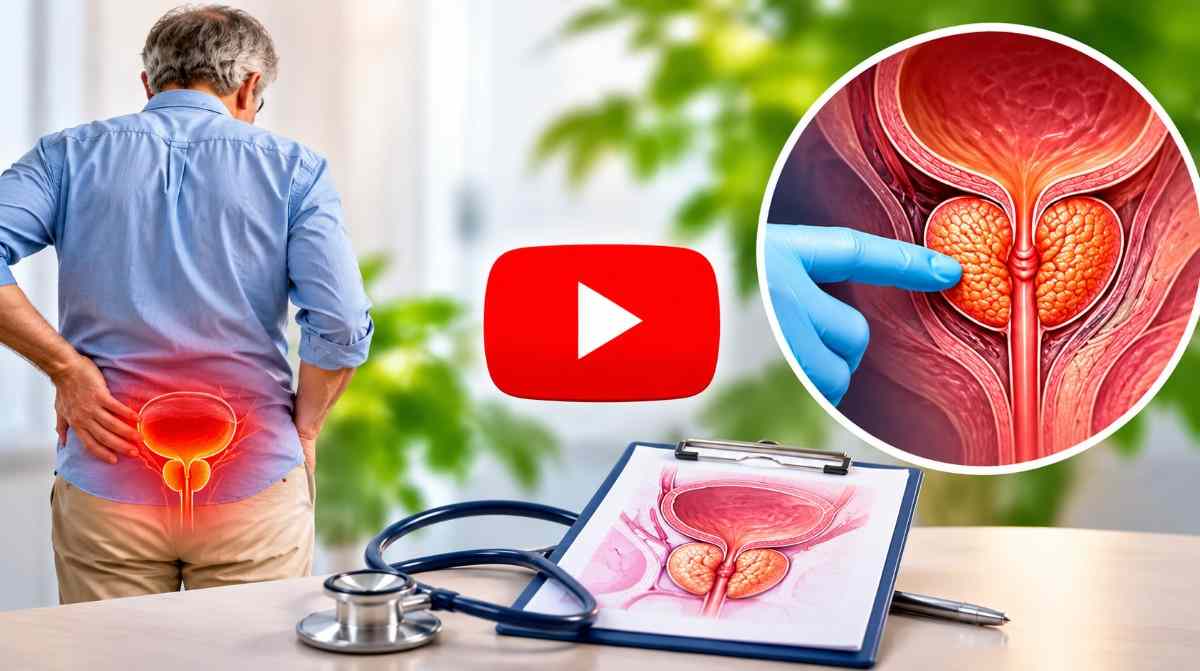
👉 DON’T TRY THIS “HOW TO SHRINK YOUR PROSTATE NATURALLY” UNTIL YOU SEE THIS
Learn how to ease enlarged prostate symptoms naturally, which home remedies lack evidence, and when treatments can shrink the prostate and improve urine flow.
However, it is important to understand that natural remedies do not reliably reduce prostate size. Most lifestyle approaches help manage symptoms rather than physically shrink an enlarged prostate. Medical evaluation is also important because urinary symptoms can have several causes.
This guide explores evidence-informed natural approaches, dietary choices, potential benefits, common misconceptions, and safety considerations to help you make informed decisions about prostate health.
What Is an Enlarged Prostate?
An enlarged prostate, medically known as benign prostatic hyperplasia (BPH), is a noncancerous condition in which the prostate gland gradually increases in size.
The prostate is a small gland located below the bladder and surrounding the urethra, the tube that carries urine out of the body. As the prostate grows, it can press against the urethra and make urination more difficult.
BPH becomes more common with age. Although it is not prostate cancer, it can affect everyday comfort, sleep quality, and urinary function.
Common Symptoms of an Enlarged Prostate
Some of the most frequently reported symptoms include:
- Frequent urination, particularly during nighttime.
- Difficulty starting urination.
- Weak or interrupted urine flow.
- Feeling that the bladder is not completely empty.
- Sudden or urgent need to urinate.
- Dribbling after urination.
- Difficulty maintaining a steady urine stream.
Importantly, prostate size does not always determine symptom severity. Some men with relatively large prostates experience few symptoms, while others with smaller enlargements experience significant urinary difficulties.
Can You Shrink Your Prostate Naturally?
Yes, natural lifestyle changes can support prostate health and help manage some symptoms associated with an enlarged prostate. However, there is currently no reliable natural remedy proven to significantly shrink an enlarged prostate.
A healthy diet, regular exercise, weight management, and better bladder habits may improve urinary comfort and overall well-being.
It is important to distinguish between reducing prostate size and relieving urinary symptoms. These are not the same thing.
For example, drinking less caffeine may reduce urinary urgency, but it does not physically reduce prostate tissue. Prescription medications such as finasteride and dutasteride can actually shrink the prostate in certain men, but they require medical supervision.
7 Natural Ways to Support Prostate Health
The following approaches focus on improving general health, supporting normal urinary function, and managing symptoms associated with benign prostate enlargement.
1. Eat More Vegetables and Fruits
A balanced diet rich in vegetables and fruits provides vitamins, minerals, fiber, and antioxidants that support overall health.
Colorful plant foods contain beneficial compounds that help protect cells against oxidative stress. Although these nutrients have not been proven to shrink an enlarged prostate, they are valuable components of a healthy eating pattern.
Consider including:
- Tomatoes, which contain lycopene.
- Broccoli and cauliflower, which provide beneficial plant compounds.
- Spinach and kale, which contain vitamins and antioxidants.
- Berries, which provide polyphenols.
- Carrots, which contain beta-carotene.
Tomatoes are particularly interesting because lycopene has been studied for its potential relationship with prostate health.
However, eating tomatoes or taking lycopene supplements should not be considered a treatment for BPH. The evidence does not establish that either approach reduces prostate size.
Practical tip: Include different-colored vegetables and fruits in your daily meals instead of depending on one particular food.
2. Include Healthy Fats in Your Diet
Healthy fats are important for maintaining normal body functions and supporting cardiovascular health.
Replacing excessive saturated fats with unsaturated fats can help create a more balanced eating pattern.
Good food choices include:
- Olive oil.
- Avocados.
- Walnuts.
- Almonds.
- Chia seeds.
- Flaxseeds.
- Fatty fish such as salmon and sardines.
Fatty fish contain omega-3 fatty acids, which are involved in normal inflammatory processes.
Although omega-3 foods can be part of a nutritious diet, there is insufficient evidence that they directly shrink an enlarged prostate.
Practical tip: Choose fish regularly, use olive oil in moderation, and include small portions of nuts and seeds in your meals.
3. Exercise Regularly
Physical activity is one of the most useful lifestyle habits for supporting long-term health.
A sedentary lifestyle and excess body weight are associated with several health conditions that may contribute to urinary problems.
Regular exercise supports cardiovascular function, improves metabolic health, and helps maintain a healthy weight.
Suitable activities include:
- Brisk walking.
- Swimming.
- Cycling, if comfortable.
- Light jogging.
- Strength training.
- Gentle stretching.
Aim for approximately 150 minutes of moderate-intensity physical activity each week, provided your health allows it.
Exercise is not a proven prostate-shrinking treatment, but staying active may support better overall health and reduce some factors associated with BPH.
Practical tip: Begin with a 20–30-minute walk most days and gradually increase your activity level.
👉 DON’T TRY THIS “HOW TO SHRINK YOUR PROSTATE NATURALLY” UNTIL YOU SEE THIS
4. Maintain a Healthy Body Weight
Excess body weight, particularly abdominal fat, is associated with metabolic changes that may influence urinary symptoms and prostate health.
Maintaining a healthy weight can improve insulin sensitivity, support cardiovascular health, and reduce the risk of conditions such as type 2 diabetes.
You do not need an extreme diet to achieve healthier weight management.
Instead, focus on:
- Eating appropriate portion sizes.
- Choosing whole grains over highly refined foods.
- Including protein with meals.
- Limiting sugary drinks.
- Eating more vegetables.
- Staying physically active.
Gradual and sustainable weight management is generally more beneficial than rapid weight-loss programs.
Practical tip: Focus on consistent daily habits rather than restrictive diets promising dramatic prostate changes.
5. Reduce Caffeine and Alcohol Consumption
Caffeine and alcohol can increase urinary frequency and urgency in some people.
Coffee, energy drinks, strong tea, and alcoholic beverages may make bladder symptoms more noticeable, especially in the evening.
Reducing these beverages may help improve sleep and decrease nighttime bathroom visits.
Consider these adjustments:
- Limit coffee and strong tea if they trigger symptoms.
- Reduce alcohol consumption.
- Avoid energy drinks, particularly late in the day.
- Choose water or non-irritating alternatives.
- Monitor which beverages make your symptoms worse.
Remember that reducing caffeine and alcohol helps manage urinary symptoms. It does not directly shrink prostate tissue.
Practical tip: Keep a simple record of your beverage intake and urinary symptoms to identify personal triggers.
6. Eat More Fiber-Rich Foods
Constipation can put additional pressure on the bladder and make existing urinary symptoms more uncomfortable.
Eating enough dietary fiber helps support regular bowel movements and digestive health.
Some excellent fiber-rich foods include:
- Oatmeal.
- Brown rice.
- Beans and lentils.
- Apples and pears.
- Broccoli.
- Carrots.
- Whole-grain bread.
- Chia seeds.
Fiber also supports healthy blood sugar levels and can contribute to better weight management.
Although fiber does not directly reduce prostate size, preventing constipation may make urinary symptoms easier to manage.
Practical tip: Increase fiber gradually and drink enough water throughout the day to support healthy digestion.

👉 DON’T TRY THIS “HOW TO SHRINK YOUR PROSTATE NATURALLY” UNTIL YOU SEE THIS
7. Develop Better Bladder Habits
Small changes in daily bathroom habits can make a meaningful difference for some men experiencing BPH symptoms.
Healthy bladder habits may help reduce urgency, improve comfort, and support more complete bladder emptying.
Try the following:
- Avoid holding urine for unnecessarily long periods.
- Take your time when urinating.
- Relax instead of straining.
- After urinating, wait briefly and try again to empty any remaining urine.
- Reduce fluid intake close to bedtime if nighttime urination is a problem.
- Maintain adequate hydration during the day.
This technique of waiting and attempting to urinate again is sometimes called double voiding.
Do not severely restrict your daily water intake. Dehydration can cause other health problems and may increase urinary irritation.
These habits manage symptoms rather than physically shrinking the prostate.
Best Foods to Include for Prostate Health
Food choices can contribute to a balanced diet that supports general prostate and metabolic health.
Here are some nutritious options worth including in your weekly meal plan.
| Food | Nutritional benefits |
| Tomatoes | Provide lycopene and vitamin C |
| Broccoli | Contains fiber and plant compounds |
| Pumpkin seeds | Provide zinc, magnesium, and healthy fats |
| Salmon | Contains omega-3 fatty acids |
| Walnuts | Provide unsaturated fats |
| Berries | Contain antioxidant compounds |
| Spinach | Provides folate and other nutrients |
| Lentils | Supply plant protein and fiber |
No single food has been proven to shrink an enlarged prostate. A varied, balanced eating pattern is a more sensible approach than relying on a so-called prostate superfood.
Do Natural Supplements Help Shrink an Enlarged Prostate?
Prostate health supplements are widely marketed online. Common ingredients include saw palmetto, beta-sitosterol, pygeum, pumpkin seed extract, and stinging nettle.
However, marketing claims should not be confused with established medical evidence.
➢ Saw palmetto: This is one of the most popular ingredients in prostate supplements. However, high-quality research has generally found that saw palmetto provides little or no meaningful improvement in BPH symptoms compared with a placebo.
➢ Beta-sitosterol: Some research suggests that beta-sitosterol may improve urinary symptoms and urine flow. However, evidence that it reduces prostate size is lacking.
➢ Pygeum: Extracts from African plum tree bark have been studied for urinary symptoms, but the available evidence is limited and does not establish a reliable prostate-shrinking effect.
➢ Pumpkin seed extract: Pumpkin seeds are nutritious, but evidence supporting concentrated extracts as an effective BPH treatment remains insufficient.
➢ Stinging nettle: This plant is frequently included in prostate formulas, sometimes alongside other ingredients. Evidence for its independent effectiveness is limited.
The American Urological Association notes that evidence for commonly marketed supplements is variable and does not support positive recommendations for their use as BPH treatments.
Safety consideration: Supplements can interact with prescription medications and may not have consistent ingredient quality. Speak with a healthcare professional before using them, particularly if you take medication or have an existing medical condition.
Natural Remedies for Prostate Health: Myths vs. Facts
Many online articles and social media videos promote quick ways to shrink an enlarged prostate. Unfortunately, some of these claims are exaggerated or unsupported by clinical research.
Understanding the difference between popular remedies and medically supported information can help prevent unnecessary risks.
| Popular claim | What science says |
| Apple cider vinegar shrinks the prostate | No reliable clinical evidence supports this claim. |
| Drinking tomato juice reverses BPH | Tomatoes provide lycopene, but they are not a proven BPH treatment. |
| Pumpkin seeds cure prostate enlargement | They provide useful nutrients, but a cure has not been established. |
| Saw palmetto dramatically reduces prostate size | High-quality studies have not demonstrated meaningful benefits. |
| Drinking more water shrinks the prostate | Hydration supports normal body functions but does not shrink prostate tissue. |
| Exercise completely reverses BPH | Exercise supports overall health but cannot reliably reverse prostate enlargement. |
The most important takeaway is that natural approaches can support urinary health, but no particular food, drink, or supplement should be promoted as a guaranteed cure.
👉 DON’T TRY THIS “HOW TO SHRINK YOUR PROSTATE NATURALLY” UNTIL YOU SEE THIS
Common Mistakes to Avoid When Managing an Enlarged Prostate
Some everyday habits may unintentionally make urinary symptoms worse.
Here are several mistakes worth avoiding:
- Drinking excessive fluids before bedtime: Large amounts of liquid late in the evening may increase nighttime urination.
- Ignoring persistent urinary symptoms: Frequent urination and weak urine flow should not automatically be dismissed as normal aging.
- Taking supplements without checking their ingredients: Some products contain ingredients that may interact with prescription medications.
- Avoiding physical activity: Spending most of the day sitting may contribute to poor metabolic health.
- Reducing water intake too much: Severe fluid restriction can cause dehydration and other complications.
- Delaying medical evaluation: Urinary symptoms may result from BPH, infection, bladder conditions, or other medical problems.
Making healthier choices is helpful, but avoiding these mistakes is equally important.
When Should You See a Doctor?
Although mild urinary symptoms can sometimes be managed with lifestyle adjustments, persistent or worsening symptoms deserve medical attention.
A healthcare professional may evaluate your symptoms, medical history, medication use, and prostate health.
Depending on your situation, the evaluation may include:
- A physical examination.
- A digital rectal examination.
- A urine test to check for infection or other abnormalities.
- A prostate-specific antigen (PSA) blood test when appropriate.
- Ultrasound or other tests to assess bladder emptying and prostate size.
Seek immediate medical attention if you:
- Cannot urinate at all.
- Notice blood in your urine.
- Experience painful urination accompanied by fever or chills.
- Develop severe lower abdominal or urinary tract pain.
These symptoms may indicate complications or another condition requiring prompt treatment.

👉 DON’T TRY THIS “HOW TO SHRINK YOUR PROSTATE NATURALLY” UNTIL YOU SEE THIS
Medical Treatments That Can Actually Shrink an Enlarged Prostate
If lifestyle changes are insufficient, medical treatments may offer more effective symptom relief. Unlike most natural remedies, certain prescription medications can reduce prostate size.
5-alpha-reductase inhibitors: Medications such as finasteride and dutasteride work by reducing the conversion of testosterone into dihydrotestosterone (DHT), a hormone involved in prostate growth. They can gradually shrink an enlarged prostate in appropriate patients.
Alpha-blockers: Medicines such as tamsulosin relax muscles around the prostate and bladder neck. They can improve urine flow but generally do not shrink the prostate.
Minimally invasive procedures and surgery: Depending on prostate size, symptoms, and complications, procedures may help remove or reduce excess prostate tissue.
Treatment decisions depend on symptom severity, prostate size, overall health, and individual preferences.
Conclusion
Learning how to shrink your prostate naturally starts with understanding the difference between supporting prostate health and actually reducing prostate size.
A balanced diet, regular exercise, maintaining a healthy weight, limiting caffeine and alcohol, eating fiber-rich foods, and developing better bladder habits can help manage urinary symptoms and support overall well-being.
Foods such as tomatoes, broccoli, salmon, berries, and pumpkin seeds can be valuable additions to a healthy eating pattern. However, no individual food, supplement, or home remedy has been proven to reliably shrink an enlarged prostate.
If you experience persistent urinary difficulties, consult a healthcare professional to identify the underlying cause and discuss appropriate treatment options.
Ultimately, the best approach is to combine healthy daily habits with evidence-based medical guidance. Natural lifestyle changes can support better urinary health, but they should never replace necessary medical treatment.
👉 DON’T TRY THIS “HOW TO SHRINK YOUR PROSTATE NATURALLY” UNTIL YOU SEE THIS
References
https://www.healthline.com/health/enlarged-prostate/natural-remedies
https://www.webmd.com/men/prostate-enlargement-bph/what-is-the-prostate
https://www.mayoclinic.org/diseases-conditions/prostate-cancer/symptoms-causes/syc-20353087
.
About Us
