
7 Best Supplements for Muscle Pain and Stiffness (2026)
Muscle pain and stiffness can make everyday activities, exercise, and physical movement uncomfortable. Whether caused by strenuous workouts, nutritional deficiencies, aging, or inflammation-related conditions, finding the right approach to muscle recovery is important.
The 7 best supplements for muscle pain and stiffness include magnesium, vitamin D, omega-3 fatty acids, curcumin, ginger, tart cherry, and protein supplements. Each supports a different aspect of muscle health, from normal muscle function and nutritional balance to exercise recovery.
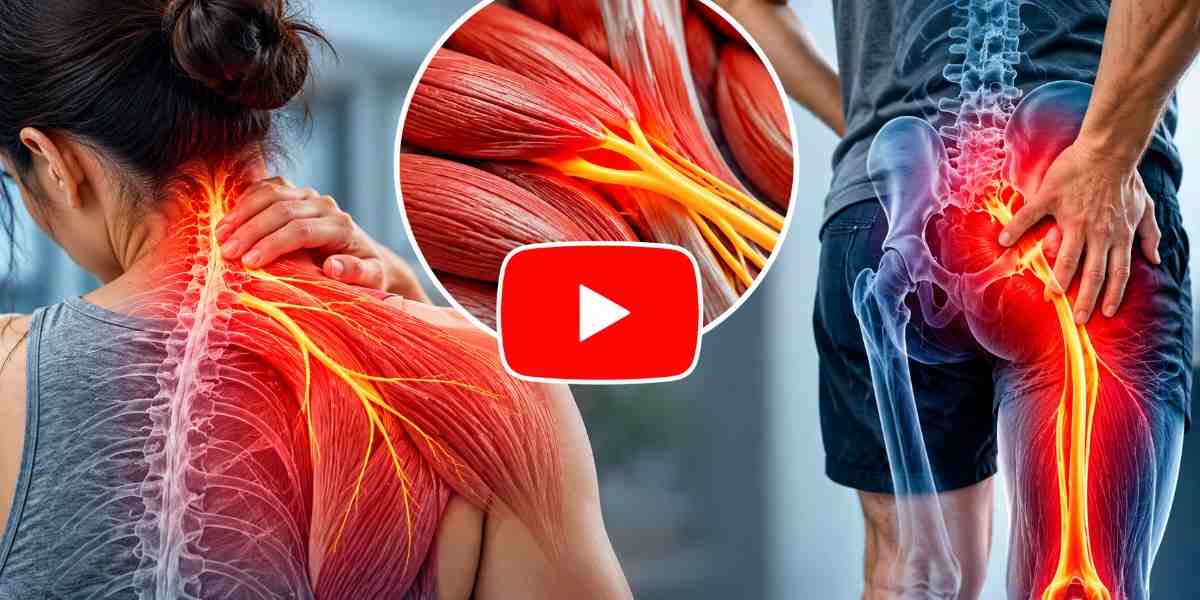
👉 DON’T TRY THIS “7 BEST SUPPLEMENTS FOR MUSCLE PAIN AND STIFFNESS” UNTIL YOU SEE THIS
Discover the 7 best supplements for muscle pain and stiffness, including magnesium, turmeric, omega-3s, and vitamin D, with benefits and safety tips for recovery.
However, not every supplement works equally well for everyone. Some may be helpful when a nutritional deficiency exists, while others have emerging evidence for reducing exercise-related soreness or supporting joint health.
This guide examines the potential benefits, scientific evidence, limitations, and safety considerations of these seven supplements to help readers make informed decisions.
What Causes Muscle Pain and Stiffness?
Muscle discomfort can develop for several reasons. Understanding the underlying cause helps determine whether nutritional support may be useful.
Common causes include:
- Exercise-related muscle soreness: Unfamiliar or intense physical activity can cause delayed-onset muscle soreness (DOMS), which often develops 12–24 hours after exercise.
- Nutritional deficiencies: Inadequate vitamin D, magnesium, or other nutrients can affect normal muscle function.
- Dehydration: Insufficient fluid intake can contribute to fatigue and muscle discomfort.
- Age-related changes: Changes in muscle mass, flexibility, and physical activity can contribute to stiffness.
- Inflammatory conditions: Certain medical conditions can cause persistent muscle or joint discomfort.
- Prolonged inactivity: Sitting for extended periods may contribute to tightness and reduced mobility.
Supplements may help address selected nutritional or recovery needs, but they cannot replace appropriate medical evaluation when pain is persistent or unexplained.
7 Best Supplements for Muscle Pain and Stiffness
The following supplements are selected based on their nutritional roles, available human research, potential benefits, and safety considerations. They are not ranked as proven treatments because the evidence differs considerably between ingredients.
1. Magnesium – Supports Normal Muscle Function
Magnesium is an essential mineral involved in hundreds of biochemical reactions, including muscle contraction, nerve signaling, and energy production.
The body needs magnesium to regulate normal muscle and nerve function. Inadequate magnesium intake can contribute to muscle-related symptoms, although not all muscle stiffness or cramps are caused by magnesium deficiency.
Potential benefits:
- Supports normal muscle contraction and relaxation.
- Helps maintain healthy nerve signaling.
- Contributes to energy production.
- Correcting a deficiency may improve deficiency-related symptoms.
Scientific evidence: Magnesium is frequently marketed for muscle cramps, but a Cochrane review found that supplementation probably does not meaningfully reduce cramps in most older adults. Evidence for exercise-related cramps is also limited.
Food sources: Pumpkin seeds, almonds, spinach, black beans, and whole grains.
Safety: Excessive supplemental magnesium can cause diarrhea, nausea, and abdominal discomfort. The adult upper limit from supplements and medications is generally 350 mg daily, excluding magnesium naturally present in food. People with kidney problems should seek medical guidance before supplementing.
2. Vitamin D – Important for Muscle and Bone Health
Vitamin D plays an important role in calcium absorption, bone health, and normal muscle function. The body also needs it to maintain appropriate calcium and phosphate levels.
Low vitamin D levels can be associated with muscle weakness and bone-related problems. People with inadequate vitamin D may benefit from correcting the deficiency under appropriate medical guidance.
Potential benefits:
- Supports normal muscle function.
- Helps maintain healthy bones.
- Improves calcium absorption.
- Helps correct vitamin D deficiency.
Scientific evidence: The NIH Office of Dietary Supplements identifies vitamin D as important for calcium regulation and normal muscle function. However, taking additional vitamin D does not automatically relieve muscle pain in people who already have adequate levels.
Food sources: Fatty fish, egg yolks, fortified milk, and fortified cereals.
Safety: Excessive vitamin D supplementation can cause calcium buildup in the blood, kidney complications, and other serious problems. Avoid taking high doses without medical advice.
3. Omega-3 Fatty Acids – Support a Healthy Inflammatory Response
Omega-3 fatty acids, particularly EPA and DHA, are essential fats found in fatty fish and certain dietary supplements.
They participate in several biological processes involving cell membranes and inflammatory signaling. Researchers have investigated their potential role in inflammatory conditions that affect muscles and joints.
Potential benefits:
- Supports normal inflammatory processes.
- Contributes to cardiovascular health.
- May help with certain inflammatory joint conditions.
- Provides essential fatty acids for overall health.
Scientific evidence: Research suggests omega-3 supplements may offer modest benefits for some people with rheumatoid arthritis. However, this evidence should not be interpreted as proof that fish oil treats ordinary muscle soreness or stiffness.
Food sources: Salmon, sardines, mackerel, chia seeds, flaxseeds, and walnuts.
Safety: Fish oil supplements can cause digestive discomfort and may require additional caution for people taking blood-thinning medications. Discuss supplementation with a healthcare professional if you have a bleeding disorder or take anticoagulants.
4. Curcumin (Turmeric) – Investigated for Exercise-Related Soreness
Curcumin is a naturally occurring compound found in turmeric. It has attracted scientific interest because of its antioxidant and anti-inflammatory properties.
Researchers have investigated whether curcumin supplementation can reduce muscle soreness following strenuous physical activity.
Potential benefits:
- May help reduce perceived post-exercise muscle soreness.
- Contains compounds with antioxidant properties.
- May influence inflammatory signaling pathways.
- Is being studied for its potential role in exercise recovery.
Scientific evidence: A 2022 systematic review and meta-analysis of 10 clinical trials reported reductions in certain measures of exercise-related muscle soreness and muscle-damage markers among participants taking curcumin. However, the findings do not establish it as a treatment for chronic muscle pain.
Food sources: Turmeric root, turmeric powder, and turmeric-containing meals.
Safety: Oral turmeric supplements can cause nausea, acid reflux, diarrhea, or constipation. Highly bioavailable formulations have also been associated with reports of liver injury. People taking medications should check for potential interactions before using concentrated products.
5. Ginger – A Traditional Ingredient With Emerging Research
Ginger contains naturally occurring compounds called gingerols and shogaols. These compounds have been studied for their potential effects on inflammatory processes and discomfort.
Ginger is commonly consumed as a food ingredient, tea, powder, or concentrated supplement.
Potential benefits:
- Contains naturally occurring antioxidant compounds.
- May support certain aspects of joint health.
- Has been investigated for discomfort associated with osteoarthritis.
- Can be incorporated into a balanced diet.
Scientific evidence: The National Center for Complementary and Integrative Health notes that ginger supplements might help some symptoms of knee osteoarthritis, although much of the research is of limited quality. Evidence for general muscle pain remains uncertain.
Food sources: Fresh ginger root, ginger tea, ginger powder, and ginger-containing meals.
Safety: Ginger supplements may cause heartburn, abdominal discomfort, diarrhea, and mouth irritation. People taking regular medications should check for possible interactions before using concentrated ginger products.

👉 DON’T TRY THIS “7 BEST SUPPLEMENTS FOR MUSCLE PAIN AND STIFFNESS” UNTIL YOU SEE THIS
6. Tart Cherry – May Support Post-Workout Recovery
Tart cherries, particularly Montmorency cherries, contain anthocyanins and other polyphenols. These naturally occurring compounds have antioxidant properties and are being studied for their potential role in exercise recovery.
Tart cherry products are available as juices, concentrates, powders, and capsules.
Potential benefits:
- Provides antioxidant plant compounds.
- May help reduce perceived muscle soreness after exercise.
- Has been investigated for exercise recovery.
- Offers a source of naturally occurring polyphenols.
Scientific evidence: Research on tart cherry supplementation has produced mixed findings. Some studies suggest potential improvements in recovery, while other research has not found consistent reductions in muscle soreness or improvements in muscle strength. The NIH Office of Dietary Supplements also identifies the evidence as variable.
Food sources: Fresh tart cherries, unsweetened tart cherry juice, and frozen cherries.
Safety: Juice products may contain substantial amounts of natural sugar. People managing blood glucose levels should consider serving sizes and product composition.
7. Protein Supplements – Support Muscle Repair and Recovery
Protein is essential for maintaining, building, and repairing muscle tissue. It provides amino acids that the body uses to support muscle protein synthesis.
People who exercise regularly, perform resistance training, or struggle to obtain sufficient protein through food may find protein powders convenient.
Potential benefits:
- Supplies essential amino acids.
- Supports muscle maintenance and repair.
- Helps support recovery following exercise.
- Contributes to maintaining muscle mass.
Scientific evidence: The NIH Office of Dietary Supplements reports that adequate protein intake supports muscle protein synthesis and helps optimize the training response and recovery period. However, protein supplements are not direct pain-relief products.
Food sources: Eggs, chicken, fish, milk, Greek yogurt, beans, lentils, tofu, and nuts.
Safety: Protein powders are generally unnecessary when dietary protein intake is already adequate. People with kidney disease or medically prescribed protein restrictions should seek professional guidance before increasing protein intake.
Comparison of the 7 Best Supplements for Muscle Pain and Stiffness
The following table summarizes the primary purpose and evidence considerations for each supplement.
| Supplement | Main nutritional role | Evidence consideration |
| Magnesium | Normal muscle and nerve function | Limited evidence for cramp relief |
| Vitamin D | Muscle and bone health | Most relevant when deficient |
| Omega-3 | Inflammatory signaling support | Some evidence for rheumatoid arthritis |
| Curcumin | Antioxidant and inflammatory pathways | Promising but limited exercise research |
| Ginger | Plant compounds and joint health | Limited evidence |
| Tart cherry | Antioxidant support and recovery | Mixed exercise-recovery findings |
| Protein | Muscle maintenance and repair | Good evidence for supporting recovery |
How to Choose the Best Supplement for Muscle Pain and Stiffness
Choosing a supplement depends on the reason behind the discomfort, nutritional intake, existing health conditions, and individual needs.
Consider these factors before purchasing a product.
1. Identify Your Nutritional Needs
Not everyone needs the same nutrients. For example:
- People with low magnesium intake may need to improve their magnesium intake.
- Individuals with vitamin D deficiency may benefit from appropriate supplementation.
- People who do not consume enough protein may consider protein-rich foods or protein powders.
- Individuals with inflammatory joint conditions may discuss omega-3 supplementation with their healthcare professional.
2. Check Ingredient Quality
Choose products that clearly disclose their ingredients and quantities.
Look for:
- Transparent ingredient labels.
- Clearly identified active ingredients.
- Appropriate serving sizes.
- Independent quality testing, where available.
- Reputable manufacturers with established quality-control practices.
Third-party certifications such as USP or NSF can provide additional quality assurance, although they do not guarantee effectiveness.
3. Avoid Excessive Dosages
Taking more supplements does not necessarily produce better results. Excessive amounts of certain vitamins, minerals, and herbal extracts can cause unwanted effects.
Follow the recommended serving instructions and discuss appropriate doses with a qualified healthcare professional.
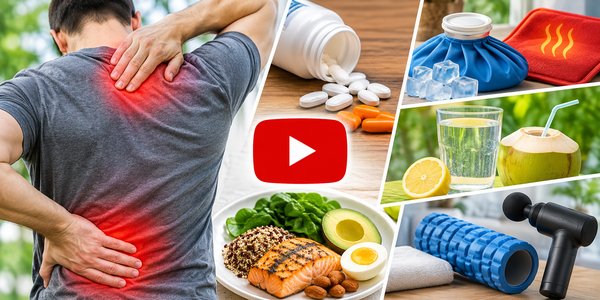
👉 DON’T TRY THIS “7 BEST SUPPLEMENTS FOR MUSCLE PAIN AND STIFFNESS” UNTIL YOU SEE THIS
Natural Ways to Reduce Muscle Pain and Stiffness
Supplements are only one part of maintaining healthy muscles. Daily habits can also support flexibility, mobility, and recovery.
Here are some practical approaches.
Stay Hydrated
Drink sufficient water throughout the day. Adequate hydration supports normal muscle function and helps maintain fluid balance.
Perform Gentle Stretching
Gentle stretching can improve flexibility and help reduce feelings of tightness. Avoid forcing movements that cause pain.
Include Protein-Rich Foods
Consume adequate protein through eggs, fish, poultry, dairy products, beans, and lentils to support muscle maintenance and repair.
Maintain Regular Physical Activity
Walking, swimming, and appropriate strength exercises can help maintain muscle function and mobility.
Prioritize Sleep
Adequate sleep supports normal recovery processes and overall physical health.
Apply Heat or Cold When Appropriate
Warm compresses may help ease temporary muscle tightness, while cold packs can help with some recent exercise-related discomfort or minor injuries.
Common Myths and Misconceptions About Muscle Recovery Supplements
Online discussions often make exaggerated claims about supplements. Understanding the difference between marketing statements and scientific findings is important.
| Common myth | What the evidence suggests |
| Magnesium cures all muscle cramps. | Magnesium does not reliably prevent cramps in most older adults. |
| Vitamin D immediately eliminates muscle pain. | Correcting a deficiency supports normal muscle health but is not an instant pain treatment. |
| Fish oil treats every type of inflammation. | Evidence varies by condition, with some benefits studied in rheumatoid arthritis. |
| Turmeric completely prevents muscle soreness. | Research suggests possible benefits, but results are not conclusive. |
| More protein means faster recovery. | Adequate protein matters, but excessive intake does not guarantee better results. |
| Natural supplements have no side effects. | Natural ingredients can still cause adverse effects and medication interactions. |
The most important takeaway is that supplements should be evaluated according to the specific health concern rather than their marketing claims.
👉 DON’T TRY THIS “7 BEST SUPPLEMENTS FOR MUSCLE PAIN AND STIFFNESS” UNTIL YOU SEE THIS
Safety Considerations Before Taking Muscle Health Supplements
Although many supplements are available without a prescription, they are not automatically safe for everyone.
Keep the following precautions in mind:
- Consult a healthcare professional before combining multiple supplements.
- Check possible interactions with prescription medications.
- Avoid high-dose vitamin and mineral products without medical guidance.
- Choose supplements with transparent ingredient labels.
- Seek advice before supplementing if you have kidney or liver disease.
- Pregnant or breastfeeding individuals should obtain professional advice before using concentrated herbal supplements.
In the United States, dietary supplements are not FDA-approved for safety and effectiveness before marketing in the same way as prescription medications. Independent testing can help assess product quality, but it does not establish clinical effectiveness.
When should you seek medical attention?
Persistent or unexplained muscle pain should not automatically be treated with supplements.
Seek medical evaluation if discomfort is severe, recurrent, worsening, or accompanied by unexplained weakness, swelling, fever, or other concerning symptoms.
Sudden severe muscle pain with marked weakness or dark, cola-colored urine requires urgent medical attention because it can indicate serious muscle injury.
Conclusion
The 7 best supplements for muscle pain and stiffness offer different types of nutritional support. Magnesium and vitamin D contribute to normal muscle function, omega-3 fatty acids support certain inflammatory conditions, and curcumin, ginger, and tart cherry have attracted research interest for their potential recovery benefits.
Protein supplements can also help people who struggle to meet their daily protein requirements, particularly those involved in regular physical activity.
However, no single supplement works for every type of muscle discomfort. The most effective approach is to identify the underlying cause, maintain a balanced diet, stay hydrated, exercise appropriately, and correct nutritional deficiencies when necessary.
Ultimately, prioritize evidence-based ingredients, appropriate dosages, and product quality rather than choosing supplements based on exaggerated promises.
Combining good nutrition with healthy daily habits provides a more reliable foundation for maintaining muscle health, flexibility, and long-term physical well-being.
👉 DON’T TRY THIS “7 BEST SUPPLEMENTS FOR MUSCLE PAIN AND STIFFNESS” UNTIL YOU SEE THIS
References
https://www.healthline.com/health/muscle-aches
https://www.webmd.com/pain-management/pain-relievers
https://www.mayoclinic.org/symptoms/muscle-pain/basics/causes/sym-20050866
.
About Us
