
The MIND Diet and Brain Health: Benefits, Foods & Research
The MIND diet and brain health are closely connected through proper nutrition, memory support, cognitive function, and healthy aging.
This science-based eating pattern combines principles from the Mediterranean and DASH diets, emphasizing brain-friendly foods such as leafy greens, berries, nuts, whole grains, and healthy fats.
Research suggests that following the MIND diet may help lower dementia risk, protect brain cells, and support long-term cognitive wellness.
Although it cannot cure Alzheimer’s disease or guarantee protection against memory loss, it offers a practical approach to healthy brain aging.
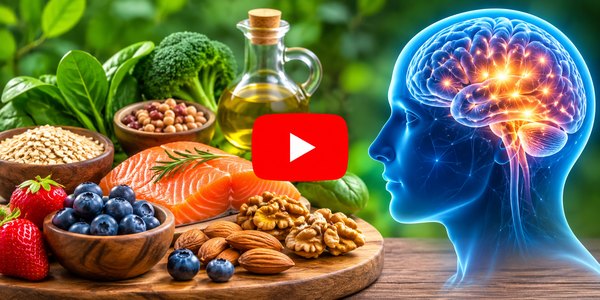
👉 DON’T TRY THIS “THE MIND DIET AND BRAIN HEALTH” UNTIL YOU SEE THIS
In this guide, you’ll discover the MIND diet’s benefits, best foods, latest research, meal plans, and practical tips for improving brain health.
What Is the MIND Diet for Brain Health?
MIND stands for Mediterranean-DASH Intervention for Neurodegenerative Delay. Researchers developed this dietary approach to emphasize foods associated with healthier cognitive aging.
Unlike restrictive weight-loss diets, the MIND diet prioritizes vegetables, berries, whole grains, nuts, legumes, fish, and olive oil.
It also encourages limiting processed meats, fried foods, butter, cheese, and sugary desserts.
The approach appeals particularly to adults over 50 seeking practical nutrition strategies for preserve memory and support long-term neurological wellness.
How Does the MIND Diet Improve Brain Health?
The brain requires adequate nutrients, healthy circulation, and protection against cellular damage. MIND diet foods supply compounds involved in these essential processes.
✔ Reducing Oxidative Stress
Berries, leafy vegetables, and nuts contain antioxidants that help protect cells against oxidative stress.
Oxidative damage may contribute to age-related neurological changes, although antioxidant-rich foods cannot independently prevent dementia.
✔ Supporting Healthy Brain Circulation
Olive oil, whole grains, and unsaturated fats support cardiovascular wellness.
Healthy blood vessels help deliver oxygen and nutrients necessary for normal cognitive performance.
✔ Supporting Brain Cell Communication
Fatty fish provides omega-3 fatty acids, including DHA, an important structural component of neuronal membranes.
Leafy greens also provide folate and carotenoids associated with neurological health.
👉 DON’T TRY THIS “THE MIND DIET AND BRAIN HEALTH” UNTIL YOU SEE THIS
Best MIND Diet Foods for Memory and Brain Function
The traditional MIND diet emphasizes ten beneficial food categories.
- Leafy greens: Spinach, kale, and collard greens provide folate and antioxidants.
- Other vegetables: Broccoli, carrots, and peppers contribute essential micronutrients.
- Berries: Blueberries and strawberries supply anthocyanins associated with cellular protection.
- Nuts: Walnuts and almonds provide unsaturated fats and minerals.
- Whole grains: Oats, quinoa, and brown rice supply fiber.
- Beans: Lentils and chickpeas provide plant protein.
- Fish: Salmon and sardines supply omega-3 fatty acids.
- Poultry: Chicken and turkey provide protein.
- Olive oil: Extra virgin olive oil supplies monounsaturated fats.
- Wine: Included in original scoring, but alcohol is not recommended for brain protection.
Consistent dietary variety matters more than consuming any individual superfood.
MIND Diet Food List: Recommended Weekly Servings
Following practical serving targets makes the eating pattern easier to maintain.
| Food Category | Recommended Intake |
| Leafy vegetables | At least 6 servings weekly |
| Other vegetables | At least 1 serving daily |
| Berries | At least 2 servings weekly |
| Nuts | At least 5 servings weekly |
| Whole grains | At least 3 servings daily |
| Beans | At least 4 meals weekly |
| Fish | At least 1 serving weekly |
| Poultry | At least 2 servings weekly |
| Olive oil | Primary cooking oil |
These targets reflect commonly described MIND diet recommendations, not guaranteed therapeutic doses.
Foods to Avoid on the MIND Diet
The MIND diet recommends limiting foods frequently associated with poorer overall dietary quality.
- Butter and stick margarine.
- Cheese and high-saturated-fat dairy.
- Red and processed meats.
- Fried foods and fast food.
- Pastries, sweets, and sugary desserts.
Replacing processed meat with beans or fish can improve nutritional balance.
Occasional treats remain compatible with a sustainable eating pattern.

👉 DON’T TRY THIS “THE MIND DIET AND BRAIN HEALTH” UNTIL YOU SEE THIS
MIND Diet and Alzheimer’s Prevention: What Research Shows
Scientific interest in the MIND diet has expanded because dementia prevention remains a major public health priority.
A 2026 meta-analysis involving 590,029 participants found that stronger MIND diet adherence was associated with approximately 21% lower dementia risk.
However, these findings came from observational research and cannot establish causation.
A randomized clinical trial published in 2023 followed 604 older adults for three years.
Both dietary groups improved cognitive test scores, but the MIND diet produced no statistically significant additional benefit.
These findings suggest that healthy eating matters, while the specific advantages of MIND over other nutritious diets remain uncertain.
MIND Diet and Brain Aging: Emerging 2026 Trends
Recent discussions increasingly examine dietary patterns alongside biological aging, inflammation, and changes in brain structure.
Researchers are investigating whether healthier eating patterns correlate with slower neurological aging.
However, promising brain imaging associations do not establish that particular foods reverse existing damage.
The strongest practical message remains consistent: maintain a balanced diet alongside other evidence-based healthy behaviors.
Viral MIND Diet Hacks: What Actually Works?
Social media frequently promotes blueberry smoothies, walnut combinations, olive oil shots, and overnight brain-boosting routines.
These ideas deserve careful evaluation.
➢ Blueberry and Walnut Breakfast Hack
Combining blueberries, walnuts, and oatmeal creates a nutrient-rich breakfast containing fiber, healthy fats, and polyphenols.
It supports dietary quality but does not deliver instant memory improvement.
➢ Extra Virgin Olive Oil Shot
Online videos suggest drinking olive oil directly for improved concentration.
However, adding moderate amounts to balanced meals offers a more practical approach without unnecessary extra calories.
➢ Seven-Day Brain Reset Challenge
Short challenges encourage replacing processed snacks with berries, nuts, and vegetables.
Such changes may improve eating habits, but seven days cannot prevent dementia or rejuvenate the brain.
👉 DON’T TRY THIS “THE MIND DIET AND BRAIN HEALTH” UNTIL YOU SEE THIS
Seven-Day MIND Diet Meal Plan for Beginners
A simple weekly menu can make brain-healthy eating easier.
| Day | Breakfast | Lunch | Dinner |
| Monday | Berry oatmeal | Chickpea salad | Salmon and quinoa |
| Tuesday | Walnut yogurt | Lentil soup | Chicken and broccoli |
| Wednesday | Spinach omelet | Bean bowl | Sardines and vegetables |
| Thursday | Overnight oats | Quinoa salad | Lentil curry |
| Friday | Berry smoothie | Vegetable wrap | Grilled chicken |
| Saturday | Whole-grain toast | Chickpea bowl | Bean chili |
| Sunday | Oatmeal and nuts | Spinach salad | Vegetable quinoa |
Adjust portions based on energy needs, medical conditions, and personal preferences.
MIND Diet vs Mediterranean Diet: Which Is Better?
Both eating patterns emphasize vegetables, whole grains, healthy fats, and minimally processed foods.
The Mediterranean diet encourages broader fruit consumption and traditional regional eating habits.
The MIND diet specifically emphasizes berries and leafy vegetables because of their potential relevance to cognitive aging.
Neither approach has been conclusively proven superior for preventing dementia.
The better choice is generally the nutritious pattern someone can maintain consistently.
Common MIND Diet Mistakes to Avoid
Several mistakes can reduce the practicality of this eating pattern.
- Expecting immediate results: Cognitive aging develops over years, not days.
- Relying on supplements: Capsules cannot replace balanced meals.
- Ignoring portion sizes: Healthy foods still contribute calories.
- Avoiding all carbohydrates: Whole grains provide useful fiber and nutrients.
- Following rigid rules: Excessive restriction can undermine long-term adherence.
Gradual improvements usually work better than dramatic dietary changes.
Is the MIND Diet Safe for Everyone?
The MIND diet is generally suitable for many adults because it emphasizes familiar, nutrient-dense foods.
However, people with kidney disease, food allergies, swallowing difficulties, or specialized nutritional requirements may need adjustments.
Individuals taking warfarin should maintain consistent vitamin K intake rather than suddenly increasing leafy vegetables.
People with diabetes should consider carbohydrate portions and blood glucose management.
Consult a registered dietitian when substantial dietary changes could affect existing medical treatment.
Conclusion: Is the MIND Diet Worth Following?
The MIND diet offers a practical, research-informed approach to supporting brain health through everyday food choices.
Its emphasis on leafy vegetables, berries, whole grains, nuts, legumes, fish, and olive oil aligns with established healthy eating principles.
Although observational studies associate stronger adherence with lower dementia risk, clinical evidence remains mixed. No diet guarantees Alzheimer’s prevention or reverses cognitive decline.
For lasting benefits, combine nutritious eating with regular physical activity, adequate sleep, social engagement, and cardiovascular risk management.
Consistency, dietary variety, and realistic expectations make the MIND diet a worthwhile strategy for healthy brain aging.
👉 DON’T TRY THIS “THE MIND DIET AND BRAIN HEALTH” UNTIL YOU SEE THIS
References
- Healthline – The MIND Diet: A Detailed Guide for Beginners
https://www.healthline.com/nutrition/mind-diet
- PubMed – The MIND Diet and Brain Health: A Systematic Review (2026)
https://pubmed.ncbi.nlm.nih.gov/41521425/
- PubMed – MIND Diet and Dementia Risk: A 2026 Meta-Analysis
https://pubmed.ncbi.nlm.nih.gov/42896464/
About Us
