
How to Detox Your Lungs Naturally: 12 Proven Tips
How to detox your lungs naturally: The most effective methods include quitting smoking, avoiding polluted air, exercising regularly, maintaining hydration, and supporting your lungs’ natural cleaning system.
Your lungs already remove mucus, dust, and harmful particles through specialized defense mechanisms. No detox drink, herbal remedy, or breathing exercise can instantly eliminate accumulated toxins.
People searching for lung cleansing often want to improve breathing after smoking, vaping, respiratory infections, or exposure to pollution. Fortunately, certain lifestyle changes can support respiratory recovery.
However, popular TikTok remedies, including mullein tea, honey mixtures, ginger shots, and steam inhalation, deserve careful evaluation.
👉 DON’T TRY THIS “HOW TO DETOX YOUR LUNGS” UNTIL YOU SEE THIS
This evidence-based guide explains how to clean your lungs naturally, reduce mucus, protect lung function, and distinguish scientific recommendations from viral detox claims.
Can You Really Detox Your Lungs Naturally?
Your lungs are self-cleaning organs. They constantly filter inhaled air and remove unwanted particles through mucus, coughing, immune cells, and microscopic structures called cilia.
Cilia move mucus containing trapped pollutants and microorganisms toward your throat, where it can be swallowed or expelled.
This process is called mucociliary clearance.
Smoking, air pollution, and respiratory infections can disrupt normal airway clearance and increase inflammation.
Although healthy habits support lung function, they cannot guarantee complete removal of inhaled toxins or reversal of permanent damage.
12 Best Ways to Detox Your Lungs Naturally
1. Quit Smoking and Vaping
Quitting cigarettes is the most important step toward healthier lungs.
Tobacco smoke damages airway cilia, increases mucus production, and contributes to chronic obstructive pulmonary disease (COPD).
Stopping smoking reduces continued exposure and allows certain respiratory defenses to recover.
Vaping also exposes lung tissue to potentially harmful aerosols. Avoid replacing cigarettes with unregulated vaping products or herbal smoking mixtures.
👉 DON’T TRY THIS “HOW TO DETOX YOUR LUNGS” UNTIL YOU SEE THIS
2. Practice Deep Breathing Exercises
Breathing exercises can improve respiratory control and help some people manage breathlessness.
Try diaphragmatic breathing:
- Sit comfortably with relaxed shoulders.
- Inhale slowly through your nose.
- Allow your abdomen to expand naturally.
- Exhale gently through pursed lips.
- Continue for several comfortable breaths.
These techniques support breathing efficiency but do not physically extract toxins.
3. Drink Water to Support Mucus Clearance
Adequate hydration helps maintain normal mucus consistency.
Drink water regularly, particularly during physical activity or warm weather.
Warm water, herbal tea, and unsweetened beverages can also contribute to hydration.
However, excessive water consumption does not accelerate lung detoxification.
People with kidney or heart conditions should follow individualized fluid recommendations.
4. Exercise for Better Lung Function
Regular exercise improves cardiovascular fitness and helps your body use oxygen efficiently.
Walking, cycling, swimming, and moderate aerobic activity are useful options.
Begin gradually and increase activity according to your fitness level.
Exercise may improve endurance and respiratory muscle conditioning, although it cannot reverse established emphysema.
5. Improve Indoor Air Quality
Indoor pollutants can worsen coughing, wheezing, and respiratory irritation.
Reduce exposure by:
- Keeping indoor spaces smoke-free.
- Using appropriate kitchen ventilation.
- Replacing heating and cooling filters.
- Controlling moisture and addressing mold.
- Avoiding unnecessary scented sprays.
A properly selected HEPA air purifier can reduce airborne particles.
Avoid ozone-producing air cleaners because ozone can irritate the lungs.
6. Eat Foods That Support Lung Health
A nutritious diet supports immune function and overall respiratory wellness.
Include berries, citrus fruits, leafy vegetables, whole grains, legumes, and healthy fats.
These foods provide antioxidants and nutrients involved in normal cellular protection.
However, no specific food has been proven to remove cigarette tar or reverse lung scarring.
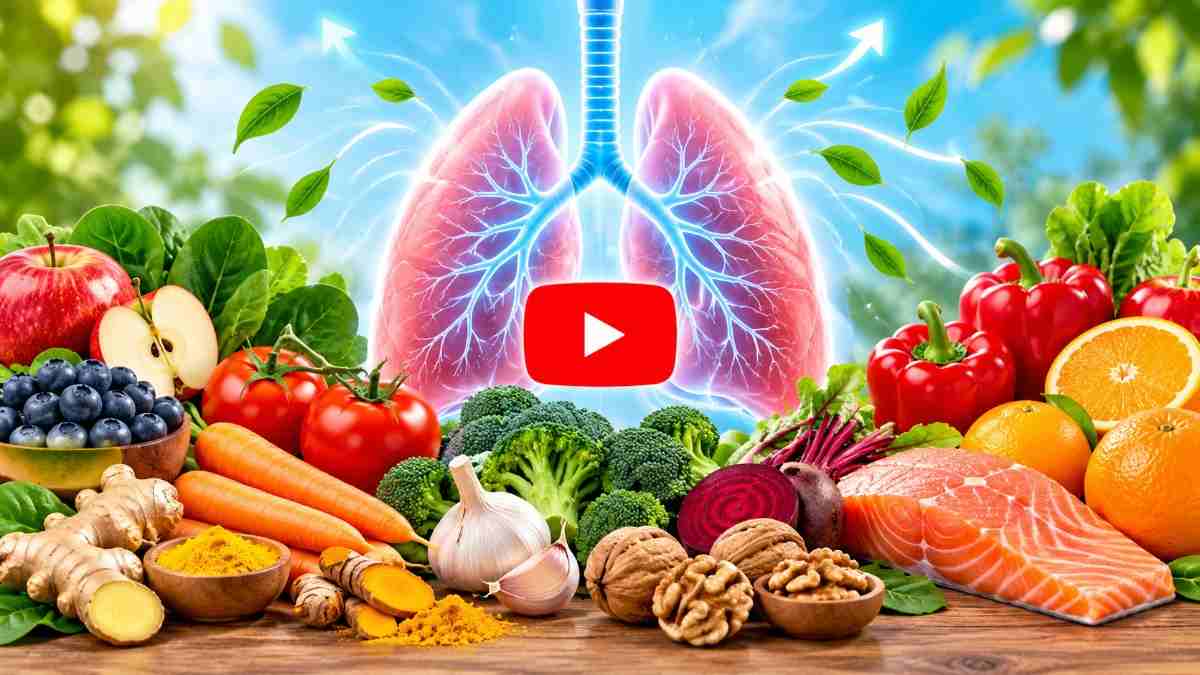
👉 DON’T TRY THIS “HOW TO DETOX YOUR LUNGS” UNTIL YOU SEE THIS
7. Use Controlled Coughing for Mucus
Controlled coughing may help people clear mucus when secretions become difficult to expel.
Sit upright, breathe comfortably, and use gentle coughing rather than repeated forceful efforts.
Some patients benefit from huff coughing or specialist-guided airway clearance techniques.
People with bronchiectasis or chronic mucus retention should request professional guidance.
8. Limit Outdoor Air Pollution Exposure
Check local air quality readings before outdoor exercise.
During wildfire smoke, heavy traffic pollution, or hazardous air quality events, reduce prolonged outdoor activities.
A properly fitted N95 respirator can reduce exposure to certain airborne particles.
Choose cleaner walking routes and exercise indoors when pollution levels become concerning.
9. Maintain Healthy Sleep Habits
Consistent sleep supports immune regulation and overall recovery.
Keep bedrooms free from cigarette smoke, strong fragrances, and unnecessary airborne irritants.
Persistent snoring, nighttime choking, or morning headaches may indicate sleep-related breathing problems requiring evaluation.
10. Avoid Dangerous Household Fumes
Cleaning sprays, solvents, pesticides, and combustion fumes may irritate the respiratory tract.
Follow product instructions and ensure appropriate ventilation.
Never mix bleach with ammonia or acidic cleaners.
Chemical inhalation injuries require prompt medical assessment when breathing symptoms develop.
11. Prevent Respiratory Infections
Respiratory infections can worsen existing lung disease and temporarily impair normal airway clearance.
Wash your hands, avoid smoke exposure, and follow recommended vaccination schedules.
Influenza, COVID-19, and pneumococcal vaccination may be appropriate depending on individual eligibility.
12. Treat Existing Respiratory Conditions
Asthma, COPD, and other chronic respiratory conditions require appropriate diagnosis and treatment.
Correct inhaler use, prescribed medication, and pulmonary rehabilitation may help selected patients breathe more comfortably.
Never replace established medical treatment with a commercial lung detox product.
👉 DON’T TRY THIS “HOW TO DETOX YOUR LUNGS” UNTIL YOU SEE THIS
How to Detox Your Lungs After Smoking or Vaping
People frequently ask how to clean their lungs after years of smoking or vaping.
Recovery begins when exposure stops, but improvement varies with smoking history, age, and existing respiratory damage.
Research published in PubMed found improvements in nasal mucociliary clearance after smoking cessation, including measurable changes within the first month.
These findings support quitting but do not establish that damaged lungs become completely healthy within a particular timeframe.
Persistent coughing, wheezing, or breathlessness should be medically evaluated rather than attributed automatically to detoxification.
Viral Lung Detox Hacks: Do They Really Work?
Does Honey and Ginger Clean Your Lungs?
Honey may soothe temporary throat irritation and coughing. Ginger contains compounds studied for potential anti-inflammatory effects.
However, neither ingredient has demonstrated an ability to remove lung tar, reverse COPD, or eliminate vaping-related injury.
Can Mullein Tea Detox Lungs?
Mullein tea has attracted attention through TikTok lung cleansing videos.
Although mullein has a history of traditional respiratory use, convincing human clinical evidence supporting lung detoxification remains unavailable.
Smoking mullein introduces additional combustion products and should be avoided.
Does Steam Inhalation Remove Lung Toxins?
Steam may temporarily ease nasal congestion, but it cannot remove toxins embedded in lung tissue.
Inhaling steam from boiling water risks serious burns.
Use safer approaches for respiratory comfort rather than attempting aggressive steam treatments.
👉 DON’T TRY THIS “HOW TO DETOX YOUR LUNGS” UNTIL YOU SEE THIS
Does the 3-Day Lung Detox Drink Work?
Popular recipes combine lemon, turmeric, pineapple, garlic, or ginger.
These ingredients can contribute nutrients, but no reliable clinical evidence demonstrates complete lung cleansing within three days.
Be skeptical of guaranteed detox timelines, dramatic before-and-after images, and products promising rapid lung regeneration.
How Long Does Lung Detox Take?
There is no universal lung detox timeline.
Some protective airway functions begin improving after smoking cessation, while changes in symptoms and breathing capacity may develop over longer periods.
Permanent emphysema, established fibrosis, and certain other structural injuries may not reverse.
Recovery depends on the underlying condition and whether harmful exposure continues.
Common Lung Detox Mistakes to Avoid
- Continuing smoking while relying on herbal cleansing remedies.
- Assuming dark mucus proves toxins are leaving the lungs.
- Using essential oils inside nebulizers without medical guidance.
- Performing excessive breathing exercises despite dizziness.
- Ignoring persistent respiratory symptoms.
- Believing supplements can replace prescribed inhalers.
Conclusion: What Really Works for Lung Detox?
Learning how to detox your lungs naturally means supporting your respiratory system rather than chasing quick-fix promises.
Quitting smoking, improving air quality, exercising appropriately, maintaining hydration, and managing respiratory illness provide meaningful benefits.
Viral honey drinks, mullein tea, and steam remedies cannot substitute for scientifically supported prevention or treatment.
The most effective lung detox strategy is reducing harmful exposure and consistently supporting your lungs’ natural recovery mechanisms.
👉 DON’T TRY THIS “HOW TO DETOX YOUR LUNGS” UNTIL YOU SEE THIS
References
- Healthline – 8 Ways to Cleanse Your Lungs (Medically reviewed; updated September 25, 2026)
https://www.healthline.com/health/ways-to-cleanse-your-lungs
- Wikipedia – Mucociliary Clearance and Natural Airway Cleaning
https://en.wikipedia.org/wiki/Mucociliary_clearance
- PubMed – Effects of Smoking and Smoking Cessation on Mucociliary Clearance
https://pubmed.ncbi.nlm.nih.gov/27438569/
About Us
