Does Estrogen Cause Prostate Enlargement? What Studies Show
Estrogen may play a role in prostate enlargement, but human studies have yet to establish high estrogen as a direct cause of benign prostatic hyperplasia (BPH).
Aging is a better-established risk factor, and the prostate responds to several signals, including the androgen dihydrotestosterone (DHT). An estradiol blood test alone cannot tell you whether your prostate is enlarged or why you are having trouble urinating.
Read how estradiol, testosterone, and aging may influence BPH, what studies show about prostate growth, and when urinary changes warrant a medical evaluation.
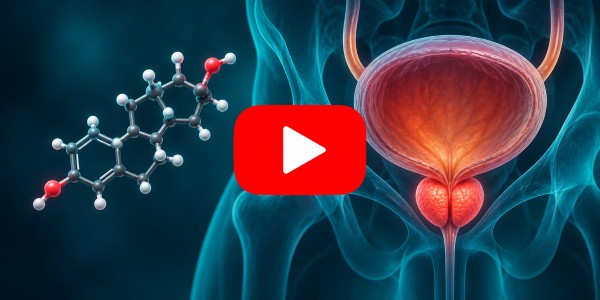
👉 DON’T TRY THIS “DOES ESTROGEN CAUSE PROSTATE ENLARGEMENT” UNTIL YOU SEE THIS
If your urine stream has weakened or you are waking more often to use the bathroom, those changes are worth evaluating.
They can come from prostate enlargement, bladder problems, infection, or medication effects. Identifying what is disrupting urination can help you get the right treatment and avoid spending time on unproven hormone remedies.
Prostate Enlargement and Benign Prostatic Hyperplasia
The prostate is a gland that sits below the bladder and surrounds the first part of the urethra, the tube that carries urine out of the body.
In BPH, prostate cells multiply, often in the region closest to the urethra. As the gland grows, it can squeeze that passage and make the bladder work harder to empty.
BPH is benign prostate growth. Prostate cancer and prostatitis are separate conditions, and someone can have more than one prostate problem at the same time. A urinary symptom such as a weak stream cannot identify the cause on its own.
Prostate size and urinary symptoms
A relatively small increase in tissue around the urethra can significantly affect flow. Someone with a larger prostate may have few symptoms if the growth puts less pressure on that passage.
The tone of the muscles at the bladder outlet and how well the bladder contracts also influence how easily urine passes. This distinction matters when you see claims about prostate shrinkage.
Improving urinary flow, reducing prostate volume, and preventing urinary retention are different outcomes. Some effective medications relieve symptoms by relaxing muscles around the outlet, while others gradually reduce the size of the gland.
How Estrogen Can Affect Prostate Tissue
People with a prostate naturally make estrogen. Estradiol, the main form discussed in prostate research, can be made when an enzyme called aromatase converts testosterone into estradiol.
That conversion occurs in several tissues, including fat tissue. Estradiol circulates in the blood, where its concentration can be measured, and prostate cells can respond to it through estrogen receptors.
The prostate contains glandular cells and surrounding support tissue that includes smooth muscle. Hormone signals can affect how these cells behave and communicate with each other.
Researchers are investigating whether estrogen signaling changes how quickly cells grow, how they respond to injury, and how inflammation affects the gland over time.
Estrogen receptors alpha and beta
The prostate contains two main types of estrogen receptors, known as ER-alpha and ER-beta. Laboratory and animal research has linked ER-alpha signaling with tissue changes such as cell proliferation and inflammation under certain conditions.
Some experimental studies suggest ER-beta can help restrain growth or support normal cell differentiation. The effects depend on the cells involved, the model, and the hormonal conditions.
Those differences make it hard to predict prostate growth from a single hormone value. A blood sample measures circulating estradiol at the time of testing.
It cannot show which receptors are active inside the prostate, how strongly nearby cells respond, or how much of the tissue is pressing on the urethra.
DHT, testosterone, and aging
The prostate uses an enzyme called 5-alpha reductase to convert testosterone into DHT. DHT activates androgen receptors and helps maintain prostate tissue.
The role of this pathway in BPH care is supported by treatments such as finasteride and dutasteride, which lower DHT and can gradually shrink an enlarged prostate.
Blood testosterone often declines with age, yet BPH becomes more common. The prostate can still respond to locally produced DHT and other signals as hormone levels in the bloodstream change.
Aging also affects bladder function, so urinary symptoms can worsen even without a corresponding change in prostate size.
Human Evidence on High Estrogen and BPH
Studies of human prostate tissue confirm that the gland can respond to estrogen, and research has documented estrogen receptors in tissue affected by BPH.
Animal studies have also shown that experimentally changing testosterone and estradiol exposure can produce prostate and bladder changes. Together, these findings explain why estrogen remains a plausible contributor to the disease.
The question for patients is whether an elevated estradiol level independently causes the prostate to enlarge. Human studies have yet to establish that link.
Observational studies may find relationships between sex hormones and prostate size or urinary symptoms, but age, body composition, and other health factors can influence those same measurements.
A study that measures hormones after symptoms begin also has difficulty establishing what changed first.
The testosterone-to-estrogen ratio
Some research examines the balance between testosterone and estradiol because the two hormones can change at different rates with age. An apparent shift toward estrogen can happen when testosterone falls, even if estradiol stays steady.
The phrase “estrogen dominance” can make those different situations sound like a single medical condition. There is no established testosterone-to-estradiol ratio for diagnosing BPH or choosing an enlarged-prostate treatment.
A clinician may order hormone tests for a separate concern or to monitor a prescribed therapy. For urinary symptoms, information such as symptom severity, urine findings, prostate size when relevant, and how well the bladder empties is usually more useful.
Established Risk Factors for an Enlarged Prostate
Age and a family history of BPH provide better-established clues to the likelihood of prostate enlargement. BPH rarely causes symptoms before age 40 and becomes more common later in life.
Some people notice a slow change in flow over several years. Others first seek care because the need to urinate at night has begun to interrupt sleep.
Obesity, type 2 diabetes, and a lack of physical activity are also associated with BPH or urinary symptoms. These associations are complicated.
For example, body fat can affect hormone metabolism, while diabetes can influence both urine production and bladder function. An association between body weight and urinary problems does not establish estrogen as the explanation for an individual’s symptoms.
How much a symptom interferes with your routine matters as well. Getting up once at night and falling back asleep is a different experience from waking several times and feeling tired the next day.
A symptom that seems minor on paper can still deserve attention if it repeatedly disrupts sleep, travel, exercise, or work.

👉 DON’T TRY THIS “DOES ESTROGEN CAUSE PROSTATE ENLARGEMENT” UNTIL YOU SEE THIS
Estrogen Therapy, Testosterone Treatment, and Prostate Health
Prescribed estrogen and feminizing hormone therapy
The effects of prescribed estrogen depend on the dose, the treatment goal, and whether other medicines reduce androgen levels or block their action.
In feminizing hormone therapy, estradiol may be used with a testosterone-lowering or androgen-blocking medication. The combined effects on hormone signaling differ from the natural hormonal changes studied in age-related BPH.
A study of transgender women receiving estrogen found that prostate-specific antigen (PSA) values were generally low.
PSA measures a protein made by the prostate, and a low reading cannot by itself tell you the size of the gland or explain urinary symptoms. A person who retains a prostate can discuss urinary changes and any appropriate screening with a clinician who knows their hormone regimen.
Testosterone replacement and urinary symptoms
Some testosterone can convert to estradiol through aromatase. That is a normal pathway, and an increase in estradiol during treatment does not establish that the prostate is growing.
A systematic review of randomized trials found that, on average, testosterone replacement did not worsen lower urinary tract symptom scores compared with placebo in the men studied. An average trial result cannot predict what will happen to every person.
If you notice a weaker stream, more frequent nighttime urination, or difficulty emptying your bladder during treatment, tell the clinician who manages your prescription. The timing, symptoms, dose changes, and other medications can help guide the assessment.
Online Claims About Estrogen and Prostate Growth
Soy and phytoestrogens
Soy foods contain isoflavones, plant compounds that can interact with estrogen receptors. How they act depends on the compound, the tissue, and the receptor.
A meta-analysis of clinical studies found that soy or isoflavone intake did not significantly change circulating testosterone or estradiol in men. The studies addressed hormone levels, so their results cannot establish an effect on prostate volume.
For someone deciding whether to cut out tofu, edamame, or soy milk because of urinary symptoms, the claim that these foods enlarge the prostate goes beyond the evidence.
Concentrated supplements can have different doses and ingredients from ordinary foods. Their potential benefits and side effects should be assessed on their own evidence.
Estrogen blockers and prostate supplements
Some products promoted for prostate health claim to “balance hormones” or block excess estrogen. A plausible mechanism is only the start of evaluating a treatment.
A product also needs clinical evidence that it improves outcomes such as urinary flow, symptom severity, or the ability to empty the bladder, with acceptable risks.
Aromatase inhibitors and other medicines that alter estrogen signaling have specific medical uses. They are outside standard BPH treatment. Self-treating a lab result with an estrogen blocker can affect other tissues, including bone, and delay care for the actual cause of urinary symptoms.
If you take a hormone-related supplement, bring the bottle or ingredient list to your appointment so the clinician can check the dose and ingredients.
Enlarged Prostate Symptoms and When to Seek Care
BPH can cause symptoms while you are storing urine or trying to pass it. The pattern can help a clinician decide which part of the urinary tract to evaluate.
- Difficulty getting started. You may wait longer for urine to flow or need to strain.
- Weak or interrupted stream. The stream may slow, stop, and then start again.
- Incomplete emptying. You may feel that your bladder is still partly full after urinating.
- Frequency and urgency. You may need to urinate often or get a sudden, hard-to-delay urge.
- Nighttime urination. You may wake repeatedly to empty your bladder, a symptom called nocturia.
Urgency and frequent urination can also come from an overactive bladder. Nighttime urination may reflect how much urine the body produces overnight, evening fluid intake, or a sleep problem.
Burning, fever, or pelvic discomfort can point toward an infection or prostatitis and should be considered separately during evaluation.
Seek immediate medical care if you cannot pass urine, or if urinary symptoms occur with fever and chills, especially with significant pain.
Sudden inability to urinate can be acute urinary retention, which may require urgent bladder drainage. Visible blood in the urine also needs prompt medical evaluation because several conditions can cause it.
How Clinicians Evaluate an Enlarged Prostate
An evaluation usually starts with when your symptoms began, how bothersome they are, and what medicines you take.
A clinician may ask whether the symptoms are new, whether the stream has weakened gradually, or whether you are passing small amounts of urine frequently.
Some cold medicines, including certain decongestants and antihistamines, can worsen urination in people who already have difficulty emptying their bladder.
A physical exam may include a digital rectal exam to assess the prostate. A urine test can look for infection, blood, or other clues. Depending on your history and whether the result would affect care, your clinician may discuss a PSA test.
PSA can rise with BPH, inflammation, and other conditions, so the result needs to be interpreted in context. If you report difficulty emptying, a bladder scan after urination can estimate how much urine remains.
A urine flow test can measure how quickly you pass urine. Imaging can help estimate prostate size when that information would change treatment or procedure selection. Each test answers a practical question about what might be causing symptoms or which treatment could help.
A symptom questionnaire can provide a baseline before treatment. It records how often problems such as straining or interrupted flow occur and how much they affect quality of life.
Comparing scores over time can help you and your clinician judge whether a treatment is helping.
For example, getting through the night with fewer interruptions may be meaningful even when a follow-up exam suggests that prostate size has stayed about the same.

👉 DON’T TRY THIS “DOES ESTROGEN CAUSE PROSTATE ENLARGEMENT” UNTIL YOU SEE THIS
BPH Treatment Options, Benefits, and Risks
Monitoring and changes to daily habits
When symptoms are mild, and there are no complications, monitoring may be reasonable. If nighttime bathroom visits are the main issue, consider whether large drinks close to bedtime, caffeine, or alcohol make them worse.
A short diary of when you drink fluids, when you urinate, and when you wake up can help distinguish between frequent small trips and larger overnight urine volumes.
Avoid cutting fluids drastically to reduce bathroom trips. Also review prescription and over-the-counter products with your clinician before changing how you take them. A medicine can affect urination while still treating another condition that requires attention.
Medications that relax or shrink the prostate
Alpha blockers such as tamsulosin relax smooth muscle around the prostate and bladder outlet. They can make it easier to urinate without changing gland size.
Possible side effects include dizziness or changes in ejaculation. If you have a history of lightheadedness or are planning cataract surgery, share that information when discussing these medications.
Finasteride and dutasteride reduce DHT and may be appropriate when the prostate is clearly enlarged. Their effect builds over months, and for some people they lower the risk of urinary retention or the need for surgery.
Possible side effects include reduced sexual desire or changes in erections or ejaculation. These medicines can also lower PSA, which affects how future results are interpreted.
Daily tadalafil can improve BPH symptoms and may be useful when erectile dysfunction is also present. Its suitability depends partly on other medicines, particularly nitrates, which should not be combined with tadalafil.
Some people benefit from a combination of prostate medicines when both symptom relief and reducing the risk of progression are important.
Procedures for persistent symptoms or complications
Minimally invasive procedures and surgery can relieve obstruction when medication provides insufficient relief or when complications make intervention appropriate.
Options differ in how they widen the urinary passage or remove tissue. Prostate size and shape, recovery time, the likelihood of needing another procedure, and potential effects on ejaculation all matter when choosing an approach.
Recurrent urinary retention, bladder stones, or kidney problems related to obstruction can change the urgency and goals of treatment. In that situation, protecting bladder and kidney function may matter as much as reducing the number of bathroom trips.
Conclusion
Estrogen can influence prostate tissue, and researchers are still studying how its signals interact with DHT, aging, and inflammation. Human evidence has yet to show that high estrogen alone directly causes BPH.
An estradiol result or a testosterone-to-estrogen ratio cannot diagnose an enlarged prostate or show why a person’s urinary stream has changed.
If urinary symptoms are persistent or disrupt daily life, a clinical evaluation can help determine whether prostate growth, bladder function, a medication, or another condition is responsible.
That distinction guides the choice among monitoring, medication, and procedures. Inability to urinate calls for immediate care.
👉 DON’T TRY THIS “DOES ESTROGEN CAUSE PROSTATE ENLARGEMENT” UNTIL YOU SEE THIS
Sources
https://www.healthline.com/health/advanced-prostate-cancer/role-of-estrogen-in-diagnosis
https://www.webmd.com/men/enlarged-prostate-remedies
https://en.wikipedia.org/wiki/Benign_prostatic_hyperplasia
.
About Us