
How Does Tuberculosis Attack the Lungs? Causes & Effects
Tuberculosis attacks the lungs when a person breathes in airborne particles carrying Mycobacterium tuberculosis. The bacteria can settle in tiny air sacs deep in the lungs and survive inside immune cells.
If the body cannot contain the infection, bacterial growth and ongoing inflammation can damage lung tissue, sometimes leaving hollow cavities or permanent scars.
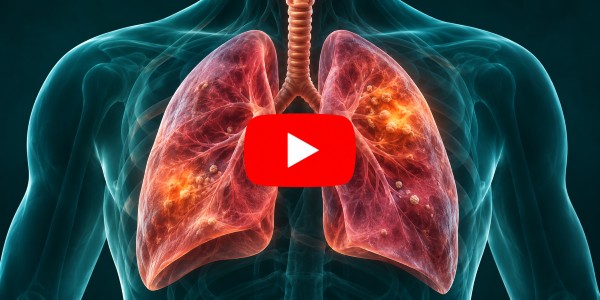
👉 DON’T TRY THIS “TUBERCULOSIS ATTACKS THE LUNGS?” UNTIL YOU SEE THIS
Learn how tuberculosis attacks the lungs, why TB can cause a lasting cough and lung damage, how it spreads, and when to get tested after a potential exposure.
This form of active disease is called pulmonary tuberculosis, or pulmonary TB. It can cause a persistent cough, chest pain, fever, night sweats, and unexplained weight loss.
Many people who become infected have latent TB, which causes no symptoms and cannot spread to others. Testing and a medical evaluation help distinguish the two.
How Tuberculosis Reaches the Lungs
A person with infectious TB in the lungs or throat can release bacteria into the air while coughing, speaking, or singing.
Someone nearby may breathe in the tiny particles carrying the bacteria. Some particles are small enough to travel through the airways and reach the alveoli, the air sacs where oxygen enters the bloodstream.
The setting affects the likelihood of exposure. Living with someone who has infectious TB or repeatedly sharing an enclosed, poorly ventilated room can create more opportunity to breathe in the bacteria.
Shared indoor air matters more than shared objects. Handshakes, dishes, toilet seats, and bedding are not typical routes of TB transmission.
Exposure, infection, and disease are three different events. A person may share air with someone who has TB and never become infected.
Someone who does become infected may remain well for years. How closely and how long someone was exposed helps a care team decide whether and when to test.
👉 DON’T TRY THIS “TUBERCULOSIS ATTACKS THE LUNGS?” UNTIL YOU SEE THIS
What TB Bacteria Do Inside the Lungs
Immune cells take up the bacteria
Once the bacteria reach the air sacs, immune cells called alveolar macrophages engulf them. These cells normally break down inhaled microbes and debris.
TB bacteria can survive inside some macrophages, where they may multiply. The infected cells send signals that draw additional immune cells to the area.
This early stage can occur without a noticeable cough or fever. How a person feels at this point tells little about whether exposure led to infection.
Granulomas form around areas of infection
The immune system can organize cells into clusters called granulomas. A granuloma helps concentrate the immune response around an area of infection.
If the body controls the bacteria, the infection may remain inactive. Some bacteria can persist for years, which is why active TB can develop long after the original exposure.
Granulomas vary, even within the same person. Some areas heal or scar, while others continue to show inflammation.
A granuloma or calcified spot on a scan has several possible causes. Clinicians interpret it alongside symptoms, exposure history, and other test results.
Inflammation and tissue breakdown can leave cavities
In active TB, some areas of lung tissue die. Doctors call one characteristic pattern caseous necrosis, after the soft, crumbly appearance of the damaged tissue.
If this material breaks down and drains into an airway, it can leave a hollow space called a cavity. Pulmonary TB can also damage the lungs without forming cavities.
A cavity that opens into an airway can allow bacteria to enter mucus and be released when the person coughs.
Cavities can raise concern about infectiousness, and sputum results and the response to treatment help the care team assess whether someone can still spread TB.
How Pulmonary TB Affects Breathing and Lung Function
TB can damage the small airways and surrounding lung tissue. Inflammation can narrow airways, and damage around the air sacs can reduce the amount of healthy lung available for gas exchange.
A person with extensive disease may become winded walking or climbing stairs, especially if they already have a lung condition.
TB can also inflame the pleura, the thin lining around the lungs. Fluid can collect between the lining and the lung, causing breathlessness or sharp pain with a deep breath.
If inflammation damages blood vessels in or near an airway, blood can appear in the mucus a person coughs up. In some cases, bacteria spread through the lymphatic system or bloodstream.
They can reach organs such as the brain, kidneys, or spine. Widespread infection is called miliary TB. It is a serious complication, especially in people with weakened immune defenses.
Latent TB Infection and Active Pulmonary TB
With latent TB infection, the immune system keeps the bacteria under control. A person feels well and cannot pass TB to others.
A skin or blood test may indicate TB infection, and the rest of the evaluation shows no evidence of active disease. Preventive treatment reduces the chance that the infection will become active later.
With active pulmonary TB, the bacteria are causing disease in the lungs. Some people develop a noticeable cough or lose weight. Others have mild symptoms for a time, which can delay diagnosis.
Active TB in the lungs or throat can spread through the air, so the care team may recommend temporary precautions while testing or treatment is underway.
Disease can develop soon after infection or years later. The risk of progression is higher after a recent infection and among people living with HIV, young children, and people taking certain immune-suppressing medications.
Diabetes and some other chronic conditions can also increase risk. A history of TB exposure is worth mentioning before starting medicines that suppress the immune system.
Symptoms of Active Tuberculosis in the Lungs
A cough lasting three weeks or longer is a common sign of pulmonary TB. It may start mildly and eventually bring up mucus.
A persistent cough accompanied by fever, drenching night sweats, or unexplained weight loss warrants evaluation, especially after known exposure.
Other possible symptoms include:
- Chest pain, sometimes with coughing or deep breathing
- Blood in the mucus or coughing up blood
- Fever, chills, or night sweats
- Loss of appetite or unintentional weight loss
- Unusual tiredness or weakness
Symptoms can develop gradually and overlap with other illnesses. Pneumonia and other lung conditions can cause a cough, fever, and chest discomfort.
The duration of symptoms, exposure history, and test results help narrow down the cause. If you know you were exposed, seek guidance promptly, even if your cough is new or you feel well.
Any blood in coughed-up mucus deserves prompt medical assessment. Seek emergency care if you cough up more than a few spots or streaks of blood, or if the bleeding occurs with trouble breathing or chest pain. These signs can have several serious causes that require urgent evaluation.
👉 DON’T TRY THIS “TUBERCULOSIS ATTACKS THE LUNGS?” UNTIL YOU SEE THIS
How Doctors Test for Pulmonary Tuberculosis
Blood and skin tests look for an immune response
A TB blood test, also called an interferon-gamma release assay or IGRA, measures whether immune cells respond to specific TB proteins.
The tuberculin skin test measures the skin’s reaction to a small injection. Both can help identify infection. A positive result needs follow-up to determine whether the infection is latent or active.
A negative test can miss a recent infection because the immune response takes time to develop. If you had close contact with someone with infectious TB and your initial test was negative, your clinician may recommend repeating it 8 to 10 weeks after your last exposure.
Symptoms or a high-risk exposure may warrant immediate evaluation while follow-up testing is arranged.
Chest imaging and sputum tests look for active disease
A chest X-ray can reveal abnormal areas, including inflammation or cavities. Other illnesses can produce similar changes.
Old scars may also remain visible after a previous infection has healed, so a clinician may compare the image with earlier scans if they are available.
A sputum sample contains mucus coughed up from deep in the lungs. A rapid molecular test can detect genetic material from TB bacteria, and some tests can flag resistance to certain drugs.
A culture takes longer and helps confirm the diagnosis. Drug susceptibility testing helps the team determine which medicines are likely to work.
A single negative result may leave questions when symptoms, imaging, or exposure strongly suggest TB. Clinicians may collect additional sputum samples or order other tests.
Tell the team if you have ever had a positive TB test, completed TB treatment, or received the BCG vaccine. That history can affect which tests are most useful.
👉 DON’T TRY THIS “TUBERCULOSIS ATTACKS THE LUNGS?” UNTIL YOU SEE THIS
Treatment for Active Pulmonary TB
Pulmonary TB is curable with an appropriate course of antibiotics. Clinicians prescribe a combination of medicines to clear the infection and reduce the risk of drug resistance.
In the United States, treatment for drug-susceptible pulmonary TB commonly takes four to nine months, depending on the regimen and the person’s eligibility. Drug-resistant TB requires a regimen chosen for the particular resistance pattern.
The care team considers the test results, where the disease is located, other health conditions, and potential drug interactions.
Bring a list of prescription medicines, over-the-counter products, and supplements to treatment visits. If side effects or scheduling problems make doses hard to manage, contact the team promptly so it can help you stay on course.
Finishing the prescribed course gives treatment the best chance of clearing the infection and reduces the risk of the disease returning. Cough and fever can ease before treatment is complete.
The care team follows symptoms and, when appropriate, repeat sputum testing to check progress and advise when precautions can end.
Lung Recovery After TB Treatment
Many people breathe more easily as the infection clears and inflammation settles. Recovery depends on how much lung tissue was affected, how quickly treatment began, and whether there was an existing lung condition.
Some people recover with few lasting symptoms. Others continue to experience cough, breathlessness, or reduced exercise tolerance.
Clinicians use post-tuberculosis lung disease to describe lasting lung problems attributable at least in part to previous TB.
These can include scarring, also called fibrosis, and bronchiectasis, in which damaged airways widen and mucus becomes harder to clear. Some people have airflow limitation, which can make physical activity more demanding.
A returning cough, renewed weight loss, fever, or night sweats after treatment warrants reassessment. These symptoms can occur with recurrent TB or another illness.
For ongoing breathing problems, a clinician may recommend lung function tests, repeat imaging, or pulmonary rehabilitation, depending on the findings and the person’s needs.
Common TB Myths and Mistakes
A cough is an unreliable measure of contagiousness
A severe cough can raise concern, but people with pulmonary TB sometimes have mild symptoms. A cough may also persist after successful treatment because of prior damage.
The care team considers the disease location, sputum results, and response to treatment when advising someone about returning to work, school, or shared spaces.
Steam, herbal mixtures, and lung detoxes cannot cure TB
Online posts sometimes promote steam inhalation, garlic, herbal drinks, or detox supplements as ways to clear a lung infection.
A warm drink may feel soothing, but comfort is different from clearing TB bacteria. Delaying antibiotics for a home remedy gives active disease more time to damage the lungs and potentially spread.
An old scar on an X-ray does not prove active TB
Scar tissue can remain after treatment or develop for other reasons. Imaging is one part of the evaluation. New symptoms, a change from an earlier image, or bacteria detected in sputum can help clinicians decide what an abnormal image means.
Prior vaccination still leaves a role for testing
The BCG vaccine helps protect young children against severe forms of TB. People who received it can still develop TB and may need testing after an exposure.
A TB blood test is generally preferred for people who have received BCG because the vaccine can affect the skin test result.
Practical Steps After a Possible TB Exposure
If someone you live or spend time indoors with is diagnosed with infectious TB, ask a clinician or public health team about testing.
Be ready to share when you last spent time together, whether the space was enclosed, and whether you have symptoms. The timing helps determine whether you need an initial test, a repeat test, or evaluation for active disease.
Children younger than five and people with weakened immune systems should receive prompt advice after close exposure.
They are more likely to progress to active disease if infected, and waiting for symptoms can delay care. A clinician may recommend additional steps while awaiting a repeat test, based on the person’s age and health.
If you have symptoms consistent with TB, tell the clinic about the possible exposure before arriving so staff can plan the visit.
If you are diagnosed with infectious TB, follow your team’s instructions about masks, ventilation, time away from shared indoor spaces, and when you can resume regular activities. Household members may also be offered testing.
👉 DON’T TRY THIS “TUBERCULOSIS ATTACKS THE LUNGS?” UNTIL YOU SEE THIS
Why Early Diagnosis Matters
Early evaluation can help people start treatment before more lung tissue is damaged. It can also identify close contacts who might benefit from testing.
For those with latent TB, preventive treatment offers a chance to reduce the risk of active disease before any symptoms appear.
The first signs of pulmonary TB are often easy to explain away. A lingering cough might seem like the end of a cold, and fatigue or weight loss may have several possible causes. Mentioning a known exposure or previous positive TB test gives your clinician context that symptoms alone cannot provide.
The distinction between recovering from an infection and recovering lung function also matters. Once treatment clears active TB, someone who remains short of breath may still benefit from follow-up.
Identifying scarring, airway damage, or a separate condition can guide the next steps and help someone understand why activities that used to feel easy now take more effort.
What to share at a TB evaluation
Write down when your cough or fever started and whether either has changed. Mention any blood in your mucus, even if it happened only once.
If you know about an exposure, give the date of your most recent contact and describe the setting. That information can help the clinician interpret a negative result and decide whether follow-up testing is needed.
Bring any previous TB test results, chest X-ray reports, or records of TB treatment that you have. A TB blood or skin test can stay positive after successful treatment.
The earlier records help the clinician interpret that result and choose the tests that can answer the question you came in with.
Conclusion
Tuberculosis attacks the lungs when inhaled bacteria reach the air sacs, survive inside immune cells, and cause inflammation that can destroy lung tissue.
Some people develop cavities, scarring, or lasting breathing problems. Others keep the infection under control as latent TB, which causes no symptoms and cannot spread.
A persistent cough, unexplained weight loss, night sweats, or close exposure to someone with infectious TB is reason to seek evaluation.
Testing can determine whether you need preventive treatment or a full course of antibiotics for active disease. Timely treatment can cure pulmonary TB, limit further lung damage, and reduce the risk of passing it to others.
👉 DON’T TRY THIS “TUBERCULOSIS ATTACKS THE LUNGS?” UNTIL YOU SEE THIS
References
https://www.webmd.com/lung/understanding-tuberculosis-basics
https://www.mayoclinic.org/diseases-conditions/tuberculosis/symptoms-causes/syc-20351250
https://www.healthline.com/health/pulmonary-tuberculosis
.
About Us
