
Does Type 2 Diabetes Produce Insulin? Causes & Treatment
Type 2 diabetes is a common chronic metabolic condition that affects how the body produces and uses insulin, a hormone responsible for regulating blood sugar levels.
In the early stages of type 2 diabetes, the pancreas often continues producing insulin and may even release larger amounts than normal to compensate for the body’s reduced sensitivity to the hormone.
Over time, the body’s ability to respond to insulin may decline, causing glucose to build up in the bloodstream instead of entering cells to be used for energy.
Does Type 2 Diabetes Produce Insulin? explains how insulin resistance affects pancreatic function, why insulin production declines, and how treatments help control blood sugar and prevent complications.

👉 DON’T TRY THIS “DOES TYPE 2 DIABETES PRODUCE INSULIN?” UNTIL YOU SEE THIS
As type 2 diabetes progresses, the insulin-producing beta cells in the pancreas may gradually lose their ability to meet the body’s rising insulin demands, contributing to persistently high blood sugar.
Understanding how insulin production changes throughout type 2 diabetes can help individuals recognize the importance of early diagnosis, healthy lifestyle choices, regular monitoring, and appropriate medical treatment.
This guide explains whether type 2 diabetes produces insulin, how insulin resistance develops, why insulin production may decrease, and which treatments help maintain healthy blood sugar levels.
Does Type 2 Diabetes Produce Insulin?
Yes, people with type 2 diabetes usually continue producing insulin, particularly during the early stages of the condition.
In fact, some individuals initially produce more insulin than people without diabetes because their bodies become resistant to its effects.
Its primary function is to help glucose move from the bloodstream into muscle, fat, and other cells, where glucose can be used for energy or stored for future needs.
In type 2 diabetes, the body’s cells become less responsive to insulin. This condition, known as insulin resistance, forces the pancreas to work harder to maintain normal blood sugar levels.
Initially, the pancreas may compensate by releasing additional insulin. However, increased insulin production cannot always overcome the body’s resistance.
As the condition progresses, pancreatic beta cells may become less effective, resulting in insufficient insulin production relative to the body’s needs.
👉 DON’T TRY THIS “DOES TYPE 2 DIABETES PRODUCE INSULIN?” UNTIL YOU SEE THIS
What Is Insulin and Why Does the Body Need It?
Insulin is an essential hormone produced by pancreatic beta cells. It plays a central role in regulating glucose metabolism and maintaining the body’s energy balance.
After eating carbohydrate-containing foods, the digestive system breaks many carbohydrates down into glucose, which enters the bloodstream.
Insulin helps muscle and fat cells absorb glucose and signals the liver to reduce glucose production. It also encourages the storage of excess glucose as glycogen.
When the body becomes resistant to insulin, or the pancreas cannot produce sufficient amounts, glucose remains elevated in the bloodstream.
Persistently high glucose levels can damage blood vessels, nerves, kidneys, eyes, and other organs over time.
How Does Insulin Production Work in Type 2 Diabetes?
Insulin production and effectiveness change throughout the development of type 2 diabetes. These changes generally involve three overlapping processes.
1. The Body Develops Insulin Resistance
Insulin resistance occurs when muscle, fat, and liver cells become less responsive to insulin. Because insulin cannot perform its functions as efficiently, the body requires larger amounts of the hormone to maintain normal glucose levels.
Insulin resistance is associated with several factors, including excess abdominal fat, physical inactivity, genetics, and certain metabolic conditions.
2. The Pancreas Produces Additional Insulin
During the early stages, pancreatic beta cells often increase insulin secretion to compensate for insulin resistance.
This compensatory response may maintain normal blood sugar levels for years, even when insulin concentrations are elevated.
3. Insulin Production Becomes Insufficient
As beta-cell function declines, the pancreas may struggle to produce enough insulin to overcome the body’s resistance.
Some individuals eventually develop substantial insulin deficiency and require additional medication or insulin therapy.
👉 DON’T TRY THIS “DOES TYPE 2 DIABETES PRODUCE INSULIN?” UNTIL YOU SEE THIS
Does Type 2 Diabetes Stop Insulin Production Completely?
Type 2 diabetes does not usually stop insulin production completely. The pancreas continues producing insulin, particularly during the early stages of the condition.
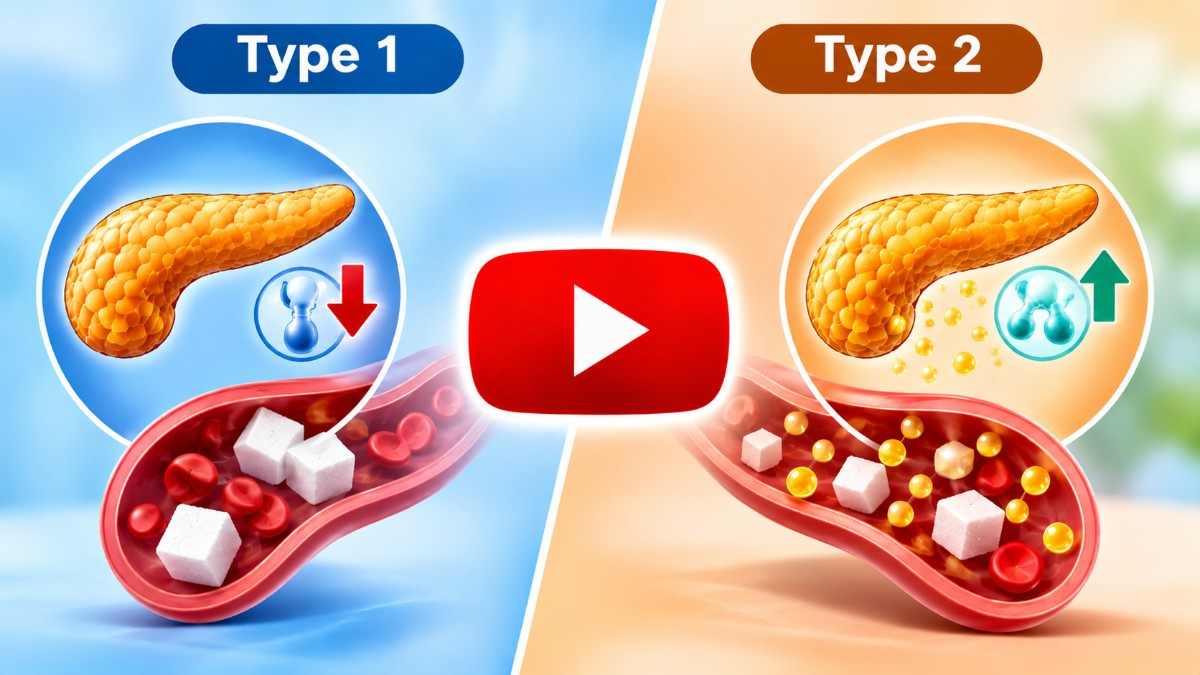
Unlike type 1 diabetes, which destroys insulin-producing beta cells, type 2 diabetes develops mainly through insulin resistance and gradually declining pancreatic function.
As insulin resistance increases, the pancreas works harder to produce enough insulin. Over time, beta cells may struggle to meet the body’s growing insulin demands.
In advanced type 2 diabetes, insulin production may decrease significantly, making blood sugar difficult to control. However, some natural insulin production often remains.
The amount of insulin produced varies depending on disease progression and pancreatic health. Proper treatment helps manage blood sugar and reduce diabetes-related complications.
Type 1 vs. Type 2 Diabetes: Insulin Production Differences
Although both conditions cause elevated blood glucose levels, their underlying mechanisms are different.
| Feature | Type 1 Diabetes | Type 2 Diabetes |
|---|---|---|
| Primary cause | Autoimmune beta-cell destruction | Insulin resistance and beta-cell dysfunction |
| Insulin production | Usually becomes very low or absent | Often present, especially initially |
| Insulin resistance | Not the primary cause | Major contributing factor |
| Typical development | Often develops relatively quickly | Usually develops gradually |
| Insulin injections | Essential for survival | Needed by some individuals |
| Treatment approach | Insulin therapy and glucose management | Lifestyle changes, medications, sometimes insulin |
| Age of diagnosis | Any age | Any age, more common in adults |
👉 DON’T TRY THIS “DOES TYPE 2 DIABETES PRODUCE INSULIN?” UNTIL YOU SEE THIS
Why Does the Body Stop Responding Properly to Insulin?
Insulin resistance develops through complex interactions involving genetics, body composition, cellular signaling, and metabolic health.
Excess Abdominal Fat
Excess visceral fat, which accumulates around internal organs, is strongly associated with insulin resistance.
This tissue releases substances that can interfere with normal insulin signaling and glucose metabolism.
Physical Inactivity
A sedentary lifestyle can reduce insulin sensitivity, making it more difficult for the body to regulate blood sugar effectively.
Genetic Factors
Family history can influence an individual’s likelihood of developing type 2 diabetes. Inherited differences may affect insulin secretion, insulin sensitivity, and the body’s ability to process glucose.
Poor Sleep and Chronic Stress
Insufficient sleep and prolonged stress may influence hormones involved in blood sugar regulation. Stress-related hormones, including cortisol, can increase glucose production and contribute to insulin resistance.
Metabolic Conditions
High blood pressure, abnormal cholesterol levels, fatty liver disease, and certain hormonal conditions frequently occur alongside insulin resistance.
Type 2 diabetes can also develop in individuals who are physically active or have a body weight within the usual healthy range.
👉 DON’T TRY THIS “DOES TYPE 2 DIABETES PRODUCE INSULIN?” UNTIL YOU SEE THIS
What Happens When the Pancreas Cannot Produce Enough Insulin?
When the pancreas cannot release enough insulin to meet the body’s needs, blood glucose levels remain elevated.
This condition is sometimes described as relative insulin deficiency because the body still produces insulin, but the available amount is insufficient.
As glucose accumulates in the bloodstream, individuals may experience increased thirst, frequent urination, fatigue, and blurred vision.
Prolonged hyperglycemia can also affect circulation, kidney function, nerve health, and cardiovascular health.
Doctors may recommend additional medications, changes to existing treatment, or insulin therapy depending on blood sugar measurements and overall health.
Early intervention can help reduce the risk of complications and improve long-term diabetes management.
How Do Doctors Check Insulin Production in Type 2 Diabetes?
Doctors use several diagnostic tests to evaluate blood glucose control and, when necessary, pancreatic insulin production.
1. Hemoglobin A1C Test
An A1C level of 6.5% or higher meets a diagnostic threshold for diabetes, usually requiring confirmation when symptoms are absent.
2. Fasting Blood Glucose Test
A fasting blood glucose level of 126 mg/dL or higher can indicate diabetes when confirmed appropriately.
The test helps identify abnormal glucose regulation but cannot independently determine how much insulin the pancreas produces.
3. C-Peptide Test
A C-peptide test can help estimate how much insulin the pancreas produces naturally. The pancreas releases C-peptide when it processes proinsulin into insulin.
Doctors may recommend this test when the type of diabetes is uncertain or when evaluating substantial insulin deficiency.
4. Insulin Blood Test
An insulin blood test measures circulating insulin concentrations. Insulin levels fluctuate throughout the day and are affected by meals, medications, and insulin resistance.
👉 DON’T TRY THIS “DOES TYPE 2 DIABETES PRODUCE INSULIN?” UNTIL YOU SEE THIS
Can People With Type 2 Diabetes Increase Insulin Production?
Some individuals with type 2 diabetes can improve their body’s insulin response and preserve remaining pancreatic function through appropriate treatment.
The primary objective is not necessarily to force the pancreas to produce more insulin. Instead, treatment often focuses on reducing insulin resistance and improving blood glucose regulation.
Regular physical activity can help muscles use glucose more efficiently, reducing the amount of insulin required.
Weight management may improve insulin sensitivity, particularly in individuals carrying excess abdominal fat.
Certain diabetes medications also influence insulin secretion or improve the body’s response to insulin.
How Is Type 2 Diabetes Treated?
Type 2 diabetes treatment depends on blood glucose levels, other medical conditions, personal preferences, and the individual’s response to therapy.
Healthy Dietary Changes
Balanced meals containing vegetables, whole grains, lean proteins, and fiber-rich foods can support blood glucose management.
Reducing sugar-sweetened beverages and limiting highly refined carbohydrates may help prevent sharp glucose increases.
Regular Physical Activity
Many adults benefit from approximately 150 minutes of moderate-intensity physical activity weekly, combined with resistance training.
Exercise plans should be adjusted for individual health conditions and medication-related hypoglycemia risks.
Metformin
Metformin primarily reduces glucose production by the liver and improves blood sugar regulation. It is commonly prescribed for type 2 diabetes, depending on the individual’s medical circumstances.
GLP-1 Receptor Agonists
GLP-1 receptor agonists help regulate glucose-dependent insulin secretion, reduce glucagon activity, and slow stomach emptying.
SGLT2 Inhibitors
SGLT2 inhibitors lower blood glucose by increasing glucose elimination through urine. Certain medications in this class also provide important heart and kidney benefits.
Insulin Therapy
Some people with type 2 diabetes require insulin injections when their natural insulin production cannot adequately control blood glucose.
Insulin may also be needed temporarily during severe illness, hospitalization, or significant hyperglycemia.
👉 DON’T TRY THIS “DOES TYPE 2 DIABETES PRODUCE INSULIN?” UNTIL YOU SEE THIS
Does Everyone With Type 2 Diabetes Eventually Need Insulin?
Some individuals maintain adequate blood glucose control for many years through lifestyle modifications and non-insulin medications.
Others may require insulin because their pancreatic beta-cell function declines or their blood glucose becomes difficult to manage.
The decision depends on individual circumstances rather than a fixed timeline. Regular medical appointments help determine whether treatment adjustments are necessary.
👉 DON’T TRY THIS “DOES TYPE 2 DIABETES PRODUCE INSULIN?” UNTIL YOU SEE THIS
Can Type 2 Diabetes Go Into Remission?
Type 2 diabetes can enter remission in some individuals, particularly following substantial and sustained weight loss.
Remission generally means maintaining an A1C below 6.5% for at least three months without glucose-lowering medication.
Remission does not mean that diabetes has been permanently cured. Insulin resistance and pancreatic dysfunction may persist, and blood glucose can increase again.
What Are the Warning Signs of Low Insulin Effectiveness?
Symptoms of poorly controlled type 2 diabetes may include:
-
Frequent Urination: Elevated blood glucose causes the kidneys to remove excess glucose through urine.
-
Excessive Thirst: Increased urination can contribute to dehydration and persistent thirst.
-
Unexplained Fatigue: Difficulty regulating glucose may contribute to reduced energy.
-
Blurred Vision: Blood glucose fluctuations can temporarily affect vision.
-
Slow Wound Healing: Persistent hyperglycemia can interfere with normal healing.
-
Unexplained Weight Loss: Significant insulin deficiency can cause the body to break down stored fat and muscle.
Some individuals experience no noticeable symptoms, making regular screening especially important for those with risk factors.
Severe weakness, vomiting, abdominal pain, confusion, or difficulty breathing alongside high blood sugar requires urgent medical assessment.
Final Thoughts
In most cases, the condition develops because insulin resistance and pancreatic dysfunction interfere with normal glucose regulation.
Early diagnosis is particularly valuable because appropriate treatment may help preserve pancreatic function and reduce prolonged exposure to elevated blood sugar.
Healthy eating, regular exercise, sufficient sleep, and weight management can all contribute to improved insulin sensitivity and overall metabolic health.
Modern diabetes medications also provide effective options for controlling blood glucose, with certain treatments offering additional cardiovascular and kidney benefits.
👉 DON’T TRY THIS “DOES TYPE 2 DIABETES PRODUCE INSULIN?” UNTIL YOU SEE THIS
.
.
.
.
References
https://www.niddk.nih.gov/-/media/Files/Diabetes/Causes_of_Diabetes_508.pdf
https://medlineplus.gov/genetics/condition/type-2-diabetes/
https://www.govinfo.gov/content/pkg/GOVPUB-HE20-PURL-LPS115346/pdf/GOVPUB-HE20-PURL-LPS115346.pdf
.
.
About Us
