
Do All Living Things Have a Brain? Science Explained
No, not all living things have a brain. While humans and many animals depend on brains to process information, coordinate movement, and regulate essential functions, numerous living organisms survive without one.
Plants, bacteria, fungi, jellyfish, sea sponges, and starfish demonstrate that life does not always require a centralized brain.
The brain is an essential part of the nervous system in many animals, helping control movement, process sensory information, and coordinate vital body functions.
However, organisms without brains use alternative biological mechanisms, including chemical communication, electrical signaling, cellular coordination, and environmental responses.
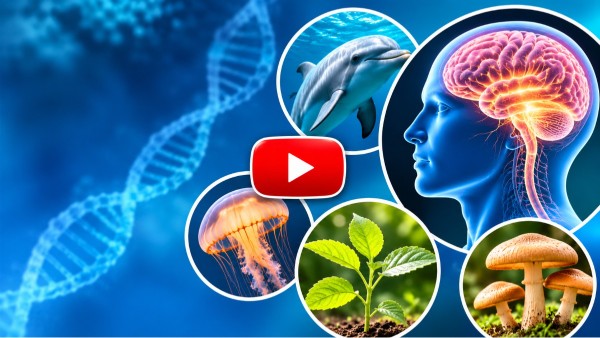
👉 DON’T TRY THIS “DO ALL LIVING THINGS HAVE A BRAIN” UNTIL YOU SEE THIS
Do All Living Things Have a Brain? explains which organisms have brains, how plants and animals survive without them, and how different living things function.
What Is a Brain, and Why Is It Important?
A brain is a specialized organ composed primarily of nerve cells called neurons and supporting cells called glia. It receives information, processes signals, and coordinates activities throughout an animal’s body.
In humans, the brain controls movement, memory, emotions, learning, sensory processing, and numerous automatic bodily functions.
Its major responsibilities include:
- Sensory processing: Interpreting information received through sensory organs.
- Movement coordination: Controlling voluntary movements and helping regulate posture.
- Memory and learning: Storing information and adapting behavior through experience.
- Body regulation: Helping manage breathing, temperature, and internal balance.
- Decision-making: Evaluating information and coordinating appropriate responses.
Although brains provide important advantages, many biological functions can occur without centralized neural processing.
Do All Living Things Have a Brain?
Not every living organism possesses a brain because brains are not necessary for every form of biological activity.
Living things include animals, plants, fungi, bacteria, archaea, and various single-celled organisms. Most of these groups do not possess neurons or recognizable brain structures.
For example, jellyfish use distributed nerve networks, while sponges coordinate cellular functions without conventional neurons.
Plants regulate growth through hormones, electrical signals, and cellular communication. Bacteria detect environmental changes using specialized molecular systems.
These examples demonstrate that survival depends on effective biological coordination rather than the presence of a brain.
👉 DON’T TRY THIS “DO ALL LIVING THINGS HAVE A BRAIN” UNTIL YOU SEE THIS
Which Living Things Do Not Have a Brain?
Many familiar organisms survive successfully without brains. Their biological structures and communication systems differ significantly from those found in mammals.
1. Jellyfish
Jellyfish are among the best-known animals that do not have a centralized brain. Instead, they possess a network of interconnected nerve cells called a nerve net.
This network allows jellyfish to detect environmental changes, coordinate swimming movements, capture prey, and respond to potential threats.
2. Starfish
Starfish, also called sea stars, lack centralized brains but possess organized nervous systems. A nerve ring surrounds their mouth, while radial nerves extend into their arms.
Their unusual nervous system demonstrates how decentralized neural processing can support complex physical activities.
3. Sea Sponges
Sea sponges are simple multicellular animals that lack both brains and conventional nervous systems. They survive by filtering water through tiny openings in their bodies.
Specialized cells capture food particles, exchange nutrients, and help maintain internal functions. Sponges also respond to environmental disturbances through cellular signaling mechanisms.
4. Sea Anemones and Corals
Sea anemones and corals belong to the animal group Cnidaria, which also includes jellyfish. These organisms generally use distributed nervous systems rather than centralized brains.
Their nerve networks coordinate feeding responses, tentacle movements, and reactions to environmental stimuli.
5. Plants
Plants do not possess brains, neurons, or animal-type nervous systems. However, they can detect sunlight, gravity, moisture, temperature, and various chemical signals.
For example, roots grow toward favorable conditions, while leaves adjust their orientation toward available sunlight.
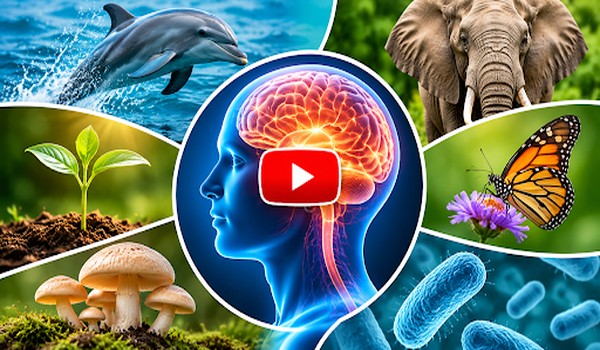
👉 DON’T TRY THIS “DO ALL LIVING THINGS HAVE A BRAIN” UNTIL YOU SEE THIS
Do Plants Have Brains or Intelligence?
Plants do not have brains, but their sophisticated responses to environmental conditions have generated scientific interest.
Some researchers investigate whether certain plant behaviors can be described using broad concepts of learning, memory, or intelligence.
Plants respond to environmental information through biological signaling pathways rather than animal-like neural networks.
Their adaptive abilities include recognizing seasonal changes, responding to environmental stress, regulating growth, and communicating chemically.
Some plants release defensive compounds after insect attacks, while others alter root development based on available nutrients.
Can Bacteria Survive Without a Brain?
Bacteria are single-celled organisms that do not possess brains or nervous systems. Despite their microscopic size, they can respond effectively to environmental conditions.
One important mechanism is chemotaxis, which allows certain bacteria to move toward beneficial substances or away from harmful chemicals.
Bacteria also use molecular signaling pathways to regulate metabolism, reproduce, and respond to stress.
Some species communicate through quorum sensing, a process that helps populations coordinate particular activities based on chemical signals.
Do Fungi Have Brains?
Fungi, including mushrooms, molds, and yeasts, do not possess brains. However, fungal organisms can detect environmental conditions and regulate growth through chemical and electrical processes.
Many fungi develop branching networks of microscopic filaments called hyphae. These structures form interconnected systems known as mycelium, which absorb nutrients and support fungal growth.
Researchers have investigated electrical activity within fungal networks, although this does not mean fungi have thoughts or human-like intelligence.
How Do Living Things Survive Without a Brain?
Organisms without brains depend on alternative systems that coordinate essential activities. These mechanisms vary depending on the organism’s structure, environment, and evolutionary history.
Chemical Communication
- Cells communicate by releasing and detecting chemical substances. These signals can regulate growth, reproduction, nutrient absorption, defense, and interactions with surrounding organisms.
Electrical Signaling
- Electrical signaling occurs in many biological systems, including organisms without nervous systems. Plants, for example, can transmit electrical changes that help coordinate responses to injury and other stimuli.
Cellular Coordination
- Individual cells can respond to chemical concentrations, temperature, light, and physical conditions. Multicellular organisms coordinate many activities through interactions between specialized cells.
Automatic Biological Processes
- Many essential processes operate through biochemical mechanisms rather than conscious decisions. Examples include cellular respiration, metabolism, nutrient transport, and DNA replication.
Do All Animals Have a Brain?
No, not all animals have brains. The animal kingdom contains considerable diversity in nervous system organization.
Some animals have well-developed brains, others possess small collections of neurons, and some lack nervous systems entirely.
The following comparison illustrates these differences.
| Living Organism | Has a Brain? | Biological Control System |
|---|---|---|
| Humans | Yes | Central nervous system |
| Dogs | Yes | Brain and spinal cord |
| Insects | Yes | Brain and nerve ganglia |
| Octopuses | Yes | Brain and distributed neural networks |
| Jellyfish | No centralized brain | Nerve net |
| Starfish | No centralized brain | Nerve ring and radial nerves |
| Sea sponges | No | Cellular signaling |
| Plants | No | Chemical and electrical signaling |
| Bacteria | No | Molecular signaling |
| Fungi | No | Cellular communication |
This comparison demonstrates that the presence of a brain varies considerably across living organisms.
👉 DON’T TRY THIS “DO ALL LIVING THINGS HAVE A BRAIN” UNTIL YOU SEE THIS
How Did Brains Evolve in Living Organisms?
Brains developed gradually through evolutionary processes rather than appearing in every living species.
Early organisms relied on cellular mechanisms to detect and respond to environmental changes. Over evolutionary time, specialized nerve cells emerged in certain animal lineages.
Some animals developed distributed nerve networks, while others evolved concentrations of neurons that eventually formed centralized processing structures.
This concentration of nervous tissue is called cephalization and is often associated with the development of a distinct head region.
However, the evolutionary origins of neurons remain an active scientific research topic, particularly concerning early animal groups.
Can Living Things Think Without a Brain?
If thinking refers to conscious reasoning, imagination, or deliberate decision-making, there is no established evidence that organisms without nervous systems possess these human-like abilities.
However, if the term refers broadly to processing information and adjusting responses, many organisms without brains demonstrate such capabilities.
Bacteria can change their movement in response to nutrients, while plants adjust their growth according to environmental conditions.
These examples involve biological information processing, but they should not automatically be interpreted as conscious thinking.
Does Having a Brain Mean an Organism Is Intelligent?
Possessing a brain does not automatically determine intelligence. Brain structure, neural organization, sensory abilities, and behavioral adaptations all influence an animal’s cognitive capabilities.
For example, insects possess relatively small brains yet can navigate complicated environments and perform learned behaviors.
Octopuses have sophisticated nervous systems that support exploration, learning, and problem-solving.
Humans possess highly developed brain networks associated with language, abstract reasoning, and complex social behavior. Therefore, intelligence cannot be accurately evaluated using brain size alone.
Conclusion
Not all living things have a brain, and many organisms survive successfully without centralized nervous systems.
Humans, mammals, birds, insects, and numerous other animals rely on brains for information processing and coordinated behavior. However, jellyfish, starfish, sea sponges, plants, bacteria, and fungi demonstrate alternative methods of biological regulation.
Chemical communication, electrical signaling, cellular coordination, and specialized sensory mechanisms enable organisms to respond to their surroundings without conventional brains.
Scientific research continues to explore the origins of nervous systems and the distinction between biological information processing and consciousness.
Ultimately, understanding how different organisms function reveals that life depends on diverse evolutionary adaptations rather than one universal control organ.
👉 DON’T TRY THIS “DO ALL LIVING THINGS HAVE A BRAIN” UNTIL YOU SEE THIS
References
https://en.wikipedia.org/wiki/Brain
https://www.healthline.com/health/human-body-maps/nervous-system
https://pubmed.ncbi.nlm.nih.gov/25696821/
About Us
