
How to Find a Neuromuscular Specialist for Neuropathy: Guide
Finding the right neuromuscular specialist for neuropathy can make an important difference in identifying the cause of nerve damage, understanding available treatments, and managing symptoms effectively.
The best starting point is usually a neurologist with specialized experience in peripheral nerve and muscle disorders, particularly someone familiar with electromyography (EMG), nerve conduction studies (NCS), and different types of peripheral neuropathy.
Neuropathy can cause burning feet, numbness, tingling, shooting pain, muscle weakness, and balance difficulties.
However, these symptoms don’t always share the same underlying cause. Diabetes, vitamin deficiencies, autoimmune conditions, medication effects, inherited disorders, and nerve compression can all contribute.
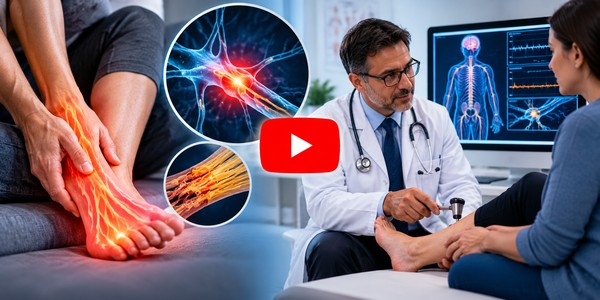
👉 DON’T TRY THIS “COMPLETE GUIDE TO NEUROPATHY MEDICATIONS” UNTIL YOU SEE THIS
In 2026, a more individualized approach to neuropathy diagnosis is receiving attention. Instead of relying on symptoms alone, specialists increasingly consider nerve patterns, targeted laboratory testing, electrodiagnostic findings, and small-fiber assessments.
What Is a Neuromuscular Specialist for Neuropathy?
A neuromuscular specialist is generally a neurologist with advanced clinical training in disorders affecting peripheral nerves, muscles, and the communication between them.
These specialists evaluate conditions such as:
- Peripheral neuropathy and polyneuropathy.
- Diabetic peripheral neuropathy.
- Small-fiber neuropathy.
- Hereditary neuropathies, including Charcot-Marie-Tooth disease.
- Chronic inflammatory demyelinating polyneuropathy (CIDP).
- Nerve compression and certain muscle disorders.
Their primary responsibility is to determine which nerves are affected, understand the likely cause, and develop an appropriate diagnostic and treatment plan.
Unlike a general pain clinic that may primarily focus on reducing discomfort, a neuromuscular specialist investigates the neurological condition responsible for symptoms.
When Should You See a Neuromuscular Specialist?
Not every episode of tingling requires a specialist. However, persistent, unexplained, or worsening neurological symptoms deserve medical evaluation.
Consider requesting a referral when you experience:
- Continuous numbness or burning in your feet or hands.
- Tingling that gradually spreads to other areas.
- Muscle weakness or unexplained muscle wasting.
- Difficulty walking, climbing stairs, or maintaining balance.
- Repeated falls or reduced coordination.
- Unexplained nerve pain that interferes with sleep.
- Symptoms that continue despite initial treatment.
People with diabetes, autoimmune diseases, a family history of inherited neuropathy, or previous chemotherapy exposure may also benefit from an individualized neurological assessment.
Important: Sudden weakness, rapidly progressing paralysis, difficulty breathing or swallowing, or new neurological symptoms accompanied by severe imbalance require urgent medical attention. Do not wait for a routine specialist appointment.
Neurologist vs. Neuromuscular Specialist: What Is the Difference?
A neurologist evaluates and treats conditions involving the brain, spinal cord, and peripheral nervous system. A neuromuscular specialist has additional expertise in disorders affecting peripheral nerves and muscles.
For example, a general neurologist may evaluate headaches, seizures, movement disorders, and neuropathy.
A neuromuscular neurologist concentrates more specifically on nerve conduction abnormalities, muscle weakness, inherited nerve conditions, and complex peripheral neuropathies.
A primary care physician can also begin the investigation by reviewing medical history, medications, and common laboratory findings.
If symptoms are complicated, progressive, or unexplained, a referral to a neuromuscular specialist may provide a more focused evaluation.
👉 DON’T TRY THIS “COMPLETE GUIDE TO NEUROPATHY MEDICATIONS” UNTIL YOU SEE THIS
How to Find the Best Neuromuscular Specialist for Neuropathy
Finding a qualified neuropathy doctor involves more than searching online reviews. Consider these practical steps before scheduling an appointment.
1. Start With a Neurology Referral
Ask your primary care physician or existing neurologist whether your symptoms warrant evaluation by a neuromuscular specialist.
Explain when the symptoms started, whether they affect both sides of the body, and whether you experience pain, weakness, or balance problems.
A referral can also help you find specialists who regularly treat your suspected type of neuropathy.
2. Search Specialized Neurology Clinics
Look for hospital departments and medical centers offering neuromuscular medicine, peripheral nerve clinics, or electrodiagnostic services.
Useful search phrases include:
- Neuromuscular specialist for neuropathy near me.
- Best neurologist for peripheral neuropathy.
- Small-fiber neuropathy specialist.
- Peripheral nerve disease clinic.
- EMG and nerve conduction testing specialist.
Hospital directories and recognized professional organizations can help identify relevant clinicians.
3. Verify Medical Qualifications
Check whether the doctor has an active medical license and recognized neurology qualifications.
Look for additional neuromuscular fellowship training, experience with peripheral nerve conditions, relevant hospital affiliations, and familiarity with electrodiagnostic procedures.
In the United States, the American Association of Neuromuscular & Electrodiagnostic Medicine (AANEM) provides professional and patient resources.
In other countries, consult the relevant national medical council or specialist registration authority.
4. Check Experience With Your Type of Neuropathy
Not every neuropathy presents in the same way. Ask whether the specialist regularly evaluates diabetic, hereditary, inflammatory, toxic, compressive, and small-fiber neuropathies.
This is especially important when routine tests have not explained persistent symptoms.
👉 DON’T TRY THIS “COMPLETE GUIDE TO NEUROPATHY MEDICATIONS” UNTIL YOU SEE THIS
5. Compare Testing Facilities and Follow-Up Care
Ask whether the clinic offers EMG and NCS testing, appropriate laboratory investigations, and access to additional neurological assessments.
Also compare appointment availability, consultation fees, insurance coverage, communication, and follow-up arrangements.
A good specialist should explain test results and discuss the next steps rather than simply provide a diagnosis without context.
What Tests Does a Neuromuscular Specialist Use to Diagnose Neuropathy?
A thorough neuropathy evaluation generally begins with a detailed medical history and neurological examination.
The doctor may assess muscle strength, reflexes, walking ability, vibration sensation, temperature awareness, and responses to light touch.
➢ Electromyography (EMG)
EMG evaluates electrical activity within selected muscles. A small needle electrode records muscle activity while the patient rests or contracts the muscle.
The findings can help identify abnormalities involving nerves, muscles, or the communication between them.
➢ Nerve Conduction Studies (NCS)
NCS measures how quickly and effectively electrical signals travel through selected peripheral nerves.
Small electrodes are placed on the skin, and controlled electrical stimulation measures nerve responses.
EMG and NCS are often performed together when evaluating suspected large-fiber neuropathy, nerve compression, or muscle weakness.
Blood Tests for Neuropathy
Depending on symptoms and examination findings, a specialist may recommend:
- Blood glucose and HbA1c testing.
- Vitamin B12 assessment.
- Thyroid function testing.
- Kidney and liver function tests.
- Complete blood count.
- Serum protein electrophoresis or immunofixation.
The objective is to identify potentially treatable causes rather than order every available test.
What If Your EMG Results Are Normal?
A normal EMG or nerve conduction study does not automatically exclude every form of neuropathy.
Small-fiber neuropathy affects smaller nerve fibers responsible for pain, temperature, and certain autonomic functions. Conventional nerve conduction studies primarily evaluate larger nerve fibers.
When symptoms and examination findings suggest small-fiber involvement, a specialist may consider:
- Skin biopsy to measure intraepidermal nerve fiber density.
- Quantitative sensory testing.
- Autonomic function testing.
- Additional targeted laboratory investigations.
A 2026 review from the American Association of Neuromuscular & Electrodiagnostic Medicine examined diagnostic approaches to small-fiber neuropathy, including skin biopsy and laboratory screening.
👉 DON’T TRY THIS “COMPLETE GUIDE TO NEUROPATHY MEDICATIONS” UNTIL YOU SEE THIS
Latest Neuropathy Diagnosis Trends in 2026
Modern neuropathy evaluation increasingly emphasizes identifying the specific pattern of nerve involvement rather than using the same diagnostic approach for every patient.
➢ Pattern-Based Neuropathy Diagnosis
Specialists may classify symptoms according to whether they affect sensory, motor, autonomic, small-fiber, or large-fiber nerves.
They also consider whether symptoms are symmetrical, localized, progressive, or associated with particular medical conditions.
This approach helps narrow possible causes and guide further investigations.
➢ More Targeted Laboratory Testing
Recent research emphasizes selecting laboratory investigations according to medical history, neurological findings, and suspected neuropathy type.
Testing may investigate metabolic, nutritional, inflammatory, immune-related, and inherited causes.
This can help avoid unnecessary testing while improving the chance of identifying treatable conditions.
➢ Greater Attention to Small-Fiber Neuropathy
Small-fiber neuropathy is receiving increased clinical attention because patients may experience burning pain, abnormal temperature sensations, and autonomic symptoms despite normal routine nerve conduction results.
Specialized assessment can be important when conventional investigations do not explain the patient’s symptoms.
Viral Neuropathy Hacks: What Works and What Should You Avoid?
Social media frequently promotes nerve detox drinks, foot-soaking routines, vibration machines, red-light devices, and supplements as ways to repair damaged nerves.
However, testimonials and viral videos are not substitutes for clinical evidence.
Consider these important distinctions:
- Foot detox baths: They may feel relaxing, but they do not remove toxins from damaged nerves or diagnose neuropathy.
- Red-light therapy: Research into photobiomodulation and neuropathic pain continues, but results depend on the condition, device, and treatment protocol. It is not an established universal cure.
- Vibration devices: Some devices may support selected rehabilitation goals, but their suitability depends on sensation, balance, and the underlying diagnosis.
- Vitamin supplements: Correcting a confirmed nutritional deficiency may help. However, excessive vitamin B6 intake can itself cause nerve damage.
- Massage and foot exercises: Gentle, professionally guided movement may support mobility and comfort. Avoid aggressive massage, especially when sensation is reduced.
The safest approach is to discuss popular treatments with a qualified clinician before trying them.
👉 DON’T TRY THIS “COMPLETE GUIDE TO NEUROPATHY MEDICATIONS” UNTIL YOU SEE THIS
How to Prepare for Your First Neuromuscular Appointment
Preparation can make your consultation more productive.
Bring previous neurological reports, blood test results, medication lists, supplement labels, and relevant family medical history.
Write down when symptoms began, which body parts are affected, and whether symptoms are getting better or worse.
You can also maintain a simple symptom diary documenting burning sensations, numbness, sleep disturbances, walking difficulties, and possible triggers.
Do not discontinue prescribed medicines or begin high-dose supplements without discussing them with your healthcare professional.
Treatment Options After a Neuropathy Diagnosis
Treatment depends on the underlying cause, nerve involvement, and symptom severity.
A specialist may recommend managing blood glucose, correcting confirmed nutritional deficiencies, reviewing potentially harmful medications, or treating an identified immune-related condition.
For neuropathic pain, selected prescription medicines, including duloxetine, pregabalin, and certain tricyclic antidepressants, may be considered.
Physical therapy, balance exercises, protective footwear, and regular foot inspections can also support daily function.
Some inherited and inflammatory neuropathies require more specialized management. Treatment should therefore be individualized rather than based on a universal nerve-repair program.
Conclusion
Finding the right neuromuscular specialist for neuropathy starts with checking medical qualifications, peripheral nerve experience, diagnostic capabilities, and follow-up care.
A neurologist with neuromuscular expertise can investigate persistent numbness, burning pain, weakness, and unexplained nerve symptoms using an appropriate combination of examination, laboratory testing, and electrodiagnostic procedures.
Newer approaches to small-fiber assessment and pattern-based diagnosis are also improving how complex neuropathy cases are investigated.
However, viral nerve-repair hacks and unverified supplements should never replace professional evaluation.
The most important step is choosing a qualified specialist who investigates the underlying cause, explains the available options, and develops a practical plan for protecting nerve function and improving quality of life.
👉 DON’T TRY THIS “COMPLETE GUIDE TO NEUROPATHY MEDICATIONS” UNTIL YOU SEE THIS
Refereces
- Wikipedia – Peripheral Neuropathy
https://en.wikipedia.org/wiki/Peripheral_neuropathy
- Healthline – Peripheral Neuropathy: Causes, Symptoms, and Treatment
https://www.healthline.com/health/peripheral-neuropathy
- PubMed – Peripheral Neuropathy Research
https://pubmed.ncbi.nlm.nih.gov/?term=peripheral+neuropathy+diagnosis
About Us
