
Why Is My Heart Beating So Fast? Causes & Warning Signs
A suddenly racing heartbeat can feel alarming, especially when it occurs during rest or sleep. Understanding the possible causes can help you recognize when a fast heartbeat needs attention.
Why Is My Heart Beating So Fast? explores common triggers such as stress, anxiety, caffeine, dehydration, and physical activity that can temporarily increase your heart rate.
A resting heart rate above 100 beats per minute in adults is generally called tachycardia. However, a fast heartbeat does not always indicate a serious heart condition.
Why Is My Heart Beating So Fast? explores common causes, symptoms, warning signs, and treatment options for a racing heartbeat, along with healthy lifestyle habits that support heart health and cardiovascular wellness.
👉 DON’T TRY THIS “WHY IS MY HEART BEATING SO FAST” UNTIL YOU SEE THIS
Certain medical conditions, including anemia, thyroid disorders, abnormal heart rhythms, and electrolyte imbalances, may contribute to an unusually rapid heartbeat.
A racing heartbeat accompanied by chest pain, fainting, severe dizziness, or shortness of breath may indicate a medical emergency requiring immediate attention.
Managing stress, staying hydrated, limiting stimulants, and maintaining healthy habits can support cardiovascular wellness.
What Is Considered a Fast Heartbeat?
Your heart continuously pumps oxygen-rich blood throughout your body. Its rhythm is controlled by electrical signals that coordinate each heartbeat.
For most adults, a normal resting heart rate ranges from 60 to 100 beats per minute. However, resting heart rates can differ depending on age, fitness level, medications, and overall health.
A resting heart rate above 100 beats per minute is generally classified as tachycardia, although the circumstances surrounding the measurement matter.
For example, your heart naturally beats faster during exercise, emotional excitement, or stressful situations because your body requires additional oxygen.
A rapid heartbeat becomes more concerning when it occurs unexpectedly, persists without an obvious reason, or accompanies other symptoms.
| Heart Rate | General Interpretation |
|---|---|
| Below 60 BPM | May be normal in athletes or during sleep |
| 60–100 BPM | Typical adult resting range |
| Above 100 BPM | Tachycardia when measured at rest |
| 120–150 BPM | May occur with exertion or illness; unexplained resting rates warrant evaluation |
| Above 150 BPM | A very rapid rate that may indicate an abnormal rhythm, especially at rest |
These ranges are general guidelines rather than a diagnosis. Heart rate alone cannot determine whether a rhythm is dangerous.
👉 DON’T TRY THIS “WHY IS MY HEART BEATING SO FAST” UNTIL YOU SEE THIS
10 Common Reasons Why Your Heart Is Beating So Fast
A racing heartbeat can develop for several reasons, ranging from temporary lifestyle triggers to underlying cardiovascular conditions.
1. Stress and Anxiety
Stress and anxiety are common reasons for an increased heart rate. This natural fight-or-flight response increases your heart rate, breathing rate, and alertness.
When you experience emotional stress, your body releases hormones such as adrenaline that prepare you to respond to perceived threats.
People experiencing anxiety may also notice sweating, trembling, chest tightness, or a pounding sensation in their chest.
Anxiety-related palpitations are often temporary; recurring episodes should not automatically be attributed to stress without considering other causes.
2. Excessive Caffeine Consumption
Coffee, energy drinks, certain teas, pre-workout supplements, and some medications contain caffeine.
People who are sensitive to caffeine may experience palpitations, nervousness, or a racing heartbeat after consuming large amounts.
Reducing caffeine may help when symptoms repeatedly occur after consuming caffeinated beverages.
3. Dehydration
Dehydration occurs when your body loses more fluid than it receives. Dehydration can occur after excessive sweating, vomiting, diarrhea, or inadequate fluid intake.
When fluid levels decrease, circulating blood volume can fall, potentially causing your heart to beat faster to maintain adequate circulation.
Other dehydration symptoms may include dizziness, thirst, dry mouth, fatigue, and dark-colored urine.
Drinking enough water and replacing fluids lost during illness or exercise can help prevent dehydration-related increases in heart rate.
4. Physical Activity
Your heart naturally beats faster during exercise because working muscles require additional oxygen and nutrients.
Running, cycling, climbing stairs, and strength training can temporarily increase your heart rate. This response is usually normal, and your pulse should gradually decrease during recovery.
A heart rate that remains unusually elevated after exercise, particularly with dizziness or chest discomfort, may require medical evaluation.
👉 DON’T TRY THIS “WHY IS MY HEART BEATING SO FAST” UNTIL YOU SEE THIS
5. Lack of Sleep
Poor sleep can affect the autonomic nervous system, which helps regulate heart rate and blood pressure.
Insufficient sleep may increase stress hormone activity and contribute to an elevated resting heart rate.
Maintaining consistent sleep habits and addressing sleep disorders may help support healthier cardiovascular function.
6. Fever and Infection
When your body fights an infection, your temperature and metabolic demands may increase. Your heart often responds by beating faster to support circulation and the body’s immune response.
Fever-related tachycardia commonly improves as the underlying illness resolves.A very rapid heartbeat during an infection, especially with confusion, severe weakness, breathing difficulty, or low blood pressure, may indicate a serious medical problem.
7. Anemia
Anemia occurs when your body has insufficient healthy red blood cells or hemoglobin to transport oxygen effectively.
To compensate for reduced oxygen delivery, your heart may beat faster. Common symptoms include fatigue, weakness, pale skin, dizziness, and shortness of breath.
Iron deficiency is one possible cause, although anemia can develop for several other reasons. Treatment depends on identifying and correcting the underlying cause.
8. Overactive Thyroid
Hyperthyroidism occurs when the thyroid gland produces excessive thyroid hormones. These hormones influence metabolism, body temperature, and cardiovascular activity.
An overactive thyroid may cause a persistently fast heartbeat, palpitations, sweating, unexplained weight loss, and increased nervousness.
Some individuals may also develop irregular heart rhythms, including atrial fibrillation. Blood tests can help determine whether thyroid hormone levels are contributing to symptoms.
9. Medications and Stimulants
Certain medications and substances can increase heart rate. Some cold medicines containing decongestants, asthma medications, prescription stimulants, nicotine, and recreational stimulant drugs.
Some herbal supplements and high-caffeine products may also contribute to palpitations. Never stop prescribed medication without consulting your healthcare professional.
If symptoms begin after starting a medication, ask your clinician or pharmacist whether an increased heart rate is a possible side effect.
10. Heart Rhythm Disorders
An abnormal heart rhythm, or arrhythmia, can cause the heart to beat too quickly, too slowly, or irregularly.
Examples include supraventricular tachycardia, atrial fibrillation, and ventricular tachycardia. These conditions involve disturbances in the electrical signals controlling the heartbeat.
An electrocardiogram and additional heart monitoring may be necessary to identify the specific rhythm.
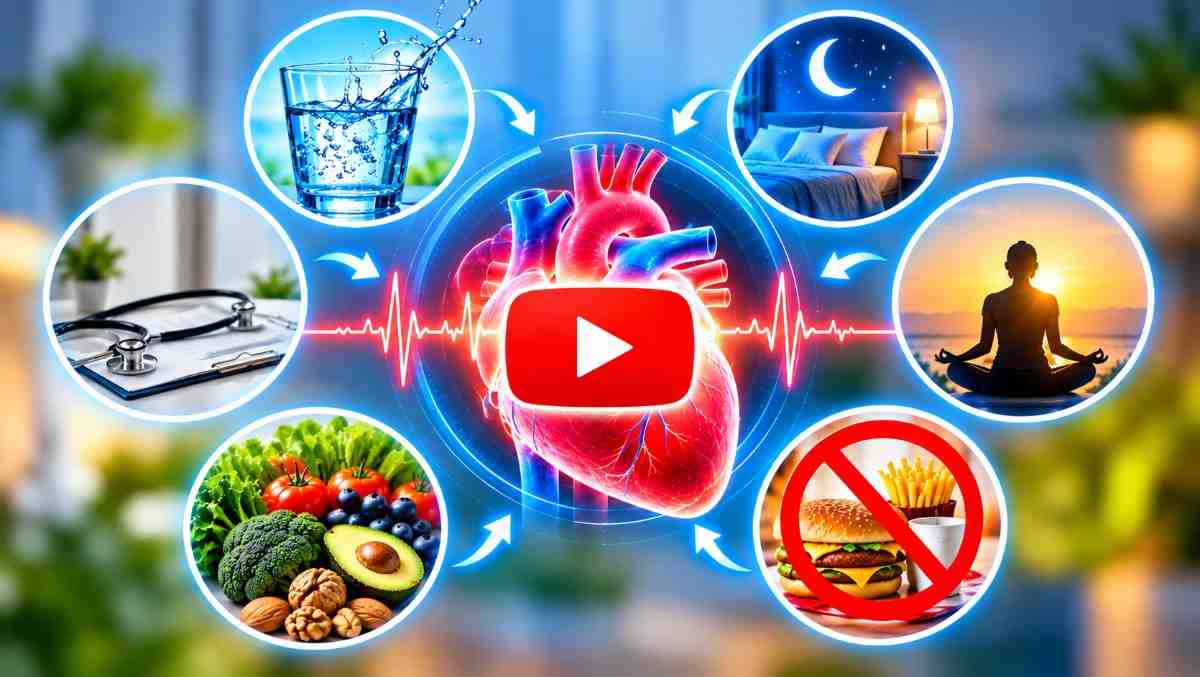
👉 DON’T TRY THIS “WHY IS MY HEART BEATING SO FAST” UNTIL YOU SEE THIS
Symptoms That May Accompany a Racing Heartbeat
A rapid heartbeat may occur alone or alongside other physical symptoms. The severity depends on the underlying cause and how effectively the heart continues pumping blood.
Common symptoms include:
-
Heart palpitations: A pounding, fluttering, or unusually noticeable heartbeat.
-
Dizziness: Feeling lightheaded or unsteady during episodes.
-
Shortness of breath: Difficulty breathing normally, even with minimal activity.
-
Chest discomfort: Pressure, tightness, or pain in the chest.
-
Fatigue: Unusual tiredness or weakness.
-
Sweating: Unexpected perspiration without physical exertion.
-
Fainting: Temporary loss of consciousness, which requires prompt medical attention.
Why Is My Heart Beating So Fast While Resting?
A fast heartbeat while resting can be particularly confusing because your body is not performing strenuous activity.
Possible explanations include dehydration, emotional stress, recent caffeine consumption, fever, medication effects, anemia, or thyroid disorders.
Occasionally, an abnormal electrical rhythm can cause sudden episodes of tachycardia even while sitting quietly.
Pay attention to whether the heartbeat begins gradually or suddenly, feels regular or irregular, and returns to normal after several minutes.
If your resting heart rate repeatedly exceeds 100 beats per minute without an obvious explanation, schedule a medical evaluation.
Why Does My Heart Beat Fast at Night?
Some people become more aware of their heartbeat while lying in bed because their surroundings are quiet and distractions are reduced.
Nighttime palpitations may also be associated with stress, alcohol, caffeine, certain medications, or disrupted sleep.
Sleep apnea can contribute to cardiovascular stress and abnormal heart rhythms, particularly when breathing repeatedly stops during sleep.
A large evening meal or acid reflux may produce uncomfortable chest sensations that are sometimes confused with heart-related symptoms.
Persistent nighttime palpitations should not be dismissed as harmless without appropriate assessment.
Is a Fast Heartbeat Dangerous?
Not every fast heartbeat represents a medical emergency. A temporary increase during exercise, excitement, or emotional stress is often a normal physiological response.
However, certain abnormal heart rhythms can interfere with the heart’s ability to pump blood effectively.
Depending on the condition, untreated arrhythmias may increase the risk of fainting, heart failure, stroke, or other cardiovascular complications.
The seriousness depends on the rhythm, duration, heart health, and accompanying symptoms rather than heart rate alone.
👉 DON’T TRY THIS “WHY IS MY HEART BEATING SO FAST” UNTIL YOU SEE THIS
When Should You Seek Emergency Medical Attention?
Call 911 or your local emergency number if a racing heartbeat occurs with chest pain, significant shortness of breath, fainting, severe dizziness, or sudden weakness.
Seek urgent evaluation for a persistent, unexplained rapid heartbeat, particularly if you have known heart disease.
How to Calm a Fast Heartbeat Safely
If you notice your heart beating rapidly, the first step is to assess how you feel and whether emergency symptoms are present.
1. Stop and Rest
Pause physical activity and sit comfortably. Allow your body time to recover while observing whether your heart rate gradually decreases.
2. Practice Slow Breathing
Gentle, controlled breathing may help reduce stress-related palpitations. Breathe slowly and comfortably without forcing deep breaths or holding your breath for extended periods.
3. Drink Water
If dehydration may be contributing, drink water gradually. Fluid replacement is particularly helpful after sweating or inadequate hydration, although people with fluid restrictions should follow medical advice.
4. Avoid Additional Stimulants
Temporarily avoid caffeine, nicotine, energy drinks, and stimulant-containing supplements. Observe whether reducing these substances improves recurring symptoms.
5. Monitor Your Symptoms
Monitor your heart rate, episode duration, and symptoms to help identify possible causes of a racing heartbeat.
Avoid specialized techniques without medical guidance, and seek medical attention for persistent or concerning symptoms.
How Do Doctors Diagnose a Fast Heartbeat?
Doctors diagnose a fast heartbeat by reviewing symptoms, medical history, medications, and possible triggers.
Holter monitors and event monitors track heart rhythm during everyday activities to identify intermittent abnormalities.
Blood tests may also detect thyroid disorders, anemia, or electrolyte imbalances contributing to a rapid heartbeat.
An echocardiogram examines the heart’s structure, valves, and pumping function, while an exercise stress test evaluates heart activity during physical exertion.

👉 DON’T TRY THIS “WHY IS MY HEART BEATING SO FAST” UNTIL YOU SEE THIS
Medical Treatments for a Fast Heartbeat
Treatment depends on identifying the reason your heart is beating too quickly. For dehydration, infection, anemia, or thyroid disease, addressing the underlying condition may help restore a healthier heart rate.
Medications
Doctors may prescribe medications to control heart rate, manage abnormal rhythms, or address underlying cardiovascular conditions.
Cardioversion
Cardioversion uses medication or a controlled electrical shock to restore a normal rhythm in selected arrhythmias. It is performed under medical supervision.
Catheter Ablation
Catheter ablation is a procedure that targets small areas of heart tissue responsible for abnormal electrical signals. It may be recommended for certain recurring arrhythmias.
Implanted Cardiac Devices
Some people with dangerous ventricular arrhythmias may require an implantable cardioverter-defibrillator.
These devices monitor heart rhythm and can deliver treatment when life-threatening abnormalities occur.
7 Ways to Help Prevent a Racing Heartbeat
1. Stay Hydrated: Drink adequate fluids throughout the day, especially during warm weather and physical activity.
2. Manage Stress: Practice relaxation techniques, mindfulness, or gentle breathing exercises to reduce emotional stress.
3. Limit Stimulants: Monitor your response to caffeine, nicotine, energy drinks, and stimulant-containing products.
4. Maintain Healthy Sleep Habits: Aim for consistent, restorative sleep and seek evaluation for suspected sleep disorders.
5. Exercise Regularly: Choose appropriate physical activities that improve cardiovascular fitness, following medical guidance when needed.
6. Eat a Balanced Diet: Include vegetables, fruits, whole grains, lean proteins, and nutrient-rich foods that support overall heart health.
7. Attend Regular Health Checkups: Monitor blood pressure, discuss recurring symptoms, and manage existing medical conditions.
Final Thoughts
Understanding why your heart is beating so fast begins with recognizing the difference between a normal response to everyday activities and an unexplained change in heart rhythm.
Stress, dehydration, caffeine, fever, and insufficient sleep are common triggers, but anemia, thyroid disorders, and cardiac arrhythmias may also contribute.
Paying attention to when symptoms occur, how long they last, and whether they accompany dizziness or breathing difficulties can provide useful information.
Healthy lifestyle habits support cardiovascular wellness, while medical testing helps identify conditions that require specific treatment.
Most importantly, never ignore persistent rapid heartbeats or warning signs such as chest pain, fainting, or significant shortness of breath.
👉 DON’T TRY THIS “WHY IS MY HEART BEATING SO FAST” UNTIL YOU SEE THIS
.
.
.
.
References
https://www.mayoclinic.org/diseases-conditions/tachycardia/symptoms-causes/syc-20355127
https://www.heart.org/en/health-topics/arrhythmia/about-arrhythmia/tachycardia–fast-heart-rate
https://www.medlineplus.gov/ency/article/003081.htm
.
.
.
About Us
