
How to Stop Tooth Nerve Pain: Safe Relief Methods
Stopping tooth nerve pain starts with simple, safe relief methods such as rinsing with warm salt water, applying a cold compress, avoiding temperature triggers, and taking appropriate over-the-counter pain medication.
These methods provide temporary comfort, while lasting relief depends on treating the underlying dental problem.
Tooth nerve pain can feel sharp, throbbing, or electric, especially at night. Common causes include cavities, cracked teeth, gum recession, and inflammation inside the tooth.
Many people explore instant toothache remedies, natural treatments, and viral TikTok dental hacks. However, not every popular remedy is safe or supported by science.
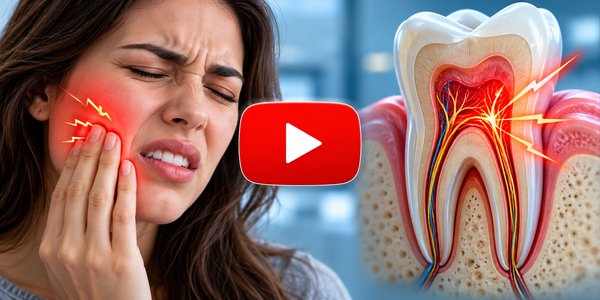
👉 DON’T TRY THIS “HOW TO STOP TOOTH NERVE PAIN” UNTIL YOU SEE THIS
Understanding evidence-based pain relief methods, warning signs, and professional dental treatments can help reduce discomfort, prevent complications, and protect long-term oral health.
What Causes Tooth Nerve Pain?
Tooth nerve pain develops when sensitive tissues inside or around a tooth become irritated, inflamed, or infected.
The tooth contains a central pulp chamber filled with nerves, blood vessels, and connective tissue. Enamel and dentin normally protect these structures.
Common causes include:
- Deep cavities: Bacteria and decay irritate sensitive internal tissues.
- Cracked teeth: Fractures expose dentin and cause discomfort when biting.
- Pulpitis: Inflammation of the dental pulp causes lingering or spontaneous pain.
- Gum recession: Exposed roots become sensitive to temperature changes.
- Dental abscess: An infection causes pain, tenderness, and sometimes swelling.
- Teeth grinding: Repeated pressure can damage teeth and surrounding structures.
Identifying the cause matters because sensitivity toothpaste cannot resolve an infected nerve.
How to Stop Tooth Nerve Pain Immediately at Home
1. Use a Warm Saltwater Rinse
Mix half a teaspoon of salt into a glass of warm water. Swish gently around the affected area and spit out.
Saltwater helps remove trapped debris and may soothe irritated gums.
However, rinsing cannot repair cavities or eliminate infections inside dental pulp.
2. Apply a Cold Compress
Wrap an ice pack in a clean towel and hold it against the painful side of your face for fifteen minutes.
Cold temperatures temporarily reduce sensation and may help control swelling.
Avoid applying ice directly against exposed tooth surfaces or bare skin.
3. Take Appropriate Pain Medication
Ibuprofen and naproxen reduce inflammation associated with many dental conditions.
Acetaminophen can also relieve discomfort, especially when anti-inflammatory medication isn’t suitable.
Clinical dental guidelines recommend nonopioid medications as first-line treatment for most acute dental pain.
Follow labeled instructions and seek professional advice about medical conditions, pregnancy, or medication interactions.
👉 DON’T TRY THIS “HOW TO STOP TOOTH NERVE PAIN” UNTIL YOU SEE THIS
4. Avoid Extreme Temperatures
Very hot coffee, iced drinks, sugary snacks, and acidic foods may trigger exposed dentin or inflamed pulp.
Choose lukewarm meals and chew on the opposite side.
Reducing triggers helps maintain comfort until you can get dental treatment.
5. Try Desensitizing Toothpaste
Toothpaste containing potassium nitrate or stannous fluoride may reduce discomfort caused by exposed dentin.
These products work gradually through regular application.
They are useful for sensitivity but cannot cure severe pulp inflammation.
How to Stop Tooth Nerve Pain in 3 Seconds: Is It Possible?
Online searches frequently promise tooth nerve pain relief within three seconds.
Unfortunately, no reliable household technique permanently eliminates infected tooth nerve pain instantly.
Cold compresses, temporary numbing products, and suitable pain medication may reduce symptoms, but their effects vary.
Dentists can provide rapid relief with local anesthesia and procedures that address the painful tooth.
Claims involving instant nerve destruction through kitchen ingredients should be treated cautiously.
Viral Toothache Hacks: Which Remedies Actually Work?
✔ Clove Oil for Tooth Nerve Pain
Clove contains eugenol, a compound linked to temporary numbing.
However, concentrated essential oil can irritate gums and damage sensitive tissues.
Clove oil does not replace treatment for pulpitis, cavities, or abscesses.
✔ Garlic Toothache Remedy
Garlic contains sulfur compounds with antimicrobial activity demonstrated in laboratory research.
Nevertheless, placing crushed garlic directly against gums can cause chemical burns.
Insufficient clinical evidence shows that garlic cures tooth nerve infections.

👉 DON’T TRY THIS “HOW TO STOP TOOTH NERVE PAIN” UNTIL YOU SEE THIS
✔ Baking Soda Toothache Trick
Baking soda may help neutralize acids in the mouth.
However, rubbing baking soda directly onto damaged teeth cannot repair deep decay or exposed nerves.
Avoid aggressive scrubbing and concentrated homemade pastes.
✔ Hydrogen Peroxide Rinse
Hydrogen peroxide appears in certain professionally formulated oral care products.
Improper concentrations or repeated exposure may irritate oral tissues.
Never use strong household peroxide as an improvised treatment for tooth nerve pain.
✔ Oil Pulling for Tooth Pain
Oil pulling involves swishing edible oil around the mouth.
Although promoted online for oral wellness, evidence does not establish it as a treatment for pulp inflammation or dental infections.
Traditional remedies should never delay necessary dental care.
How to Stop Tooth Nerve Pain at Night
Toothaches can feel worse when you lie down, especially when inflammation causes throbbing pain.
Nighttime relief strategies include:
- Slightly elevating your head with an extra pillow.
- Avoiding extremely hot or cold bedtime drinks.
- Cleaning around the painful tooth gently.
- Applying a wrapped cold compress before sleeping.
- Use appropriate pain medication as directed.
Persistent nighttime pain can indicate significant pulp inflammation and deserves prompt dental evaluation.
Exposed Tooth Nerve Pain: What Should You Do?
An exposed or severely irritated dental pulp can cause intense pain when it comes into contact with air, liquids, or food.
Avoid chewing directly on the affected tooth, and protect it from extreme temperatures.
A broken filling or fractured tooth requires professional assessment because exposed tissues remain vulnerable to additional damage.
Do not place aspirin, alcohol, concentrated essential oils, or household glue inside the cavity.
Dentists determine whether a protective restoration, root canal procedure, or extraction is appropriate.
Can Tooth Nerve Pain Go Away Without a Root Canal?
Some tooth sensitivity improves after removing the source of irritation.
Reversible pulpitis may settle following treatment of a cavity, damaged filling, or exposed dentin.
Irreversible pulpitis involves more severe inflammation that generally requires root canal treatment or extraction.
Pain disappearing unexpectedly does not always indicate healing. Severely damaged pulp can lose sensation while infection progresses.
A professional diagnosis helps distinguish recoverable irritation from conditions that require definitive treatment.
Best Professional Treatments for Tooth Nerve Pain
✅ Dental Fillings
Dentists remove damaged tooth material and restore the affected area with suitable filling materials.
Early treatment protects sensitive structures and may prevent deeper inflammation.
✅ Root Canal Treatment
Root canal treatment removes inflamed or infected pulp, cleans internal canals, and seals the tooth.
Modern anesthesia makes the procedure manageable for most patients while helping preserve natural teeth.
👉 DON’T TRY THIS “HOW TO STOP TOOTH NERVE PAIN” UNTIL YOU SEE THIS
✅ Dental Crowns
Crowns protect weakened or extensively restored teeth against additional fractures.
They are especially useful when substantial tooth structure has been lost.
✅ Tooth Extraction
Extraction may become necessary when severe decay, fractures, or infection make restoration impractical.
Dentists can recommend suitable replacement options afterward.
What Does Recent Dental Research Say?
Evidence-based dental guidelines emphasize nonopioid pain management for acute toothaches.
Research supports nonsteroidal anti-inflammatory drugs, sometimes combined with acetaminophen, as effective first-line options when medically appropriate.
However, medication temporarily controls symptoms rather than eliminating their underlying cause.
Newer research also explores dental pulp inflammation, nerve signaling, and methods of assessing tooth sensitivity.
These developments may improve future diagnosis, but they do not validate viral claims about instantly healing damaged nerves.
When Is Tooth Nerve Pain an Emergency?
Seek urgent dental assessment if pain becomes severe or persistent, or if it’s accompanied by swelling, fever, or pus.
Difficulty swallowing, breathing problems, or rapidly spreading facial swelling requires emergency medical attention.
Do not wait for home remedies when these warning signs appear.
Untreated dental infections can spread beyond the affected tooth.
How to Prevent Tooth Nerve Pain Naturally
Brush twice daily using fluoride toothpaste and clean between teeth regularly.
Limit sugary snacks, acidic beverages, and aggressive brushing.
Use a protective mouthguard when recommended for teeth grinding.
Regular dental exams help identify cavities, fractures, and gum problems before they cause severe nerve irritation.
Conclusion
Stopping tooth nerve pain involves combining safe temporary relief with timely professional dental care.
Saltwater rinses, cold compresses, appropriate pain medication, and gentle oral hygiene may reduce discomfort while you wait for treatment.
However, viral hacks involving concentrated oils, garlic, alcohol, or abrasive substances can create additional problems.
Persistent pain, swelling, or lingering temperature sensitivity should never be ignored.
The most reliable approach is early diagnosis and treatment of the underlying cause. Prompt attention can relieve discomfort, prevent complications, and improve the chances of preserving your natural tooth.
👉 DON’T TRY THIS “HOW TO STOP TOOTH NERVE PAIN” UNTIL YOU SEE THIS
References
- Wikipedia – Pulpitis (Tooth Nerve Inflammation)
https://en.wikipedia.org/wiki/Pulpitis
- Healthline – Home Remedies for Toothache Pain
https://www.healthline.com/health/dental-and-oral-health/home-remedies-for-toothache
- PubMed – Acute Dental Pain Management: Evidence-Based Clinical Practice Guideline
https://pubmed.ncbi.nlm.nih.gov/38325969/
About Us
